
Your resting pulse provides an immediate window into your cardiovascular vitality and overall longevity. Tracking this quiet daily metric helps you spot emerging health shifts before noticeable physical symptoms ever appear.
When you understand what your baseline pulse signals, you can take gentle, proactive steps to protect your vitality. Small daily variations often reveal critical information about your hydration, stress levels, and cardiovascular stamina.
Listening to your heart allows you to partner effectively with your physician and nurture your long-term independence. Paying attention to subtle rhythm changes brings genuine peace of mind as you age gracefully.
Understanding the Basics of Resting Heart Rate for Seniors
Exploring your resting heart rate meaning begins with recognizing how efficiently your heart muscle functions while at rest. It simply reflects the number of times your heart contracts each minute while you are quietly relaxing.
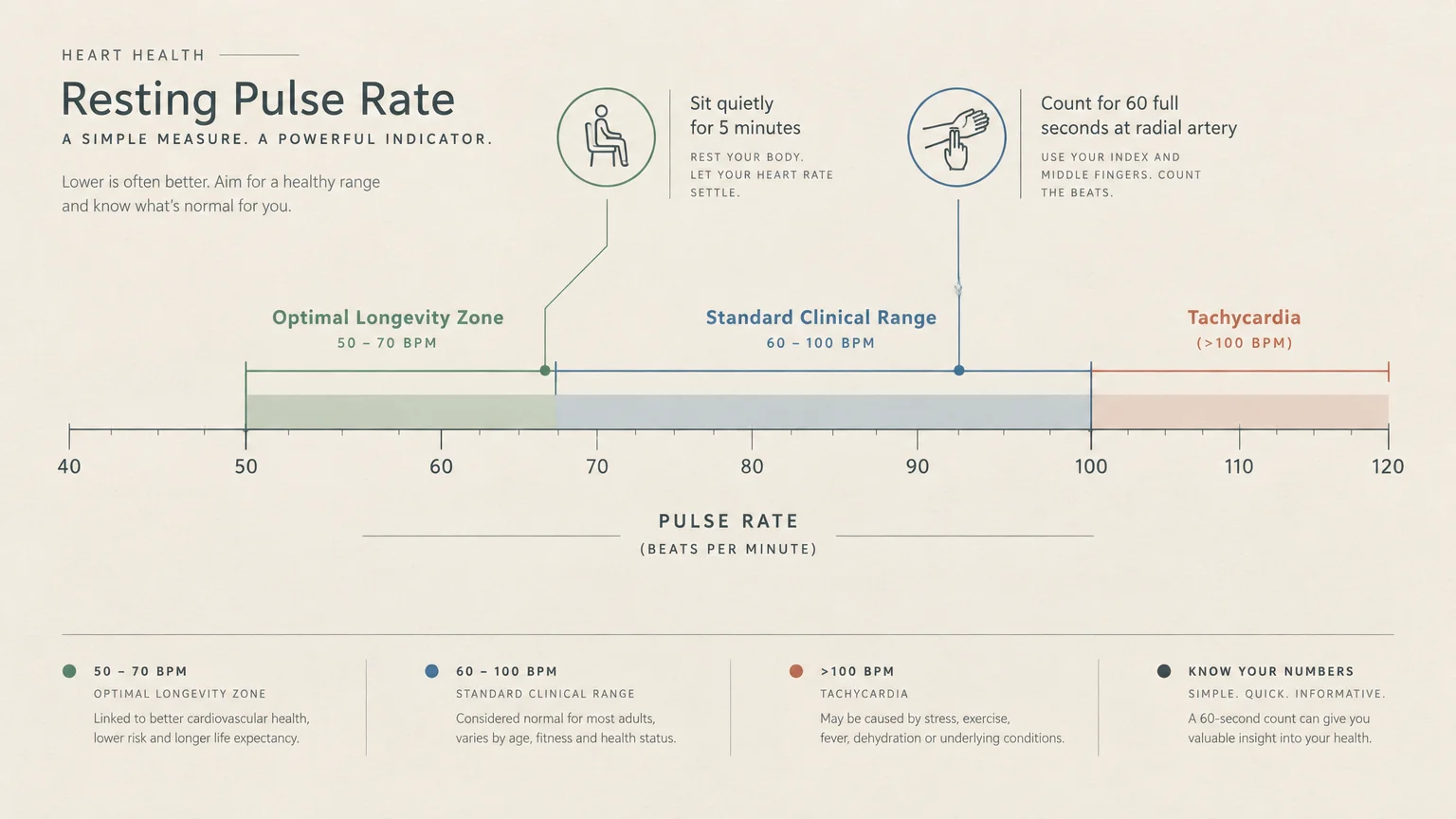
According to the American Heart Association, a standard normal resting heart rate for adults ranges between 60 and 100 beats per minute. This broad clinical range accounts for standard biological differences across diverse populations.
Many leading cardiologists and longevity researchers identify an optimal resting range between 50 and 70 beats per minute. Maintaining a baseline in this calmer zone typically reflects lower ongoing mechanical strain on your arterial walls.
As you age, natural structural shifts occur within your heart muscle and specialized electrical conduction pathways. Your body’s natural pacemaker cells gradually decrease in number, which subtly alters how your heart responds to daily demands.
Measuring your resting pulse accurately requires sitting quietly for at least five minutes in a comfortable chair. Keep your feet flat on the floor, breathe gently, and avoid talking during the measurement.
You can locate your pulse on the inside of your wrist just below the base of your thumb. Lightly place your index and middle fingers over the radial artery and count the beats for 60 full seconds.
9 Signs Your Resting Heart Rate Is Telling You Something
Your resting pulse acts as an intuitive dashboard for your entire physiology. When your baseline shifts away from its customary pattern, your body is offering a valuable message worth investigating.
1. A Consistent Resting Pulse Above 80 Beats per Minute
A resting heart rate that routinely sits above 80 beats per minute deserves your thoughtful attention. While technically within the standard clinical bracket, this elevated pace suggests your cardiovascular system works harder than necessary.
A landmark meta-analysis in the Canadian Medical Association Journal examined 46 prospective studies involving over 1.2 million individuals. The researchers discovered that every 10 beats per minute increase links to a 9% rise in all-cause mortality.
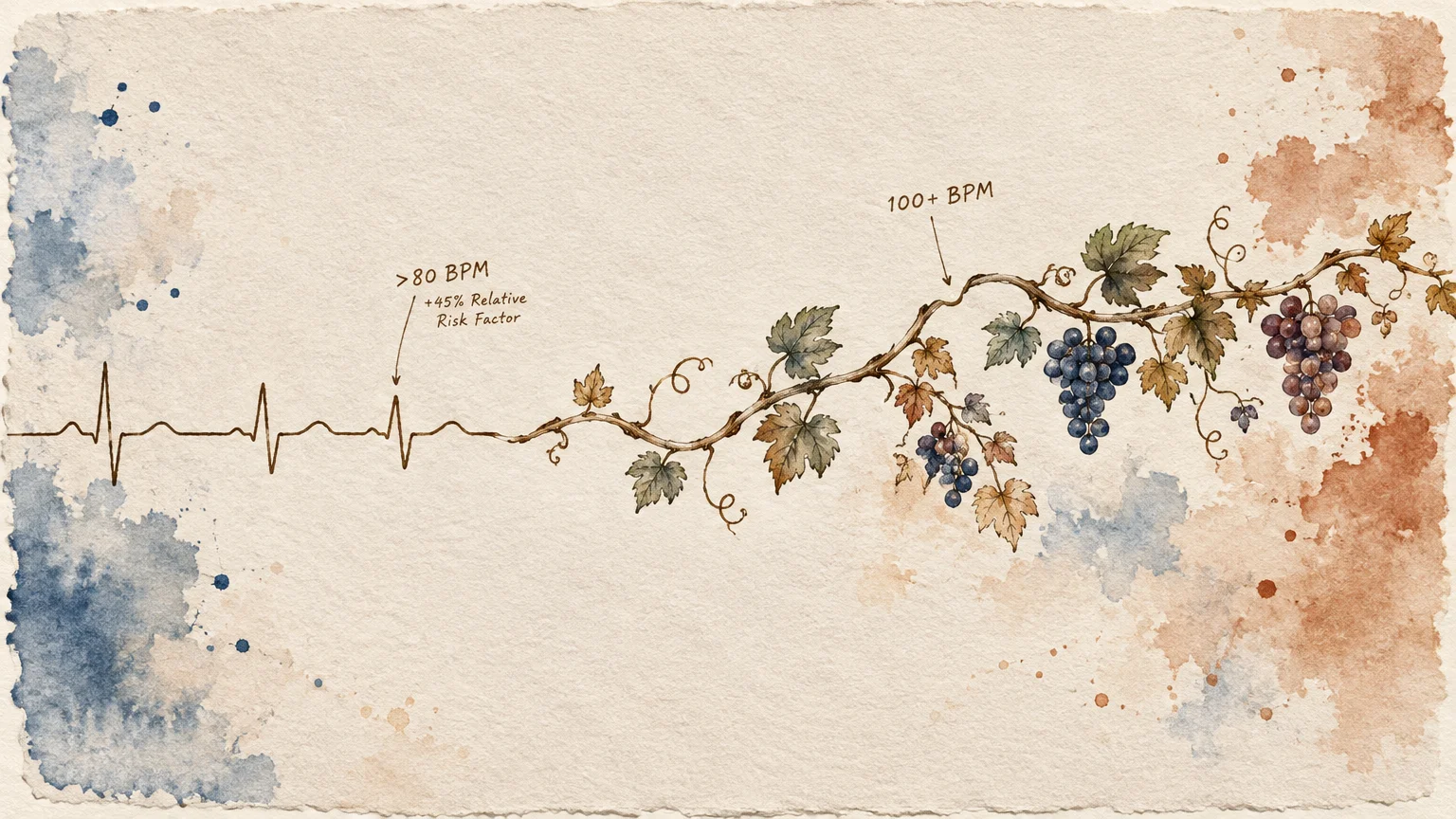
The same extensive analysis established that individuals with resting rates exceeding 80 beats per minute faced a 45% higher relative risk of all-cause mortality. They also experienced a 33% higher risk of cardiovascular mortality.
Frequent high resting heart rate causes include persistent physical deconditioning, chronic mental stress, or underlying low-grade inflammation. Addressing these factors with your care team can restore your pulse to a calmer, safer baseline.
2. Sudden Resting Spikes Exceeding 100 Beats per Minute
When your resting pulse consistently surpasses 100 beats per minute, physicians classify the condition as tachycardia. Experiencing this rapid cadence while sitting quietly indicates your heart is responding to an immediate internal stressor.
Acute dehydration remains one of the most frequent culprits behind sudden daytime pulse elevations in older adults. When your blood volume drops from inadequate fluid intake, your heart must pump faster to deliver vital oxygen.
Underlying infections, developing respiratory viruses, or sudden fevers can also trigger this rapid cardiac response. Your immune system requires enhanced blood flow to circulate defensive white blood cells, driving your resting pulse upward.
If you notice a sudden jump past 100 beats per minute without physical exertion, rest calmly and drink a glass of water. Contact your healthcare professional promptly if the elevated rate persists past an hour.
3. An Unusually Sluggish Pulse Below 60 Beats per Minute
A sustained resting pulse below 60 beats per minute is clinically termed bradycardia. While a slower heart rate can demonstrate exceptional athletic fitness, it can also signal reduced electrical signaling in mature adults.
Resting measurements between 40 and 55 beats per minute are often entirely benign in lifelong endurance walkers or individuals prescribed beta-blocker medications. In these situations, the relaxed pace demonstrates efficient cardiac pumping rather than pathology.
Troubling low resting heart rate signs emerge when a slow pulse accompanies chronic fatigue, lightheadedness, or daytime confusion. These symptoms may suggest that an underactive thyroid gland or aging electrical pathways are dampening your cardiac output.
Your physician can run simple blood panels and non-invasive electrocardiograms to verify whether your slow heart rate provides adequate circulation. Gentle medical adjustments can easily optimize your daily energy and safety.
4. A Fluttering, Irregular, or Skipping Rhythm
A resting pulse should feel rhythmic and steady, resembling the dependable ticking of a classic clock. If your pulse feels disorganized, chaotic, or frequently skips beats, your heart may be experiencing an arrhythmia.
The most common sustained cardiac rhythm disorder among older individuals is atrial fibrillation, commonly called AFib. According to data from the CDC, AFib affects approximately 2% of adults under 65 but jumps to 9% to 12% in adults aged 65 and older.
Public health projections estimate that over 12.1 million Americans will live with atrial fibrillation by the year 2030. This condition causes the upper chambers of your heart to quiver erratically rather than contract smoothly.
Untreated AFib increases your risk of suffering an ischemic stroke by four to five times; it accounts for 15% to 20% of all ischemic strokes. Detecting an irregular resting pulse early allows your doctor to prescribe therapies that protect against stroke.
5. Delayed Heart Rate Recovery After Light Activity
How rapidly your pulse decelerates after moderate exertion offers deep insight into your autonomic nervous system health. After climbing stairs or finishing a garden walk, your pulse should drop steadily within several minutes of resting.
A delayed recovery period—where your heart continues pounding long after you sit down—points to autonomic fatigue. It indicates that your sympathetic fight-or-flight system remains dominant while your calming parasympathetic brake struggles to engage.
Consistent physical deconditioning often prolongs this post-exercise recovery window. Gently building daily stamina through low-impact walking helps retrain your cardiovascular reflexes to rebound rapidly after normal exertion.
6. An Elevated Morning Pulse After Waking Up
Your resting pulse is typically at its lowest level immediately upon waking in the morning. If your morning pulse reads notably higher than your customary baseline, your body may not be resting deeply overnight.
Elevated morning heart rates often point directly toward undiagnosed obstructive sleep apnea. Repeated airway blockages cause nocturnal oxygen drops, triggering nocturnal adrenaline surges that keep your heart racing well into the morning hours.
Chronic emotional stress or evening alcohol consumption can also drive up your awakening heart rate. Evaluating your sleep quality and evening wind-down routine provides a powerful defense for your cardiovascular health.
7. A Slow, Steady Upward Creep Over Consecutive Months
A single high pulse reading rarely signals a chronic problem, but a slow upward trend across several months provides valuable clues. Spotting these subtle heart health warning signs early empowers you to make gentle lifestyle corrections.
A gradual rise in your baseline resting pulse often reflects advancing physical deconditioning or persistent emotional strain. It can also point toward developing metabolic resistance, weight gain, or progressive arterial stiffness.
Logging your weekly pulse trends in a notebook allows you to spot these gradual upward shifts before complications arise. Sharing this longitudinal record with your clinician transforms routine checkups into meaningful preventive conversations.
8. Dizziness or Lightheadedness Paired with Low Pulse
Feeling unsteadiness or lightheadedness when rising from your chair warrants a closer look at your resting pulse. When a low heart rate fails to supply sufficient cerebral blood flow, balance and mobility can suffer.
This combination often stems from orthostatic hypotension or an aging sinoatrial node that cannot accelerate promptly upon standing. The temporary drop in blood pressure deprives your brain of oxygen, producing a momentary floating sensation.
Experiencing frequent dizziness increases your risk of accidental falls, making timely medical evaluation vital for your independence. Your doctor can assess your pulse dynamics and recommend safe strategies to keep you steady on your feet.
9. Abrupt Pulse Changes After Starting New Medications
Prescription drugs, over-the-counter remedies, and herbal supplements can directly influence how rapidly your heart beats at rest. If your pulse suddenly shifts after starting a new prescription, your medication could be the primary catalyst.
Common medications like beta-blockers, calcium channel blockers, and antiarrhythmics intentionally slow your resting heart rate to protect cardiac tissues. Conversely, asthma inhalers, decongestants, and thyroid hormone adjustments can accelerate your resting rhythm.
Never alter your prescribed drug dosages independently based on home pulse readings. Always contact your prescribing physician or pharmacist to discuss your observations and ensure your treatment regimen remains properly balanced.

Practical Tips for a Healthier, Happier Life
Supporting a balanced resting heart rate does not require intense athletic training or overwhelming lifestyle overhauls. Gentle, sustainable daily habits nurture your cardiovascular resilience and promote lasting vitality as you age.
Engage in Gentle Aerobic Movement Daily
Regular aerobic exercise strengthens your heart muscle, allowing it to pump more blood with each contraction. As your stroke volume improves, your heart requires fewer beats per minute to sustain your body at rest.
Aim for 30 minutes of moderate activity most days through comfortable walking, water aerobics, or recumbent cycling. Even dividing your movement into three enjoyable 10-minute sessions throughout the day produces measurable cardiovascular improvements.
Prioritize Restorative Sleep and Airway Health
Deep, uninterrupted sleep gives your autonomic nervous system a vital opportunity to downregulate stress hormones. During healthy restorative sleep stages, your heart rate naturally settles into its lowest, most restorative baseline.
Establish a regular bedtime routine by dimming household lights and powering down glowing digital screens an hour before sleeping. If you snore loudly or wake up gasping, ask your doctor about a simple overnight sleep evaluation.
Maintain Consistent Daily Hydration
Adequate fluid intake maintains healthy blood plasma volume, preventing your heart from overworking to maintain normal blood pressure. As we mature, our natural thirst cues become less sensitive, making deliberate hydration essential.
Keep a reusable water pitcher on your kitchen counter and sip fluids steadily throughout your morning and afternoon. Incorporating hydrating broths, herbal teas, and water-rich fruits also supports optimal fluid balance without feeling burdensome.
Cultivate Daily Calm Through Mindful Breathing
Chronic mental tension keeps your sympathetic nervous system activated, driving up your daily resting heart rate. Deliberate relaxation exercises stimulate your vagus nerve, which promptly releases calming neurotransmitters across your cardiac tissue.
Dedicate five minutes each afternoon to slow diaphragmatic breathing in a comfortable armchair. Inhale gently through your nose for a count of four, pause briefly, and exhale slowly through your mouth for six counts.
Nourish Your Body with Mineral-Rich Whole Foods
Your heart relies on balanced electrolytes—especially potassium and magnesium—to conduct its internal electrical impulses smoothly. A wholesome diet centered around colorful plants and lean proteins provides the biochemical building blocks for cardiac rhythm stability.
Incorporate potassium-rich foods like sweet potatoes, spinach, and bananas alongside magnesium-dense seeds and legumes. Moderating your intake of excess dietary sodium and processed sugars further relieves unnecessary pressure on your circulatory system.

Important Safety Precautions to Keep in Mind
Monitoring your pulse at home provides valuable personal health data, but proper measurement technique prevents unnecessary worry. Always check your pulse while resting comfortably at the wrist rather than pressing firmly against your neck.
Pressing too firmly on your carotid artery can stimulate sensitive pressure receptors that artificially slow your heart rate. Using the radial pulse on your wrist ensures an accurate count without triggering accidental reflex bradycardia.
Avoid checking your heart rate obsessively throughout the day, as health anxiety itself can provoke rapid pulse spikes. Measure your pulse once in the morning and once in the evening under similar, quiet conditions.
Modern smartwatches and pulse oximeters offer wonderful convenience, yet their optical sensors can misread irregular heart rhythms. Treat wearable device alerts as helpful conversation starters with your physician rather than definitive clinical diagnoses.
Never alter, reduce, or discontinue prescribed cardiac medications without the direct guidance of your medical provider. Abruptly stopping rate-control medications can trigger dangerous rebound spikes in heart rate and blood pressure.

When to Speak with a Healthcare Professional
While tracking your resting pulse fosters proactive wellness, home monitoring never replaces experienced clinical evaluation. Your healthcare team possesses the specialized tools and clinical training necessary to interpret subtle cardiac patterns accurately.
Schedule an evaluation with your physician if your resting pulse consistently stays above 100 beats per minute or below 50 beats per minute without clear athletic conditioning. Persistent fluttering sensations, skipped beats, or unprovoked pulse swings also require clinical attention.
Certain acute cardiovascular symptoms demand immediate emergency medical intervention rather than a routine office visit. Call 911 immediately if an irregular or rapid pulse accompanies crushing chest pressure, sudden breathlessness, severe nausea, or sudden fainting.
Keep a simple written log of your pulse numbers, noting the time of day and any accompanying physical sensations. Bringing this organized record to your appointments gives your physician invaluable insight into your everyday cardiovascular function.
For authoritative, trustworthy health information, always consult official sources like the National Institute on Aging (NIA) and MedlinePlus from the National Library of Medicine. The CDC also provides excellent resources for older adults.
Frequently Asked Questions
What is considered a dangerous resting heart rate for older adults?
A resting rate consistently exceeding 120 beats per minute or falling below 40 beats per minute requires immediate clinical evaluation. These extreme thresholds can impair adequate blood delivery to vital organs and precipitate acute cardiac distress.
If extreme pulse numbers accompany lightheadedness, chest discomfort, or sudden weakness, seek emergency medical care without delay. Prompt clinical intervention ensures your safety and stabilizes your heart’s underlying rhythm.
Can emotional anxiety alone cause a high resting heart rate?
Yes, acute emotional anxiety and prolonged psychological stress frequently trigger sudden surges in your resting pulse. Stress prompts your adrenal glands to release adrenaline and cortisol, instructing your heart muscle to beat more rapidly.
Practicing slow breathing and progressive muscle relaxation usually restores your pulse to normal within 15 to 20 minutes. If rapid palpitations persist after you feel calm, speak with your doctor to rule out physical causes.
Why does my resting heart rate drop when I take beta-blockers?
Beta-blockers intentionally interrupt the stimulating effects of adrenaline on your heart muscle and blood vessels. By blocking these chemical signals, the medication allows your heart to beat more slowly and pump with less physical exertion.
This controlled reduction lowers your overall blood pressure and protects your cardiovascular system from excessive wear. Always report resting readings below 50 beats per minute to your doctor to ensure your dosage remains optimal.
How often should I measure my resting heart rate at home?
Checking your resting pulse two to three times per week provides plenty of reliable baseline information for healthy seniors. Taking your measurement first thing in the morning while sitting calmly yields the most consistent and meaningful results.
Avoid taking repetitive measurements multiple times an hour, which can generate unnecessary health worry and artificially drive up your numbers. Consistency and gentle observation offer far greater insight than frequent, stressful monitoring.
Disclaimer: This article is for informational purposes only and does not constitute medical advice. Always seek the advice of your physician or other qualified health provider with any questions you may have regarding a medical condition.