Choosing between sparkling water and still water comes down to personal preference because both hydrate your body equally well. Plain sparkling water gives you the exact same thirst-quenching hydration as still water without harming your bones.
Many older adults struggle to drink enough fluids each day due to a declining sense of natural thirst. Adding fizzy water can make daily hydration exciting and help you reach your wellness goals.
Understanding how carbonation affects your digestion, teeth, and mineral balance ensures you make the healthiest choice for your golden years.

Understanding the Basics of Sparkling and Still Water for Seniors
Water is essential for every biological function in your body. It cushions your joints, regulates internal temperature, and helps your kidneys flush waste products.
Still water represents water in its natural, non-effervescent form. It comes from municipal tap supplies, natural mountain springs, or purified filtration systems without added gases.
Sparkling water contains dissolved carbon dioxide gas under pressure, creating pleasant carbonation bubbles. This effervescence can occur naturally in geological springs or artificially through mechanical carbonation.
When carbon dioxide dissolves in water, it creates a very mild chemical reaction that produces carbonic acid. This weak acid gives sparkling water its distinctive crisp taste and subtle tangy bite.
Many seniors ask: is sparkling water good for you when compared to traditional tap water? Scientific research confirms that plain carbonated water provides outstanding health benefits.
As you age, your body undergoes subtle physiological changes that influence your hydration status. Your sensation of thirst naturally diminishes, meaning you may feel completely fine even when dehydrated.
At the same time, aging kidneys gradually lose some capacity to concentrate urine and conserve fluid. This makes a proactive approach to daily fluid intake vital for your overall vitality.
A rigorous 2016 clinical study published in The American Journal of Clinical Nutrition examined hydration across thirteen common beverages. The researchers discovered that sparkling water and still water share an identical Beverage Hydration Index score of 1.00.
This identical score means your body absorbs and retains plain sparkling water just as effectively as still water. Carbonation does not pull water from your cells or accelerate dehydration in any way.
Understanding the water health comparison also requires distinguishing between the different types of bubbly water available on grocery store shelves. Not all clear, fizzy beverages share the same nutritional profile.
Seltzer water is simply plain still water infused with carbon dioxide bubbles. It contains zero sugar, zero calories, and zero added minerals or artificial flavorings.
Club soda starts with carbonated water but includes added mineral compounds like sodium bicarbonate, sodium chloride, or potassium sulfate. Manufacturers include these mineral salts to neutralize acidity and mimic natural spring flavor.
Sparkling mineral water emerges from protected underground reservoirs and naturally contains dissolved minerals. According to Food and Drug Administration standards, authentic mineral water must contain at least 250 parts per million of dissolved mineral solids.
These naturally occurring solids often include beneficial dietary calcium, magnesium, and bicarbonate. These minerals can provide gentle nutritional support as part of a balanced senior diet.
Tonic water is another bubbly drink, but it is not plain water. It contains added sweeteners and quinine, turning it into a calorie-dense soft drink rather than a healthy hydrator.
Exploring practical hydration tips helps you weave both types of water into your daily wellness routine with confidence.

Practical Tips for a Healthier, Happier Life
1. Choose Plain Carbonation Over Citrus-Flavored Varieties
Unflavored sparkling water is exceptionally gentle on your teeth and overall digestive tract. The American Dental Association categorizes plain carbonated water as minimally erosive to dental enamel.
Plain sparkling water typically holds an acidity rating between pH 4.0 and 5.0. While slightly more acidic than still water at pH 7.0, it remains safe for regular consumption.
However, canned sparkling waters flavored with lemon, lime, or grapefruit often contain added citric acid. Citric acid drops the drink’s acidity well below the critical enamel erosion threshold of pH 5.5.
Repeated exposure to high acidity can slowly weaken mature tooth enamel over time. To protect your smile, choose plain sparkling water and flavor it yourself with sliced cucumbers or fresh herbs.
2. Check the Sodium Label on Club Soda
If you manage your cardiovascular health or monitor your blood pressure, always check the nutritional label on bubbly water. Seltzer and still water naturally contain zero milligrams of sodium.
Club soda, however, frequently contains added sodium bicarbonate and sodium chloride. A standard twelve-ounce can of club soda can deliver between 50 and 100 milligrams of hidden sodium.
Drinking several cans of club soda throughout the day can quietly inflate your daily sodium intake. This sneaky salt addition can work against medications prescribed for hypertension.
Look for the words seltzer or sparkling spring water on the label to avoid unnecessary salt. Your heart and blood vessels will appreciate the cleaner ingredient profile.
3. Protect Your Teeth with Mindful Drinking Habits
How you drink your sparkling water matters just as much as what you drink. Avoid sipping a single glass of carbonated water slowly over several hours.
Sipping continuously keeps your oral cavity in an acidic state, preventing your saliva from doing its protective work. Instead, enjoy your sparkling water alongside meals or finished within a short window.
Eating stimulates saliva flow, which neutralizes acids and bathes your teeth in natural calcium and phosphate. This natural process preserves your enamel and keeps your teeth strong.
Once you finish your carbonated drink, rinse your mouth with a few sips of plain still tap water. This simple step washes away residual acidity and rebalances your oral pH instantly.
4. Tap Into Gentle Mineral Benefits
Sparkling mineral water provides a wonderful opportunity to boost your daily intake of essential micronutrients. These sparkling waters absorb minerals as they travel through underground limestone and volcanic rock formations.
The FDA requires true mineral waters to provide at least 250 parts per million of total dissolved solids. These solids include highly bioavailable forms of calcium and magnesium.
Magnesium supports normal muscle function, promotes steady heart rhythms, and aids healthy sleep. Calcium works continuously to maintain your bone density and structural strength.
Sipping natural mineral water offers a light, refreshing way to supplement these minerals without swallowing bulky pills. Check the bottle label to find brands rich in natural calcium and magnesium.
5. Build a Consistent Daily Hydration Rhythm
Creating a predictable hydration routine prevents dehydration before it starts. Rather than waiting for thirst to strike, establish scheduled hydration touchpoints throughout your day.
Begin your morning with a tall glass of room-temperature still water right after waking. Still water gently awakens your digestive tract without shocking your stomach with bubbles.
Pour a glass of chilled sparkling water during the mid-afternoon when energy levels often dip. The pleasant effervescence stimulates your palate and provides a refreshing sensory lift without caffeine.
Keep a reusable bottle or glass pitcher within easy sight in your favorite living areas. Visual reminders make it easy to sip fluids consistently throughout your daytime hours.
6. Use Bubbles to Replace Sugary Soft Drinks
One of the greatest health benefits sparkling water provides is acting as a healthy replacement for soda. Many people miss the fizzy texture of soda when attempting to cut down on sugar.
A landmark study from the Framingham Osteoporosis Study examined more than 2,500 older participants. Researchers observed that regular cola consumption led to lower bone mineral density in older women.
Crucially, the study found no connection between non-cola carbonated water and bone loss. Phosphoric acid in colas causes mineral depletion, whereas carbonic acid in bubbly water does not.
Switching from sugary soda to sparkling water protects your bones, balances your blood sugar, and supports healthy weight management. You keep the fun bubbles while shedding empty calories and harmful additives.
7. Pair Carbonation with Your Digestive Comfort
Pay close attention to how your stomach responds to carbonated drinks. Every person’s digestive tract processes dissolved gases in a slightly different manner.
Some older adults find that effervescent bubbles relieve feelings of heavy fullness after eating. The light pressure can encourage gentle digestion and ease occasional indigestion.
However, if you feel uncomfortable pressure or abdominal distension, switch back to plain still water. Your body always provides clear signals regarding which beverage supports optimal comfort.
You can also let your sparkling water sit in a glass for five minutes before drinking. This simple trick softens the carbonation intensity while preserving a crisp taste.
While sparkling water offers delightful variety, keeping key health precautions in mind ensures your hydration journey remains safe and comfortable.
Important Safety Precautions to Keep in Mind
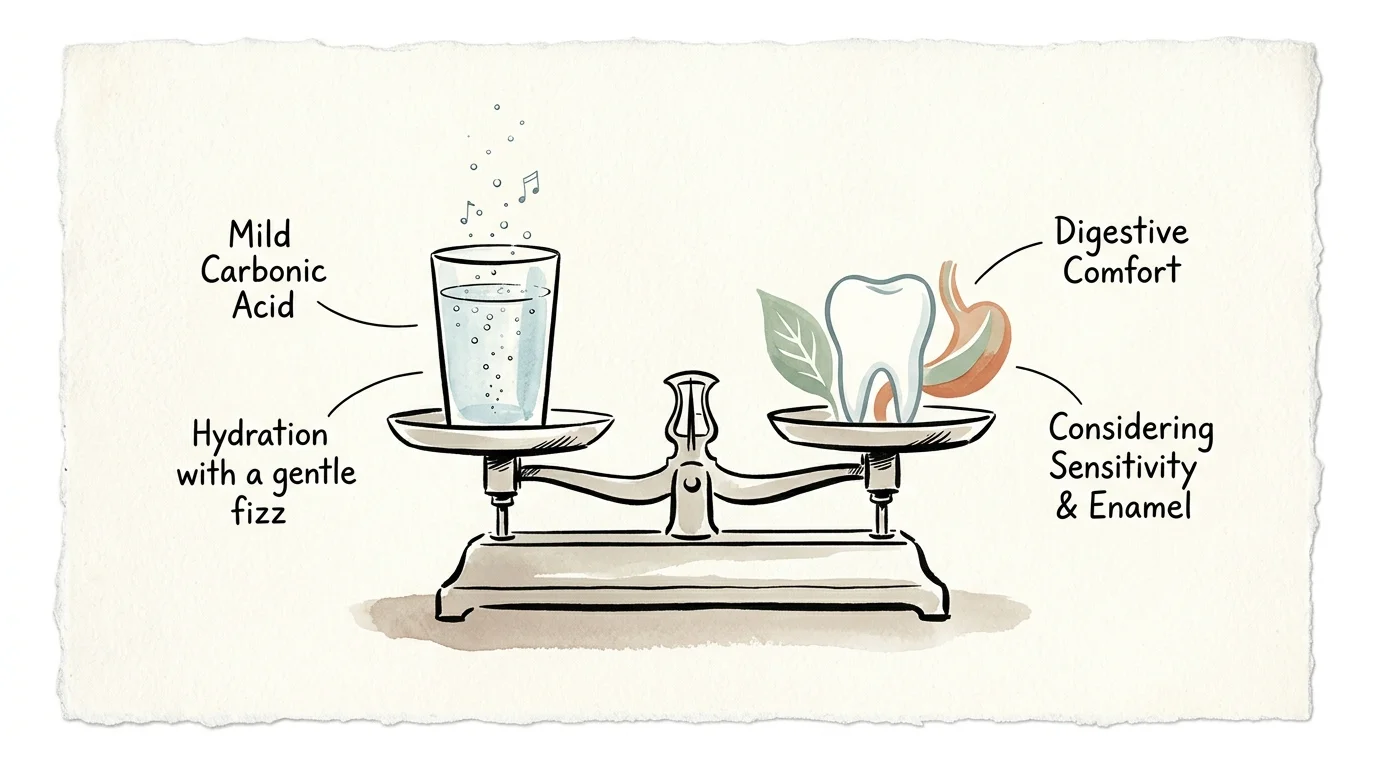
Sparkling water is a wonderful beverage, but older adults should remain mindful of specific gastrointestinal sensitivities. Carbonation introduces dissolved gas that can cause noticeable physical reactions in sensitive bodies.
When you swallow carbonated water, the dissolved carbon dioxide gas expands inside the warm environment of your stomach. This expansion increases gastric pressure and can cause temporary stomach stretching.
Clinical guidance from Harvard Health Publishing notes that gastric distension can cause the lower esophageal sphincter to open inappropriately. This muscular ring normally prevents stomach acids from splashing into your esophagus.
When this sphincter valve relaxes, you may experience classic heartburn, chest tightness, or sour throat regurgitation. If you live with gastroesophageal reflux disease, still water remains your safest daily fluid.
Older adults experiencing swallowing changes, known medically as dysphagia, must approach carbonated beverages with great care. The lively fizz can irritate sensitive throat nerves or cause unexpected coughing.
Inadvertent coughing during swallowing increases the risk of aspirating fluids into your lungs. Always consult your speech therapist or medical care team before consuming fizzy drinks if you have dysphagia.
Never use sparkling water to take your daily oral prescription medications or supplements. The effervescence can cause capsules or tablets to break apart too quickly in your throat.
Premature dissolving can irritate the delicate lining of your esophagus and interfere with proper medication absorption. Always take your medications with a generous glass of room-temperature still water.
Be cautious with canned sparkling waters that use artificial non-nutritive sweeteners to mimic sweetness. Ingredients like sucralose, aspartame, or acesulfame potassium can alter gut bacteria and provoke abdominal cramps.
Read the ingredient list carefully and stick to products containing only carbonated water and natural fruit essences. Keeping your beverage pure avoids unnecessary digestive upset and chemical exposure.
Understanding your physical limits empowers you to recognize when routine hydration questions require professional medical evaluation.

When to Speak with a Healthcare Professional
Staying properly hydrated forms a pillar of senior wellness, but changes in fluid tolerance require expert medical guidance. Never ignore new or worsening digestive symptoms after drinking fluids.
Schedule an appointment with your doctor if you experience persistent heartburn, uncomfortable chest pain, or ongoing difficulty swallowing liquids. These signs may point toward esophageal inflammation or an underlying gastrointestinal condition.
Seek medical care promptly if you notice warning signs of dehydration. These warning symptoms include persistent lightheadedness, unusual confusion, dark amber urine, extreme dry mouth, or sudden fatigue.
Older adults are particularly vulnerable to dehydration complications, especially during hot summer months or minor illnesses. A prompt medical check ensures your electrolyte levels and kidneys remain stable.
If you have been diagnosed with congestive heart failure, severe kidney disease, or liver cirrhosis, talk to your physician about fluid restrictions. You must carefully track all fluids, including both still and sparkling water.
Your physician can determine the exact fluid volume and sodium limits appropriate for your condition. Personalized guidance from your doctor always supersedes general dietary suggestions.
For authoritative, trustworthy health information, always consult official sources like the National Institute on Aging (NIA) and MedlinePlus from the National Library of Medicine. The CDC also provides excellent resources for older adults.
To help you navigate your everyday beverage choices, here are answers to common questions about sparkling and still water.
Frequently Asked Questions
Does sparkling water leach calcium from your bones?
No, plain sparkling water does not leach calcium from your bones or cause osteoporosis. This common myth stems from earlier research that examined dark cola beverages rather than carbonated water.
The Framingham Osteoporosis Study in 2006 evaluated more than 2,500 older adults to investigate this issue. The study confirmed that bone loss occurred exclusively from phosphoric acid in colas, not carbonation.
Plain sparkling water contains only dissolved carbon dioxide and carbonic acid, which does not interfere with bone mineral density. You can safely sip sparkling water without worrying about skeletal strength.
Can sparkling water replace still water entirely in your diet?
Plain sparkling water hydrates your body just as effectively as still water, earning an identical 1.00 hydration score. Technically, you could meet your daily hydration requirements using sparkling water alone.
However, relying solely on carbonated water may cause uncomfortable intestinal gas, burping, or abdominal bloating. Most healthcare professionals recommend drinking a balanced combination of still water and sparkling water.
Using still water as your main beverage and sparkling water as a fun refreshment gives you the best of both worlds. This balanced approach protects digestive comfort while keeping daily hydration interesting.
Is tonic water the same as sparkling water?
No, tonic water is not the same as plain sparkling water or seltzer. Tonic water is a sweetened carbonated soft drink that contains added sugars and bitter quinine.
A single twelve-ounce can of regular tonic water contains over thirty grams of sugar, totaling around 125 calories. Drinking tonic water can spike blood sugar levels and contribute to unwanted weight gain.
For healthy daily hydration, stick to plain seltzer, sparkling mineral water, or pure still water. Always check the label to ensure your bubbly beverage has zero added sweeteners.
Does drinking sparkling water cause kidney stones in older adults?
Plain sparkling water does not cause kidney stones. In fact, drinking adequate amounts of any plain water helps dilute urine and prevents stone-forming minerals from clustering together.
Certain sparkling mineral waters naturally contain bicarbonate, which can actually help neutralize excess urinary acid. This mild buffering effect may offer modest protection against uric acid stone development.
However, if you have a medical history of calcium oxalate kidney stones, discuss your mineral water intake with your urologist. Staying generously hydrated with still water remains the gold standard for kidney care.
Disclaimer: This article is for informational purposes only and does not constitute medical advice. Always seek the advice of your physician or other qualified health provider with any questions you may have regarding a medical condition.