
Maintaining vibrant energy, sharp cognitive clarity, and a strong immune system often comes down to essential micronutrients that quietly power your daily vitality. If you notice subtle shifts in your sense of taste, skin vitality, or how quickly minor scrapes heal, low zinc levels symptoms might be responsible. As your body matures, your digestive tract absorbs nutrients less efficiently, making zinc deficiency in older adults surprisingly widespread. Recognizing these subtle physical clues allows you to take charge of your wellness before minor nutritional gaps turn into major health roadblocks. By making simple, targeted adjustments to your daily nutrition, you can easily protect your immune resilience, sharpen your senses, and maintain the active, joyful lifestyle you love.
Understanding the Basics of Zinc for Seniors
Zinc is a foundational trace mineral that participates in more than 300 vital enzymatic reactions throughout your body. It governs cellular metabolism, supports healthy DNA synthesis, regulates protein production, and coordinates tissue regeneration. Because your body possesses no specialized storage system for zinc, you must supply it steadily through your daily meals. When your daily intake falls short, your tissues rapidly deplete their functional reserves, leading to widespread cellular sluggishness.
Clinical nutrition research reveals that approximately 20% to 40% of older adults fail to meet the estimated average requirement for dietary zinc. This vulnerability stems from several normal physiological changes that occur with age. As the stomach ages, it produces less hydrochloric acid—a state known as hypochlorhydria. Gastric acid is necessary to separate dietary zinc from food proteins so your small intestine can absorb it into the bloodstream. When stomach acid drops, zinc bioavailability drops alongside it.
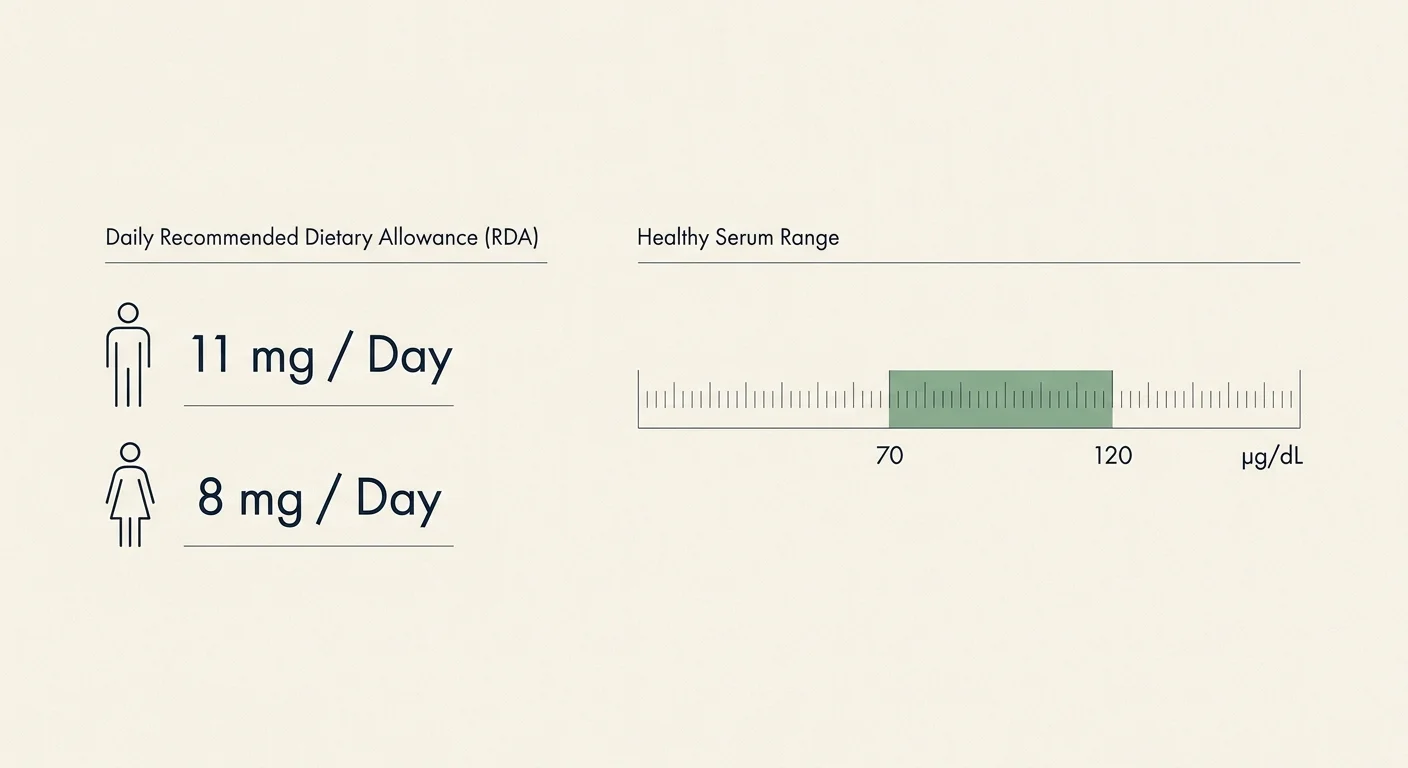
Standard nutritional guidelines set the Recommended Dietary Allowance (RDA) for zinc at 11 mg per day for adult men and 8 mg per day for non-pregnant adult women. Maintaining these baseline numbers keeps your physiological systems operating smoothly. In clinical laboratories, medical professionals measure zinc status using a fasting serum or plasma blood test. A healthy reference concentration ranges between 70 and 120 µg/dL (micrograms per deciliter). When your laboratory results drop below 70 µg/dL, physicians consider you clinically deficient.
Prescription medications commonly taken by mature adults can further complicate your zinc status. Daily use of proton pump inhibitors (PPIs) lowers the stomach acidity required for mineral release. Similarly, loop and thiazide diuretics—frequently prescribed for blood pressure and cardiovascular management—accelerate the urinary excretion of zinc through the kidneys. Angiotensin-converting enzyme (ACE) inhibitors can also increase zinc loss. Understanding these biochemical dynamics helps you look out for early signs you need more zinc and protect your everyday vitality.
Practical Tips for a Healthier, Happier Life
Identifying the subtle warning signs of zinc deficiency early empowers you to take gentle, restorative action before more pronounced health issues emerge. Here are the eight primary physical indicators that your zinc levels may need thoughtful attention, along with actionable ways to restore your nutritional balance.
1. Diminished or Altered Sense of Taste and Smell
If your favorite home-cooked meals suddenly taste bland, metallic, or uninspiring, your salivary biochemistry may be lacking zinc. Zinc serves as an irreplaceable structural cofactor for carbonic anhydrase VI (historically known as gustin), an enzyme produced by your parotid glands that nurtures and maintains your taste buds. When zinc concentrations decline, taste bud cells cannot renew themselves properly, causing a condition known as hypogeusia (blunted taste) or dysgeusia (distorted taste). Restoring zinc allows gustin to rebuild your sensory receptors so you can fully enjoy the rich flavors and aromas of your meals again.
2. Slow-Healing Cuts, Scrapes, and Bruises
Your skin represents your body’s largest organ and demands continuous cellular turnover to stay intact and resilient. When you experience a minor kitchen scrape or garden scratch that lingers for weeks without closing, low zinc may be slowing the repair process. Zinc plays a direct role in collagen synthesis, cellular proliferation, membrane stabilization, and local immune defense within the dermis. Without sufficient zinc, fibroblasts cannot construct the healthy connective tissue matrix required to heal skin injuries cleanly and swiftly.
3. Frequent Colds and Sluggish Immune Recovery
Do seasonal sniffles linger far longer than they used to, or do minor respiratory bugs catch you off guard repeatedly? Zinc governs the development, maturation, and signaling of T-lymphocytes, the white blood cells responsible for targeting foreign pathogens. It also activates natural killer cells and protects the mucosal linings of your respiratory system against viral invasion. When zinc drops, your immune system mounts a sluggish, uncoordinated response, leaving you vulnerable to recurrent infections and protracted recovery periods.
4. Unexpected Hair Thinning or Excessive Shedding
Discovering extra strands of hair on your pillow or in your shower drain can be unsettling. While hormonal changes influence hair density as we age, zinc deficiency signs frequently manifest as diffuse hair shedding, brittle strands, and slow follicular regrowth. Hair follicles possess high metabolic turnover rates and rely heavily on zinc for continuous protein synthesis and rapid cell division. Ensuring adequate zinc helps maintain the structural integrity of the hair shaft and supports healthy follicular growth cycles.
5. Dry, Irritated Skin and Cracking at the Corners of the Mouth
Persistent patches of rough, scaly skin or painful cracks at the corners of your mouth (a condition called angular cheilitis) often point to underlying micronutrient deficits. Zinc maintains the lipid barrier of your epidermis and regulates local inflammatory responses. When zinc levels drop, the skin loses moisture rapidly, becoming prone to redness, eczema-like irritation, and cracks that resist ordinary moisturizers. Nourishing your body from the inside out with zinc helps restore smooth, supple skin texture.
6. Unexplained Loss of Appetite and Weight Loss
A sudden drop in your appetite or unintentional weight loss is one of the classic low zinc levels symptoms observed in older adults. This occurs through a dual mechanism: the blunting of taste and smell makes food unappealing, while neurological pathways that regulate hunger hormones—such as ghrelin and neuropeptide Y—become dysregulated. Re-establishing optimal zinc balance helps awaken your natural appetite cues, supporting healthy calorie intake and muscle mass preservation.
7. Visual Strain in Low Light and Macular Concerns
Your retina contains some of the highest concentrations of zinc found anywhere in human tissue. Zinc collaborates directly with taurine and vitamin A to synthesize rhodopsin, the light-absorbing pigment in your retinal rods that enables night vision. Furthermore, major clinical investigations, such as the Age-Related Eye Disease Studies (AREDS and AREDS2), highlight zinc’s protective role against oxidative stress within the macula. If driving at dusk feels increasingly strained or your eyes struggle to adapt to dim lighting, zinc insufficiency could be a contributing factor.
8. Mental Sluggishness, Brain Fog, and Mood Shifts
Zinc serves as a potent neuromodulator in the brain, concentrating heavily in the hippocampus and cerebral cortex where memory, learning, and emotional regulation occur. It balances excitatory and inhibitory neurotransmitters, including GABA and glutamate, while encouraging the synthesis of brain-derived neurotrophic factor (BDNF). A deficit in zinc can present as cloudy thinking, poor short-term memory recall, low motivation, or uncharacteristic feelings of gloom. Optimizing your zinc intake supports cognitive sharpness and steady emotional resilience.
To safely replenish your body with zinc, focus first on incorporating nutrient-dense whole foods into your weekly menu plan. Animal proteins provide the most bioavailable form of zinc because they contain amino acids that enhance mineral uptake without competing plant compounds. Excellent dietary choices include:
Wild Oysters and Shellfish: Oysters represent nature’s most concentrated source of dietary zinc, delivering over 30 mg in a single 3-ounce serving. Incorporating cooked oysters, crab, or shrimp into your monthly meals offers an exceptional nutritional boost.
Grass-Fed Beef and Poultry: A 3-ounce serving of lean braised beef provides roughly 7 mg of zinc, fulfilling most of your daily requirement. Dark meat poultry, such as chicken thighs and turkey, provides approximately 2 to 3 mg per serving along with easily digestible protein.
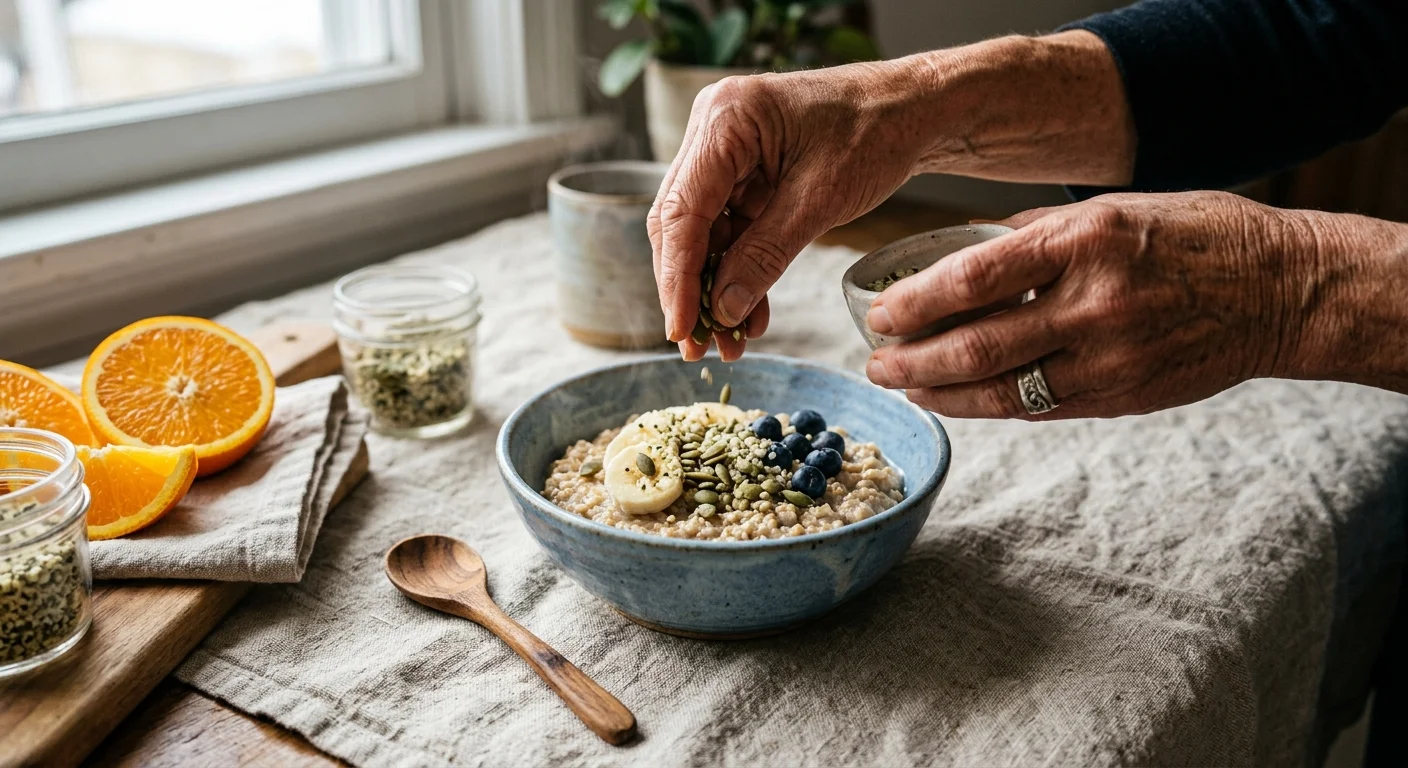
Pumpkin Seeds and Hemp Hearts: For plant-forward options, pumpkin seeds (pepitas) deliver around 2.2 mg of zinc per ounce. Sprinkle them onto morning oatmeal, blend hemp hearts into fruit smoothies, or toss toasted seeds over roasted vegetables.
Legumes and Fortified Grains: Chickpeas, black beans, and lentils provide between 1.5 and 2.5 mg of zinc per cooked cup. Soaking dried beans overnight before cooking reduces phytic acid, a natural compound that binds to zinc and limits its absorption in the gut.
Important Safety Precautions to Keep in Mind
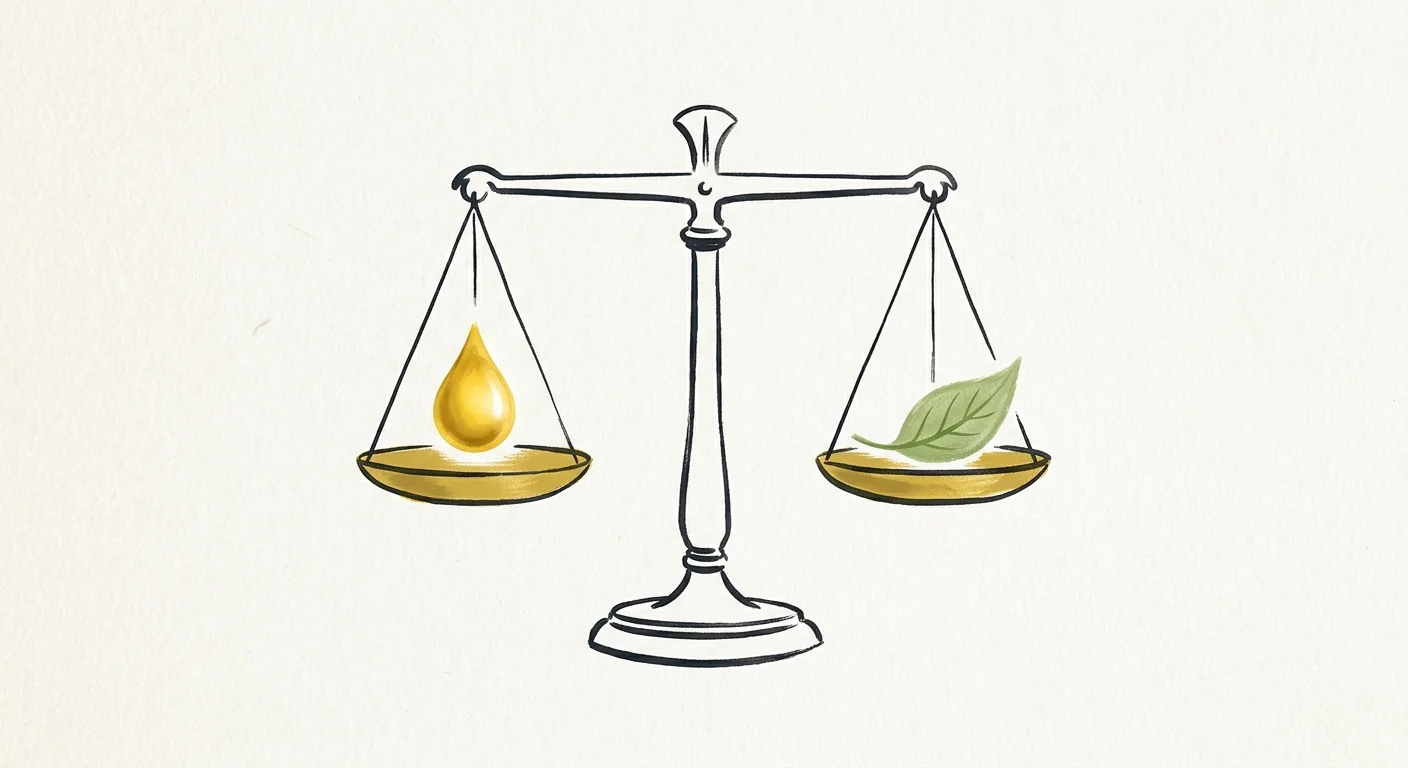
While restoring low zinc levels provides immense health benefits, balance is essential. The National Institutes of Health has established a Tolerable Upper Intake Level (UL) of 40 mg per day of elemental zinc for all adults aged 19 and older. Exceeding this upper threshold over extended periods can create unintended health complications that outweigh the benefits.
Excessive zinc intake primarily threatens your body’s copper balance. High concentrations of zinc stimulate the intestinal production of a binding protein called metallothionein. Metallothionein traps dietary copper inside intestinal cells, preventing it from entering your bloodstream. Over time, severe copper deficiency can trigger microcytic anemia, neurological numbness, balance issues, and a drop in beneficial HDL cholesterol. To prevent this imbalance, high-dose zinc supplements should never be taken long-term without professional medical supervision.
When selecting a zinc supplement under a doctor’s guidance, pay close attention to the specific compound listed on the label. Forms such as zinc picolinate, zinc bisglycinate, and zinc gluconate offer superior gastrointestinal absorption compared to inexpensive zinc oxide. Taking zinc supplements alongside a solid meal prevents the mild stomach upset or nausea that sometimes occurs when taking minerals on an empty stomach.
Be mindful of timing when combining zinc with prescription medications. Zinc binds readily to certain antibiotics—specifically fluoroquinolones (such as ciprofloxacin) and tetracyclines—which severely reduces the absorption of both the medication and the mineral. Always separate zinc intake from antibiotic doses by at least two to four hours. Similarly, avoid taking zinc supplements at the exact same moment as high-dose iron supplements, as these two minerals compete for the same cellular transport pathways in your intestine.

When to Speak with a Healthcare Professional
The information shared in this article serves educational purposes and should never replace personalized medical evaluation, diagnosis, or treatment. Because symptoms of zinc deficiency overlap with numerous other age-related conditions—including thyroid disorders, iron-deficiency anemia, and normal sensory changes—you should always consult your physician before initiating high-dose supplementation.
Schedule a thoughtful conversation with your healthcare provider if you observe any of the following clinical signs:
Non-Healing Wounds: Any skin ulcer, cut, or surgical incision that fails to show meaningful progress after ten to fourteen days warrants immediate medical evaluation to rule out localized infection or vascular complications.
Unexplained, Progressive Weight Loss: Dropping more than 5% of your body weight over a six-month period without trying requires thorough clinical investigation by your doctor.
Severe or Persistent Taste Distortions: Sudden loss of taste or smell should be formally evaluated to rule out neurological conditions, sinus infections, or specific medication side effects.
Chronic Gastrointestinal Distress: Ongoing diarrhea, malabsorption, or inflammatory bowel flare-ups impair your ability to absorb all micronutrients and require dedicated medical care.
When you visit your doctor, request a fasting serum zinc test to obtain an accurate baseline measurement. Bring a comprehensive list of all daily prescription drugs, over-the-counter remedies, and dietary supplements you currently take. Your doctor can review whether medications like diuretics or acid-reducing PPIs are driving down your numbers and help you craft a safe, personalized replenishment strategy.
Frequently Asked Questions
Can I get enough zinc through food alone as an older adult?
Yes, many older adults successfully maintain healthy zinc levels through a varied, whole-food diet that regularly features lean meats, poultry, seafood, eggs, seeds, and legumes. However, if your appetite is small, your stomach acid is low, or you follow a strict vegetarian or vegan diet high in phytic acid, achieving adequate zinc absorption solely through meals can be challenging. In these circumstances, your doctor might recommend a modest, well-tolerated daily supplement to safeguard your nutritional status.
How long does it take to correct a zinc deficiency?
The timeline for recovery depends on your starting serum concentrations and overall digestive health. Many individuals notice improvements in taste perception, skin hydration, and everyday energy within two to four weeks of consistent, appropriate zinc repletion. Structural changes—such as noticeable hair regrowth and complete wound closure—often require eight to twelve weeks of steady nutritional support to show full clinical improvement.
Why do common annual blood panels often miss zinc deficiency in older adults?
Standard routine blood tests, such as complete blood counts (CBC) and comprehensive metabolic panels (CMP), do not include serum zinc measurements unless your physician specifically orders them. Furthermore, less than 1% of your body’s total zinc resides in the bloodstream, with the remainder stored within bone, muscle, and intracellular compartments. Because your body pulls zinc from tissues to keep blood levels stable, mild to moderate cellular deficiencies may exist even when standard blood tests appear borderline normal.
What is the best time of day to take a zinc supplement?
The optimal time to take a zinc supplement is during a mid-day meal or dinner that contains healthy fats and proteins. Consuming zinc with food cushions the stomach lining and minimizes the risk of nausea. Avoid taking your zinc supplement alongside high-phytate grain bowls, dairy-heavy meals rich in calcium, or iron supplements, as these can interfere with mineral absorption in your small intestine.
For authoritative, trustworthy health information, always consult official sources like the National Institute on Aging (NIA) and MedlinePlus from the National Library of Medicine. The CDC also provides excellent resources for older adults.
Disclaimer: This article is for informational purposes only and does not constitute medical advice. Always seek the advice of your physician or other qualified health provider with any questions you may have regarding a medical condition.