
Adjusting when you eat your protein can revitalize your daily energy, preserve your hard-earned muscle, and keep you moving with vibrant independence. While many seniors focus solely on how much protein they eat each day, your body’s ability to utilize these essential nutrients shifts dramatically as you age. Distributing your meals strategically activates cellular muscle rebuilding and protects you against unexpected weakness throughout your retirement years. Recognizing the subtle bodily signals that indicate a mismatch in your meal schedule allows you to fine-tune your routine effortlessly. Discover the key indicators that your current routine needs a simple adjustment to support your lifelong vitality and strength.
Understanding the Basics of Protein Intake Timing for Seniors
Protein provides the indispensable building blocks—known as amino acids—that your body uses to repair tissues, synthesize vital enzymes, and maintain lean muscle mass. As the decades advance, biological changes alter how efficiently your body processes these nutritional resources. Beginning around age 30, adults naturally lose between 3% and 8% of their skeletal muscle mass per decade; after age 50 or 60, this rate of loss often accelerates to 1% to 2% annually. Clinicians refer to this involuntary, age-related decline in muscle mass, strength, and function as sarcopenia. Fortunately, thoughtful nutrition and regular physical movement serve as powerful shields against this gradual loss.
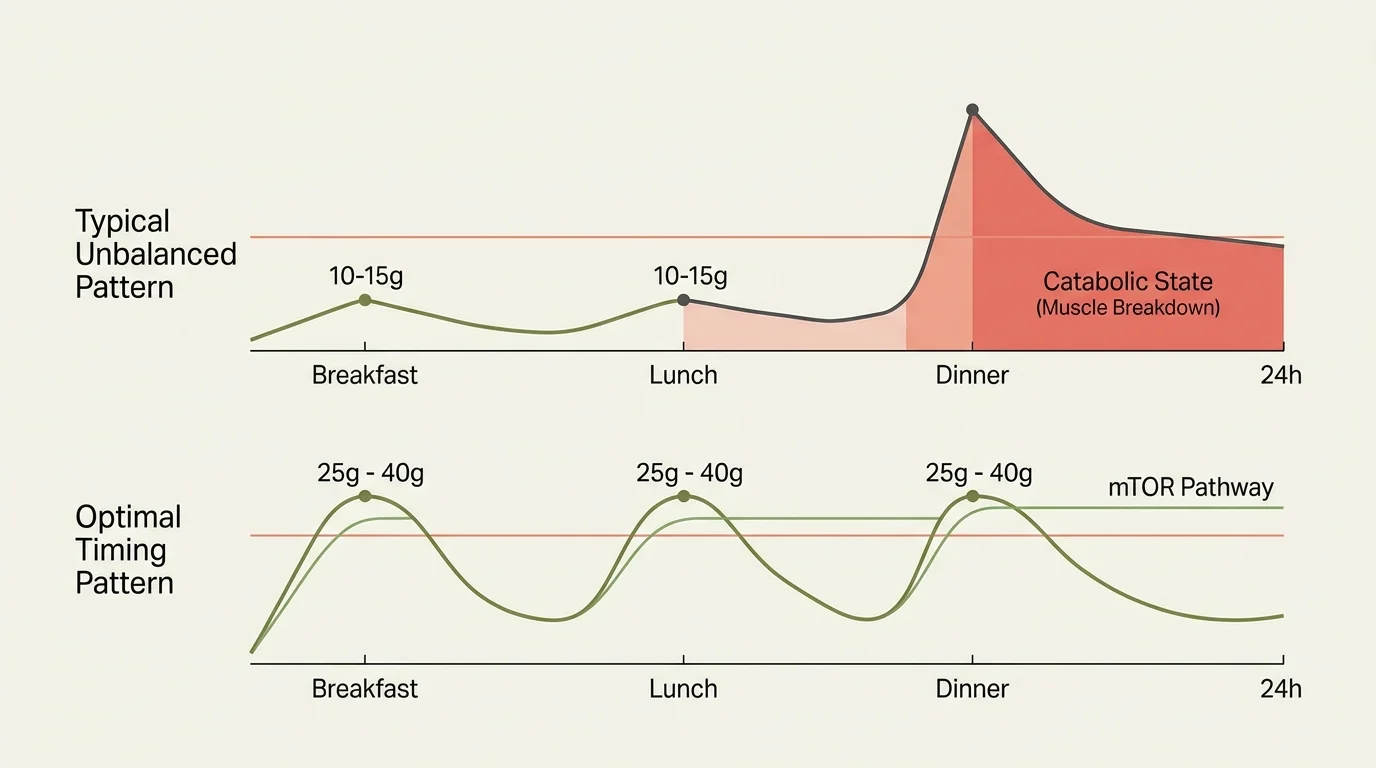
A primary biological reason your schedule matters involves a phenomenon called anabolic resistance. In your younger years, your muscle tissue responded rapidly to modest amounts of dietary amino acids. As you mature, your muscle cells become somewhat resistant to these signals; they require a higher concentration of circulating amino acids to flip the cellular switch for muscle protein synthesis. Research shows that younger individuals can stimulate muscle growth with as little as 20 grams of protein, whereas older adults generally require 25 to 40 grams of high-quality protein in a single sitting to trigger the essential mammalian target of rapamycin (mTOR) pathway.
This biological switch relies heavily on a specific essential amino acid called leucine. To trigger muscle protein synthesis effectively, older adults need roughly 2.5 to 3.0 grams of leucine in a meal. If a meal provides insufficient protein, the leucine concentration remains below this crucial threshold, and your muscles miss out on the signal to rebuild. Consequently, understanding protein timing for older adults becomes just as vital as tallying your total daily grams.
Standard dietary guidelines have long cited the Recommended Dietary Allowance (RDA) of 0.8 grams of protein per kilogram of body weight per day for all adults. However, major clinical organizations—including the PROT-AGE Study Group and the European Society for Clinical Nutrition and Metabolism (ESPEN)—advise higher targets for mature individuals. These international expert panels recommend that healthy adults over 65 consume 1.0 to 1.2 grams of protein per kilogram of body weight each day. For older adults managing acute or chronic conditions, or those engaging in regular exercise routines, the recommended intake rises to 1.2 to 1.5 grams per kilogram daily.
Data from nationwide dietary surveys, including the National Health and Nutrition Examination Survey (NHANES), reveal an intriguing pattern: older adults tend to skew their protein consumption heavily toward the evening meal. Many seniors consume fewer than 10 to 15 grams of protein at breakfast and lunch, followed by a large portion at dinner. This unbalanced distribution leaves the body in a net catabolic, or muscle-breakdown, state for up to 16 to 18 hours each day. Exploring protein absorption and timing helps you correct this imbalance, ensuring your tissues receive consistent nourishment around the clock.

Practical Tips for a Healthier, Happier Life
Listening to your body is one of the most empowering habits you can cultivate. When your meal timing does not align with your physical requirements, your body provides clear signals. Below are eight signs that your meal schedule may need an upgrade, paired with practical, gentle steps you can take today.
1. You Feel Sluggish and Hungry by Mid-Morning
If you start your morning with tea and a slice of dry toast or a bowl of plain oatmeal, you may notice a sudden energy slump or intense hunger before noon. Traditional breakfast fare frequently supplies abundant carbohydrates but falls well short of the 25-gram protein threshold. Without adequate protein to slow digestion and balance blood sugar, insulin spikes and drops rapidly, leaving you fatigued.
To overcome this morning dip, aim for 25 to 30 grams of protein at breakfast. Swap plain toast for two poached eggs paired with a side of Greek yogurt, or stir a scoop of clean whey or plant-based protein powder directly into your morning porridge. This simple shift provides the amino acids needed to halt overnight muscle breakdown while delivering steady, reliable energy for your morning activities.
2. Your Recovery After Walks or Gardening Feels Unusually Slow
Engaging in daily walks, light yoga, or yard work keeps your joints supple and your spirits high. However, if you experience lingering soreness or muscle heaviness for days after moderate physical exertion, your post-activity fueling may need attention. Exercise naturally breaks down muscle fibers; the body requires prompt nutritional reinforcement to repair and strengthen them.
Understanding when to eat protein for muscle makes a profound difference in your physical recovery. Research indicates that consuming high-quality protein within 1 to 2 hours following physical activity takes advantage of increased cellular sensitivity. Enjoying a glass of dairy milk, a cup of cottage cheese, or a handful of edamame after your afternoon stroll accelerates muscle repair and reduces next-day stiffness.
3. You Wake Up Feeling Weak or Physically Depleted
When you sleep for seven to eight hours, your body enters a fasting state. Because your organs and immune system require a constant stream of amino acids, your body draws upon skeletal muscle reserves if no dietary protein is circulating. If you regularly wake up feeling frail or lacking your normal physical stamina, prolonged overnight muscle breakdown may be occurring.
You can protect your muscles overnight by enjoying a small, protein-rich snack roughly 30 to 60 minutes before bed. Clinical studies demonstrate that ingesting 30 to 40 grams of a slow-digesting protein—such as casein found in dairy products—elevates overnight muscle protein synthesis and limits muscle breakdown. Consider enjoying a small bowl of low-sugar cottage cheese or a warm cup of fortified milk before turning out the lights.
4. You Consume Most of Your Protein in a Single Large Dinner
Saving the vast majority of your daily protein for a heavy dinner creates an inefficient nutritional pattern. Your body cannot store excess amino acids from a single 60-gram steak for use the following morning; once your cellular synthetic capacity is saturated, the excess is simply oxidized for energy. Meanwhile, your body spent the previous twelve hours starving for repair materials.
Spreading your intake evenly across three balanced meals—targeting 25 to 35 grams at breakfast, lunch, and dinner—produces significantly higher 24-hour muscle protein synthesis than backloading your protein at night. Try dividing your daily protein evenly: pair scrambled eggs with breakfast, add canned tuna or salmon to your lunchtime salad, and enjoy baked poultry or tofu at dinner.
5. You Experience Persistent Afternoon Sugar Cravings
Reaching for cookies, pastries, or sweet snacks around 3:00 PM often indicates that your midday meal lacked sufficient protein. Protein stimulates the release of satiety hormones like peptide YY and glucagon-like peptide-1 (GLP-1) while suppressing ghrelin, the primary hunger hormone. A low-protein lunch causes blood glucose fluctuations that your brain interprets as an urgent need for quick sugar.
Transform your lunchtime routine by making protein the centerpiece of your plate. Include sliced turkey breast, hard-boiled eggs, lentil soup, or a serving of tempeh alongside your favorite vegetables. By anchoring your lunch with 25 to 30 grams of protein, you stabilize your afternoon glycemic curve and naturally eliminate frustrating sugar cravings.
6. Your Grip Strength or Balance Is Noticeably Declining
Difficulty opening jars, carrying grocery bags, or feeling unsteady on your feet can indicate subtle losses in functional muscle power. When meals contain only 10 to 15 grams of protein, you never cross the critical leucine threshold needed to activate cellular rebuilding machinery. Over time, this chronic sub-threshold intake contributes directly to functional decline.
Focus on incorporating leucine-dense whole foods into every main meal. Excellent sources of leucine include eggs, chicken, Greek yogurt, salmon, beef, and soy products. Ensuring each meal contains at least 2.5 grams of leucine activates the mTOR pathway, helping you preserve your grip strength, maintain balance, and stay confident on your feet.
7. You Suffer from Evening Heartburn or Digestive Heaviness
Consuming large, heavy portions of dense protein late in the evening can overwhelm a mature digestive system. As we age, stomach acid production and digestive enzyme secretion naturally decline; eating a massive portion of meat late at night can lead to acid reflux, indigestion, and interrupted sleep. This discomfort is often a sign of suboptimal protein absorption and timing.
Relieve your digestive system by lightening your evening meal and redistributing those protein grams to breakfast and lunch. Choose lighter, easily digestible proteins for dinner—such as baked white fish, poached eggs, or pureed legume soups—and finish your meal at least two to three hours before bedtime to ensure peaceful digestion and sound sleep.
8. Minor Skin Scrapes and Bruises Take Longer to Clear
Your skin, blood vessels, and immune defenses rely upon a continuous supply of amino acids to regenerate cells, produce collagen, and heal minor injuries. If you notice that small cuts, paper tears, or bruises linger longer than usual, your tissues may lack the steady nutritional flow required for efficient cellular turnover.
Maximizing your protein intake timing benefits your overall systemic healing capacity. Rather than allowing long stretches of time to pass without protein, provide your body with steady nourishment every four to five hours. Consistent protein delivery throughout the day ensures that your immune system and skin tissue have the materials required for rapid cellular recovery.

Important Safety Precautions to Keep in Mind
While optimizing the timing of your meals offers tremendous health rewards, adopting a thoughtful and balanced approach ensures you make changes safely. Always introduce dietary adjustments gradually; sudden, drastic increases in protein density can cause temporary digestive adjustments like mild bloating or changes in bowel habits.
Hydration plays an essential role whenever you adjust your protein intake. Metabolizing amino acids creates byproducts like urea that your kidneys filter and excrete through urine. Make a conscious effort to sip water consistently throughout the day; aim for pale, clear urine to confirm adequate hydration. Keeping a reusable water bottle nearby serves as a gentle visual reminder.
Prioritize nutrient-dense whole foods over heavily processed supplements. While high-quality protein powders provide convenient nutrition when appetite is low, whole foods deliver crucial micronutrients—such as calcium, vitamin D, vitamin B12, and zinc—that support bone density and cognitive health. When selecting commercial protein powders or ready-to-drink shakes, inspect the nutritional label carefully to avoid products laden with excessive added sugars, artificial sweeteners, or unnecessary fillers.
Ensure that your protein sources do not displace other vital dietary components. A healthy plate pairs adequate protein with colorful, fiber-rich vegetables, antioxidant-rich fruits, whole grains, and heart-healthy unsaturated fats. Fiber supports a thriving gut microbiome and aids in the smooth digestion of dietary protein.

When to Speak with a Healthcare Professional
Making informed adjustments to your daily meal schedule can dramatically improve your quality of life, but dietary changes must always complement professional medical guidance. The information presented here serves an educational purpose and should never replace individualized medical advice or clinical evaluation.
Consult your primary care physician, a registered dietitian, or a geriatric specialist before making significant changes to your protein intake, particularly if you experience any of the following circumstances:
First, if you have a history of chronic kidney disease (CKD), impaired renal function, or a reduced glomerular filtration rate (GFR), your medical team must specify your daily protein limits. In certain stages of kidney disease, excessive protein intake can place undue stress on the kidneys, requiring precise clinical monitoring.
Second, reach out to your doctor if you experience rapid, unintentional weight loss, visible muscle wasting, or a persistent lack of appetite. These symptoms may point to underlying health conditions that require comprehensive medical diagnosis and specialized clinical support.
Third, consult a specialist if you manage chronic metabolic conditions like type 1 or type 2 diabetes. Adjusting the timing and macronutrient composition of your meals can influence blood glucose readings and may require corresponding adjustments to your insulin or oral medications.
Fourth, seek guidance if you experience ongoing gastrointestinal symptoms—such as chronic nausea, persistent acid reflux, abdominal pain, or difficulty swallowing (dysphagia). A speech-language pathologist or gastroenterologist can recommend appropriate food textures and safe swallowing techniques.
Frequently Asked Questions
Can older adults absorb more than 30 grams of protein in a single sitting?
Yes, your digestive tract can absorb almost all the protein you consume, regardless of the portion size. However, there is a distinct difference between digestive absorption and muscle protein synthesis utilization. While your gut absorbs the amino acids, your muscles have a per-meal ceiling—typically between 30 and 40 grams in older adults—for stimulating tissue repair. Any excess amino acids beyond this threshold are utilized for whole-body energy or broken down and excreted rather than stimulating additional muscle growth.
What is the best time of day for protein if I walk or exercise in the morning?
The best time of day for protein when you exercise in the morning is during your post-workout breakfast, ideally within 60 to 90 minutes after finishing your activity. Physical exercise sensitizes your muscle fibers to amino acid uptake. Consuming 25 to 35 grams of high-quality protein right after your morning walk or resistance routine maximizes this heightened sensitivity, accelerating tissue recovery and boosting daily energy.
Is it safe for seniors to consume protein right before going to bed?
For most seniors, consuming a modest, protein-dense snack before bedtime is both safe and beneficial. Enjoying 30 to 40 grams of slow-digesting protein—such as cottage cheese, Greek yogurt, or a glass of warm dairy milk—elevates overnight muscle protein synthesis and curtails muscle breakdown during the nighttime fast. However, if you suffer from severe acid reflux, keep the snack light and consume it at least one hour before lying flat.
How can seniors following a plant-based diet achieve proper protein timing?
Seniors enjoying plant-based diets can successfully optimize their protein timing by paying close attention to protein density and leucine content. Plant proteins generally contain lower concentrations of leucine compared to animal proteins. To hit the required 2.5 to 3.0 grams of leucine per meal, aim for slightly larger portions (around 30 to 40 grams of total protein) by combining diverse sources such as tofu, tempeh, edamame, lentils, hemp seeds, and pea protein powders throughout the day.
For authoritative, trustworthy health information, always consult official sources like the National Institute on Aging (NIA) and MedlinePlus from the National Library of Medicine. The CDC also provides excellent resources for older adults.
Disclaimer: This article is for informational purposes only and does not constitute medical advice. Always seek the advice of your physician or other qualified health provider with any questions you may have regarding a medical condition.