
Uncovering the root cause of lingering fatigue, sudden memory lapses, or unexpected weight changes can restore your vitality and peace of mind as you age. Your thyroid gland controls everything from metabolic speed to heart rhythm, yet standard annual checkups frequently overlook subtle hormonal shifts. Because nearly sixty percent of people with thyroid imbalances do not know they have a condition, recognizing specific thyroid panel testing signs helps you advocate for your health. A comprehensive blood test provides crucial clarity when basic screenings fall short. Understanding the subtle clues your body sends allows you to collaborate effectively with your physician and secure the precise testing you deserve.
Understanding the Basics of Thyroid Health for Seniors
The thyroid is a small, butterfly-shaped endocrine gland located at the base of your neck. It produces two primary hormones: thyroxine (T4) and triiodothyronine (T3). These chemical messengers enter your bloodstream to regulate your basal metabolic rate, core body temperature, cardiovascular rhythm, brain function, and neuromuscular coordination. When your thyroid functions smoothly, your cells produce energy efficiently; when it slows down or accelerates unexpectedly, nearly every biological system in your body feels the strain.
Thyroid disorders become significantly more common as we get older. Clinical data indicates that between 10% and 15% of adults aged 65 and older live with subclinical or overt hypothyroidism, with women experiencing the highest rates. Unfortunately, thyroid conditions in older adults are notoriously difficult to spot. Up to 60% of older adults with thyroid dysfunction remain undiagnosed because symptoms like sluggishness, dry skin, and muscle stiffness easily masquerade as ordinary aging.
Routine medical evaluations typically rely on a basic screening test: Thyroid-Stimulating Hormone (TSH) with reflex to Free T4. In this standard setup, the laboratory only measures your Free T4 if your TSH falls outside the normal laboratory reference range. However, standard adult TSH reference ranges (roughly 0.4 to 4.0 or 4.5 mIU/L) do not account for natural physiological shifts. Clinical guidelines from the American Thyroid Association confirm that baseline TSH levels naturally rise as we grow older, often settling between 4.0 and 6.0 mIU/L or higher for individuals in their 70s and 80s. A simple reflex test can misinterpret these natural age shifts or miss conversion problems entirely.
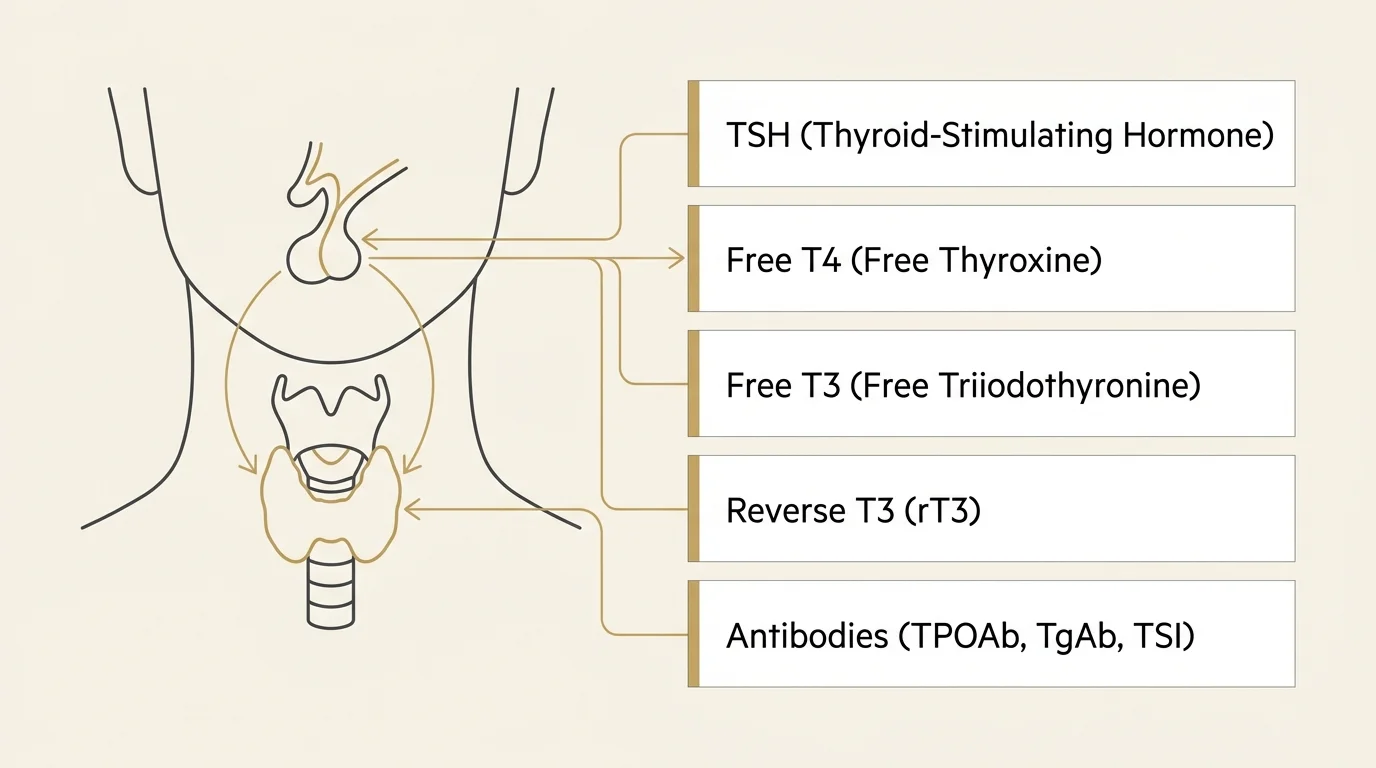
A comprehensive thyroid testing guide evaluates several biomarkers simultaneously to build a complete biological picture:
TSH (Thyroid-Stimulating Hormone): The pituitary hormone that signals your thyroid gland to produce hormones.
Free T4 (Free Thyroxine): The circulating, unbound storage hormone produced directly by your thyroid.
Free T3 (Free Triiodothyronine): The active metabolic hormone converted from T4 in your liver, kidneys, and peripheral tissues.
Reverse T3 (rT3): An inactive form of T3 produced during periods of chronic illness, emotional stress, or systemic inflammation.
Thyroid Peroxidase Antibodies (TPOAb) and Thyroglobulin Antibodies (TgAb): Crucial markers that detect Hashimoto’s thyroiditis, the primary autoimmune cause of an underactive thyroid.
Thyroid-Stimulating Immunoglobulins (TSI / TRAb): Key antibodies that identify Graves’ disease, the leading autoimmune driver of an overactive thyroid.

Practical Tips for a Healthier, Happier Life
Because the U.S. Preventive Services Task Force maintains an “I” statement (insufficient evidence) regarding universal, routine thyroid screening in non-pregnant adults without symptoms, primary care doctors rarely order extensive panels automatically. Learning when to ask for full thyroid workup empowers you to seek timely care. If you notice one or more of the following nine health changes, consider discussing a comprehensive panel with your provider.
1. Unshakable Fatigue and Apathetic Lethargy
Chronic physical exhaustion that persists after a full night of restful sleep represents one of the primary signs you need thyroid bloodwork. While an underactive thyroid slows down cellular energy generation and leaves you feeling physically drained, an overactive thyroid in older adults can produce a unique condition called apathetic thyrotoxicosis. Unlike younger adults who develop classic anxiety, restlessness, and hand tremors from excess thyroid hormones, seniors frequently present with profound emotional apathy, muscle weakness, and severe lethargy. A complete blood test that checks both Free T4 and Free T3 helps differentiate between cellular sluggishness and apathetic hyperthyroidism.
2. Unexplained Weight Fluctuations
Unexpected shifts on the bathroom scale warrant a closer look when your dietary habits and physical activity levels have not changed. An underactive thyroid reduces your resting metabolic rate; your body burns fewer calories, causing stubborn weight gain or fluid retention. Conversely, unintentional weight loss—particularly the loss of lean muscle mass in your legs and arms—can signal an overactive thyroid burning through caloric reserves too quickly. Measuring active Free T3 levels reveals how efficiently your tissues process metabolic fuel.
3. Sudden Brain Fog and Cognitive Slowdown
Many older adults worry that forgetfulness, difficulty concentrating, or slower processing speeds indicate irreversible cognitive decline. However, severe thyroid hormone deficiencies frequently trigger a reversible condition known as pseudodementia. Thyroid receptors saturate the hippocampus and cerebral cortex; when hormone levels plummet, neurotransmitter signaling slows down. Checking thyroid antibodies alongside free hormone levels ensures you do not mistake a treatable endocrine imbalance for permanent memory impairment.
4. Stubborn Increases in Cholesterol Levels
If your routine lipid panel shows a sudden surge in total cholesterol or low-density lipoprotein (LDL) cholesterol despite eating a wholesome, balanced diet, your thyroid could be the hidden culprit. Thyroid hormones stimulate LDL receptors in the liver, which clear circulating cholesterol from your bloodstream. When thyroid output drops, your liver clears LDL particles much more slowly, leading to elevated lipid numbers that resist dietary modifications. A complete thyroid workup helps clarify whether an underactive thyroid is driving your cardiovascular markers upward.
5. Heart Palpitations and Irregular Rhythms
Thyroid hormones exert a profound influence on your cardiovascular system, regulating your heart’s resting rate, arterial stiffness, and muscle contractions. Low thyroid hormone levels can cause a sluggish resting pulse (bradycardia) and elevated diastolic blood pressure. Excess thyroid hormones can trigger sudden heart fluttering, skipped beats, or atrial fibrillation (AFib)—a serious arrhythmia that significantly raises the risk of stroke in older adults. If you experience an irregular heartbeat, your physician should evaluate your thyroid parameters alongside an electrocardiogram.
6. New Mood Changes, Apathy, or Late-Onset Depression
Your emotional well-being relies on a steady balance of endocrine signals. Thyroid imbalances alter serotonin, dopamine, and norepinephrine activity in your brain. Hypothyroidism frequently mimics treatment-resistant clinical depression, bringing feelings of sadness, low motivation, and social withdrawal. Mild hyperthyroidism can present as uncharacteristic internal tension, agitation, or sleep disturbances. Evaluating a full panel ensures that mood changes receive targeted, biological support rather than standard psychiatric medications alone.
7. Persistent Cold Sensitivity or Sudden Heat Intolerance
Your thyroid operates as your body’s internal thermostat by governing thermogenesis in brown adipose tissue and skeletal muscle. If you find yourself wearing heavy sweaters indoors while others feel comfortable, your cells may lack the active T3 needed to generate heat. On the other hand, sudden hot flashes, excessive perspiration during gentle movement, or heat intolerance can indicate an overactive thyroid gland. Tracking your temperature sensitivity provides valuable clinical context for your physician.
8. Accelerated Bone Loss and Aching Joints
Bone remodeling relies on a delicate hormonal equilibrium. Excess circulating thyroid hormone—whether from an overactive gland or an over-prescribed thyroid medication dose—accelerates bone resorption, leaching calcium from your skeletal frame faster than osteoblasts can replace it. This process increases your risk of osteopenia and fractures. Furthermore, chronic hypothyroidism promotes fluid accumulation in joint cavities, causing generalized stiffness, swelling, and carpal tunnel symptoms that many seniors write off as ordinary arthritis.
9. Chronic Digestive Sluggishness
The smooth muscles lining your gastrointestinal tract depend on active thyroid hormones to maintain peristalsis—the wave-like contractions that move food through your intestines. A reduction in thyroid hormone output leads to delayed gastric emptying and chronic constipation that fails to respond to increased water and dietary fiber. Measuring both Free T4 and Free T3 helps identify whether poor hormone conversion is slowing down your digestive health.
Practical Action Steps for Your Daily Routine
To take charge of your endocrine health, integrate these simple, proactive habits into your everyday wellness plan:
Maintain a Symptom Diary: Write down daily patterns regarding your energy levels, bowel habits, cold sensitivity, and sleep quality for two weeks. Concrete notes give your doctor objective data during your consultation.
Emphasize Nutrient-Dense Whole Foods: Support natural hormone synthesis by enjoying foods rich in selenium (such as Brazil nuts and sunflower seeds), zinc (found in pumpkin seeds and lean poultry), and clean dietary protein.
Practice Gentle Daily Movement: Regular low-impact exercises like walking, swimming, and gentle yoga support cellular insulin sensitivity and stimulate peripheral hormone conversion without overtaxing your adrenal glands.
Important Safety Precautions to Keep in Mind
When investigating your thyroid health, navigating laboratory testing and supplements requires careful attention to safety. Several common over-the-counter wellness products can skew your blood test results or complicate thyroid conditions:
Biotin (Vitamin B7) Interference: High-dose biotin, frequently found in hair, skin, and nail supplements or multivitamins, significantly interferes with the immunoassays used by clinical laboratories. Biotin supplementation can falsely elevate Free T4 and Free T3 levels while falsely lowering TSH, creating an artificial picture of hyperthyroidism. To ensure accurate results, stop taking all biotin-containing supplements at least 48 to 72 hours before your blood draw.
Avoid Over-the-Counter Thyroid Glandulars: Dietary supplements labeled as “thyroid support” or containing desiccated bovine glandular tissue often contain erratic, unlisted quantities of active thyroid hormones. Taking these unregulated products can provoke drug-induced thyrotoxicosis, trigger dangerous arrhythmias, or cause autoimmune flare-ups. Always obtain thyroid hormone replacement through an official prescription supervised by your healthcare provider.
Exercise Caution with High-Dose Iodine: While your body requires trace amounts of iodine to synthesize thyroid hormones, consuming excessive iodine via kelp tablets or high-dose drops can be hazardous. In individuals with underlying autoimmune thyroiditis, large doses of iodine can shut down hormone production (the Wolff-Chaikoff effect) or induce severe hyperthyroidism (the Jöd-Basedow phenomenon).
Separate Medication from Minerals: If your doctor prescribes levothyroxine or another thyroid medication, take it on an empty stomach with a full glass of water. Wait at least four hours before taking calcium supplements, iron tablets, or antacids, as these minerals bind to thyroid medication in your gut and prevent proper absorption.

When to Speak with a Healthcare Professional
Evaluating thyroid symptoms always requires direct collaboration with a qualified physician or endocrinologist. You should schedule an appointment promptly if you experience rapid heart fluttering, sudden unexplainable weight changes, persistent muscle weakness, or a visible swelling or lump at the base of your neck.
Medicare Part B covers diagnostic thyroid blood tests—including TSH, Free T4, and Free T3—when your healthcare provider documents medical necessity based on specific symptoms like chronic fatigue, dyslipidemia, or cardiac arrhythmias. Universal routine screening without symptoms is generally not covered. If your doctor prefers to run a broader antibody panel or if you choose to explore direct-to-consumer testing through CLIA-certified laboratories, out-of-pocket comprehensive panels typically range from $45 to $150.
When speaking with your doctor, share your symptom log and ask directly for thyroid function test recommendations that look beyond a basic reflex screening. Asking, “Could we evaluate my Free T3, Free T4, and thyroid antibodies to get a complete metabolic picture?” opens the door to a thoughtful, thorough diagnostic conversation.
For authoritative, trustworthy health information, always consult official sources like the National Institute on Aging (NIA) and MedlinePlus from the National Library of Medicine. The CDC also provides excellent resources for older adults.
Frequently Asked Questions
Why does my doctor only check my TSH during my annual wellness visit?
Most primary care providers follow standard screening protocols that utilize TSH with reflex testing to keep medical costs low and avoid over-testing asymptomatic patients. Because the U.S. Preventive Services Task Force finds insufficient evidence for universal screening in symptom-free adults, doctors reserve broader panels for patients who specifically report symptoms like unexplained weight changes, chronic fatigue, or mood shifts.
What is the difference between Free T4 and Free T3?
Free T4 is the primary storage hormone produced by your thyroid gland. Your body must convert Free T4 into Free T3 by removing an iodine atom in the liver, kidneys, and peripheral tissues. Free T3 is the biologically active hormone that enters your cells to regulate metabolic rate and energy production. Testing both markers confirms whether your body converts storage hormones into active fuel effectively.
How does aging change normal TSH laboratory reference ranges?
As the human body ages, serum TSH levels naturally drift upward. While standard laboratory ranges typically cap normal TSH at 4.0 to 4.5 mIU/L, clinical research shows that healthy adults in their 70s and 80s often have normal baseline TSH levels between 4.0 and 6.0 mIU/L without having thyroid disease. A full panel measuring Free T4 and Free T3 prevents misdiagnosing normal healthy aging as thyroid failure.
Does Medicare cover comprehensive thyroid antibody testing?
Yes, Medicare Part B covers diagnostic thyroid panels and antibody tests when ordered by a participating provider to investigate documented medical symptoms, evaluate abnormal physical findings, or monitor established thyroid conditions. Routine screenings performed without documented symptoms are generally not covered by Medicare.
Disclaimer: This article is for informational purposes only and does not constitute medical advice. Always seek the advice of your physician or other qualified health provider with any questions you may have regarding a medical condition.