
Preparing for a medical appointment often feels rushed, making it difficult to remember every nuance of physical discomfort you experienced over the past month. Keeping a health symptom log bridges the communication gap between you and your healthcare team, transforming vague recollections into clear, actionable clinical data. When you record specific times, triggers, and severity levels, you give your physician the exact tools needed to detect subtle patterns and make accurate diagnoses. Whether you manage chronic joint pain, digestive changes, or fluctuating blood pressure, maintaining a structured journal empowers you to take control of your well-being while optimizing every minute spent in the exam room.
Understanding the Basics of Symptom Diaries for Seniors
A symptom diary is a structured, written record of your daily physical sensations, energy levels, and health changes over time. Rather than relying on memory during a short clinic visit, you write down exact observations when they happen. This simple habit creates a factual timeline of your health, making your doctor visits far more productive and meaningful.
The standard primary care appointment lasts between 15 and 20 minutes; during that brief period, your physician must review your medical history, evaluate your current condition, and decide on a treatment plan. Trying to recall precise details—such as whether a headache occurred before or after breakfast, or if joint stiffness lasted 20 minutes or two hours—puts unnecessary stress on you. Tracking symptoms for diagnosis provides concrete evidence that eliminates guesswork, allowing your medical provider to focus on solution-oriented care.
As we age, our bodies undergo complex changes, and many older adults manage more than one chronic health issue simultaneously. Symptoms from one condition often overlap with another, complicating the diagnostic process. For instance, mild dizziness could stem from blood pressure fluctuations, medication side effects, dehydration, or an inner ear imbalance. A detailed diary clarifies these subtle distinctions by recording exact context, timing, and accompanying factors.
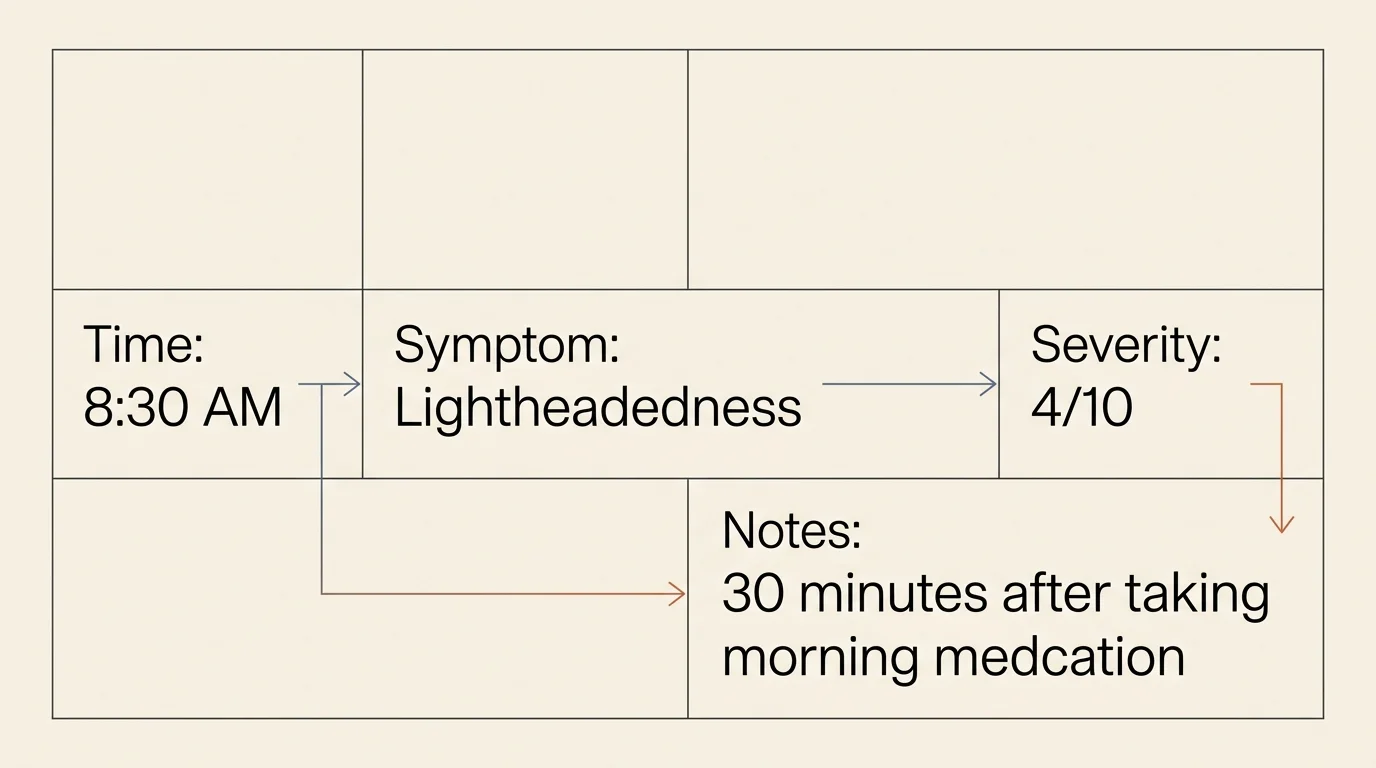
By shifting from vague descriptions like “I have been feeling off lately” to precise statements like “I experienced lightheadedness four times last week, always 30 minutes after taking my morning medication,” you alter the dynamic of your healthcare. You become an active partner in your care journey, supplying reliable observations that help your clinical team make safer, more accurate health decisions.
9 Signs a Symptom Diary Would Help Your Doctor Help You
Recognizing when to start logging your symptoms can dramatically improve your healthcare outcomes. If you experience any of the following nine situations, starting a symptom journal will offer immediate benefits during your next medical evaluation.
1. Your Symptoms Come and Go Unpredictably
Intermittent health issues are notoriously tricky to identify because they rarely happen while you sit in the doctor’s examination room. You might experience sudden bouts of fatigue, sporadic heart palpitations, or occasional digestive distress that vanish before you can schedule an appointment. Keeping a health symptom log preserves those fleeting moments in detail. When you present a consistent tracking record, your physician gains insight into episodes they could not observe in person, helping them determine whether your symptoms follow a specific daily or weekly cycle.
2. You Are Managing Multiple Chronic Health Conditions
Living with conditions such as osteoarthritis, type 2 diabetes, or high blood pressure requires careful balance. Symptoms caused by one condition can easily mask or confuse symptoms caused by another; for instance, leg discomfort could arise from poor circulation, nerve irritation, or joint inflammation. A symptom diary allows your doctor to map out distinct physical patterns, separating unrelated complaints and ensuring that each condition receives appropriate, targeted treatment.
3. You Recently Started or Changed a Medication
Adjusting prescription dosages or starting a new medication often introduces unexpected bodily reactions. It can prove difficult to distinguish between a temporary side effect of a new drug and the progression of an underlying health condition. Documenting exact times when you take your medication alongside any subsequent physical reactions shows direct cause-and-effect relationships; understanding how a symptom journal helps your doctor allows your provider to adjust dosages or switch medications quickly if adverse reactions occur.
4. Your Doctor Keeps Asking Questions You Cannot Answer
During past medical visits, has your doctor asked specific questions like “How many days per week does this pain wake you up?” or “Does the discomfort worsen after physical exertion?” If you find yourself responding with “I am not quite sure” or “It happens every now and then,” your doctor lacks the specific details needed to move forward. The symptom diary benefits for doctor visits become obvious when you open your journal and offer precise numerical data and dates, turning uncertainty into immediate clinical clarity.
5. You Suspect Specific Daily Triggers Are Causing Flare-Ups
Environmental factors, dietary choices, weather changes, and stress levels heavily influence health flare-ups. You might suspect that your joint pain worsens before a rainstorm or that your stomach upsets align with specific meals, but proving those suspicions requires steady observation. Recording your meals, activities, weather conditions, and emotional state alongside your physical symptoms helps your physician identify true triggers, allowing you to make sensible lifestyle adjustments rather than unnecessary medication changes.
6. Your Energy Levels or Sleep Patterns Fluctuate Dramatically
Unexplained fatigue and erratic sleep patterns rank among the most common reasons seniors visit their primary care providers. However, fatigue remains a broad symptom with dozens of potential causes, including thyroid imbalances, sleep apnea, anemia, or mood changes. A daily log tracking sleep duration, nighttime awakenings, afternoon energy slumps, and caffeine consumption gives your physician the context required to order the right diagnostic blood work or sleep studies.
7. Your Pain Levels Shift Location or Severity Throughout the Day
Pain rarely remains completely static throughout a 24-hour period; it throbs, eases, burns, or shifts depending on movement and rest. Tracking pain intensity on a simple 1-to-10 scale throughout the morning, afternoon, and evening reveals crucial diagnostic clues. For example, morning stiffness that improves after moving suggests inflammatory arthritis, whereas pain that escalates after walking points toward mechanical wear and tear. This level of detail helps your care team prescribe therapies timed to your daily peak pain periods.
8. You Feel Anxious or Overwhelmed Before Appointments
Medical appointments can feel stressful, causing many older adults to experience “white coat anxiety” or simple memory freeze. When you sit on the examination table, the stress of the moment can cause you to forget key questions or downplay physical discomfort you felt earlier in the month. Carrying a structured notebook acts as a reliable reference guide, keeping the conversation grounded, calm, and productive regardless of appointment stress.
9. Previous Treatments Have Not Provided Lasting Relief
If initial treatment plans, physical therapies, or medications failed to alleviate your symptoms, your doctor needs comprehensive feedback to reconsider the original diagnosis. Bringing weeks of systematic entries helps your physician re-evaluate their clinical approach. Detailed data points allow specialists to rule out ineffective treatments, refine their diagnosis, and discover underlying causes that were not apparent during earlier visits.

Practical Tips for a Healthier, Happier Life
Starting and keeping a health symptom log should feel empowering rather than burdensome. Applying a few simple strategies ensures that your logging routine remains easy, efficient, and valuable for both you and your healthcare team.
First, establish a simple, standardized format for every entry. You do not need to write long, complicated paragraphs; brief, clear notes work best. Effective symptom tracking tips for patients include recording these key details for each occurrence:
Date and exact time: Note when the symptom started and how long it lasted.
Severity score: Rate the intensity on a scale from 1 (mild) to 10 (severe).
Symptom description: Use clear descriptors such as sharp, dull ache, throbbing, burning, or tingling.
Potential triggers: Note recent meals, physical activities, emotional stress, or missed sleep.
Relief attempts: Record what you did to help, such as resting, applying ice, or taking over-the-counter relief, and whether it helped.
Second, choose a journal medium that fits your daily routine comfortably. Many seniors prefer a small paper notebook kept on a nightstand or kitchen counter, while others prefer using smartphone notes or specialized mobile applications. The best system is simply the one you enjoy using consistently. If writing by hand becomes difficult due to arthritis, consider using voice notes on a smartphone or tablet to capture your thoughts easily.
Third, organize your entries before your appointment. Medical providers cannot read through pages of handwritten notes during a short visit. Create a brief, one-page summary cover sheet highlighting overall patterns, such as “Over the last 30 days, I experienced severe knee pain on 12 days, mostly after walking down stairs.” Handing this concise summary to your doctor alongside your journal makes their review effortless and thorough.
Important Safety Precautions to Keep in Mind
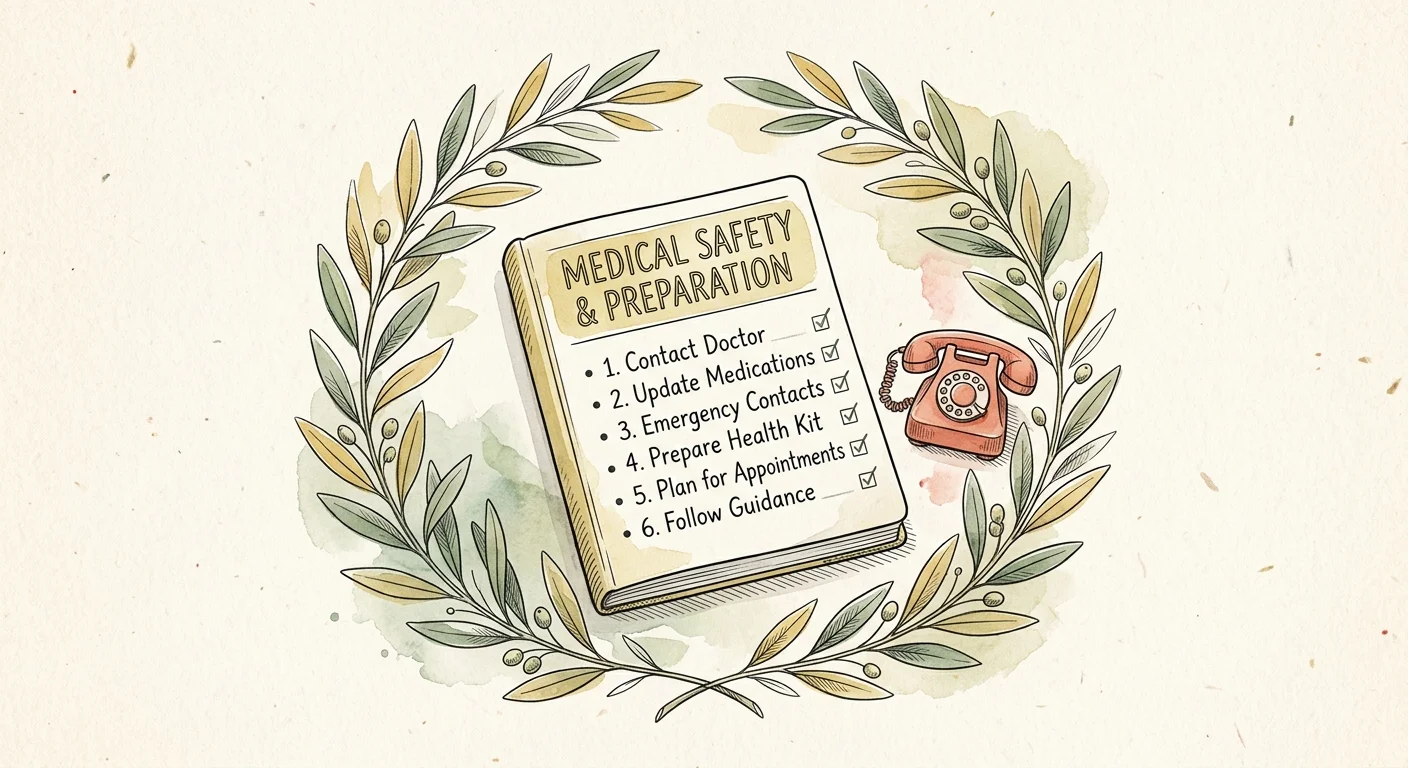
While maintaining a symptom journal offers substantial long-term benefits, you must never allow tracking habits to delay emergency medical attention. A health log serves as an observational tool for routine and diagnostic care, not a replacement for immediate emergency medicine.
Certain red-flag symptoms demand emergency care regardless of what your symptom log shows. Seek immediate emergency medical assistance if you experience any of the following symptoms:
Sudden chest pressure, tightness, or pain radiating to your arm, neck, or jaw
Sudden numbness, weakness, or drooping on one side of your face or body
Sudden severe shortness of breath or difficulty breathing
Sudden, severe headache accompanied by dizziness or confusion
Sudden loss of vision or severe speech difficulty
Additionally, avoid using your symptom log to self-diagnose health conditions or self-adjust prescription dosages without explicit medical direction. Even if you notice clear trends in your entries—such as blood pressure dropping after taking medication—always consult your physician before changing how or when you take prescribed drugs. Finally, keep your paper journals or digital devices stored securely to protect your sensitive personal health information.

When to Speak with a Healthcare Professional
You should contact your primary care provider whenever you observe persistent, unexplained physical changes or when existing symptoms gradually worsen over time. Bring your symptom diary whenever you visit a medical professional for a routine physical checkup, a specialist consultation, or a follow-up after starting a new treatment.
Schedule an appointment promptly if your recorded log shows symptoms that persist for more than two consecutive weeks, interfere with daily activities such as bathing, cooking, or walking, or fail to respond to previously prescribed therapies. Your doctor welcomes organized health tracking because it provides the evidence needed to customize your medical care, perform appropriate diagnostic tests, and restore your comfort and peace of mind.
Frequently Asked Questions
How long should I keep a symptom diary before showing it to my doctor?
Tracking your symptoms for two to four consecutive weeks usually offers enough data to reveal meaningful health trends and patterns. However, if your symptoms are severe, sudden, or rapidly worsening, do not wait four weeks; schedule an appointment immediately and bring whatever initial entries you have recorded.
Should I write down every single minor physical sensation I feel?
Focusing on target symptoms keeps tracking simple and manageable. Concentrate on two or three specific health issues that concern you most, such as joint pain, headaches, or digestive discomfort, rather than documenting every minor, fleeting itch or mild sensation throughout the day.
What should I do if my doctor seems too busy to look at my symptom diary?
Hand your physician a brief, one-page summary sheet at the start of your consultation rather than the entire diary. Say, “I tracked my symptoms over the past month and summarized the main patterns here to help save us time today.” Most healthcare providers appreciate concise summaries and will review them quickly or add them directly to your electronic medical record.
Is a paper notebook better than a digital symptom tracking application for seniors?
Neither medium is inherently better; the right choice depends entirely on your comfort level. Paper notebooks are straightforward, require no battery charges or technical updates, and can be handed directly to your physician during an exam. Digital applications offer automated reminders and search features. Choose whichever method feels easiest and most natural for you to maintain every day.
For authoritative, trustworthy health information, always consult official sources like the National Institute on Aging (NIA) and MedlinePlus from the National Library of Medicine. The CDC also provides excellent resources for older adults.
Disclaimer: This article is for informational purposes only and does not constitute medical advice. Always seek the advice of your physician or other qualified health provider with any questions you may have regarding a medical condition.