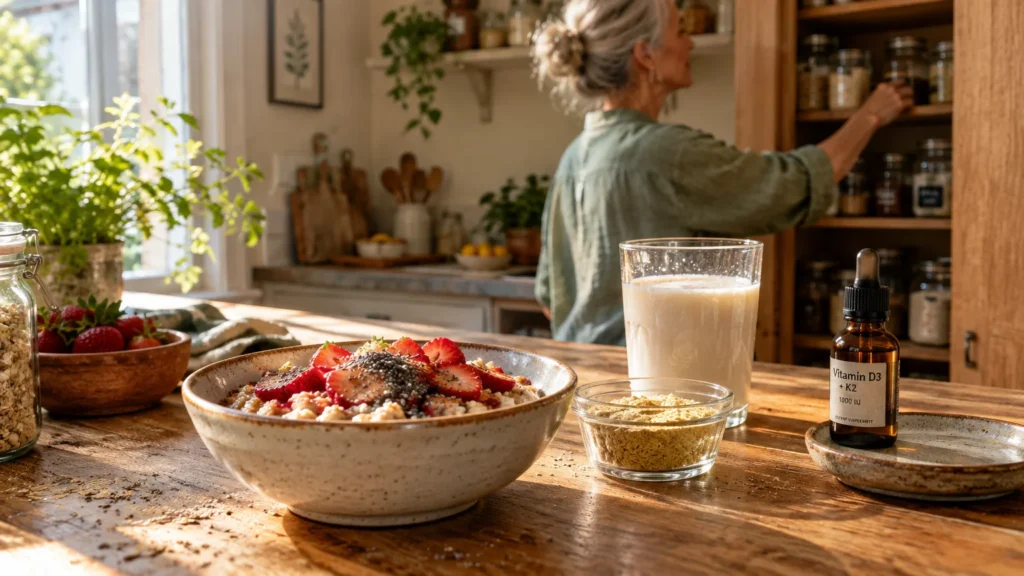
Revitalizing your digestive system can be as simple as opening your kitchen pantry and reaching for time-tested aromatic ingredients. As you age, natural shifts in stomach acid production, muscle tone, and digestive enzyme activity often lead to uncomfortable sluggishness, gas, and fullness after meals. Incorporating specific culinary spices into your daily diet offers a gentle, delicious way to stimulate digestive enzymes, soothe irritation, and ease bloating without relying solely on over-the-counter remedies. By learning how key spices that aid digestion interact with your gastrointestinal tract, you can enjoy rich, flavor-filled meals while naturally nurturing your gut comfort and overall vitality every day.

Understanding the Basics of Digestive Health for Seniors
Digestive comfort plays a foundational role in your overall health, energy, and well-being, especially as your body undergoes natural physiological shifts past the age of 55. Over time, your stomach naturally produces lower levels of hydrochloric acid, a condition known medically as hypochlorhydria. This reduction in stomach acid slows down the initial breakdown of proteins and reduces your body’s ability to absorb essential micro-nutrients like vitamin B12, calcium, and magnesium. Furthermore, the smooth muscle contractions that move food through your intestinal tract, known as peristalsis, tend to lose speed as you age. This delayed motility causes food to sit longer in the gastrointestinal tract, frequently leading to bothersome trapped gas, heavy post-meal fullness, and irregular bowel movements.
Your digestive tract relies on a carefully coordinated cascade of organ secretions to process the food you eat. From the moment you taste a meal, your salivary glands release specialized enzymes like amylase to begin breaking down carbohydrates. Further along, your liver manufactures bile to emulsify fats, while your pancreas secretes specialized enzymes to finalize protein and nutrient absorption. When any stage of this delicate mechanism slows down, natural digestion boosting spices step in as effective natural catalysts. The active volatile oils and aromatic phytonutrients contained in these spices interact with sensory receptors on your tongue and stomach lining, signaling your gastrointestinal system to increase its secretion of crucial digestive juices.
Relying on aromatic digestive health spices also provides a fantastic, heart-healthy alternative to heavy salt usage. Many older adults notice a gradual decline in their taste bud sensitivity, which can lead to oversalting foods to achieve a satisfying flavor. Excessive sodium intake increases fluid retention and elevates blood pressure, placing unnecessary stress on your cardiovascular system. Utilizing therapeutic culinary spices allows you to create deeply satisfying, flavorful meals without adding extra sodium. At the same time, these best spices for gut health deliver potent antioxidant and anti-inflammatory compounds directly to your intestinal mucosa, helping to soothe localized irritation and build a resilient gut environment.
Practical Tips for a Healthier, Happier Life
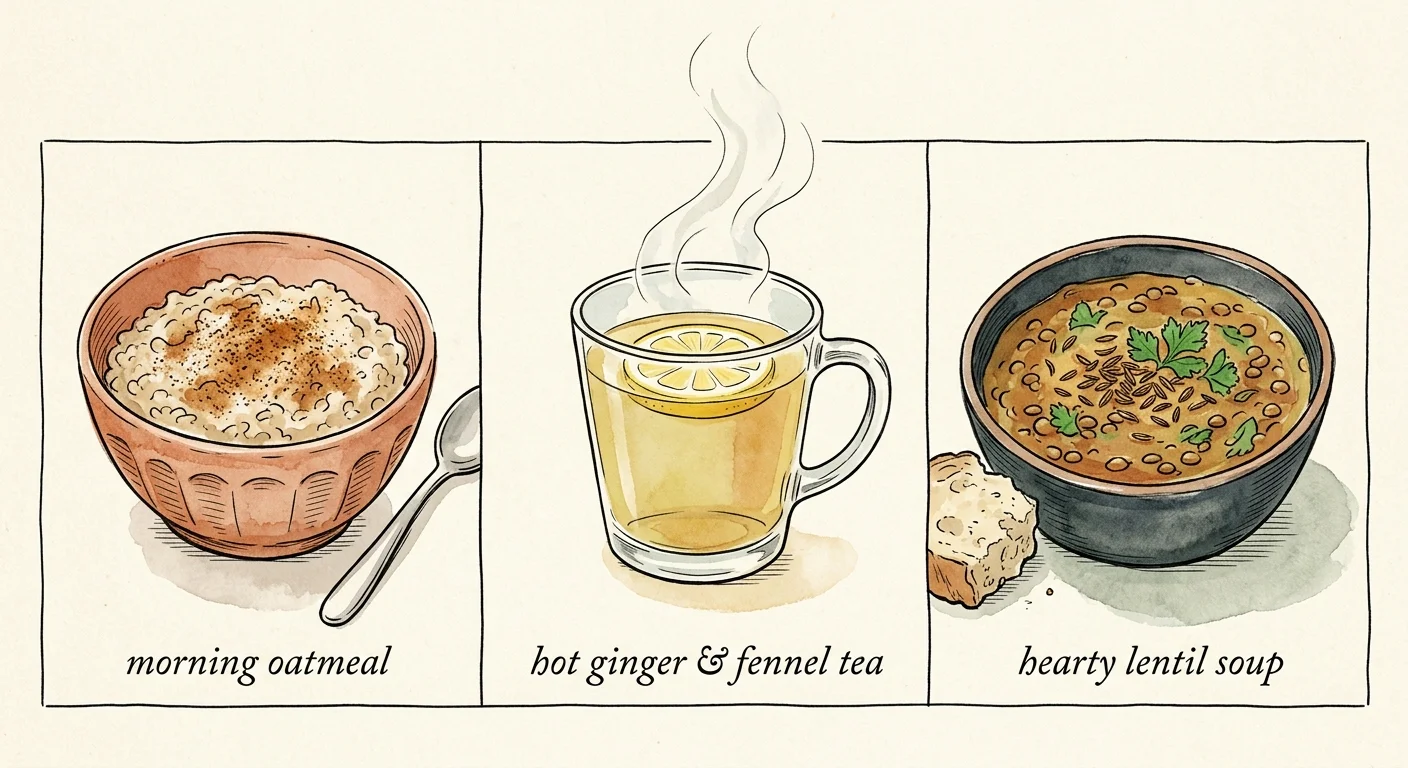
Bringing therapeutic spices into your daily cooking routine does not require elaborate culinary skills or drastic diet overhauls. Small, deliberate additions to your morning oatmeal, afternoon tea, or evening soup can yield immediate and long-lasting benefits for your gut comfort. Below are eight powerful spices that reduce bloating and aid digestion, complete with the physiological reasons behind their effectiveness and simple ways you can use them today.
1. Fresh and Ground Ginger
Ginger is widely recognized as one of the most effective and thoroughly researched spices that aid digestion available in your kitchen. The therapeutic power of ginger root stems from its high concentration of bioactive phenolic compounds, particularly gingerols and shogaols. These active molecules stimulate your stomach muscles to accelerate gastric emptying, which is the speed at which food leaves your stomach and enters the small intestine. Clinical trials show that ginger can speed up stomach emptying by 20 to 30 percent, preventing food from lingering long enough to cause acid reflux, upper stomach heaviness, or nausea.
To enjoy the benefits of ginger, steep a few thin slices of fresh ginger root in boiling water for eight to ten minutes to create a warm, comforting post-meal tea. You can also grate fresh ginger root into vegetable soups, stir-fries, and baked fruit dishes. If fresh ginger root is unavailable, a simple quarter teaspoon of ground ginger stirred into warm water with a squeeze of fresh lemon juice offers an easy, stomach-soothing tonic after dinner.
2. Fennel Seeds
If you regularly suffer from lower abdominal tightness, pressure, or trapped gas after eating, fennel seeds are among the absolute best spices for gut health you can keep in your pantry. Fennel seeds contain a rich mixture of essential volatile oils, including anethole, fenchone, and estragole. Anethole functions as a powerful natural antispasmodic, relaxing the smooth muscle tissue lining your stomach and bowel walls. When your intestinal walls relax, trapped pockets of air move through your system smoothly rather than causing painful cramps or distension.
A simple traditional technique is to keep a small jar of whole organic fennel seeds on your kitchen table and gently chew a quarter teaspoon of whole seeds immediately following heavy meals. Chewing releases the fragrant essential oils into your saliva, launching digestive support before the seeds reach your stomach. Alternatively, lightly crush a teaspoon of fennel seeds with the back of a spoon and steep them in hot water for ten minutes to brew a sweet, licorice-flavored herbal tea.
3. Peppermint
Peppermint leaf has served as a reliable remedy for digestive discomfort for centuries, renowned for its ability to calm irritable digestive tracts and alleviate gas. The chief active ingredient in peppermint is menthol oil, which acts as a natural calcium channel blocker within the smooth muscle cells of your intestine. By modulating calcium movement, menthol prevents hyperactive muscle spasms, easing sharp intestinal pain, cramping, and bloating associated with sluggish digestion.
Enjoying peppermint tea roughly thirty minutes after a meal encourages smooth gastrointestinal transit and relaxes tight abdominal muscles. However, if you suffer from severe acid reflux or gastroesophageal reflux disease (GERD), use peppermint with mindfulness. Menthol can relax the lower esophageal sphincter, which may allow stomach acid to travel upward into the esophagus in sensitive individuals.
4. Cumin Seeds
Cumin is an essential staple in global traditional medicine and culinary traditions, prized for its distinct earthy aroma and remarkable digestive benefits. Cumin seeds contain cuminaldehyde and targeted plant compounds that stimulate your pancreas to manufacture and release crucial digestive enzymes. Research confirms that cumin enhances the activity of pancreatic lipase, amylase, and protease—the exact biological enzymes responsible for breaking down dietary fats, complex carbohydrates, and proteins.
To unlock the fullest flavor and health benefits of cumin, toast whole cumin seeds in a dry skillet over low heat for two minutes until they release their warm fragrance. Grind the toasted seeds into a fine powder and sprinkle them over roasted root vegetables, lentil stews, or baked fish. Adding ground cumin to bean and legume dishes helps break down complex oligosaccharide sugars, making legumes significantly easier on your stomach.
5. Turmeric Root
Turmeric is famous for its bright golden hue and its active compound, curcumin, which possesses remarkable anti-inflammatory and antioxidant properties. Within your digestive tract, curcumin acts as a natural cholagogue, meaning it stimulates your liver to produce bile and prompts your gallbladder to release it into the digestive tract. Bile is essential for emulsifying fats, allowing your pancreatic enzymes to break down dietary lipids efficiently without leaving you feeling greasy or overly full.
Because curcumin is not easily absorbed by the human digestive tract on its own, always pair turmeric with a tiny pinch of ground black pepper and a healthy fat source like olive oil or full-fat yogurt. The piperine in black pepper increases curcumin absorption by up to 2,000 percent. You can prepare a soothing golden milk by whisking half a teaspoon of ground turmeric, a pinch of black pepper, and a touch of honey into warm almond milk before bed.
6. Green Cardamom
A close botanical relative of ginger, cardamom pods offer a delightful sweet and spicy flavor profile alongside exceptional gastro-protective qualities. Cardamom pods contain high amounts of terpinyl acetate and cineole, volatile compounds that protect and strengthen the delicate mucus layer that coats your stomach lining. Cardamom helps maintain balanced gastric acid levels, prevents excessive intestinal gas formation, and calms unpredictable gastrointestinal cramps.
Cardamom works exceptionally well in both sweet and savory cooking. Lightly crush two or three whole green cardamom pods and simmer them alongside morning whole-grain porridge, stewed pears, or grain dishes. You can also mix freshly crushed cardamom seeds into warm herbal tea or decaffeinated coffee for an aromatic, stomach-settling experience.
7. Ceylon Cinnamon
Cinnamon is far more than an aromatic baking spice; it plays an active role in balancing blood sugar and calming intestinal distress. The primary active constituent in cinnamon, cinnamaldehyde, possesses natural antimicrobial properties that help manage unhelpful bacterial overgrowth in the small intestine. Furthermore, cinnamon helps regulate your post-meal blood sugar levels by improving cell insulin sensitivity, preventing sudden glucose spikes that can slow down normal stomach emptying processes.
When selecting cinnamon for daily digestive wellness, choose Ceylon cinnamon (often labeled as true cinnamon) instead of common Cassia cinnamon. Ceylon cinnamon contains negligible amounts of coumarin, making it much safer for continuous daily consumption. Sprinkle half a teaspoon of Ceylon cinnamon over sliced apples, plain Greek yogurt, warm oatmeal, or sweet potato dishes.
8. Coriander Seeds
Coriander seeds, derived from the same plant as cilantro, possess a gentle, citrusy taste and provide remarkable carminative and antispasmodic benefits. The primary essential oils found in coriander seeds, linalool and geraniol, work in tandem to relax hyperactive smooth muscle tissue throughout your digestive tract. Coriander is particularly useful for relieving post-meal bloating, stomach fullness, and abdominal tension caused by stress or irregular digestion.
Integrate coriander into your daily meals by grinding whole coriander seeds and using them generously in vegetable broths, poultry marinades, or grain salads. You can also craft a simple digestive broth by simmering one tablespoon of crushed coriander seeds with fresh parsley in four cups of water for fifteen minutes. Strain the tea and sip it warm throughout the afternoon for gentle, continuous gut comfort.
Important Safety Precautions to Keep in Mind
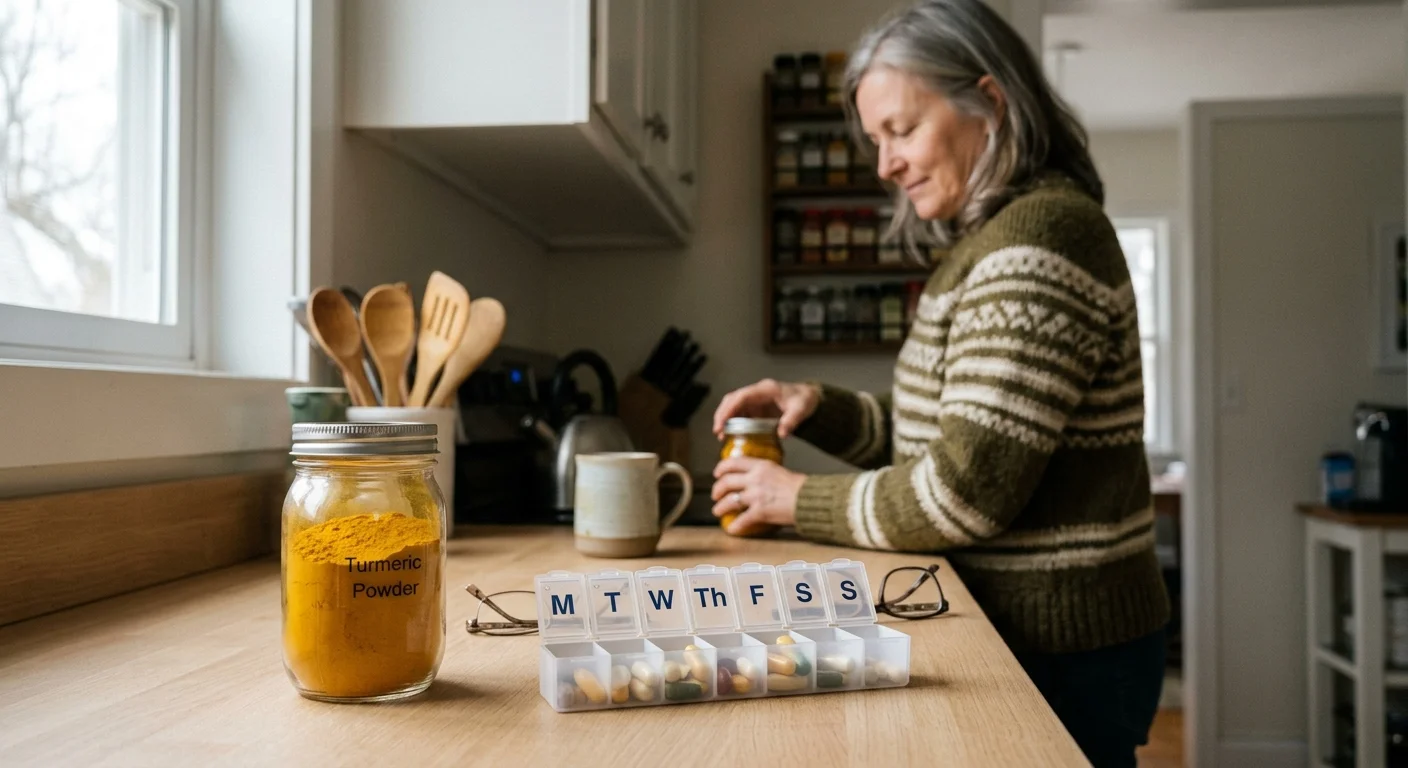
While culinary spices are safe, natural, and gentle on the human body, using them thoughtfully is essential, particularly if you manage existing health conditions or take routine prescription medications. There is a vital distinction between using natural digestion boosting spices as culinary seasonings and consuming concentrated therapeutic supplements in pill or extract form. Culinary amounts—typically ranging from a pinch up to a teaspoon of spice daily—are exceptionally well tolerated. Concentrated supplement extracts deliver doses many times higher than nature intended, which can significantly raise the likelihood of side effects or drug interactions.
If you take prescription blood thinners like warfarin, or if you take daily aspirin therapy, exercise caution with concentrated high-dose supplements of ginger and turmeric. Both spices possess mild natural anti-platelet and anti-coagulant properties. While normal amounts of ground turmeric or fresh ginger added to cooked meals pose no danger, concentrated high-dose extracts could amplify the blood-thinning effects of your medication. Similarly, if you take prescription medications for diabetes, monitor your blood sugar levels carefully when adding large amounts of cinnamon to your diet, as cinnamon can naturally lower blood glucose levels.
You must also take personal digestive conditions into consideration when selecting spices. As noted earlier, peppermint relaxes the esophageal sphincter, which can trigger heartburn if you have active acid reflux or a hiatal hernia. Additionally, if you have active gallstones or a diagnosed bile duct obstruction, consult your doctor before consuming large amounts of bile-stimulating spices like turmeric. Pay attention to how your body responds to each spice and introduce new ingredients gradually to monitor your comfort.
Always prioritize buying fresh, high-quality spices to ensure you receive their full therapeutic value. Stale spices that have sat in warm kitchen cupboards for years lose their active volatile essential oils through oxidation. Store your spices in airtight glass containers placed in a dark, cool cabinet away from direct heat sources like your oven. Purchasing whole seeds—such as whole cumin, fennel, and coriander—and grinding them fresh with a mortar or spice grinder keeps the beneficial volatile oils intact for maximum digestive support.

When to Speak with a Healthcare Professional
This article is provided for educational purposes to help you support your everyday comfort using time-tested culinary ingredients; however, natural remedies are never a substitute for direct medical assessment and treatment. Ongoing digestive complaints can occasionally signal an underlying clinical condition that requires medical diagnosis, specialized testing, and targeted treatment from a physician or gastroenterologist.
You should contact your primary healthcare provider promptly if you experience any of the following symptoms or warning signs alongside your digestive issues:
Unintended weight loss exceeding five percent of your body weight over a short period without conscious changes to your diet or exercise habits.
Persistent, severe, or worsening abdominal pain that disrupts your sleep or prevents you from performing standard daily activities.
Unexplained changes in bowel frequency or consistency lasting longer than two weeks, such as continuous watery diarrhea or severe new constipation.
Signs of gastrointestinal bleeding, including visible bright red blood in your stool, dark tarry bowel movements, or vomiting material that looks like dark coffee grounds.
Difficulty swallowing food or liquids, feeling as though food gets stuck in your throat or chest, or pain during swallowing.
Persistent nausea or frequent vomiting that keeps you from retaining adequate fluids, food, or essential daily medications.
Frequently Asked Questions
What are the absolute best spices for gut health if I suffer from sudden bloating after meals?
Fennel seeds, fresh ginger, and peppermint are widely considered the most effective spices that reduce bloating quickly. Fennel seeds contain anethole, which directly relaxes spasmodic intestinal muscles to allow trapped air to pass. Sipping a warm tea made from crushed fennel seeds or fresh ginger root thirty minutes after eating provides rapid, gentle relief without harsh side effects.
Are spice capsules better to take than cooking with whole raw spices?
Using whole or ground culinary spices in your regular meals is generally superior to taking concentrated pill supplements. When you taste real spices on your food, the aromatic compounds activate taste receptors on your tongue, triggering the cephalic phase of digestion. This signal prompts your stomach and pancreas to release digestive juices before food even enters your stomach. Furthermore, culinary spices deliver balanced nutrients, whereas high-dose capsules carry higher risks of side effects and drug interactions.
How long does it take to see improvements in my digestion using therapeutic spices?
The timeframe for results depends on the spice and the digestive issue you are addressing. Fast-acting carminative spices like fennel, peppermint, and ginger can alleviate trapped gas, nausea, and stomach fullness within thirty to sixty minutes. Broader systemic benefits—such as improved fat digestion from turmeric or reduced bacterial overgrowth from cinnamon—typically build gradually over two to four weeks of consistent daily culinary use.
Is it safe to consume natural digestion boosting spices every single day?
Yes, culinary spices are exceptionally safe for daily consumption when used in typical cooking amounts. Adding a pinch or half teaspoon of spices like cumin, coriander, cinnamon, and cardamom to your daily routine supplies consistent, gentle support for your gut environment. To maximize your benefits, rotate a wide variety of spices through your weekly meal plan to expose your system to a diverse spectrum of protective antioxidant compounds.
For authoritative, trustworthy health information, always consult official sources like the National Institute on Aging (NIA) and MedlinePlus from the National Library of Medicine. The CDC also provides excellent resources for older adults.
Disclaimer: This article is for informational purposes only and does not constitute medical advice. Always seek the advice of your physician or other qualified health provider with any questions you may have regarding a medical condition.