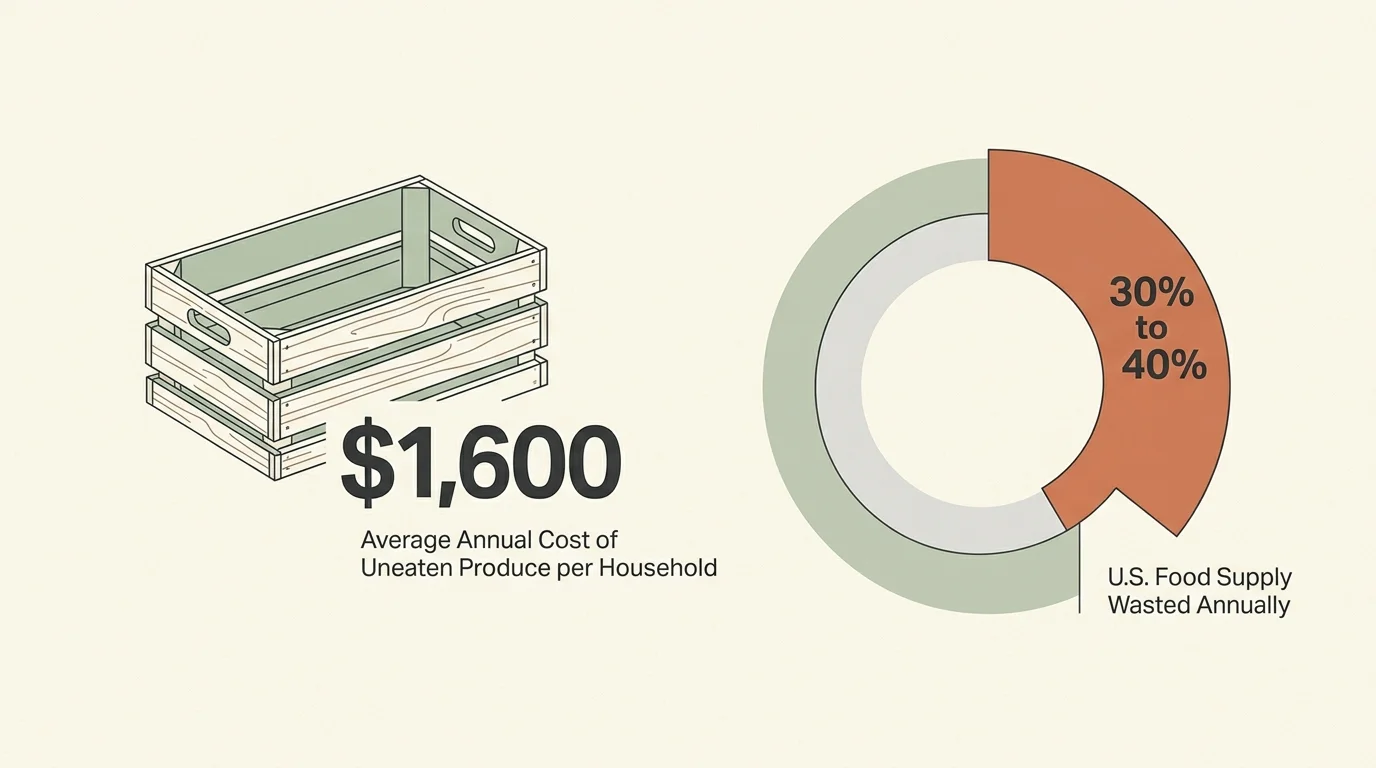
Proper fruit and vegetable storage transforms your kitchen, protects your monthly budget, and preserves vital nutrients necessary for vibrant health as you age. Learning how to store fruits and vegetables correctly prevents premature decay and shields you from harmful foodborne bacteria. According to data from the U.S. Department of Agriculture, American households lose up to $1,600 annually on uneaten produce, yet simple food storage tips kitchen habits easily eliminate this waste. By recognizing common produce storage mistakes, keeping produce fresh becomes an effortless daily routine. You can enjoy flavorful, nutrient-dense meals while keeping your refrigerator safe, organized, and nourishing for years to come.
Understanding the Basics of Produce Storage for Seniors
Managing your kitchen effectively relies on understanding how fresh harvested crops behave after you bring them home from the store. Fresh fruits and vegetables remain living, biological organisms even after harvest; they continue to absorb oxygen, break down stored sugars, and release carbon dioxide and moisture in a natural process called respiration. Controlling temperature, air circulation, humidity, and gas exposure directly influences how long your produce maintains its crisp texture, rich flavor, and essential vitamins.
As you age, prioritizing proper fruit and vegetable storage becomes vital for both physical health and economic security. According to estimates from the U.S. Department of Agriculture, between 30 percent and 40 percent of the total U.S. food supply goes wasted every year, with fresh fruits and vegetables accounting for nearly 40 percent of total wasted food calories. For older adults living on fixed retirement incomes, throwing away prematurely spoiled produce drains financial resources while quietly robbing meals of key dietary fiber, antioxidants, and immune-supporting nutrients.
Furthermore, physiological changes associated with aging make food safety an absolute priority. Age-related shifts in immune function, often called immunosenescence, mean your body may have a harder time fighting off bacterial pathogens like Listeria monocytogenes, Salmonella, or E. coli. Mold spores that thrive on decaying produce can also trigger respiratory discomfort or gastrointestinal upset. By mastering common produce storage mistakes and applying smart kitchen organization techniques, you safeguard your immune system, lower your grocery spending, and enjoy peak culinary flavor every single day.
Practical Tips for a Healthier, Happier Life
Spotting early warning signs of improper storage empowers you to make quick, impactful adjustments in your kitchen. Here are eight clear signs that you may be storing your produce incorrectly, accompanied by simple, actionable solutions designed to keep your food safe, delicious, and nutrient-packed.
1. Your Bananas and Apples Turn Soft and Brown Overnight
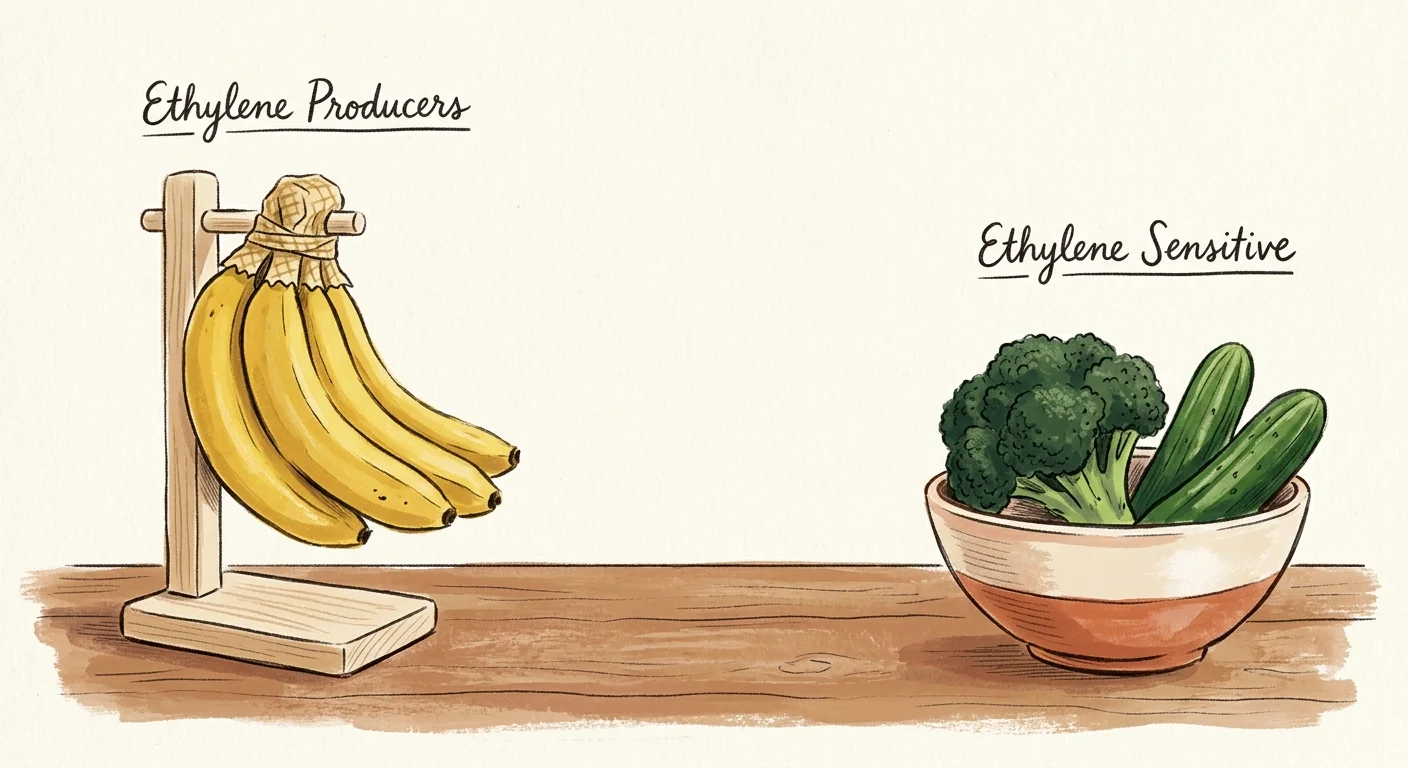
If your fresh produce seems to ripen and decay at an alarming speed, ethylene gas mismanagement is usually the culprit. Certain fruits—most notably ripe apples, bananas, avocados, pears, and cantaloupes—naturally produce and emit ethylene gas, a potent plant hormone that accelerates ripening. When you place ethylene producers next to ethylene-sensitive produce like leafy greens, carrots, broccoli, and cucumbers, the sensitive items deteriorate prematurely, turning yellow, soft, or bitter.
To fix this issue, separate your ethylene-emitting fruits from ethylene-sensitive vegetables. Keep apples in a breathable container or dedicated crisper drawer away from your leafy greens. If you purchase bananas, store them on a countertop banana hanger away from other fruits. Wrapping the stem cluster of a banana bunch in reusable beeswax wrap or aluminum foil slows down gas release, keeping your bananas firm and enjoyable for several extra days.
2. Your Leafy Greens Turn Slimy Before You Finish the Container
Opening a plastic clamshell of spinach or lettuce only to discover dark, wet, slimy leaves is a clear sign of trapped excess moisture. When greens are packed tightly in plastic bags or sealed containers, condensation builds up on the plastic walls. This standing water breaks down delicate cellular structures and creates an ideal breeding ground for bacterial growth and decay.
Prevent slimy greens by introducing moisture absorbers directly into your storage containers. Place a clean, dry paper towel or cloth napkin inside the plastic container or bag before closing it. The towel absorbs ambient condensation, keeping the leaves dry while preserving essential humidity. Additionally, wait to wash your greens until immediately before eating them, as introduced moisture during storage accelerates cellular breakdown.
3. Your Potatoes Are Sprouting Green Shoots in Your Pantry
Discovering green spots or pale shoots sprouting from your potatoes indicates exposure to light and improper storage temperatures. Light exposure triggers the production of chlorophyll alongside solanine, a natural compound that endows green spots with a bitter taste and causes stomach upset if consumed in significant quantities. Warm environment temperatures further signal to the tuber that it is time to grow, leading to rapid shriveling.
Store raw potatoes in a cool, dark, and well-ventilated space, such as a lower pantry shelf or a dark wooden bin. Use breathable paper bags, burlap sacks, or open wire baskets rather than sealed plastic bags, which trap humidity and heat. Ensure your potato storage area remains completely separated from onions, as the gases released by onions accelerate potato sprouting.
4. Your Tomatoes Taste Mealy and Flavorless
If your fresh tomatoes lack rich flavor and suffer from a grainy, mealy interior texture, chilling injury in the refrigerator is to blame. Cold temperatures below 55°F (13°C) suppress the volatile enzyme pathways responsible for producing the distinct aroma and flavor compounds of tomatoes. Refrigeration also damages delicate cellular walls inside the tomato, causing irreversible texture loss.
Store whole, unwashed tomatoes at room temperature on your kitchen counter, positioned stem-side down to prevent air from entering and moisture from escaping. Keep them out of direct sunlight to ensure even ripening. Only transfer tomatoes to the refrigerator if they become fully ripe and you cannot consume them immediately; even then, bring them back to room temperature before slicing to recover some lost flavor.
5. You Find Mold Growing on Your Berries Within Two Days
Fuzzy white or grey mold appearing rapidly on fresh strawberries, raspberries, or blueberries stems from surface moisture and fungal spores brought home from the market. Berries possess thin skins and high moisture content, making them extremely susceptible to mold propagation when trapped in unventilated store packaging.
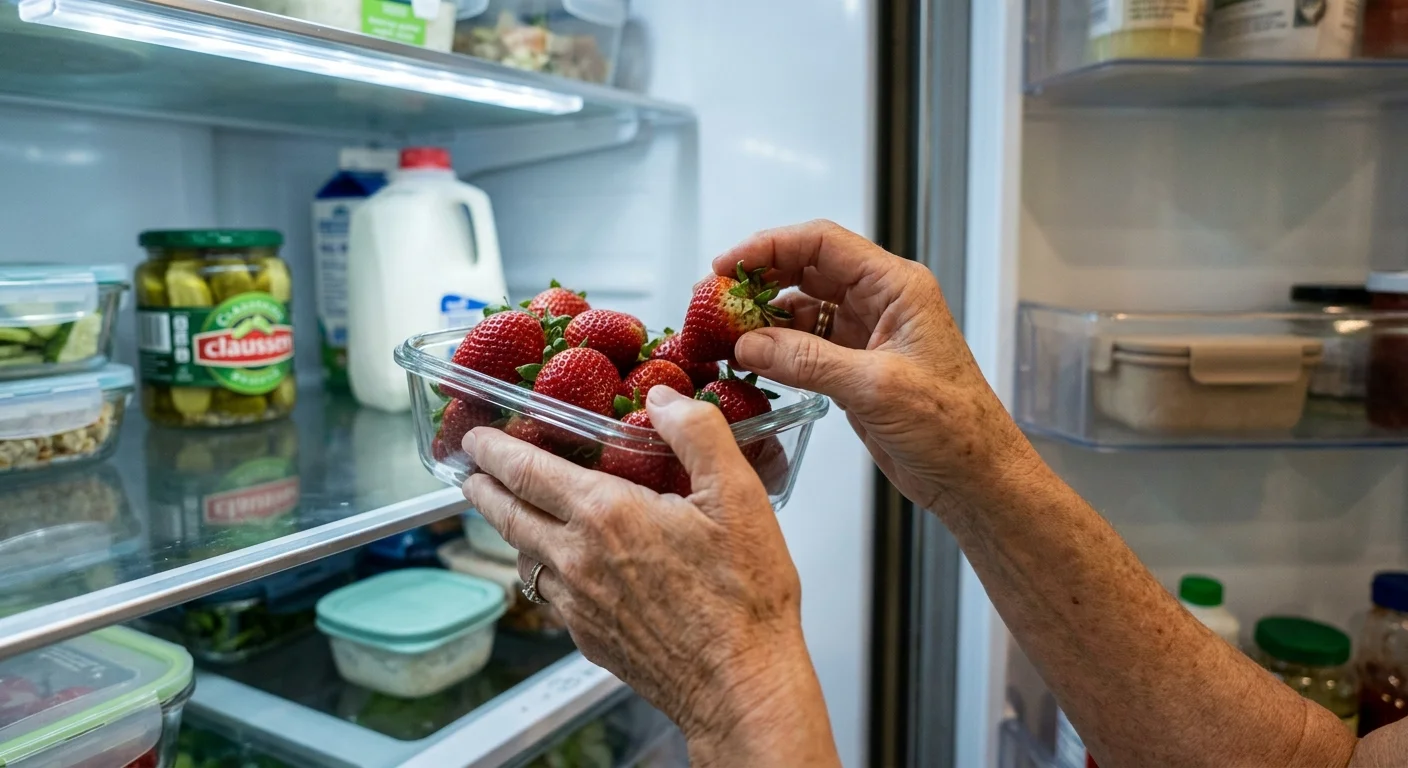
When you arrive home from the grocery store, immediately inspect your berry containers and discard any bruised or molded individual berries so spores do not spread. Do not wash berries before storing them in the refrigerator, as lingering water droplets encourage mold growth. Place unwashed berries in a single layer in a paper-towel-lined, breathable container with ventilation holes. Wash them gently under cool running water just prior to serving.
6. Your Carrots and Cucumbers Get Soft and Rubbery
When carrots, cucumbers, or celery lose their crisp crunch and become soft, flexible, or rubbery, severe dehydration has occurred. Dry air inside the refrigerator draws moisture out of produce through natural evaporation. Without proper atmospheric moisture protection, these water-dense vegetables shrivel rapidly.
Utilize your refrigerator crisper drawers effectively to maintain proper humidity levels. Store thin-skinned vegetables and root crops in the high-humidity crisper drawer with the air vent slider fully closed to lock in moisture. For whole carrots, trim off green leafy tops immediately, as they draw water away from the root. If you slice carrots or celery ahead of time, store them completely submerged in a sealed glass jar filled with cold water inside the refrigerator, changing the water every two days to keep them remarkably crisp.
7. Pre-Cut Fruits Sit on Your Counter for Hours
Leaving sliced melons, chopped pineapples, or pre-cut vegetables sitting on kitchen counters while preparing meals or entertaining is a major food safety hazard. Slicing raw produce damages natural protective skins, exposing interior flesh to ambient air, physical contaminants, and warm room temperatures where bacteria multiply exponentially.
Adhere strictly to federal food safety guidelines for cut produce. The U.S. Food and Drug Administration mandates that cut fruits and vegetables must not remain at room temperature for longer than two hours—or one hour if ambient kitchen temperatures exceed 90°F (32°C). Place all sliced produce into clean, airtight glass or BPA-free plastic containers and refrigerate them promptly. Consume pre-cut items within several days to guarantee optimal safety and nutrient retention.
8. Onion and Potato Bags Stored Together Rot Quickly
Storing your onion bag right next to your potato bag inside the same cupboard is one of the most common produce storage mistakes in home kitchens. Onions release volatile gases and moisture that prompt potatoes to sprout green shoots and spoil. In return, the moisture emitted by potatoes causes onions to soften, turn brown, and develop deep mold rings.
Separate onions and potatoes completely. Store dry bulb onions in a cool, dark, dry cabinet with plenty of open air movement, keeping them in mesh bags or open crates. Keep potatoes in a separate cool, dark pantry location away from onions, garlic, and citrus fruits. Keeping produce fresh relies on honoring these individual chemical interactions across different crop varieties.
Important Safety Precautions to Keep in Mind
Ensuring kitchen safety involves monitoring appliance settings, hygiene habits, and handling methods carefully. Maintain your home refrigerator temperature at or below 40°F (4°C) as required by FDA safety standards. Place an inexpensive appliance thermometer on the middle shelf to confirm your refrigerator stays cold enough to retard bacterial growth without freezing delicate produce items.
Safety regulations specified in the FDA Food Code recommend keeping pre-cut or sliced produce—such as cantaloupe, cut tomatoes, and chopped leafy greens—at 41°F (5°C) or lower. Always consume or safely discard pre-cut produce within 7 days of slicing to prevent foodborne pathogens like Listeria from proliferating, as cold temperatures slow down but do not completely stop bacterial growth over extended periods.
Exercise heightened caution when managing moldy produce. While firm, low-moisture vegetables like raw carrots or hard winter squash can sometimes be salvaged by cutting off moldy areas with at least a one-inch margin around the spot, soft produce requires immediate disposal. Fruits and vegetables with high water content—including tomatoes, peaches, berries, and cucumbers—allow microscopic fungal threads (hyphae) and invisible mycotoxins to penetrate deep beneath the surface. When in doubt, throw it out to protect your health.
Prevent cross-contamination by designating separate areas in your refrigerator for raw animal proteins and fresh produce. Store raw meat, poultry, and seafood on the lowest shelves in leak-proof containers so juices cannot drip onto lower drawers containing fresh fruits and vegetables. Wash cutting boards, knives, and hands thoroughly with warm water and soap before and after handling raw produce.
When to Speak with a Healthcare Professional
While proper food storage tips kitchen practices significantly decrease health risks, foodborne illness can still occur. Seniors should remain attentive to bodily signals and seek prompt medical advice if digestive symptoms arise. Contact your physician or seek healthcare guidance if you experience signs of severe foodborne illness, including high fever exceeding 101°F, persistent vomiting, severe abdominal cramping, blood in stool, or signs of dehydration such as dark urine, lightheadedness, and dry mouth.
If lingering gastrointestinal sensitivities or chewability challenges make eating whole fresh fruits and vegetables difficult, speak with your healthcare provider or a registered dietitian. A clinical professional can recommend tailored dietary strategies, such as gentle steaming or blending, ensuring you maintain optimal micronutrient intake without causing physical discomfort.
For authoritative, trustworthy health information, always consult official sources like the National Institute on Aging (NIA) and MedlinePlus from the National Library of Medicine. The CDC also provides excellent resources for older adults.
Disclaimer: This article is for informational purposes only and does not constitute medical advice. Always seek the advice of your physician or other qualified health provider with any questions you may have regarding a medical condition.
Frequently Asked Questions
Should I wash my fruits and vegetables as soon as I bring them home from the store?
In general, you should hold off on washing most fruits and vegetables until you are ready to prepare or eat them. Introducing moisture prior to storage creates an ideal environment for mold and bacterial growth, particularly on delicate berries and leafy greens. The exception is heavy root vegetables or dirty potatoes, which can be brushed dry to remove excess dirt before storing in a dark, dry space.
Can I freeze fresh vegetables if I cannot eat them before they spoil?
Yes, freezing is an excellent way to preserve nutrient-dense vegetables and reduce household food waste. Blanch vegetables like broccoli, green beans, and carrots in boiling water for one to three minutes, plunge them into an ice bath to stop cooking, pat them dry thoroughly, and store them in airtight freezer-safe bags. Freezing stops enzyme activity and locks in vitamins for up to eight to twelve months.
Is it safe to eat produce if it has started to wilt slightly?
Slightly wilted produce—such as soft carrots, limp celery, or slightly droopy greens—is usually safe to eat as long as there are no signs of mold, rot, slime, or foul odors. Wilting simply indicates water loss. You can often revive wilted root vegetables and leafy greens by submerging them in a bowl of ice water for 15 to 30 minutes before cooking or serving.
How do I adjust my refrigerator crisper drawer settings for maximum freshness?
Most modern refrigerators feature crisper drawers with adjustable humidity vents. Set one drawer to high humidity by closing the vent lever; use this drawer for leafy greens, herbs, cucumbers, carrots, and vegetables that are sensitive to moisture loss. Set the second drawer to low humidity by opening the vent; use this drawer for ethylene-emitting fruits like apples, pears, and avocados so gas can escape without building up.