Maintaining vibrant energy and smooth muscle function as you age requires paying close attention to essential electrolytes, especially potassium. While bananas often take center stage as the go-to potassium source, several nutrient-dense foods deliver even higher amounts of this vital mineral to support your blood pressure, heart health, and nerve signaling. Federal data reveals that fewer than five percent of American adults meet their daily recommended potassium intake, making simple dietary additions essential for your long-term wellness. Exploring diverse, delicious foods high in potassium helps you easily exceed the baseline four hundred twenty-two milligrams found in a typical banana while enriching your daily meals with complementary vitamins and fiber.


Understanding the Basics of Potassium for Seniors
Potassium serves as a primary electrolyte that your body uses to conduct tiny electrical impulses across cells. This mineral manages muscle contractions, balances intracellular fluid levels, and coordinates electrical signals in your heart. For older adults, adequate potassium intake promotes relaxed blood vessel walls, which directly supports healthy blood pressure readings and reduces cardiovascular strain. When your body maintains optimal mineral levels, you enjoy steadier physical mobility, fewer disruptive nocturnal leg cramps, and balanced fluid retention throughout your tissues.
Official dietary guidelines establish specific daily targets to help you maintain optimal body function. According to the USDA and HHS Dietary Guidelines for Americans, the Adequate Intake for potassium in adults aged 51 and older is 3,400 milligrams per day for men and 2,600 milligrams per day for women. Meanwhile, the U.S. Food and Drug Administration sets a daily value benchmark of 4,700 milligrams on Nutrition Facts labels to encourage robust nutrient density across your overall eating pattern.
Despite these clear guidelines, intake statistics from the National Institutes of Health and the Centers for Disease Control and Prevention reveal a concerning reality. Fewer than five percent of adults in the United States reach their recommended daily targets, with men averaging about 3,016 milligrams per day and women consuming roughly 2,320 milligrams daily. Because this widespread intake gap affects millions of older Americans, federal health agencies classify potassium as a nutrient of public health concern.
Many people instinctively reach for a banana when trying to boost their mineral intake, but relying on a single fruit offers limited nutritional variety. A standard medium banana contains approximately 422 milligrams of potassium, fulfilling roughly nine to eleven percent of your daily requirement. While bananas remain a healthy snack, dozens of vibrant whole foods deliver far greater concentrations of potassium alongside essential dietary fiber, antioxidants, and bone-building minerals.

Practical Tips for a Healthier, Happier Life
Upgrading your daily nutritional routine does not require complicated meal plans or drastic dietary shifts. By introducing nutrient-dense whole foods into your familiar dishes, you can naturally reach your daily potassium targets while enjoying delicious, satisfying meals. Here is a curated potassium rich foods list featuring ten exceptional foods high in potassium that easily outshine the traditional banana.
1. Cooked Beet Greens
Often discarded during meal preparation, leafy beet greens stand at the absolute top of the best potassium foods available. A single cup of cooked beet greens delivers a massive 1,309 milligrams of potassium, supplying more than three times the amount found in a medium banana. These vibrant greens also provide substantial amounts of dietary nitrates, which relax your blood vessels, improve circulation, and help keep blood pressure within a healthy range.
Incorporating cooked beet greens into your diet is simple and rewarding. You can sauté them gently in extra virgin olive oil with sliced garlic and a drizzle of fresh lemon juice for a soft, savory side dish. Their tender texture makes them exceptionally easy to chew and digest, making them a fantastic addition to morning egg scrambles, cozy grain bowls, or vegetable soups.
2. Cooked White Beans
Legumes like navy beans, cannellini, and Great Northern white beans offer unmatched nutrient density for healthy aging. One cooked cup of white beans supplies between 1,004 and 1,189 milligrams of potassium, along with robust doses of magnesium and plant-based iron. Furthermore, their high soluble fiber content supports gentle digestion, balances blood sugar levels, and manages your cholesterol profile naturally.
White beans adapt effortlessly to your favorite comfortable recipes without requiring complex kitchen techniques. You can simmer them in low-sodium vegetable broths with fresh herbs, mash them into garlic-infused spreads for whole-grain toast, or fold them into hearty stew dishes. Their mild taste absorbs surrounding herbs and spices easily, giving you a smooth, high-protein option that keeps you feeling full and satisfied.
3. Baked Medium Russet Potato
The standard russet potato often suffers an unfair reputation, yet it remains one of the most effective potassium sources besides bananas in any grocery aisle. A single medium baked russet potato enjoyed with its skin intact provides about 919 milligrams of potassium. Beyond this vital electrolyte, potatoes offer complex carbohydrates for sustained daytime stamina, along with skin-supporting vitamin C and digestive fiber.
To gain the highest nutritional value from your potato, bake or roast it whole and make sure to consume the tender outer skin where key minerals concentrate. Instead of topping your potato with heavy, high-sodium butter or commercial sour cream, try dressing it with plain Greek yogurt, chopped fresh chives, or diced avocado. This wholesome substitution adds creaminess while keeping your sodium intake low and heart-healthy.
4. Cooked Acorn Squash
Winter squashes provide exceptional nutritional benefits, with cooked acorn squash leading the group in electrolyte concentration. Eating one cup of cooked, cubed acorn squash provides 896 milligrams of potassium along with a rich supply of vitamin A precursors and dietary fiber. Its smooth, naturally sweet orange flesh delivers protective carotenoids that guard eye health and support your immune system.
Preparing acorn squash requires minimal effort and fills your kitchen with comforting aromas. Simply slice the squash in half, remove the center seeds, brush the interior with a touch of olive oil, and roast in your oven until fork-tender. You can scoop out the soft roasted flesh directly with a spoon, blend it into silky autumn soups, or dust it with cinnamon for a warm, delicious side dish.
5. Cooked Spinach
Raw spinach forms a delightful base for green salads, but cooking this leafy green concentrates its nutrient density dramatically. A cup of cooked spinach packs approximately 839 milligrams of potassium, alongside iron, calcium, and essential antioxidants like lutein. Cooking breaks down tough plant cell walls, allowing your body to digest the leaves comfortably and absorb its rich mineral profile efficiently.
You can easily steam fresh spinach or wilt it directly into warm marinara sauces, soups, and casseroles during the last few minutes of cooking. Because cooked spinach shrinks down so significantly, you can consume a rich concentration of vital nutrients in just a few bites. Pairing cooked spinach with foods rich in vitamin C, such as tomatoes or citrus juice, further optimizes your body’s iron absorption.
6. Baked Salmon Fillet
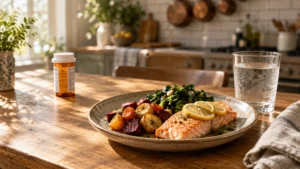
Lean animal proteins can also play a vital role in building a potassium rich diet. A six-ounce baked salmon fillet contains roughly 763 milligrams of potassium alongside high-quality protein that helps preserve aging muscle tissue. Salmon is famously rich in long-chain omega-3 fatty acids, which actively fight systemic inflammation, support brain health, and maintain optimal cardiac function.
Baking or grilling fresh salmon with simple seasonings preserves its delicate fats and structural integrity. Drizzle your fillet with olive oil, sprinkle with fresh dill or garlic powder, and bake until it flakes easily with a fork. Serving baked salmon alongside roasted potatoes or leafy greens creates a complete, mineral-dense meal that nourishes your cardiovascular system from multiple angles.
7. Dried Apricots
When you need a portable, shelf-stable snack that satisfies your sweet tooth without added refined sugars, dried apricots present an ideal choice. Just a half-cup serving of dried apricots delivers 755 milligrams of potassium. The natural dehydration process concentrates the fruit’s essential minerals, making them a compact powerhouse of iron, copper, and digestive fiber.
Because dried fruit can be dense in natural sugars, enjoying them in controlled portions provides optimal health rewards. You can dice dried apricots and stir them into warm oatmeal, mix them with raw pumpkin seeds for a quick energy trail mix, or enjoy a small handful alongside unsalted almonds. Their soft, chewy texture makes them an agreeable option for satisfying mid-afternoon hunger.
8. Fresh Avocado
Avocado stands out as a unique fruit that delivers a wealth of healthy monounsaturated fats along with robust electrolyte levels. One cup of cubed fresh avocado offers 708 milligrams of potassium, while half of a medium avocado supplies about 485 milligrams. These healthy fats assist your body in absorbing fat-soluble vitamins like vitamins A, D, E, and K from other vegetables on your plate.
The soft, buttery texture of avocado makes it exceptionally easy to swallow and digest for older adults. You can slice fresh avocado over morning omelets, mash it onto whole-grain toast with a squeeze of lime juice, or chop it into diced vegetable salads. Adding avocado to your daily rotation supports cholesterol balance while boosting your overall daily mineral totals smoothly.
9. Pure Coconut Water
Hydration becomes increasingly important as you age because your natural thirst sensations can decrease over time. Pure, unsweetened coconut water offers a refreshing hydration alternative, packing roughly 600 milligrams of potassium into a single eight-ounce glass. Unlike commercial sports drinks, pure coconut water provides natural electrolytes without synthetic dyes, heavy sodium, or high amounts of added refined sugar.
You can enjoy chilled coconut water directly after light physical exercise, morning walks, or outdoor gardening to replenish lost fluid balances quickly. It also serves as an excellent liquid base for homemade fruit smoothies, allowing you to blend frozen berries and spinach for an extra potassium boost without adding plain water or sugary fruit juices.
10. Baked Sweet Potato
Sweet potatoes offer a vibrant, nutrient-dense root vegetable option that fits seamlessly into a health-conscious lifestyle. A medium baked sweet potato enjoyed with its skin provides 542 milligrams of potassium, easily exceeding the content of a standard banana. Sweet potatoes are packed with beta-carotene, complex starch, and soluble fiber that promotes gradual glucose absorption for steady daytime energy.
Preparing sweet potatoes is wonderfully simple and versatile. You can bake them whole in the oven until their natural sugars caramelize, slice them into thin wedges for home-baked sweet potato fries, or mash them with a touch of nutmeg and olive oil. Leaving the skin intact ensures that you capture every milligram of potassium and dietary fiber available in this root vegetable.
Incorporating these varied options into your meal schedule creates a balanced, flexible approach to daily nutrition. Try rotating different ingredients throughout the week—such as white beans in your lunch soups, baked salmon for dinner, and fresh avocado at breakfast—to keep your plate exciting and nutritionally rich. By focusing on whole, unprocessed options, you nourish your body with essential electrolytes naturally.
Pay close attention to how you cook your vegetables, as cooking techniques directly impact mineral retention. Boiling vegetables in large volumes of water causes water-soluble potassium to leach into the cooking liquid, lowering the mineral content left on your plate. Opt for methods like steaming, roasting, microwaving, or sautéing to lock in maximum electrolyte content. If you choose to boil vegetables, save the nutrient-infused broth to use as a rich base for homemade soups and grain dishes.

Important Safety Precautions to Keep in Mind
While building a diet rich in essential minerals offers profound benefits for blood pressure regulation and muscle health, maintaining the proper balance remains critical. For older adults, consuming extra potassium is not always beneficial for every health condition. Your kidneys act as the primary filter for managing systemic electrolyte levels, removing extra minerals through urine to keep your internal body environment in strict equilibrium.
As you age, kidney efficiency can naturally decline or become impacted by long-term health conditions such as chronic kidney disease or diabetes. When kidney function dips, your body may struggle to clear extra potassium, leading to an elevated concentration in your bloodstream known as hyperkalemia. Hyperkalemia can be dangerous, potentially causing irregular heartbeats, severe muscle numbness, nausea, or sudden cardiac complications without obvious advance warning.
Common cardiovascular medications frequently prescribed to seniors can also alter how your body handles potassium. Blood pressure medications, including ACE inhibitors like lisinopril and ARBs like losartan, reduce potassium excretion in your kidneys. Similarly, potassium-sparing diuretics such as spironolactone actively retain potassium while flushing out excess fluid. Combining these prescription drugs with high-dose potassium supplements or over-the-counter salt substitutes containing potassium chloride can push your mineral levels into unsafe territory.
For these reasons, health experts strongly advise against taking over-the-counter potassium supplements unless specifically directed and monitored by your physician. Concentrated mineral pills release large amounts of potassium quickly into your digestive tract, which can irritate your stomach lining and trigger sudden spikes in blood levels. Obtaining potassium naturally through whole food sources allows your digestive system to absorb the mineral gradually alongside protective fiber and water.

When to Speak with a Healthcare Professional
Managing your dietary health works best as a collaborative effort between you and your healthcare team. Before making major changes to your food choices or dramatically increasing your intake of high-potassium foods, consult your primary care doctor or a registered dietitian. They can evaluate your current kidney function through routine blood tests, such as a basic metabolic panel, and customize recommendations based on your personal health baseline.
You should seek immediate medical guidance if you experience symptoms that suggest a potential electrolyte imbalance. Pay attention to subtle physical warning signs, including persistent muscle weakness, fluttering or racing heartbeats, unusual numbness or tingling in your hands and feet, unexplained fatigue, or frequent digestive distress. Your doctor can quickly evaluate your serum potassium levels and adjust your diet or medication schedule to protect your health.
For authoritative, trustworthy health information, always consult official sources like the National Institute on Aging (NIA) and MedlinePlus from the National Library of Medicine. The CDC also provides excellent resources for older adults.
Disclaimer: This article is for informational purposes only and does not constitute medical advice. Always seek the advice of your physician or other qualified health provider with any questions you may have regarding a medical condition.
Frequently Asked Questions
Does cooking vegetables reduce their potassium content?
Yes, cooking techniques can significantly alter mineral content. Boiling vegetables in large amounts of water causes water-soluble potassium to leach out into the cooking broth. To preserve the highest concentration of minerals, choose methods like roasting, steaming, microwaving, or sautéing. If you prefer boiling, keep the nutrient-rich cooking water to create flavorful broths, gravies, or soups so that no minerals go to waste.
Can you consume too much potassium from whole food sources alone?
For individuals with healthy kidney function, consuming high-potassium whole foods rarely causes hyperkalemia. Healthy kidneys balance serum levels by excreting excess minerals efficiently through urine. However, if you have chronic kidney disease, reduced renal function, or take potassium-sparing medications, even potassium-dense whole foods can elevate blood levels dangerously. In those situations, careful dietary guidance from a physician is essential.
Are bananas still a good choice for daily potassium intake?
Bananas remain a fantastic, nutritious, and convenient fruit choice that supplies about 422 milligrams of potassium alongside vitamin B6 and soluble fiber. They are soft, easy to digest, and widely available year-round. Expanding your dietary choices to include options like leafy greens, white beans, and squash simply enriches your daily nutrient profile beyond what bananas alone can offer.
How does sodium intake influence potassium balance in the body?
Sodium and potassium work as opposing forces within your cellular biology. High sodium consumption forces your body to retain extra fluid while promoting the loss of potassium through urine, elevating blood pressure levels. When you lower your sodium intake and increase your dietary potassium, you help relax blood vessel walls, encourage fluid excretion, and support healthy, stable blood pressure readings.