Maintaining healthy iron levels helps you preserve vibrant energy and protect your cognitive function as you age. Adding more plant-based iron to your meals gives your body the essential minerals it needs to carry oxygen to your brain and muscles without relying heavily on red meat. While many people associate iron strictly with beef or liver, the plant kingdom offers an abundance of iron-rich foods that naturally support healthy nutrition. You can easily meet your daily needs through vegetarian foods that also provide vital fiber and antioxidants. Discovering how to incorporate these nutrient-dense ingredients into your daily routine can prevent iron deficiency and keep you feeling active, resilient, and engaged in the activities you love most.
Understanding the Basics of Iron-Rich Foods for Seniors
Iron is a powerhouse mineral responsible for producing hemoglobin, a crucial protein found inside your red blood cells. Hemoglobin acts as a biological delivery service; it binds to the oxygen in your lungs and carries it through your bloodstream to every organ, tissue, and muscle in your body. When your iron stores run low, your body struggles to generate enough healthy red blood cells, leading to a condition known as iron deficiency anemia. For seniors, a lack of adequate oxygen delivery quickly translates into profound fatigue, muscle weakness, and a noticeable decline in physical stamina and mental clarity.
You might wonder why you should look beyond traditional animal proteins to fulfill your daily nutritional requirements. Plant-based nutrition offers remarkable benefits for older adults, providing essential minerals alongside heart-healthy fiber, vitamins, and antioxidants—all without the saturated fat and high cholesterol often found in red meat. However, it is vital to understand the difference between the two primary forms of dietary iron: heme and non-heme.
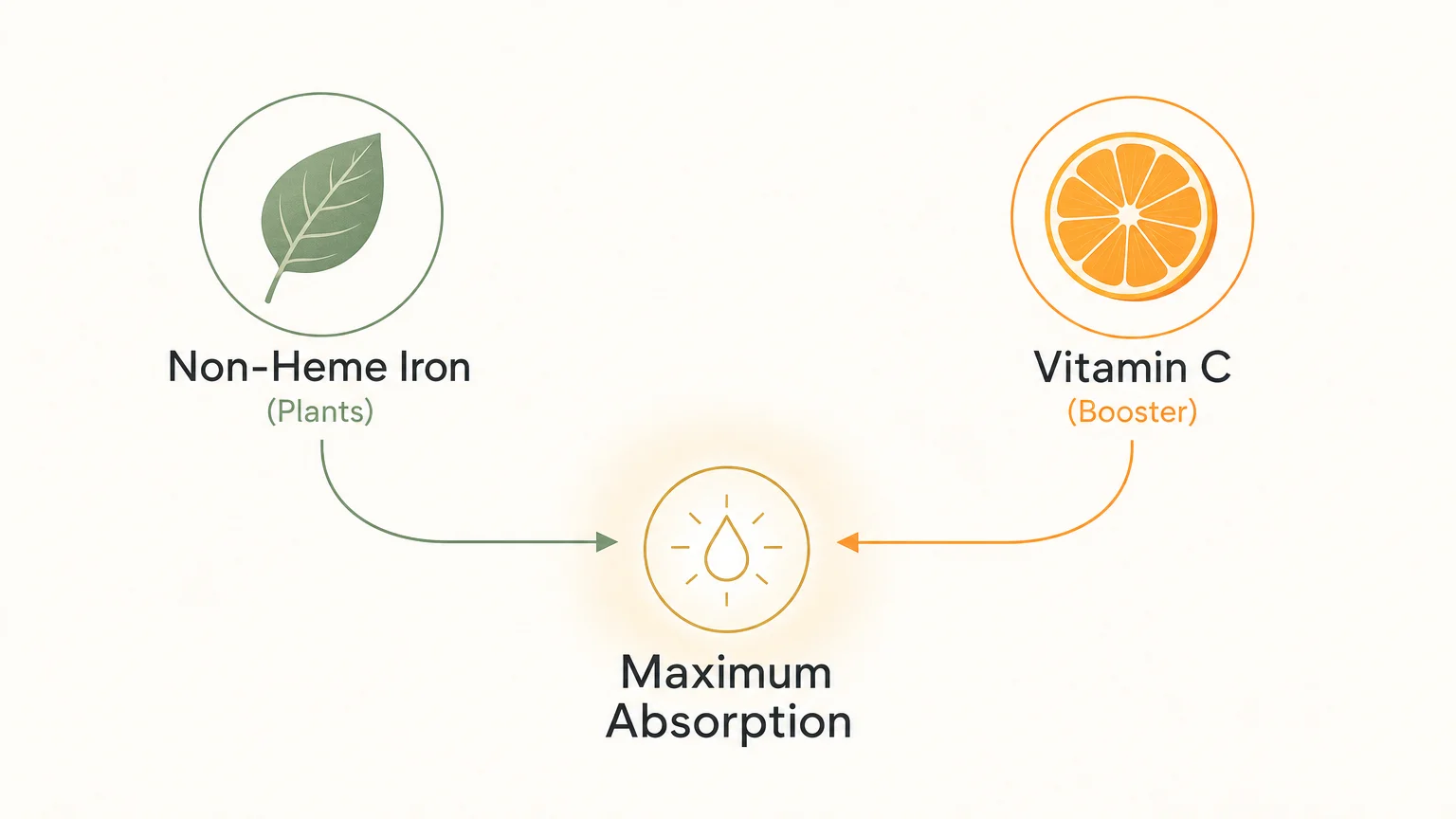
Animal products contain heme iron, which your digestive system absorbs quite easily. Plant-based foods provide non-heme iron. While non-heme iron is exceptionally healthy and abundant in nature, your body absorbs it less efficiently than its animal-derived counterpart. Fortunately, you can dramatically improve your body’s ability to absorb non-heme iron by making one simple dietary adjustment: pairing your plant-based iron sources with foods rich in vitamin C. A simple squeeze of lemon juice over a spinach salad or a handful of fresh strawberries mixed into fortified cereal transforms non-heme iron into a highly absorbable format, ensuring you reap the maximum nutritional rewards from every bite.
Practical Tips for a Healthier, Happier Life
1. Lentils
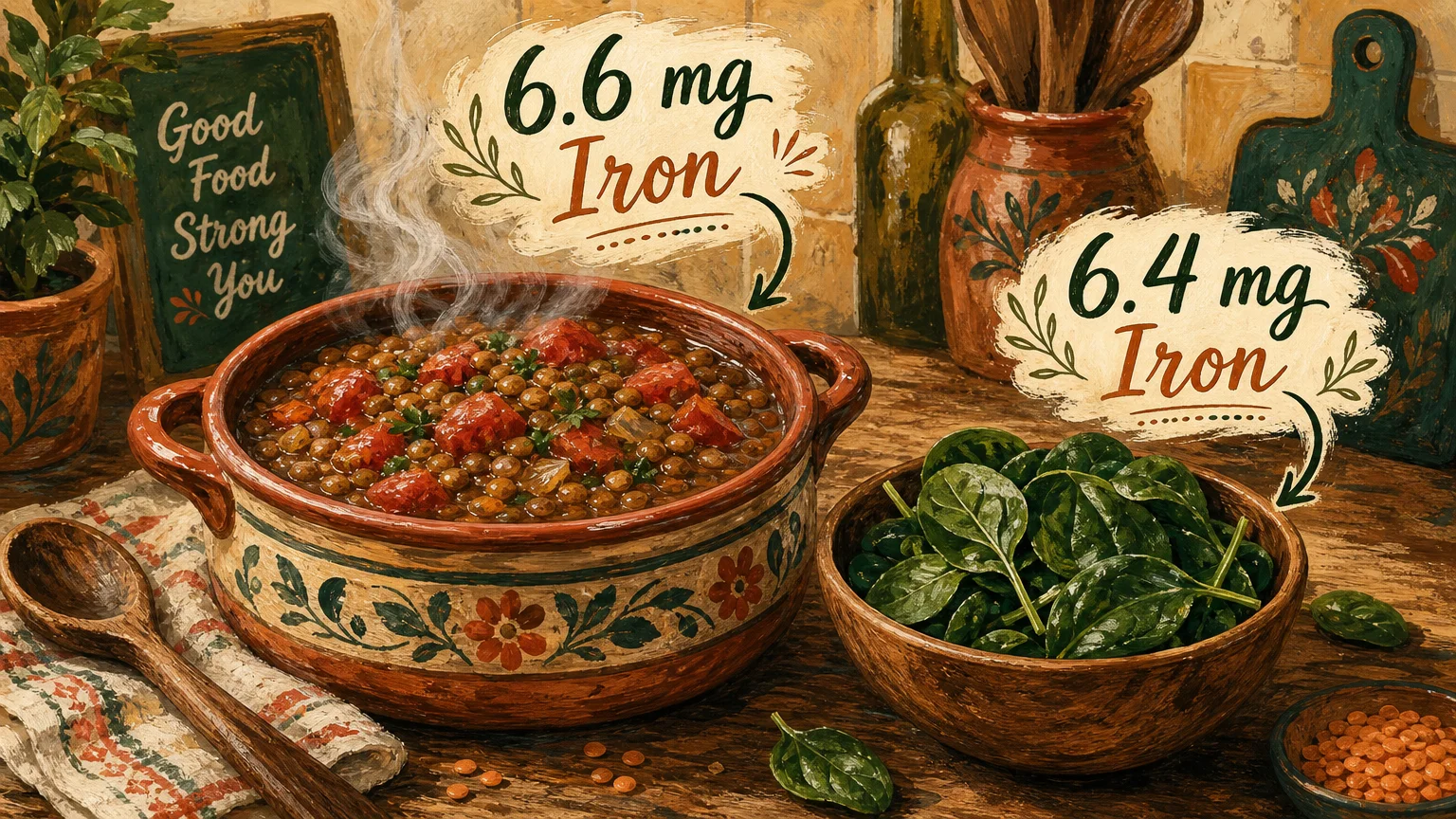
Lentils serve as one of the most reliable and budget-friendly sources of non-heme iron available in the grocery store. A single cup of cooked lentils delivers roughly 6.6 milligrams of iron, which covers a significant portion of the daily 8 milligrams recommended for adults over the age of fifty. Beyond their impressive mineral profile, lentils provide a massive dose of dietary fiber; this aids in healthy digestion and helps stabilize your blood sugar levels throughout the afternoon. You can effortlessly incorporate these versatile legumes into your weekly meal rotation. Simmer brown lentils into a hearty, comforting stew, or toss cold green lentils into a vibrant garden salad. To maximize iron absorption, add diced tomatoes or bell peppers to your lentil dishes, as their high vitamin C content perfectly complements the nutritional profile of the legumes.
2. Spinach
Dark, leafy greens have long held a well-deserved reputation for supporting robust health, and spinach easily stands out as a top contender for boosting your mineral intake. One cup of cooked spinach yields around 6.4 milligrams of iron, making it an incredibly efficient way to nourish your body. However, spinach also contains natural compounds called oxalates, which can naturally inhibit the absorption of certain nutrients in your digestive tract. You can easily overcome this hurdle by cooking the spinach—steaming or lightly sautéing the leaves breaks down the oxalates and makes the iron much more accessible. Serve your cooked spinach with a bright splash of freshly squeezed lemon juice; the citrus adds a delightful flavor profile while acting as a powerful catalyst for iron absorption.
3. Pumpkin Seeds
Do not let their small size fool you; pumpkin seeds pack an extraordinary nutritional punch. A single ounce of these crunchy seeds offers approximately 2.5 milligrams of iron, making them an ideal, portable snack for seniors on the go. Furthermore, pumpkin seeds supply an abundance of zinc, magnesium, and healthy fats that support heart health and reduce joint inflammation. You can easily keep a small jar of roasted pumpkin seeds on your kitchen counter for quick access. Sprinkle a generous handful over your morning oatmeal, blend them into a fruit smoothie, or use them as a crunchy topping for your favorite creamy vegetable soups. Choosing unsalted varieties ensures you maintain a healthy sodium intake while reaping the dense nutritional benefits.
4. Tofu and Tempeh
Soy products represent a cornerstone of healthy nutrition for those seeking robust plant-based protein. Tofu, made from condensed soy milk, and tempeh, a fermented soybean cake, both offer excellent quantities of non-heme iron. A standard half-cup serving of firm tofu contains approximately 3.4 milligrams of iron, alongside a substantial serving of bone-building calcium. Tempeh provides similar iron levels but includes the added benefit of gut-friendly probiotics generated during the natural fermentation process. You can easily slice and bake tofu with a savory marinade, or crumble tempeh into a skillet to replace ground beef in pasta sauces and chili. Pairing your soy-based meals with a side of steamed broccoli provides the crucial vitamin C needed to unlock the full potential of these vegetarian foods.
5. Quinoa
Often mistakenly classified as a grain, quinoa is actually a nutrient-dense seed that acts as a complete protein—meaning it contains all nine essential amino acids your body cannot produce on its own. A single cup of cooked quinoa delivers roughly 2.8 milligrams of iron, offering a fantastic base for countless nutritious meals. Quinoa features a light, fluffy texture and a mildly nutty flavor that absorbs surrounding sauces and seasonings beautifully. You can use it as a healthier alternative to white rice, mix it with black beans and corn for a vibrant southwestern salad, or even serve it warm with almond milk and berries for a comforting breakfast porridge. Its high fiber content also ensures your digestive system remains regular and comfortable.
6. Black Beans
Black beans remain a staple in many health-conscious kitchens, and for good reason. One cup of cooked black beans provides an impressive 3.6 milligrams of iron. They are also incredibly rich in complex carbohydrates, which supply your body with a steady, enduring stream of energy rather than the rapid spikes and crashes associated with refined sugars. Canned black beans offer a highly convenient option for quick meal preparation; simply rinse them thoroughly under cold water to remove excess sodium before cooking. You can blend them into a hearty, savory soup, mash them into vegetarian burger patties, or spoon them over a baked sweet potato. The vitamin C naturally present in the sweet potato perfectly complements the beans, creating an incredibly nourishing and synergistic meal.
7. Fortified Cereals
If you prefer a simple, no-fuss start to your morning, fortified breakfast cereals serve as a highly effective tool for preventing iron deficiency. Food manufacturers often enrich oat, wheat, and bran cereals with added vitamins and minerals to boost their nutritional value. A single serving of a high-quality fortified cereal can provide anywhere from 8 to 18 milligrams of iron, easily covering your entire daily requirement in one sitting. However, you must read the nutrition labels carefully; many commercial cereals hide excessive amounts of refined sugar. Seek out whole-grain varieties that contain fewer than five grams of sugar per serving. Top your morning bowl with sliced strawberries or a handful of fresh blueberries to instantly supercharge the iron absorption process.
8. Chickpeas
Chickpeas, also known as garbanzo beans, offer a wonderfully creamy texture and a mild flavor that adapts to a wide variety of culinary applications. A single cup of cooked chickpeas contains roughly 4.7 milligrams of iron. They are the primary ingredient in hummus, a heart-healthy Mediterranean spread that pairs perfectly with crisp, raw vegetables or whole-grain crackers. For a delightful and crunchy afternoon snack, toss a can of rinsed chickpeas with olive oil, smoked paprika, and a pinch of sea salt, then roast them in the oven until golden brown. Adding chickpeas to your daily diet not only boosts your mineral reserves but also provides essential plant compounds that support healthy cholesterol levels and optimal cardiovascular function.
9. Dried Apricots
When a craving for something sweet strikes, reach for dried apricots instead of processed candies or baked goods. Just one half-cup of these chewy, vibrant fruits contains around 3.5 milligrams of iron. The drying process effectively concentrates the nutrients found in fresh produce, giving you a larger dose of vitamins and minerals in a much smaller package. Because they naturally contain vitamin C, dried apricots have a built-in mechanism for improving the absorption of their own iron content. You can mix chopped apricots with almonds and walnuts to create a custom trail mix, stir them into your morning yogurt, or simply enjoy them on their own. Just remember to eat them in moderation, as the natural sugars in dried fruit can add up quickly.
10. Amaranth
While perhaps less recognizable than quinoa or oats, amaranth stands as a remarkable ancient pseudo-cereal that deserves a prominent place in your pantry. A single cup of cooked amaranth boasts a staggering 5.2 milligrams of iron, making it one of the most concentrated plant-based sources available. This tiny seed cooks into a thick, porridge-like consistency, making it a spectacular alternative to traditional oatmeal. Amaranth also contains high levels of magnesium and manganese, minerals that play vital roles in maintaining strong bones and supporting healthy brain function as you age. You can simmer amaranth with cinnamon and a splash of pure maple syrup for a deeply nourishing breakfast, or stir it into thick, savory stews to add bulk and a rich, earthy flavor.
Important Safety Precautions to Keep in Mind
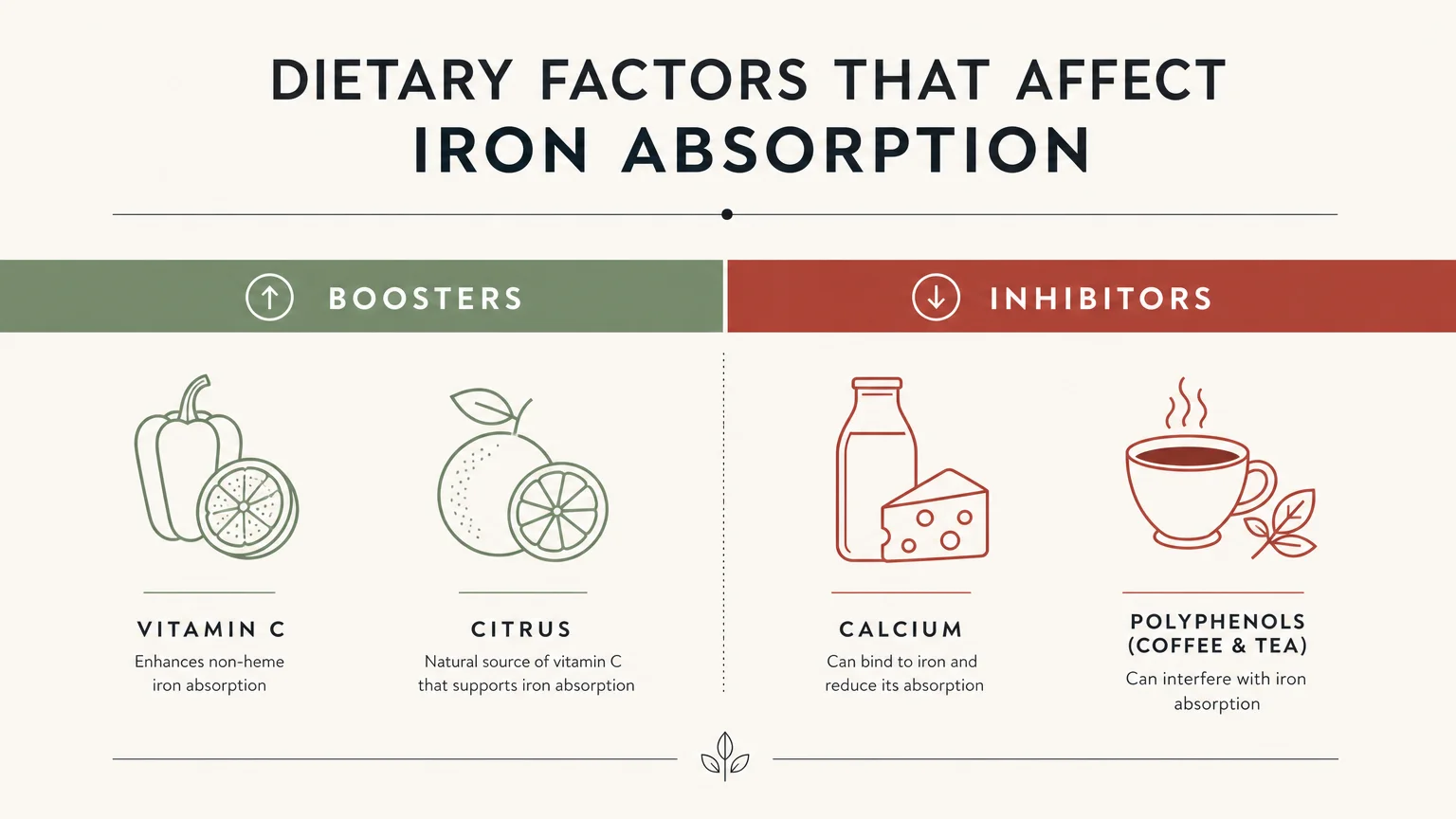
While elevating your intake of iron-rich foods brings numerous health advantages, you must navigate a few important dietary interactions to keep your body functioning harmoniously. Certain compounds found in everyday beverages and supplements can significantly hinder your body’s ability to absorb non-heme iron. For instance, the natural tannins and polyphenols present in black tea, green tea, and coffee act as powerful iron-blockers. If you frequently enjoy a warm cup of tea or coffee with your meals, consider shifting your beverage habits; try drinking these beverages at least an hour before or after eating an iron-dense meal to ensure you actually absorb the vital nutrients you consume.
Furthermore, calcium directly competes with iron for absorption within your digestive tract. If you regularly take calcium supplements to protect your bone density, never consume them alongside your primary iron sources. Space your supplements out strategically throughout the day to avoid nutrient clashing. Lastly, you must approach standalone iron supplements with extreme caution. Unlike plant-based foods—which allow your body to naturally regulate how much iron it absorbs—high-dose pills can easily lead to iron toxicity in older adults. Excess iron accumulates in your vital organs, potentially causing severe damage to your liver, heart, and pancreas over time. Always prioritize healthy nutrition from whole foods first, relying on nature to deliver these essential minerals safely and gently.
When to Speak with a Healthcare Professional
The information provided here serves to guide and empower you on your wellness journey; however, it is not a substitute for professional medical advice. Iron deficiency anemia can develop slowly, masking its presence behind subtle symptoms that many people incorrectly brush off as normal signs of aging. You should promptly schedule an appointment with your doctor if you experience persistent exhaustion, uncharacteristic shortness of breath after minor exertion, frequent dizzy spells, or unusually pale skin. Additionally, chronic cold hands and feet, alongside brittle nails that easily crack, often point toward an underlying mineral deficiency.
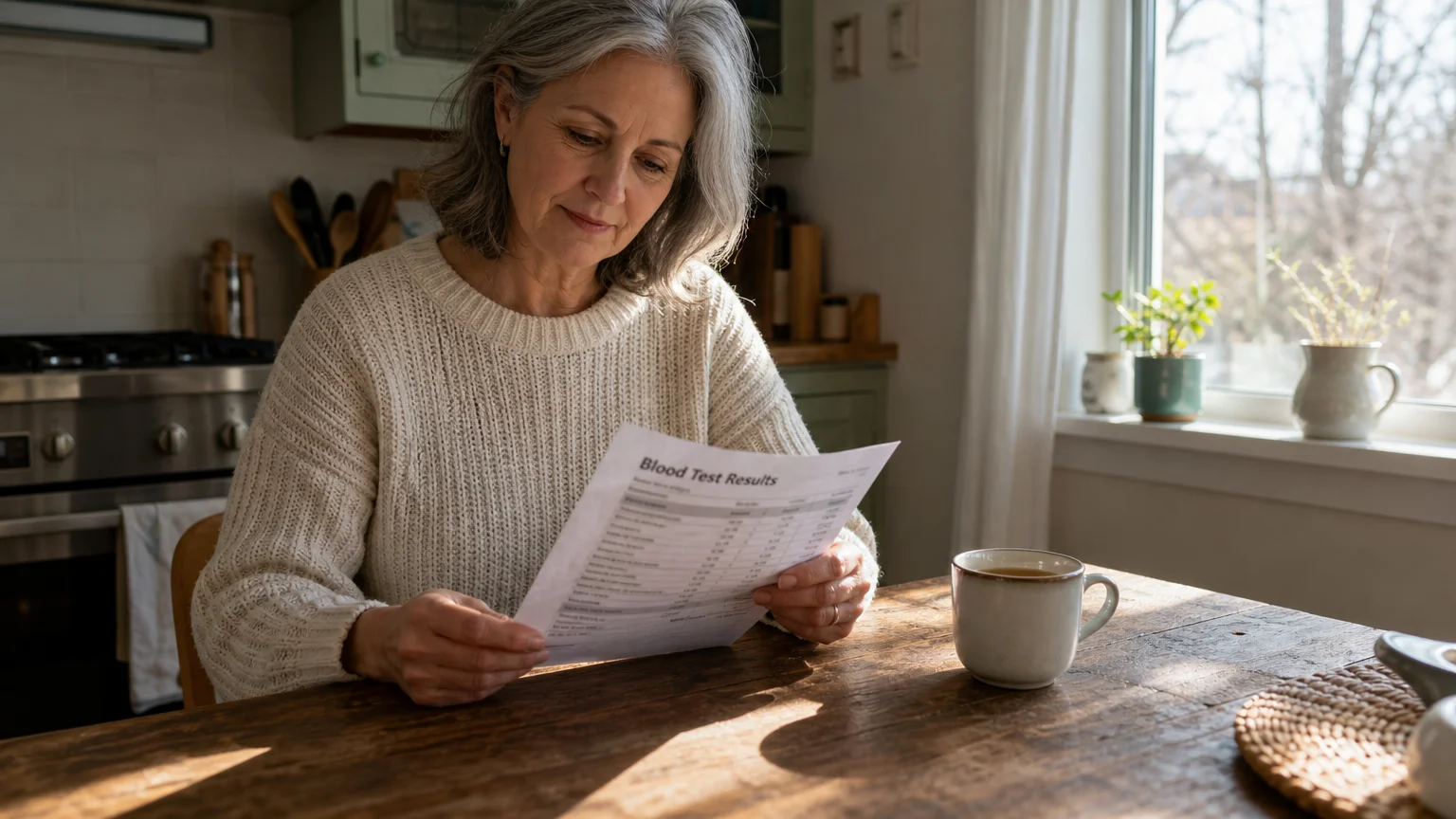
Never attempt to self-diagnose or self-prescribe over-the-counter iron pills. Because the symptoms of anemia closely mirror those of other serious medical conditions—such as thyroid dysfunction, internal bleeding, or cardiovascular issues—your healthcare provider must perform a comprehensive blood test. By measuring your hemoglobin and ferritin levels, your doctor can accurately determine the exact state of your iron stores. If a deficiency exists, your medical team will collaborate with you to create a safe, personalized treatment plan that perfectly aligns with your specific health history and current medications.
Frequently Asked Questions
How can I maximize the absorption of plant-based iron?
The most effective strategy involves pairing your non-meat iron sources with foods rich in vitamin C. Because plant-based iron is non-heme, your body requires a chemical assist to absorb it efficiently. Adding fresh citrus fruits, brightly colored bell peppers, strawberries, broccoli, or tomatoes to your iron-dense meals creates an ideal environment for maximum nutrient absorption.
Are there specific foods or drinks that block iron absorption?
Yes; several common items can interfere with your body’s ability to utilize dietary iron. The tannins found in coffee and tea are notorious for blocking iron uptake, as is the calcium found in dairy products and bone-health supplements. To protect your iron intake, try to enjoy your coffee, tea, and calcium-rich dairy snacks between meals rather than alongside your iron-rich vegetarian foods.
How much iron do adults over 55 actually need every day?
For healthy adults over the age of fifty—both men and postmenopausal women—the general recommendation stands at 8 milligrams of dietary iron per day. Because your body naturally conserves iron as you age, your daily requirement drops significantly compared to younger adults. Eating a varied diet filled with leafy greens, legumes, and nutrient-dense seeds typically provides more than enough to meet this daily goal safely.
For authoritative, trustworthy health information, always consult official sources like the National Institute on Aging (NIA) and MedlinePlus from the National Library of Medicine. The CDC also provides excellent resources for older adults.
Disclaimer: This article is for informational purposes only and does not constitute medical advice. Always seek the advice of your physician or other qualified health provider with any questions you may have regarding a medical condition.