
Recognizing when your prescription drugs stop providing relief can prevent serious health complications and improve your daily comfort. As your body ages, changes in your metabolism and kidney function directly impact medication effectiveness, meaning a pill that worked perfectly five years ago might suddenly cause new problems today. Pay close attention to subtle shifts in your physical and mental well-being, because these clues often reveal when a dosage adjustment is necessary. Learning to identify these red flags allows you to take swift action and protect your independence. By staying observant and communicating openly with your doctor, you can ensure your treatment plan evolves safely alongside your changing biological needs.
Understanding the Basics of 6 Signs That a Medication Is No Longer Working for a Senior
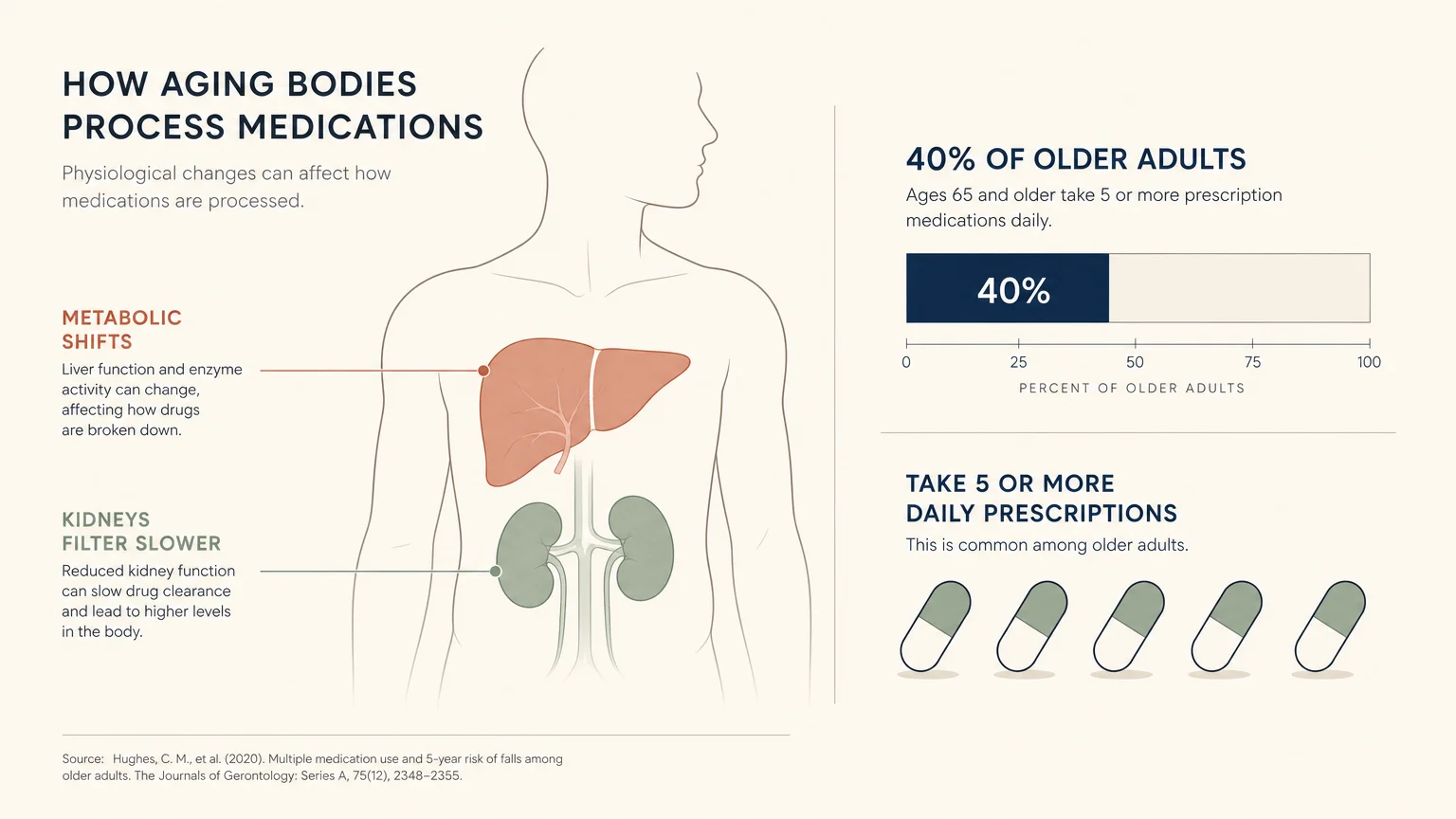
Your body goes through profound chemical and physiological shifts as you navigate your later years. The way your digestive system absorbs nutrients and compounds changes, your liver processes chemicals at a different speed, and your kidneys filter waste from your bloodstream more slowly. Because of these natural biological updates, a dose of medication that was perfectly calibrated for your fifty-year-old body might easily overwhelm or underwhelm your seventy-year-old body. Understanding these changes represents a crucial pillar of overall senior health.
Water and fat distribution also shift as you age. Older adults naturally hold a lower percentage of body water and a higher percentage of body fat. As a result, water-soluble medications become highly concentrated in your bloodstream; meanwhile, fat-soluble drugs remain trapped in your tissues much longer than intended. This prolonged physical exposure heavily influences how your body reacts to a drug and dictates how intensely you feel the effects of your daily pills. A medication can build up in your system over months or years, slowly transforming a helpful treatment into a health hazard.
Furthermore, managing multiple health conditions often requires a delicate balancing act of various treatments. Public health data indicates that nearly forty percent of older adults take five or more daily prescriptions. This common practice—known in the medical field as polypharmacy—creates a complex web of chemical interactions within your system. One pill might accelerate the breakdown of another, rendering the second pill entirely useless. Alternatively, two medications might amplify each other, turning a safe dose into an uncomfortably strong one.
Understanding these physical and chemical transitions empowers you to view your daily health with curiosity rather than fear. You remain the primary expert on how your body feels from day to day. Recognizing that medications have a natural lifecycle in your treatment plan helps you communicate clearly and confidently with your healthcare team.

Practical Tips for a Healthier, Happier Life
Remaining vigilant about your daily well-being allows you to catch minor issues before they escalate into major medical emergencies. Below, you will find six practical indicators that your current dosage or prescription might require a professional review. Monitoring these areas provides actionable insights into your ongoing health journey.
1. Your Original Symptoms Reappear or Worsen
The most obvious indicator of declining medication effectiveness is the return of the exact symptoms the drug was designed to treat. If you take medication for arthritis and suddenly find yourself struggling to open jars or climb stairs due to returning joint stiffness, your current prescription regimen may no longer provide adequate coverage. Your condition might have naturally progressed, requiring a stronger dose, or your body might have simply built a tolerance to the drug.
This dynamic proves especially important for silent conditions like high blood pressure or elevated cholesterol. You cannot typically feel your blood pressure rising, which makes routine monitoring at home incredibly important. If your home blood pressure cuff shows consistently elevated readings over several weeks despite your strict adherence to your medication schedule, you have concrete data showing the drug is falling short. Keep a small notebook near your monitoring equipment to track these trends; presenting this written record to your doctor provides them with the exact evidence they need to adjust your care safely.
2. You Experience New or Intensified Side Effects
Sometimes a medication does not stop working completely, but the balance between its benefits and its drawbacks shifts out of your favor. If you suddenly develop negative reactions to a pill you have taken comfortably for years, your body is sending a clear signal. Medication side effects often manifest differently in seniors due to the metabolic slowdowns mentioned earlier. Because your kidneys and liver take longer to clear the drug from your system, the active ingredients accumulate, essentially giving you a higher dose than your doctor intended.
For example, a gentle sleep aid that used to help you achieve eight hours of rest might suddenly leave you feeling heavily groggy and disoriented until noon. A blood thinner that previously caused no issues might suddenly result in large, unexplained bruises from minor bumps. Never dismiss these changes as just a normal part of getting older. Intensified side effects directly compromise your quality of life and indicate that your body requires a lighter dose or an entirely different class of medication.
3. You Notice Sudden Cognitive Changes or Unexplained Fatigue
The human brain becomes increasingly sensitive to chemical interference as we age. The blood-brain barrier—a protective filter that keeps unwanted substances out of your brain tissue—becomes more permeable over time. When medications cross this barrier more easily, they can trigger startling cognitive changes. If you experience sudden episodes of confusion, severe brain fog, memory lapses, or an overwhelming sense of lethargy, your medication list represents a primary suspect.
Certain classes of drugs pose a higher risk for these mental side effects. Medications carrying a high “anticholinergic burden”—such as older antihistamines for allergies, overactive bladder medications, and some antidepressants—frequently cause cognitive dulling in older adults. If you or your loved ones notice that you are losing your train of thought frequently, struggling to find common words, or feeling too exhausted to participate in your favorite hobbies, ask your doctor to evaluate your prescriptions immediately.
4. You Struggle with Balance or Experience Frequent Falls
Maintaining your physical stability is paramount to preserving your independence. A sudden increase in clumsiness, dizzy spells, or unexplained falls serves as a major warning sign that a medication is interfering with your neurological or cardiovascular system. Many blood pressure medications, for instance, can cause orthostatic hypotension—a sharp drop in blood pressure that occurs when you stand up from a seated or lying position. This sudden drop deprives your brain of oxygen for a few seconds, leading to a dizzy spell that easily results in a dangerous fall.
Similarly, sedatives, muscle relaxants, and certain nerve pain medications actively depress your central nervous system, slowing your reaction times and impairing your spatial awareness. If you find yourself gripping furniture to steady yourself or if you have experienced a recent fall, review your medication routine. Until you can consult your doctor, practice safe movement habits: sit on the edge of your bed for a full minute before standing up, and always keep a sturdy support nearby when transitioning between positions.
5. Your Appetite Disappears or Your Weight Fluctuates
Significant, unintended changes in your eating habits often trace directly back to prescription drugs. Many medications irritate the stomach lining, slow down gastric emptying, or alter the way your brain perceives hunger signals. If a drug stops supporting your body properly, you might experience persistent nausea, a strange metallic taste in your mouth, or a sudden, complete disinterest in food. These gastrointestinal disruptions quickly lead to unintended weight loss and severe nutritional deficiencies.
Conversely, some medications—particularly corticosteroids or certain diabetes management drugs—can trigger rapid fluid retention or intensified food cravings, resulting in sudden weight gain. Pay close attention to how your clothes fit and how your favorite foods taste. Proper nutrition remains vital for maintaining muscle mass and bone density; therefore, any medication that prevents you from eating a balanced diet requires immediate reassessment by your medical provider.
6. You Feel the Need to Take Extra Doses for Relief
When chronic pain, acid reflux, or anxiety breaks through your daily treatment plan, you might feel tempted to take an extra pill just to get through the afternoon. This urge strongly suggests that your body has developed a tolerance to the drug. Tolerance occurs when your cellular receptors become less responsive to a chemical compound, forcing you to consume higher quantities to achieve the original therapeutic effect.
Self-adjusting your dosage carries immense risk. Doubling up on pain relievers can cause irreversible liver damage or severe stomach bleeding, while taking extra doses of decongestants can dangerously elevate your heart rate. If your prescribed dose no longer covers your symptoms for the entire day, acknowledge this as a clear indicator that the medication is failing you. Your healthcare provider has access to a wide array of alternative therapies and extended-release formulas designed to provide safe, round-the-clock relief without the need for unauthorized extra dosing.
Important Safety Precautions to Keep in Mind
Managing your prescriptions safely requires organization and caution, especially as your aging health needs evolve. The most critical safety rule you must follow involves continuous usage: never abruptly stop taking a prescribed medication simply because you suspect it is no longer working. Discontinuing certain drugs cold turkey—such as beta-blockers for your heart or specific antidepressants—can trigger severe withdrawal symptoms, rebound hypertension, or life-threatening cardiac events. Always follow a medically supervised tapering schedule when stepping down from a drug.
You must also remain highly vigilant regarding drug interactions, particularly when introducing over-the-counter remedies into your routine. A simple herbal supplement, a daily vitamin, or even certain foods can drastically alter how your prescription drugs behave. For example, drinking grapefruit juice blocks specific enzymes in your digestive tract, causing certain cholesterol medications to build up to toxic levels in your bloodstream. St. John’s Wort, a popular herbal supplement for mood support, dangerously accelerates the breakdown of numerous heart medications and blood thinners.
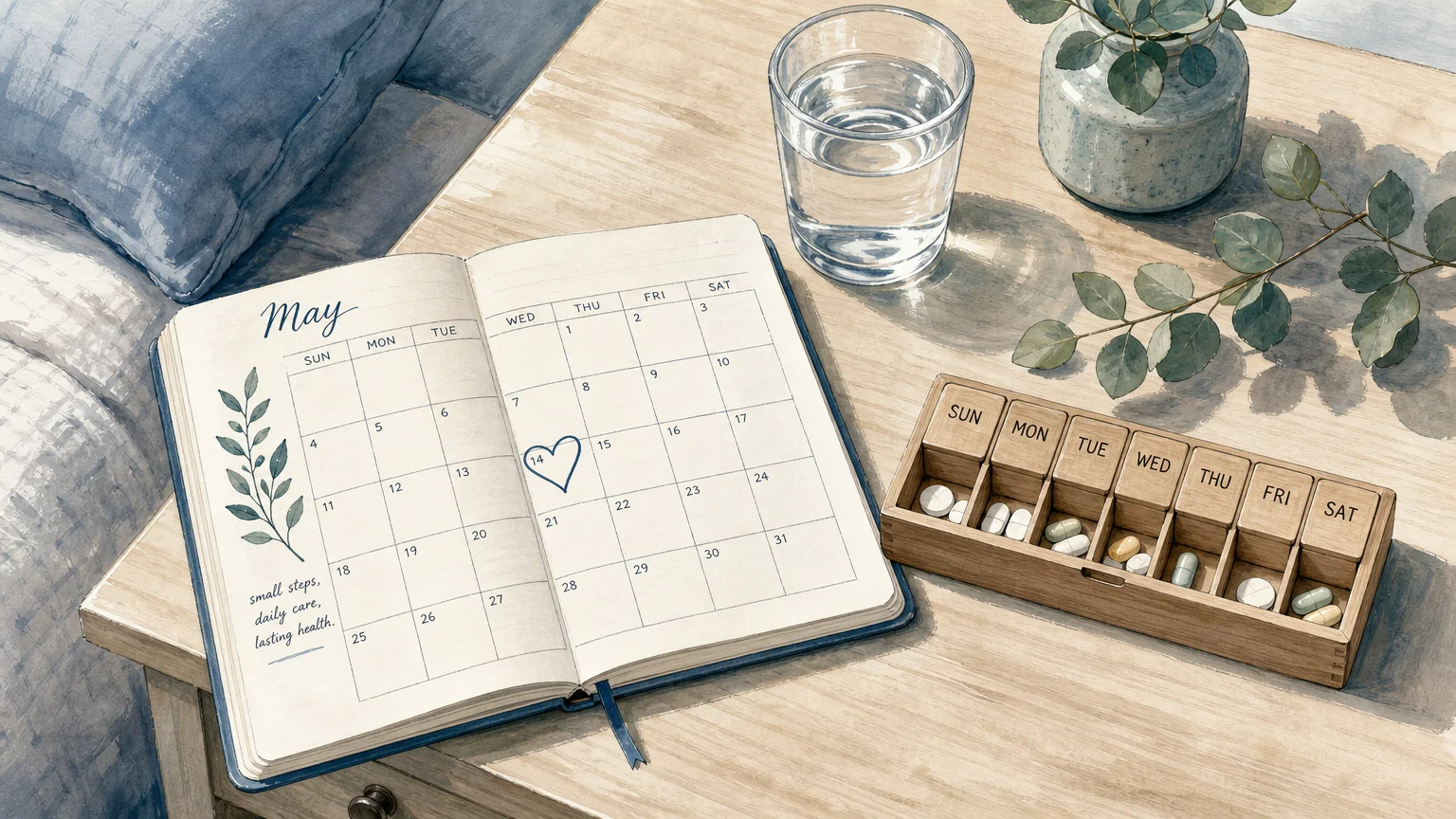
To maintain control over your routine, utilize practical organizational tools. A simple weekly pill organizer prevents accidental double-dosing and helps you visualize exactly what you have taken each day. Additionally, maintain a comprehensive, written list of every substance you ingest for your health. Include your prescription drugs, over-the-counter pain relievers, vitamins, fiber supplements, and even medicated eye drops. Carry this updated list in your wallet or purse so you can present an accurate picture of your regimen during any medical appointment or pharmacy visit.

When to Speak with a Healthcare Professional
This article provides educational insights to help you understand your body, but it is not a substitute for medical advice. You must lean on the expertise of a qualified medical professional whenever you suspect your treatment plan needs adjustments. The safest approach involves scheduling a dedicated medication review—often called a “Brown Bag” review—with your primary care doctor or your pharmacist at least once a year. During this appointment, you physically bring all your pill bottles into the office so the professional can eliminate duplicates, adjust dosages, and remove outdated prescriptions.
Beyond routine reviews, specific situations require immediate medical consultation. Call your doctor right away if you experience sudden chest pain, severe shortness of breath, unexplained swelling in your lower legs, or a rash that spreads quickly after taking a pill. Furthermore, if you or your family members notice sudden, drastic changes in your personality, severe mood swings, or signs of intense confusion, seek urgent medical evaluation. These symptoms might indicate a dangerous toxic build-up of medication that requires swift intervention.
Do not hesitate to ask detailed questions during your appointments. Inquire why a specific drug was prescribed, what side effects you should anticipate, and how long you are expected to take it. Open, honest communication with your healthcare provider ensures that your treatment plan consistently serves your best interests and protects your long-term vitality.
Frequently Asked Questions
Why do medications stop working as I get older?
As you age, your body undergoes natural changes in metabolism, digestion, and organ function. Your liver and kidneys process and eliminate chemicals much more slowly than they did in your youth. Additionally, changes in your body composition—specifically the ratio of muscle, fat, and water—alter how drugs are absorbed and stored in your tissues. These biological shifts easily turn a previously perfect dose into an ineffective or overly potent one.
Can I just cut my pill in half if the side effects are too strong?
No, you should never alter your dosage by cutting pills in half without explicit instructions from your doctor or pharmacist. Many modern pills feature special delayed-release or extended-release coatings. Slicing these pills destroys the protective coating, causing the entire dose of the medication to flood your system immediately. This sudden release can lead to dangerous overdoses or severe gastrointestinal damage.
How often should I have my medications reviewed?
Healthcare experts strongly recommend conducting a comprehensive medication review at least once a year. However, you should also request a review whenever you receive a new diagnosis, whenever you are discharged from a hospital stay, or whenever you experience a significant change in your daily health or eating habits. Frequent reviews help catch overlapping prescriptions and eliminate drugs you no longer need.
Do over-the-counter supplements affect my prescription drugs?
Yes, absolutely. Over-the-counter items like ibuprofen, antacids, herbal teas, and daily multivitamins contain active chemical compounds that interact directly with your prescriptions. Some antacids bind to medications in your stomach, preventing absorption entirely, while certain herbal supplements interfere with your liver enzymes. Always disclose every over-the-counter product you use to your pharmacist and doctor to prevent harmful interactions.
For authoritative, trustworthy health information, always consult official sources like the National Institute on Aging (NIA) and MedlinePlus from the National Library of Medicine. The CDC also provides excellent resources for older adults.
Disclaimer: This article is for informational purposes only and does not constitute medical advice. Always seek the advice of your physician or other qualified health provider with any questions you may have regarding a medical condition.