Understanding exactly how much caffeine sits in your favorite soda empowers you to protect your sleep quality and heart health as you age. When you know the true caffeine in soda, you make smarter daily beverage choices that support your overall well-being. Many older adults experience increased sensitivity to stimulants, meaning that an afternoon cola might disrupt a peaceful night of rest far more than it did decades ago. Tracking soda caffeine levels provides a simple way to manage your energy and hydration without giving up the occasional fizzy treat. By reviewing how popular soft drinks compare, you gain the knowledge needed to enjoy caffeinated beverages responsibly.
Understanding the Basics of 12 Popular Soft Drinks Ranked by Caffeine Content for Seniors
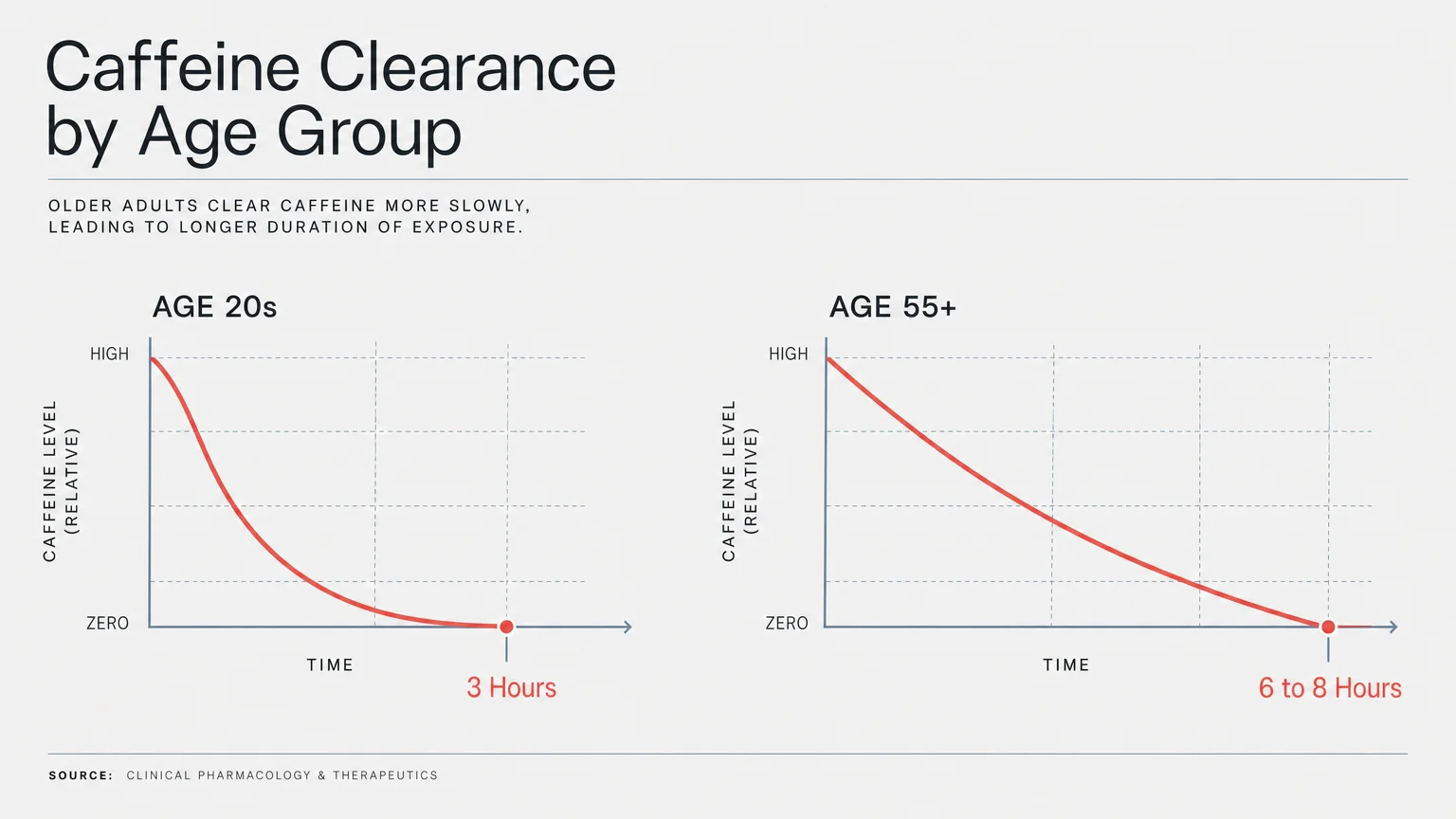
Caffeine acts as a natural central nervous system stimulant; it blocks the brain chemical responsible for making you feel tired. While a quick burst of energy feels helpful during a mid-afternoon slump, the way your body processes this stimulant changes significantly as you cross the threshold of fifty-five. Your liver metabolism naturally slows down over the years. Consequently, the caffeine from a single twelve-ounce can of soda remains in your bloodstream much longer than it did when you were in your twenties.
A stimulant that previously cleared your system in three hours might now take six or even eight hours to fully dissipate. This prolonged exposure explains why a lunchtime soda suddenly causes you to toss and turn at midnight. Furthermore, older adults often manage various prescription medications for blood pressure, heart health, or thyroid function. Caffeine can subtly interact with these medications, either amplifying their effects or reducing their absorption rates.
When looking at popular soft drinks, you must recognize that the stimulant load varies wildly from brand to brand. Many people falsely assume that all dark sodas carry the same amount of caffeine, or that clear sodas are always caffeine-free. Relying on color alone often leads to accidental overconsumption. A thorough soda comparison allows you to see the exact numbers behind the marketing labels. By treating these beverages as a measurable part of your daily dietary intake, you maintain complete control over your nervous system and your overall comfort.

Practical Tips for a Healthier, Happier Life
To help you navigate the beverage aisle with confidence, here are twelve widely consumed soft drinks ranked from the lowest amount of caffeine to the highest per standard twelve-ounce can. Each entry includes practical advice on how to safely fit the beverage into your lifestyle.
1. Canada Dry Ginger Ale (0 milligrams of caffeine)
Ginger ale remains a timeless classic for those seeking a comforting, bubbly beverage without the jolt of stimulants. A standard twelve-ounce can of Canada Dry Ginger Ale contains absolute zero caffeine. Many older adults turn to this gentle soda to help soothe mild upset stomachs, thanks to the natural ginger flavoring. Because it completely lacks caffeine, it stands as an excellent evening alternative to traditional colas. You can safely enjoy a cold glass of ginger ale with dinner and still experience a deep, undisturbed night of restful sleep.
2. Sprite (0 milligrams of caffeine)
Sprite delivers a crisp, refreshing lemon-lime flavor entirely free of caffeine. With zero milligrams in a standard twelve-ounce can, this clear soda provides a thirst-quenching option on warm summer afternoons. While it lacks stimulants, it does contain a significant amount of sugar, so mindful portion control remains important for your metabolic health. Sprite serves as a wonderful base for mocktails. Try mixing it with a splash of tart cherry juice and a squeeze of fresh lime for a festive, sleep-safe beverage during your evening social gatherings.
3. Coca-Cola Classic (34 milligrams of caffeine)
As one of the most recognizable beverages globally, Coca-Cola Classic establishes the baseline for standard soda caffeine levels. A typical twelve-ounce can holds thirty-four milligrams of caffeine. To put this into perspective, an average eight-ounce cup of home-brewed coffee contains roughly ninety-five milligrams. This makes classic cola a moderate choice if you need a very gentle midday lift. However, the combination of caffeine and corn syrup can cause a sudden energy spike followed by a crash, so closely monitor how your body feels an hour after drinking it.
4. Pepsi (38 milligrams of caffeine)
Pepsi slightly edges out its long-time rival in the stimulant department, containing thirty-eight milligrams of caffeine per twelve-ounce can. Along with this slight bump in caffeine, Pepsi features a slightly sweeter flavor profile with subtle citrus notes. For older adults, that extra four milligrams might not seem substantial, but sensitive systems can certainly detect the difference. If you choose to enjoy a Pepsi, drink it alongside a balanced meal rather than on an empty stomach. The presence of food naturally slows the absorption rate of both the sugar and the caffeine.
5. Pibb Xtra (40 milligrams of caffeine)
Often found in regional grocery markets and restaurant soda fountains, Pibb Xtra brings a spiced cherry flavor accompanied by forty milligrams of caffeine per twelve ounces. This pushes the beverage into the moderate-to-high category for standard soft drinks. The unique blend of spices and dark fruit flavors appeals to many, but the elevated caffeine content means you should treat it with respect. Make an effort to consume Pibb Xtra before two o’clock in the afternoon to prevent the stimulant from lingering in your system at bedtime.
6. Dr Pepper (41 milligrams of caffeine)
Dr Pepper boasts a complex, highly guarded recipe of twenty-three distinct flavors and a respectable forty-one milligrams of caffeine per twelve-ounce can. This iconic dark soda sits right in the middle of our ranking, providing a highly noticeable stimulant effect. Because the caffeine content creeps higher here, you should remain mindful of your total daily intake if you plan to drink more than one can. Consider drinking a glass of water alongside your Dr Pepper to ensure you stay properly hydrated while enjoying the rich flavor.
7. RC Cola (43 milligrams of caffeine)
Royal Crown Cola, affectionately known as RC Cola, carries a rich history and a surprisingly robust caffeine profile. A twelve-ounce serving delivers forty-three milligrams of caffeine. Many people incorrectly assume all standard colas contain identical stimulant levels, but RC Cola clearly demonstrates why checking the label matters. Since forty-three milligrams represents nearly half a cup of standard coffee, treat RC Cola as a genuine energy booster. Reserve this specific beverage for early afternoon picnics to keep your evening relaxation completely uninterrupted.
8. Diet Coke (46 milligrams of caffeine)
It frequently surprises people to learn that diet variations often pack more of a punch than their sugary counterparts. Diet Coke contains forty-six milligrams of caffeine per twelve-ounce can—a full twelve milligrams more than Coca-Cola Classic. Manufacturers often increase the caffeine in diet sodas to compensate for the missing flavor and mouthfeel of actual sugar. If you switched to Diet Coke to manage your blood sugar, remain fully aware that you simultaneously increased your stimulant intake, which could inadvertently raise your resting heart rate.
9. Mello Yello (51 milligrams of caffeine)
Stepping into the citrus-flavored energy soda category brings a sharp increase in stimulant levels. Mello Yello contains fifty-one milligrams of caffeine per twelve ounces. Beverages in this class are specifically formulated to provide an aggressive burst of energy. For a senior managing high blood pressure or taking complex heart medications, a sudden influx of fifty-one milligrams of caffeine can cause noticeable physical reactions. Exercise caution with these bright yellow sodas, treating them more like specialized energy drinks than casual refreshments.
10. Mountain Dew (54 milligrams of caffeine)
Mountain Dew has long held a reputation as a highly caffeinated beverage, and the nutritional numbers validate that claim. A standard twelve-ounce can carries fifty-four milligrams of caffeine. Combined with its exceptionally high sugar content, Mountain Dew forces the central nervous system to process a massive influx of stimulation all at once. As we age, our cardiovascular system handles these extreme spikes less efficiently. If you truly crave the flavor, consider splitting a single can with a friend to halve your exposure to the intense stimulant load.
11. Sun Drop (64 milligrams of caffeine)
Sun Drop ranks near the absolute top of traditional soft drinks, delivering a massive sixty-four milligrams of caffeine in every twelve-ounce can. This regional citrus favorite packs nearly double the caffeine of a classic cola. For older adults, consuming sixty-four milligrams of liquid caffeine in a matter of minutes can easily trigger rapid heartbeats, anxiousness, and severe sleep disruption. If you choose to drink Sun Drop, pour it over a tall glass of crushed ice and sip it very slowly over an hour to temper the absorption rate.
12. Pepsi Zero Sugar (69 milligrams of caffeine)
Topping our list is Pepsi Zero Sugar, which contains an astonishing sixty-nine milligrams of caffeine per twelve-ounce serving. This formulation contains exactly twice the caffeine of a standard Coca-Cola Classic. Manufacturers boosted the stimulant profile to provide a powerful energy lift without the calories. However, sixty-nine milligrams firmly approaches the territory of specialized energy drinks. You must treat Pepsi Zero Sugar with extreme care. Consuming this specific beverage late in the day will almost certainly interfere with your natural circadian rhythm and nighttime recovery.

Important Safety Precautions to Keep in Mind
While enjoying a cold soda brings simple joy to your day, older adults must balance that enjoyment with practical health considerations. The most pressing concern regarding dark sodas involves your bone density. Beverages like classic colas and Dr Pepper contain phosphoric acid, an ingredient that provides that signature tangy bite. Unfortunately, excessive consumption of phosphoric acid can leach calcium from your bones. As we age, maintaining bone strength becomes critical to preventing fractures and osteoporosis. Limit your intake of dark sodas to protect your skeletal health over the long term.
Hydration presents another significant safety factor. Caffeine acts as a mild diuretic, prompting your kidneys to flush water from your body. Because the human sense of thirst naturally diminishes with age, older adults already face a higher risk of chronic dehydration. If you consume highly caffeinated beverages, you must actively replenish your system by drinking plain water throughout the day. Never rely on caffeinated sodas as your primary source of daily hydration.
Finally, consider the undeniable impact of carbonation and caffeine on your digestive tract. Both elements naturally relax the lower esophageal sphincter, the muscle responsible for keeping stomach acid where it belongs. If you struggle with heartburn, acid reflux, or gastroesophageal reflux disease (GERD), highly caffeinated, fizzy drinks can easily trigger painful flare-ups. Pay close attention to your body’s signals and switch to non-carbonated, decaffeinated alternatives if your stomach voices its discomfort.

When to Speak with a Healthcare Professional
This article is entirely informational and never serves as a substitute for professional medical advice. Your individual health profile, medical history, and prescription routine dictate how your body handles dietary stimulants. What feels like a harmless midday treat for one person might cause significant discomfort for another.
You should immediately consult your physician if you experience any concerning physical reactions after consuming caffeinated beverages. Watch closely for warning signs such as a racing or irregular heartbeat, sudden spikes in your home blood pressure readings, or sudden, unexplainable feelings of anxiety. Additionally, if you suffer from chronic insomnia or wake up frequently during the night, mention your soda consumption to your doctor. They can help you determine if the hidden stimulants in your diet are secretly sabotaging your restorative sleep. Always bring your full list of medications to your doctor’s appointments to ensure none of them negatively interact with the caffeine levels you consume daily.
Frequently Asked Questions
Does diet soda always have more caffeine than regular soda?
Not always, but it happens very frequently. Food scientists often increase the caffeine content in diet sodas to make up for the flavor and energy burst lost when removing traditional sugar. For example, Diet Coke contains significantly more caffeine than Coca-Cola Classic. However, Diet Pepsi actually contains slightly less caffeine than regular Pepsi. Because the rules vary by brand, you should always check the nutritional label to verify the exact stimulant content.
How much caffeine is generally safe for an older adult to consume daily?
The FDA suggests a general limit of four hundred milligrams per day for healthy adults. However, because the aging body processes stimulants much more slowly, many geriatric specialists recommend that older adults stay well under two hundred milligrams per day. If you have a history of heart arrhythmias, high blood pressure, or severe anxiety, your doctor might recommend limiting your intake to under fifty milligrams or eliminating it entirely.
Does caffeine from soda affect the body differently than caffeine from coffee?
Yes, it certainly can. Coffee contains natural antioxidants and is usually consumed hot, which encourages slower sipping. Soda is served cold and highly carbonated, leading people to drink it much faster. This rapid consumption delivers the caffeine to your bloodstream much quicker, often resulting in a sharper, more sudden spike in energy and heart rate. Additionally, the high sugar content in regular soda compounds this effect, creating a dual spike of sugar and stimulation.
Can caffeinated soda cause serious dehydration?
While soda consists primarily of water, the caffeine acts as a diuretic, meaning it encourages your body to release fluids. A single can of soda will not severely dehydrate a healthy adult, as the water in the beverage partially offsets the diuretic effect. However, if you drink multiple caffeinated sodas daily while neglecting plain water, you can easily develop mild, chronic dehydration. Always prioritize pure water for your fundamental hydration needs.
For authoritative, trustworthy health information, always consult official sources like the National Institute on Aging (NIA) and MedlinePlus from the National Library of Medicine. The CDC also provides excellent resources for older adults.
Disclaimer: This article is for informational purposes only and does not constitute medical advice. Always seek the advice of your physician or other qualified health provider with any questions you may have regarding a medical condition.