
Addressing your obstructive sleep apnea requires more than adjusting your sleeping position; incorporating specific, nutrient-dense foods into your meals offers a natural way to support your nighttime rest. As you navigate sleep health, you might notice that traditional remedies only go so far. Specific vitamins, minerals, and antioxidants directly influence muscle relaxation and reduce airway inflammation, making a healthy diet an essential tool for better sleep. By carefully selecting what goes on your plate, you empower your body to maintain open airways and achieve deeper restorative cycles. Discovering these seven accessible foods provides practical strategies to soothe your symptoms and help you wake up feeling genuinely refreshed and energized every single morning.
Understanding the Basics of Sleep Apnea and Diet for Seniors
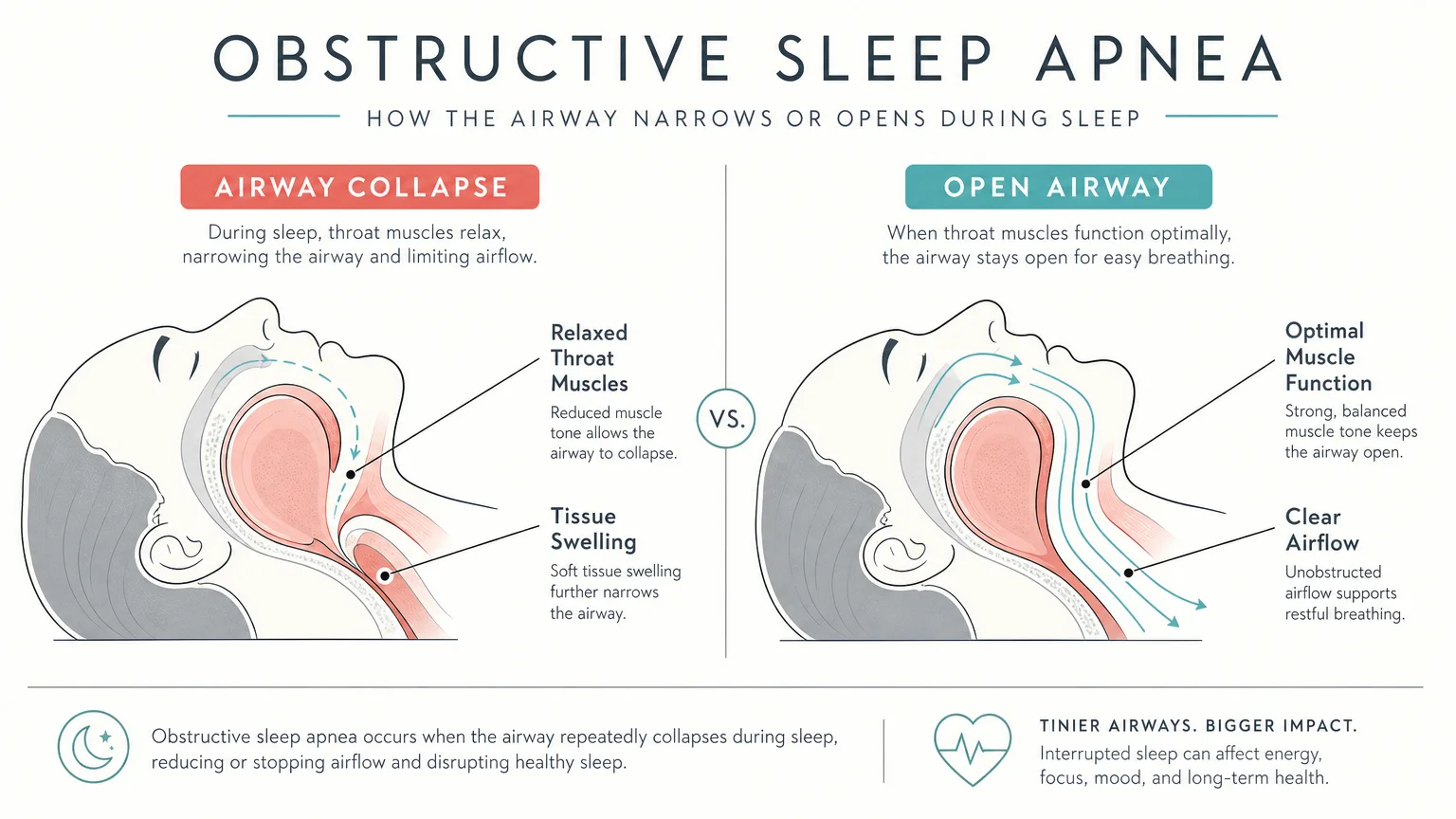
Obstructive sleep apnea occurs when the muscles in the back of your throat relax too much during the night, causing your airway to narrow or close entirely. When this happens, your breathing pauses momentarily, which causes the oxygen levels in your blood to drop. Your brain senses this deprivation and briefly wakes you up so you can reopen your airway—a cycle that can repeat dozens of times every hour. Because these awakenings are often so brief that you do not remember them, you might spend eight hours in bed but still wake up feeling entirely drained of energy.
As you grow older, your body naturally loses some muscle tone, and the tissues in your throat become more susceptible to collapsing during deep relaxation. Furthermore, obstructive sleep apnea creates a vicious cycle of systemic inflammation. Every time your oxygen levels dip, your body experiences physiological stress, which triggers inflammatory responses throughout your system. This inflammation can cause the tissues lining your airway to swell, making them even more likely to collapse the next time you fall asleep.
Dietary choices directly influence this underlying inflammation and affect your overall sleep health. Consuming foods high in refined sugars and heavy, saturated fats exacerbates tissue swelling and places extra stress on your cardiovascular system. Conversely, a healthy diet rich in specific antioxidants, minerals, and vitamins helps to soothe this inflammation. While no single food can physically prop your airway open, building a nutrition plan around anti-inflammatory ingredients reduces fluid retention in your neck and supports optimal muscle function. By managing the swelling in your respiratory tract through targeted nutrition, you provide your body with a stronger foundation for uninterrupted breathing and better sleep.
Weight management also naturally intersects with sleep apnea. Carrying excess weight, particularly around your neck, places physical pressure on your airway and increases the likelihood of obstruction. Integrating nutrient-rich, satisfying foods into your daily routine helps you maintain a healthy weight without feeling deprived. When you focus on nourishing your body rather than simply restricting calories, you create a sustainable lifestyle that benefits both your respiratory function and your overall vitality.

Practical Tips for a Healthier, Happier Life
Transitioning to a diet that supports your respiratory health does not require complicated recipes or obscure ingredients. Adding specific, scientifically backed foods to your weekly grocery list gives you practical, actionable ways to target the symptoms of your condition. Here are seven powerful foods for sleep apnea that you can easily incorporate into your daily routine.
1. Melatonin-Rich Tart Cherries
Your body relies on a hormone called melatonin to regulate your natural sleep-wake cycle. As you age, your natural production of melatonin often decreases, making it harder to fall asleep and stay asleep through the night. Tart cherries—specifically the Montmorency variety—stand out as one of the few natural food sources of exogenous melatonin. Consuming tart cherries elevates your circulating melatonin levels, signaling to your brain that it is time to rest. Furthermore, tart cherries contain high levels of anthocyanins, which are potent antioxidants that actively reduce bodily inflammation. Less inflammation means less swelling in your upper airway. For an easy nighttime routine, try drinking a small, half-cup serving of unsweetened tart cherry juice about an hour before you plan to go to bed.
2. Omega-3 Packed Fatty Fish
Fatty fish such as wild-caught salmon, mackerel, and sardines provide an incredible source of omega-3 fatty acids, specifically EPA and DHA. These powerful fats are renowned for their anti-inflammatory properties, which directly counteract the cardiovascular stress and tissue swelling caused by obstructive sleep apnea. When you consume omega-3s, your body uses them to build cellular membranes and produce molecules that resolve inflammation. Fatty fish also offers a substantial dose of Vitamin D, a nutrient heavily linked to sleep regulation. Research indicates that a deficiency in Vitamin D correlates with poor sleep quality and increased sleep apnea severity. Aim to enjoy baked or grilled fatty fish at least twice a week to keep your systemic inflammation in check.
3. Magnesium-Dense Almonds
Magnesium is an essential mineral that acts as a natural relaxant for your nervous system and your muscular system. It works by blocking calcium from entering your muscle cells too quickly, preventing them from cramping or twitching out of rhythm. For someone managing sleep health, adequate magnesium ensures that the smooth muscles in your body—including those supporting your respiratory tract—function properly without spasming. Almonds provide an exceptionally high concentration of bioavailable magnesium, alongside healthy monounsaturated fats that keep your blood sugar stable throughout the night. Keep a small container of unsalted almonds on your kitchen counter, and grab a small handful as a satisfying afternoon snack to support your evening relaxation.
4. Anti-Inflammatory Turmeric
Turmeric is a vibrant golden spice containing curcumin, an active compound famous for crossing the blood-brain barrier and neutralizing free radicals. The recurrent drops in oxygen that define sleep apnea generate significant oxidative stress, damaging cells and promoting mucus buildup in the throat. Curcumin acts as a powerful scavenger of these free radicals, helping to clear the oxidative burden from your respiratory pathways. Because curcumin is difficult for your body to absorb on its own, you must pair it with a pinch of black pepper and a healthy fat to activate its benefits. Whisking half a teaspoon of turmeric into a warm cup of almond milk—often called golden milk—creates a deeply soothing, anti-inflammatory evening beverage.
5. Complex Carbohydrates from Whole Oats
Carbohydrates often get a bad reputation, but complex carbohydrates are vital for better sleep. Eating a heavy, sugary snack before bed causes your blood glucose to spike and subsequently crash, triggering a release of cortisol that will jolt you awake at three in the morning. Whole oats digest slowly, providing a steady, gentle release of energy that keeps your blood sugar perfectly stable. Additionally, this slow digestion prompts a minor insulin response that clears competing amino acids from your bloodstream, allowing tryptophan to cross into your brain more easily. Your brain then converts this tryptophan into serotonin and melatonin. A warm, small bowl of oatmeal topped with a dash of cinnamon makes an excellent, sleep-promoting evening choice.
6. Vitamin C-Packed Kiwi Fruit
Kiwis are small but mighty fruits packed with Vitamin C, Vitamin E, and potassium. Their high antioxidant content helps repair the cellular damage inflicted by the hypoxia—or low oxygen—associated with apneas. Beyond their antioxidant capacity, kiwis contain a notable concentration of serotonin, a brain messenger that helps initiate the onset of sleep. Studies focusing on adults with sleep disturbances have demonstrated that eating two kiwis an hour before bedtime significantly helps people fall asleep faster and increases their total sleep time. You can easily slice a kiwi in half and scoop out the vibrant green flesh with a spoon for a refreshing, hydrating dessert that actively supports your nighttime recovery.
7. Potassium-Heavy Bananas
Bananas offer a gentle, easily digestible source of both potassium and magnesium, two minerals that work in tandem to relax overactive muscles. If your sleep architecture is already disrupted by airway blockages, the last thing you need is a painful leg cramp waking you up further. The potassium in bananas ensures proper nerve transmission and muscle contraction, helping you remain physically comfortable in bed. They also contain a healthy dose of tryptophan to feed your natural melatonin production. Blending half a banana into an evening smoothie or simply enjoying it alongside a spoonful of unsweetened almond butter creates a perfect bridge between dinner and bedtime, ensuring you do not wake up hungry or restless.

Important Safety Precautions to Keep in Mind
While integrating these healing foods into your diet offers fantastic benefits, you must approach your condition safely and holistically. Adjusting your meals is a complementary strategy, not a primary cure. Your diet should never replace prescribed medical treatments, such as using a Continuous Positive Airway Pressure (CPAP) machine or wearing a dental appliance recommended by your specialist.
You must also be mindful of the timing of your meals. Eating a large meal or snacking heavily right before lying down significantly increases your risk of gastroesophageal reflux disease (GERD). Acid reflux is a common companion to sleep apnea; when stomach acid flows back into your esophagus, it causes severe irritation and swelling in your throat, which further narrows your airway. To protect your sleep health, plan to finish eating at least two to three hours before your head hits the pillow, allowing your stomach ample time to empty.
Always consider how dietary changes might interact with your current medications or existing health conditions. If you take blood-thinning medications like warfarin, dramatically increasing your intake of certain antioxidants or leafy greens can interfere with how your medication works. Similarly, if you have any history of kidney issues, you should consult your doctor before significantly increasing your potassium intake from foods like bananas. Listen to your body and introduce new foods gradually, ensuring they digest well and do not trigger unexpected food sensitivities or allergies.

When to Speak with a Healthcare Professional
Because sleep apnea directly impacts your heart, brain, and metabolic health, it requires professional medical supervision. If you make positive changes to your diet but continue to struggle with your nighttime breathing, it is time to seek professional guidance. You should schedule an appointment with your doctor if your partner notices you gasping, choking, or completely stopping breathing during the night. Furthermore, if you wake up with severe morning headaches, experience overwhelming daytime fatigue that leads to falling asleep during routine activities, or notice irregular heartbeats, you must pursue a formal medical evaluation. Your doctor can order a sleep study to accurately measure your oxygen levels and determine the severity of your blockages.
For authoritative, trustworthy health information, always consult official sources like the National Institute on Aging (NIA) and MedlinePlus from the National Library of Medicine. The CDC also provides excellent resources for older adults.
Disclaimer: This article is for informational purposes only and does not constitute medical advice. Always seek the advice of your physician or other qualified health provider with any questions you may have regarding a medical condition.
Frequently Asked Questions
Can a healthy diet replace my CPAP machine?
No, a healthy diet cannot replace a CPAP machine or other medically prescribed devices. Obstructive sleep apnea is a mechanical and structural issue where the tissues physically block your airway. While eating anti-inflammatory foods reduces swelling and improves overall sleep quality, it does not exert the physical air pressure required to hold your throat open. Think of your diet as a supportive companion to your medical treatments, working from the inside out to optimize your health while your CPAP manages the structural blockage.
What foods should I actively avoid before bedtime?
To protect your airway and promote deep rest, you should avoid foods that trigger inflammation or disrupt your nervous system. Highly processed sugary snacks, heavy fried foods, and refined carbohydrates cause blood sugar instability and increase tissue swelling. You should also avoid caffeine and chocolate in the late afternoon and evening, as they act as stimulants. Furthermore, completely avoid alcohol before bed; while alcohol might make you feel drowsy, it aggressively relaxes the muscles in your throat, drastically worsening airway collapse and disrupting your deep sleep cycles.
Does the timing of my meals affect my obstructive sleep apnea?
Yes, the timing of your meals significantly impacts your nighttime breathing. Lying flat on your back shortly after eating causes stomach contents to press against your esophageal sphincter. If acid escapes into your esophagus, it inflames the surrounding tissues, including your airway. This swelling directly contributes to apneas and snoring. Aim to consume your largest meals earlier in the day, and keep your evening snacks light and easy to digest, finishing all food intake at least two hours prior to sleeping.
How long will it take to notice better sleep after changing my diet?
The timeline for experiencing better sleep varies from person to person. Because a nutritional approach relies on gradually reducing systemic inflammation and building up essential nutrients like magnesium and melatonin, it usually takes a few weeks of consistent habits to notice a difference. You might observe subtle changes quickly, such as fewer nighttime leg cramps or slightly more morning energy, but deep, structural reductions in mucosal inflammation generally require three to four weeks of sustained, healthy dietary choices.