
Prioritizing preventive care transforms your retirement years into a vibrant, active chapter of life rather than a series of medical emergencies. Scheduling regular health screenings gives you the power to detect potential issues early, often before any symptoms arise. By catching conditions like high blood pressure, elevated cholesterol, or vision changes in their most treatable stages, you drastically improve your chances of maintaining complete independence. You have worked hard to reach this stage of life; now it is time to protect your well-being so you can fully enjoy your favorite hobbies, travel plans, and family gatherings. Armed with the right information, you can partner with your physician to create a proactive plan that safeguards your longevity and overall vitality.
Understanding the Basics of Health Screenings for Seniors
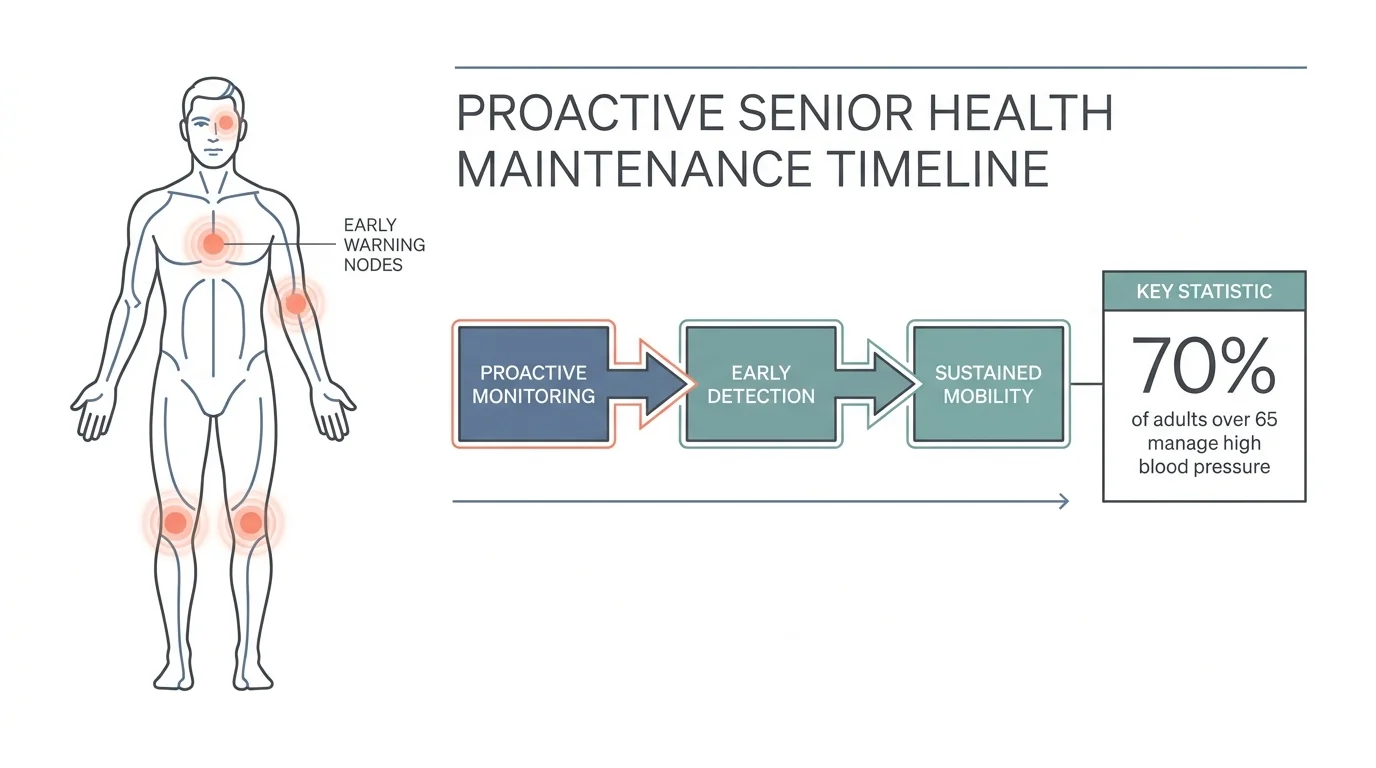
As your body ages, your healthcare strategy must evolve alongside it. When you were younger, you likely visited the doctor only when illness or injury struck; however, your later years demand a profound shift toward proactive, preventive maintenance. Cellular regeneration slows down over the decades, meaning your immune system, cardiovascular network, and skeletal structure require closer monitoring. Health screenings serve as your personal early warning system—they illuminate hidden changes occurring beneath the surface long before you feel sick or experience physical pain.
Medical data consistently shows that early intervention dramatically improves health outcomes for older adults. For example, discovering a slight elevation in your blood sugar allows you to adjust your daily diet immediately, effectively halting the progression toward full-blown disease. Similarly, identifying early signs of bone density loss empowers you to begin strength training and targeted supplementation before a devastating fracture occurs. Prioritizing these routine evaluations forms the very foundation of comprehensive senior health and sets the stage for a resilient future.
Many older adults mistakenly believe that aging naturally involves an inevitable and steep decline in vitality, but rigorous preventive practices prove otherwise. You hold immense power over how you age. By leveraging the diagnostic tools available today, you take direct control of your health narrative. Instead of waiting for a medical crisis to dictate your lifestyle, you actively gather the intelligence needed to sustain your mobility, preserve your cognitive function, and protect your hard-earned independence. Consistent, proactive monitoring builds a robust defense against chronic disease and embodies the ultimate goal of retirement wellness.
Practical Tips for a Healthier, Happier Life
Taking charge of your healthy aging journey requires specific, actionable steps. By scheduling the following seven evaluations, you establish a comprehensive baseline for your physical well-being. Work closely with your medical team to integrate these essential tests into your yearly routine.
1. Blood Pressure Monitoring
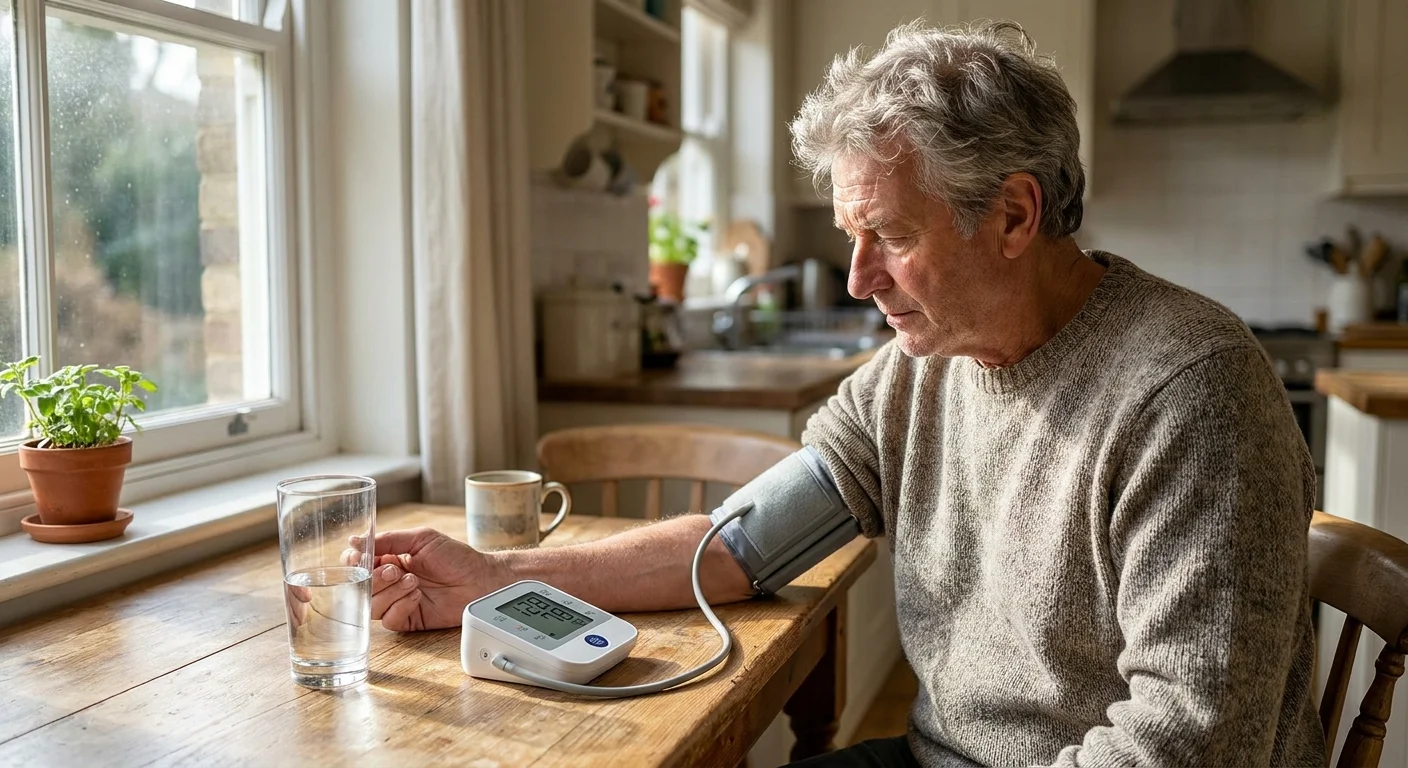
Hypertension silently damages your delicate blood vessels over time, significantly increasing your risk of heart attacks, strokes, and kidney disease. Because high blood pressure rarely presents obvious physical symptoms, frequent and accurate monitoring remains your absolute best defense. The Centers for Disease Control and Prevention reports that nearly seventy percent of adults over the age of sixty-five manage high blood pressure. You should have a medical professional check your blood pressure at least once a year, though your doctor may recommend more frequent checks or a home monitor if your readings trend high.
To ensure total accuracy during your appointment, prepare your body before the cuff goes on. Arrive a few minutes early to rest in the waiting room, avoid consuming caffeine or tobacco for at least two hours beforehand, and make sure you empty your bladder. When the nurse takes the measurement, sit quietly with your back supported and both feet flat on the floor; crossing your legs can artificially elevate the reading.
2. Comprehensive Cholesterol and Lipid Profile
Your body requires a certain amount of cholesterol to build healthy cells and produce essential hormones; however, high levels of low-density lipoprotein—often called bad cholesterol—can create dangerous plaques in your arteries. A simple blood test called a lipid panel measures your total cholesterol, triglycerides, and the specific ratio of good to bad cholesterol in your bloodstream. Medical professionals advise scheduling a lipid profile every one to two years during retirement, depending on your personal risk factors.
Because your recent meals immediately impact your triglyceride levels, you must fast for nine to twelve hours before the phlebotomist draws your blood. Drink plenty of plain water during this fasting period to keep your veins hydrated, making the blood draw much easier and less painful. Knowing these internal numbers allows you to make informed decisions about your daily intake of saturated fats and helps your doctor determine if you need cholesterol-lowering medication to protect your cardiovascular system.
3. Colorectal Cancer Screening
Colorectal cancer almost always begins as a slow-growing, noncancerous growth known as a polyp. Finding and removing these polyps before they have the opportunity to turn malignant makes this specific form of cancer highly preventable. Doctors generally recommend regular colorectal screenings for all adults until at least age seventy-five. You have several distinct options for this screening, ranging from a traditional colonoscopy—which provides a comprehensive visual examination of your entire colon—to noninvasive, at-home stool-based tests like the fecal immunochemical test.
While a traditional colonoscopy requires a day of dietary preparation and mild sedation, it typically only needs to happen once every ten years if your results return entirely clear. If you choose a noninvasive stool test, you will collect the sample in the comfort of your own bathroom and mail it to a laboratory. Discuss your family history, your current digestive symptoms, and your personal comfort level with your doctor to select the most appropriate screening method.
4. Bone Mineral Density Scan
Osteoporosis causes your bones to become progressively weak and brittle, making accidental falls incredibly dangerous and potentially life-altering. A dual-energy x-ray absorptiometry scan, commonly referred to as a DEXA scan, uses a very low dose of radiation to accurately measure the density of your bones—focusing particularly on your vulnerable hip and spine. Women should begin routine bone density screening at age sixty-five, while men should typically start at age seventy, unless specific medical risk factors necessitate earlier testing.
The scanning procedure is entirely painless, requires no injections, and takes less than fifteen minutes to complete. You simply lie flat on a padded table while a mechanical arm passes over your body. If the scan reveals low bone mass, you can immediately implement practical interventions. You can begin gentle weight-bearing exercises like walking or dancing, increase your dietary calcium and vitamin D intake, and explore bone-strengthening medications with your healthcare provider.
5. Thorough Vision and Eye Health Examination
Age-related macular degeneration, cataracts, and glaucoma pose significant threats to your vision and, consequently, your overall independence. Glaucoma often earns the title of “the sneak thief of sight” because it steadily destroys your optic nerve without causing initial pain or noticeable peripheral vision loss. To protect your eyesight, schedule a comprehensive, dilated eye exam every one to two years. A standard vision screening for a new glasses prescription will not detect these deep internal diseases.
During a comprehensive appointment, the eye doctor will administer special drops to widen your pupils, allowing them to thoroughly inspect the delicate blood vessels at the back of your eye. Always bring your current eyeglasses or contact lenses to the appointment so the doctor can evaluate your current prescription. Arrange for a friend or family member to drive you home afterward, as the dilating drops will make your eyes temporarily sensitive to bright sunlight and blur your close-up vision.
6. Professional Hearing Assessment
Hearing loss affects far more than just the volume of your daily conversations; it directly and profoundly impacts your cognitive health and emotional well-being. Modern medical studies consistently link untreated hearing loss to social isolation, severe depression, and an accelerated risk of developing dementia. The constant physical strain of trying to decipher muffled speech overworks your brain, diverting essential cognitive resources away from memory storage and quick mental processing.
Audiologists strongly recommend establishing a baseline hearing test at age sixty, followed by regular reassessments every two to three years. The standard examination takes place in a quiet, soundproof booth and involves listening to a variety of tones, pitches, and spoken words through headphones. If you notice yourself frequently asking people to repeat themselves, struggling to follow conversations in noisy restaurants, or turning up the television volume higher than usual, request a hearing evaluation immediately. Modern hearing aids are incredibly discreet and provide immediate improvements to your quality of life.
7. Blood Glucose and Diabetes Screening
Your body’s ability to process and utilize sugar naturally changes as you grow older. Insulin resistance occurs when your cells stop responding effectively to the hormone insulin, causing glucose to build up dangerously in your bloodstream. A fasting blood sugar test or a hemoglobin A1C test provides a highly accurate picture of your average blood sugar levels over the past three months. Identifying elevated glucose levels early helps you combat prediabetes before it permanently advances into type 2 diabetes.
Managing your blood sugar effectively protects your delicate nerves, kidneys, and vision from long-term, irreversible damage. To prepare for a fasting glucose test, you must avoid eating or drinking anything besides water for at least eight hours before the blood draw. If your test results indicate prediabetes, do not panic. Your doctor will likely prescribe a tailored, highly actionable routine of moderate daily exercise and minor nutritional adjustments—such as increasing fiber and reducing refined carbohydrates—to stabilize your metabolism and reverse the trend.
Important Safety Precautions to Keep in Mind
While gathering accurate medical data remains a primary cornerstone of healthy aging, you must balance the pursuit of information with careful consideration. More testing does not automatically guarantee better health; in fact, aggressive over-screening can sometimes introduce unnecessary emotional stress and avoidable physical risks.
First, recognize the statistical reality of false positives. No medical test provides absolute perfection. A screening might occasionally flag an irregularity that ultimately proves entirely harmless, yet the initial abnormal result can trigger intense anxiety and lead to invasive, uncomfortable follow-up procedures. You should always maintain open, honest communication with your physician about the likelihood of false positives and the actual physical risks associated with any proposed secondary diagnostic tests.
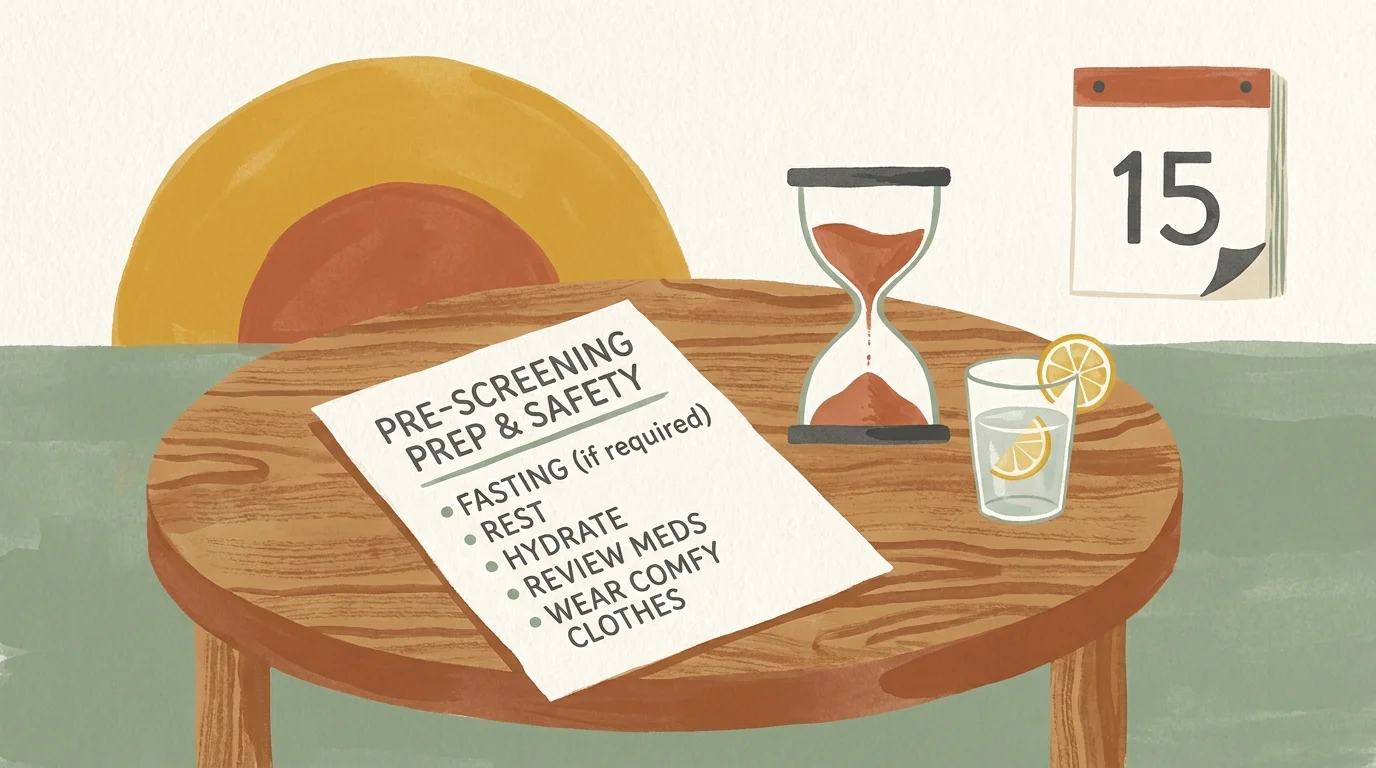
Second, seriously consider the physical toll of invasive medical preparations. Tests that require prolonged fasting, aggressive bowel preparation, or the temporary cessation of your regular daily medications demand careful physical management. If you currently manage multiple chronic conditions or take several prescription medications, drastically altering your routine for a screening could disrupt your internal physiological balance. Always provide your scheduling nurse with a complete, updated list of your medications—including all over-the-counter vitamins and herbal supplements—to ensure the preparation protocol will not negatively interact with your current regimen.
Finally, evaluate the valid medical concept of watchful waiting. Sometimes, a routine screening detects a minor, incredibly slow-growing anomaly that may never cause you actual harm during your lifetime. In these specific scenarios, aggressive medical treatment might reduce your daily quality of life far more than the condition itself. Partner closely with your primary care physician to weigh the true benefits of immediate intervention against the proven advantages of simply monitoring the situation over time.

When to Speak with a Healthcare Professional
The guidance provided in this article serves as a general, supportive roadmap for preventive care, but it does not replace the highly personalized, expert advice of your dedicated medical team. You must remain incredibly vigilant about listening to your own body and communicating promptly with your doctor whenever you notice unexplained, persistent changes in your daily health.
Do not wait for your officially scheduled annual wellness visit if you experience acute or alarming physical symptoms. Seek immediate medical evaluation if you encounter sudden and severe pain, unexpected weight loss without intentionally altering your diet, profound physical fatigue that interferes with your basic daily tasks, or any unusual bleeding. Furthermore, sudden changes in your vision, new and repeated instances of dizziness, or sudden difficulty breathing require urgent professional attention in a clinical setting.
Always consult your primary physician before stopping or starting any new medication, dietary supplement, or rigorous exercise program, even if you are simply trying to improve your baseline numbers for an upcoming health screening. Your healthcare provider understands the complete, nuanced context of your medical history and can tailor screening schedules to perfectly match your unique genetic background and current lifestyle. True preventive care requires an active, ongoing dialogue between you and the trusted professionals dedicated to maintaining your long-term well-being.
Frequently Asked Questions
Does Medicare actually cover these recommended preventive screenings?
Yes, Medicare Part B covers a wide variety of essential preventive services, often at no out-of-pocket cost to you, provided your chosen doctor officially accepts the Medicare assignment. Covered services typically include cardiovascular screenings, bone mass measurements, colorectal cancer screenings, and your comprehensive Annual Wellness Visit. However, strict Medicare rules dictate specific timeframes and eligibility requirements for each individual test. Always verify your coverage details directly with your Medicare provider or your doctor’s billing office before scheduling your appointment to avoid any unexpected financial charges.
What if I feel completely healthy right now? Do I still need to schedule these tests?
Absolutely. The primary, driving purpose of a preventive screening is to catch underlying diseases in their silent, asymptomatic phases. Serious conditions like high blood pressure, elevated cholesterol, and early-stage glaucoma rarely produce noticeable physical symptoms until they have already caused significant internal damage to your body. By the time you actually feel sick or notice a decline in your physical functioning, the disease has often progressed to a much more complicated stage. Scheduling these routine tests while you feel entirely healthy guarantees you are capturing an accurate, protective baseline of your well-being.
How should I properly prepare for my upcoming health screening appointments?
Thorough preparation ensures you receive the most accurate medical results and the most helpful guidance from your visit. Start by writing down any questions, concerns, or physical changes you have noticed since your last doctor’s appointment. Gather a comprehensive, written list of every prescription medication, vitamin, and daily supplement you currently take, carefully noting the specific dosages. If your appointment requires fasting or dietary restrictions, strictly adhere to those instructions; failing to do so will severely compromise your blood work. Finally, consider bringing a trusted friend or family member to help you take notes and remember the doctor’s specific instructions.
Are there alternative screening methods available if I feel anxious about invasive procedures?
Medical technology continually advances, offering numerous noninvasive or minimally invasive alternatives for many traditional medical tests. For example, if you feel deep anxiety about undergoing a traditional colonoscopy, you can actively ask your doctor if a simple stool-based DNA test is an appropriate first step for your personal risk level. Never let fear or anxiety entirely prevent you from seeking necessary medical care; instead, vocalize your concerns directly to your medical team. Good doctors prioritize your comfort and will gladly explain the precise mechanics of the test, explore safe alternative options, and provide effective strategies to keep you relaxed during the procedure.
For authoritative, trustworthy health information, always consult official sources like the National Institute on Aging (NIA) and MedlinePlus from the National Library of Medicine. The CDC also provides excellent resources for older adults.
Disclaimer: This article is for informational purposes only and does not constitute medical advice. Always seek the advice of your physician or other qualified health provider with any questions you may have regarding a medical condition.