
Waking up with tight joints can turn simple morning routines into frustrating hurdles. Adding specific nutrient-dense foods to your plate can calm inflammation and restore gentle ease to your mornings.
What you eat directly influences the biological pathways that soothe sore tissues while you sleep. A targeted grocery list helps your body repair cartilage and lubricate dry joints naturally.
These ten simple culinary choices will nourish your body from within and support your daily mobility. You can start feeling noticeable relief and flexibility one meal at a time.
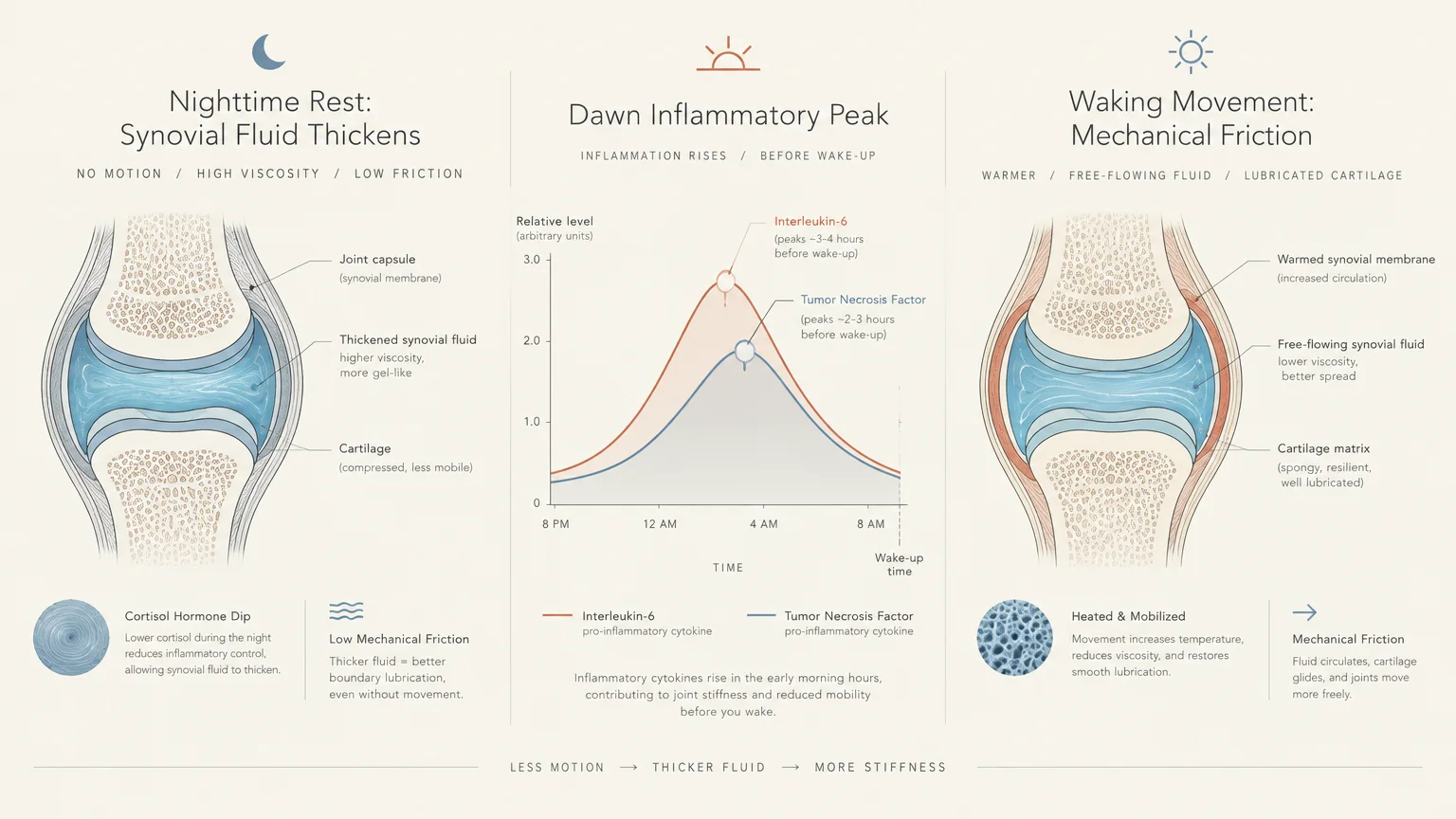
Understanding the Basics of Morning Stiffness for Seniors
Morning stiffness often stems from natural changes inside your aging joints. As you sleep, your movement pauses, causing joint tissues to settle and tighten.
Your joints rely on a specialized lubricant called synovial fluid. When you remain still for hours, this fluid thickens and loses its smooth consistency.
As soon as you begin moving, mechanical friction warms this fluid back into an oily texture. However, chronic low-grade inflammation can make that morning warm-up process take much longer.
Your body operates on an internal circadian clock that regulates immune cells. Inflammatory markers like interleukin-6 and tumor necrosis factor often peak during early morning hours.
Cortisol, your body’s natural anti-inflammatory hormone, drops to lower levels while you rest. This hormonal dip leaves your joints vulnerable to swelling and stiffness right as you wake up.
Everyday wear on protective cartilage also contributes to this dawn stiffness. Without sufficient cushioning, bone ends experience friction that triggers local swelling.
What you eat plays a direct role in regulating these daily inflammatory cycles. Adopting an intentional arthritis diet helps curb the chemical triggers that cause morning discomfort.
Highly processed foods, refined sugars, and saturated fats provoke your immune system into overdrive. In contrast, wholesome anti-inflammatory foods supply biochemical compounds that quiet tissue irritation.
Nutrients like omega-3 fatty acids and plant polyphenols actively protect delicate joint structures. These nutrients suppress enzymatic pathways that break down cartilage over time.
Nourishing your body consistently creates an internal environment where joints stay supple. Small dietary upgrades throughout the week yield tangible improvements in your morning mobility.
Hydration also plays a pivotal role in maintaining joint flexibility. Drinking adequate water ensures your cartilage retains its shock-absorbing spongy matrix.
Combining mindful nutrition with restorative sleep gives your joints the foundation they need to thrive. By focusing on whole foods, you empower your body to wake up feeling refreshed and capable.

Practical Tips for a Healthier, Happier Life
1. Wild-Caught Salmon
Wild salmon is one of the richest dietary sources of omega-3 for joint health. These long-chain fatty acids actively counteract the proteins that inflame your joint lining.
Specifically, eicosapentaenoic acid (EPA) and docosahexaenoic acid (DHA) produce specialized pro-resolving mediators. These molecules help turn off inflammatory signals before you get out of bed.
Clinical studies show that regular intake of fatty fish noticeably decreases joint tenderness and morning stiffness duration. Eating two 4-ounce servings per week provides optimal benefits for aging tissues.
You can bake salmon fillets with fresh lemon juice and dill for a simple dinner. Mackerel, sardines, and trout serve as equally potent alternatives if you prefer variety.
Pairing baked fish with steamed greens creates a synergistic meal that soothes joints from multiple angles. This simple dinner routine sets your body up for easier movement the next morning.
2. Tart Cherries
Tart cherries contain high concentrations of anthocyanins, which are potent plant pigments with antioxidant properties. These compounds give the fruit its deep red hue while shielding your joints.
Research demonstrates that tart cherry juice helps lower systemic inflammation markers, particularly C-reactive protein. This reduction can translate directly into looser, more comfortable knees and fingers at daybreak.
Tart cherries also assist your kidneys in processing and clearing excess uric acid. Lower uric acid levels prevent the formation of painful micro-crystals within joint cavities.
You can enjoy a small glass of unsweetened tart cherry juice before bed. Alternatively, stir dried tart cherries into your evening oatmeal for a sweet, restorative treat.
Adding tart cherries to a warm cup of herbal tea creates a soothing evening ritual. This simple habit calms oxidative stress while promoting peaceful, restorative sleep.
3. Extra Virgin Olive Oil
Extra virgin olive oil serves as the cornerstone of the traditional Mediterranean arthritis diet. Cold-pressed olive oil contains oleocanthal, a unique natural compound with remarkable anti-inflammatory properties.
Oleocanthal works along the same chemical pathways as non-steroidal anti-inflammatory medications. It inhibits cyclooxygenase enzymes to calm irritated joint capsules without irritating your stomach.
Consistently consuming two to three tablespoons daily helps nourish connective tissues and arteries alike. The monounsaturated fats also enhance the absorption of fat-soluble vitamins that support bone density.
Drizzle extra virgin olive oil over warm steamed vegetables, salads, or whole-grain dishes. Avoid heating it past its smoke point to preserve its delicate protective antioxidants.
Look for dark glass bottles labeled cold-pressed or extra virgin to ensure peak antioxidant potency. Storing your oil away from direct heat and light keeps its therapeutic polyphenols intact.
4. Blueberries and Dark Berries
Blueberries, blackberries, and raspberries rank among the premier foods for morning stiffness. Their deep skins are packed with flavonoids that neutralize destructive free radicals in joint cartilage.
Oxidative stress damages chondrocytes—the specialized cells responsible for maintaining healthy joint cartilage. By quenching oxidative stress, dark berries help shield your joints from ongoing wear and tear.
Regular berry consumption also supports vascular health, improving capillary blood flow to resting limbs. Better circulation ensures vital nutrients reach your extremities while you sleep.
Toss half a cup of fresh or frozen blueberries onto plain yogurt each morning. You can also blend them into a refreshing fruit smoothie for an instant antioxidant boost.
Frozen berries retain nearly all of their original nutritional potency, making them convenient year-round. They thaw quickly and bring vibrant natural sweetness to hot whole-grain porridge.
5. Walnuts
Walnuts are the only tree nuts that provide substantial amounts of alpha-linolenic acid (ALA). This plant-based omega-3 fatty acid acts as a gentle, systemic anti-inflammatory agent.
Walnuts also contain ellagitannins, unique polyphenols that your gut microbiome converts into protective compounds. These gut-derived metabolites help suppress inflammatory cytokines circulating throughout your bloodstream.
A handful of walnuts delivers valuable minerals, including copper, manganese, and magnesium. These micronutrients assist your body in building and maintaining resilient collagen structures.
Add a quarter cup of chopped walnuts to your breakfast cereal or afternoon green salad. Their satisfying crunch pairs wonderfully with both sweet and savory dishes.
Store your walnuts in the refrigerator or freezer to protect their fragile oils from oxidation. Chilling them ensures they maintain their fresh flavor and maximum biological benefits.
6. Turmeric and Black Pepper
Turmeric has been cherished for centuries as a natural remedy for joint stiffness. The golden root contains curcumin, an active compound that alters biological inflammatory cascades.
Curcumin suppresses nuclear factor kappa B, a primary molecular switch that drives widespread joint inflammation. By calming this switch, turmeric helps ease that tight, locked feeling in your joints.
Because your body absorbs curcumin poorly on its own, always pair it with freshly ground black pepper. Black pepper contains piperine, a compound that boosts curcumin absorption by up to 2,000 percent.
Whisk ground turmeric and black pepper into warm almond milk to make a soothing golden milk. You can also season roasted root vegetables and lentil soups with this vibrant spice.
Adding a tiny splash of healthy fat like coconut oil or olive oil further enhances curcumin uptake. This traditional culinary combination maximizes the spice’s soothing impact on stiff joints.
7. Fresh Ginger
Ginger contains potent bioactive substances called gingerols and shogaols. These aromatic compounds suppress the production of pro-inflammatory prostaglandins and leukotrienes.
Research indicates that ginger extracts can alleviate joint pain and stiffness in individuals managing osteoarthritis. Its therapeutic effects mirror mild analgesics, promoting greater comfort throughout your morning routine.
In addition to joint relief, ginger gently aids digestion and improves blood flow to stiff extremities. Better peripheral circulation warms tight ligaments and helps you move freely soon after waking.
Steep freshly sliced ginger root in boiling water for ten minutes to brew a warming tea. You can also grate fresh ginger directly into stir-fries, dressings, and homemade marinades.
Drinking ginger tea right after waking helps flush your digestive tract and stimulate circulation. The gentle warmth helps relax tight muscles and eases movement in your hands and feet.
8. Spinach and Dark Leafy Greens
Spinach, kale, and collard greens are nutritional powerhouses that belong on any joint-friendly menu. They deliver abundant amounts of vitamin K, which plays an essential role in bone and cartilage mineralization.
Dark greens are also exceptionally rich in magnesium, a mineral that helps tense muscle tissues relax. Tight muscles around stiff joints can exacerbate your morning discomfort, making magnesium intake crucial.
Furthermore, greens provide beta-carotene and lutein, antioxidants that defend joint capsules against cellular strain. These protective pigments help preserve the structural integrity of your connective tissues.
Sauté spinach lightly in olive oil with minced garlic for an easy, nutrient-packed side dish. You can also blend baby spinach into fruit smoothies without altering the sweet flavor.
Steaming your leafy greens briefly makes their minerals easier for your aging digestive system to assimilate. It also softens tough fibers while preserving vital antioxidant compounds.
9. Green Tea
Green tea is renowned for its high concentration of epigallocatechin-3-gallate, commonly known as EGCG. This remarkable polyphenol shields joint structures by blocking enzymes that destroy cartilage.
Laboratory studies show that EGCG dampens inflammatory cascades without triggering adverse gastrointestinal reactions. Drinking green tea regularly helps reduce the overall burden of systemic inflammation.
The gentle caffeine content in green tea also stimulates blood circulation without causing heart palpitations. A warm cup first thing in the morning provides comforting thermal warmth to cold fingers.
Brew your green tea using hot, not boiling, water to protect the delicate polyphenolic compounds. Aim for two to three cups daily to maximize the long-term joint benefits.
Squeezing a bit of fresh lemon into your green tea enhances the stability and absorption of EGCG. This citrus pairing turns your morning tea into an even stronger joint protector.
10. Bone Broth and Collagen-Rich Foods
Bone broth provides an accessible source of bioavailable gelatin, collagen, and vital amino acids. Glycine and proline, two key amino acids in broth, serve as foundational building blocks for cartilage.
Regular collagen intake supports the regeneration of joint tissues and helps maintain cushioning between bones. Clinical trials indicate that collagen peptides can significantly improve physical function and morning mobility.
Bone broth also contains naturally occurring glucosamine and chondroitin sulfates. These compounds attract water into your cartilage, keeping it resilient and capable of absorbing physical shock.
Sip a warm mug of seasoned bone broth as a nourishing morning beverage or savory afternoon snack. You can also use it as a nutrient-dense cooking base for rice, quinoa, and hearty soups.
Preparing homemade broth by simmering poultry or beef bones with apple cider vinegar extracts maximum minerals. The mild acid gently pulls calcium and magnesium straight into the rich liquid.

Important Safety Precautions to Keep in Mind
While eating foods for joint stiffness is generally safe, whole foods contain powerful biologically active compounds. It is essential to introduce new foods into your routine mindfully and in moderation.
Certain foods and spices can interact with prescription medications you may be taking. For example, high-dose turmeric, ginger, and concentrated omega-3s possess natural blood-thinning properties.
If you take anticoagulants like warfarin, consult your physician before significantly increasing these foods. Sudden dietary changes can alter how your body metabolizes your prescription drugs.
Dark leafy greens like spinach contain substantial levels of vitamin K and dietary oxalates. Vitamin K directly influences blood clotting, while oxalates may contribute to kidney stone formation in susceptible individuals.
Always monitor how your digestive system tolerates new fiber-rich foods like berries, nuts, and greens. Introduce high-fiber items gradually alongside plenty of water to prevent digestive discomfort.
When selecting tart cherry juice, always choose unsweetened varieties without added high-fructose corn syrup. Excess sugars can spike your blood glucose and actually trigger further inflammation.
Remember that diet forms only one pillar of an effective joint care routine. Gentle morning stretches and restorative sleep work hand in hand with anti-inflammatory foods.
Track your body’s responses in a simple food journal over several weeks. Keeping written notes helps you identify which foods bring you the greatest comfort each morning.

When to Speak with a Healthcare Professional
Morning stiffness is common as we grow older, but it should never be ignored. Certain signs suggest that your joint symptoms require medical evaluation rather than dietary adjustments alone.
You should schedule a visit with your doctor if your morning stiffness lasts longer than one hour. Prolonged dawn stiffness can indicate autoimmune arthritis, such as rheumatoid arthritis or polymyalgia rheumatica.
Contact your healthcare provider immediately if a joint becomes hot, red, or visibly swollen. These sudden localized symptoms can point to an acute infection or a gout flare.
Unexplained weight loss, persistent fever, or fatigue accompanying your joint tightness also warrant prompt medical attention. A comprehensive blood panel can uncover underlying conditions that require targeted prescription therapies.
Never discontinue or alter prescribed arthritis medications in favor of dietary changes without professional guidance. Whole foods complement your medical treatments; they do not replace them.
A registered dietitian can help you personalize an anti-inflammatory diet suited to your unique medical history. Collaborating with your healthcare team ensures your joint wellness strategy remains safe and effective.
For authoritative, trustworthy health information, always consult official sources like the National Institute on Aging (NIA) and MedlinePlus from the National Library of Medicine. The CDC also provides excellent resources for older adults.
Frequently Asked Questions
How quickly can dietary changes relieve morning joint stiffness?
Most individuals begin noticing improvements within three to six weeks of consistent dietary changes. Cellular turnover and the reduction of inflammatory markers occur gradually as beneficial nutrients accumulate in your tissues.
Consistency is key to experiencing meaningful relief. Eating anti-inflammatory foods regularly provides continuous defense against oxidative stress and daily inflammation.
Do nightshade vegetables make morning stiffness worse?
Nightshades—such as tomatoes, peppers, potatoes, and eggplants—contain small amounts of an alkaloid called solanine. While some people report subjective sensitivity, large clinical trials have found no definitive link to increased arthritis pain.
In fact, nightshade vegetables provide valuable antioxidants, fiber, and vitamin C that nourish your joints. Unless you notice personal flare-ups after eating them, there is no need to eliminate them from your plate.
Are dietary supplements better than eating whole foods?
Whole foods are generally preferable because they provide a complex matrix of vitamins, minerals, fiber, and co-factors. These natural compounds work synergistically together to optimize nutrient absorption and biological efficacy.
Supplements can be helpful if dietary restrictions prevent you from meeting your daily nutritional needs. However, you should always discuss new supplements with your doctor to avoid adverse medication interactions.
What is the most effective morning drink for stiff joints?
A warm mug of brewed green tea with a squeeze of fresh lemon makes an excellent choice. Green tea supplies joint-protecting EGCG, while the citrus juice enhances polyphenol absorption.
Alternatively, warm water infused with grated ginger and a pinch of turmeric can gently stimulate circulation. Both beverages hydrate your tissues immediately after a long night of sleep.
Disclaimer: This article is for informational purposes only and does not constitute medical advice. Always seek the advice of your physician or other qualified health provider with any questions you may have regarding a medical condition.