Protecting your vitality during retirement requires proactive health planning, yet key immunizations frequently slip through the cracks as routines change. While most older adults remember their annual flu shot, staying current on your full adult immunization schedule provides essential protection against severe, preventable illnesses that target aging immune systems. Staying informed about updated health guidelines empowers you to make confident decisions alongside your primary physician. Reviewing a tailored vaccine checklist for retirees ensures you maintain robust immunity, active mobility, and peace of mind as you enjoy your golden years. Prioritizing these seven commonly forgotten immunizations keeps your immune defenses strong and protects your ongoing wellness.

Understanding the Basics of Vaccine Safety and Immunity for Seniors
As you age, your immune system undergoes natural structural changes—a biological process medical professionals call immunosenescence. Over time, your body produces fewer naive T-cells and B-cells; consequently, your immune response slows down when encountering novel pathogens, and the cellular memory created by childhood vaccinations gradually fades. Maintaining an updated vaccine schedule for older adults re-educates your immune system, triggering fresh antibody production to defend against environmental health threats.
Many retirees assume that immunizations received during youth offer lifelong defense, or that a simple annual flu shot provides sufficient protection against all viral seasonal threats. In reality, several commonly forgotten vaccines seniors overlook target aggressive pathogens that specifically cause severe complications in older bodies. Diseases like shingles, pneumococcal pneumonia, and respiratory syncytial virus carry significantly higher rates of hospitalization, long-term disability, and chronic fatigue for seniors compared to younger demographics. Timely immunizations bolster your defensive barrier, helping you preserve your physical independence, maintain active routines, and prevent unnecessary medical emergencies.
Navigating the financial aspects of senior healthcare has become remarkably simple in recent years. Recent legislative changes eliminated out-of-pocket costs for essential preventative immunizations across major Medicare coverage options. Under Medicare Part B, you receive routine annual influenza, pneumococcal, and COVID-19 vaccines at zero out-of-pocket cost. Furthermore, thanks to provisions in the Inflation Reduction Act of 2022 that took effect on January 1, 2023, all recommended adult vaccines covered under Medicare Part D carry a mandatory $0 copay and $0 deductible. This means high-value preventative shots—including the shingles vaccine and Tdap booster—no longer create financial friction, allowing you to prioritize your health with complete confidence.
Practical Tips for a Healthier, Happier Life
Staying proactive about your preventative care does not require complicated health management routines. When you understand which immunizations require periodic updates, you can easily integrate preventative care into your seasonal routine. The following seven immunizations represent critical protection points that retirees frequently miss, along with actionable steps to keep your health schedule completely up to date.
1. The Shingles Vaccine (Shingrix)
Shingles is an intensely painful, blistering skin rash caused by the reactivation of the varicella-zoster virus—the exact same virus that causes childhood chickenpox. Anyone who has recovered from chickenpox carries this dormant virus within their nerve tissue. As immune surveillance naturally declines with age, the virus can reactivate, causing severe nerve pain known as postherpetic neuralgia, which can persist for months or even years. The Centers for Disease Control and Prevention (CDC) recommends a two-dose series of the recombinant zoster vaccine, known as Shingrix, for all adults aged 50 and older. You should schedule your second dose two to six months after your initial shot to lock in long-term immunity.
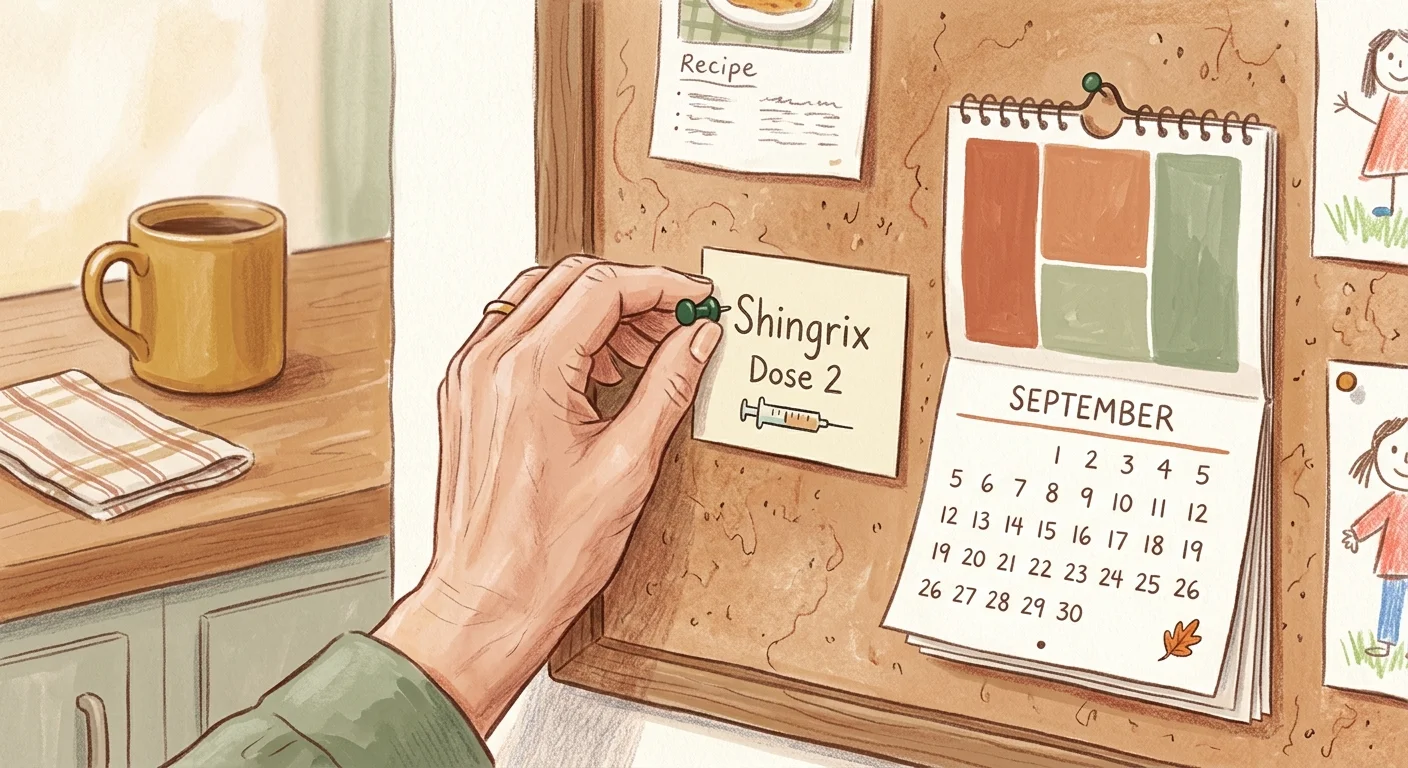
Despite the high efficacy of Shingrix—which offers over 90% protection against shingles and chronic nerve complications—CDC National Health Interview Survey data indicates that only 28.7% of U.S. adults aged 50 and older have completed the full two-dose series. Leaving the series incomplete leaves your body underprotected. Setting a digital shingles vaccine reminder on your phone or marking your wall calendar the exact day you receive your first shot ensures you schedule your follow-up dose within the recommended window. Both doses carry a $0 copay under Medicare Part D.
2. Pneumococcal (Pneumonia) Vaccine
Pneumococcal disease is a dangerous bacterial infection that leads to severe pneumonia, bloodstream infections, and bacterial meningitis. While public health guidelines previously advised adults to wait until age 65 for routine pneumococcal vaccination, medical authorities recently modernized these standards. In October 2024, the CDC Advisory Committee on Immunization Practices (ACIP) updated its guidelines to lower the routine pneumococcal conjugate vaccination age threshold to 50.
If you are 50 or older and have not previously received a pneumococcal shot, your physician will likely recommend a single dose of PCV20 or PCV21 (Capvaxive, which received FDA approval in June 2024). Alternatively, your doctor may administer PCV15 followed by a supplementary PPSV23 shot. Securing your pneumonia vaccine seniors recommendation shields your lung tissue from severe bacterial damage, reducing your risk of oxygen deprivation, lung scarring, and unexpected hospital stays. Medicare Part B covers pneumococcal shots completely with no out-of-pocket expenses.
3. Respiratory Syncytial Virus (RSV) Vaccine
Respiratory Syncytial Virus is a highly contagious respiratory virus that causes mild, cold-like symptoms in healthy young adults; however, it presents severe risks to aging respiratory systems. RSV can cause severe lower respiratory tract infections, pneumonia, and acute exacerbations of underlying cardiac or pulmonary conditions. In June 2024, the CDC updated its RSV vaccination guidance to recommend a single lifetime dose for all adults aged 75 and older. Furthermore, the CDC recommends this single-dose protection for adults aged 60 through 74 who live with increased risks of severe illness—such as chronic heart disease, congestive heart failure, chronic obstructive pulmonary disease (COPD), asthma, or severe kidney disease. Scheduling this single injection in late summer or early autumn builds durable protection before winter viral surges peak.
4. High-Dose Influenza (Flu) Vaccine
While most retirees understand the importance of an annual flu shot, many remain unaware that standard-dose flu vaccines generate lower antibody responses in aging systems. To overcome this limitation, the CDC explicitly prefers higher-dose or adjuvanted flu vaccines over standard-dose flu shots for adults aged 65 and older. You should request one of three preferred formulations during your autumn checkup: Fluzone High-Dose, Fluad, or Flublok.
High-dose formulations contain four times the antigen level of standard flu shots, while adjuvanted formulations include an immune-boosting additive that stimulates stronger cellular responses. Clinical trials demonstrate that these specialized formulations significantly lower flu-related doctor visits, emergency room stays, and secondary pneumonia complications among seniors. Medicare Part B fully covers these high-dose formulations each flu season at no cost to you.
5. Tdap (Tetanus, Diphtheria, Pertussis) Booster
Tetanus bacteria enter the body through cuts, scrapes, or puncture wounds from rusty metal, garden tools, or soil, producing toxins that cause painful muscle stiffness and lockjaw. Pertussis, commonly known as whooping cough, causes severe, uncontrollable coughing fits that disrupt sleep and fracture ribs in older adults. The CDC recommends a Tdap or Td booster every 10 years for all adults. If you have never received a Tdap shot containing the pertussis component as an adult, you should get one immediately, followed by standard decade boosters.
This booster holds extra importance if you spend time around infant grandchildren. Young infants cannot complete their initial pertussis vaccination series until they reach several months of age, leaving them highly vulnerable to respiratory infections. By keeping your Tdap status current, you create a protective barrier around young family members while preserving your own cellular defense against tetanus spores encountered during outdoor activities or gardening. Medicare Part D covers your 10-year Tdap booster with zero out-of-pocket costs.
6. Updated COVID-19 Vaccine and Mid-Year Dose
The virus responsible for COVID-19 continues to mutate, giving rise to new variants that bypass original antibody protections. Staying protected requires receiving the updated annual COVID-19 vaccine formulation each autumn. Furthermore, current health guidelines acknowledge that immune protection wanes faster in mature bodies. For adults aged 65 and older, the CDC recommends an additional dose of the updated COVID-19 vaccine spaced four to six months after your initial autumn injection. This mid-year dose restores declining antibody concentrations, offering continuous defense against severe illness, hospitalization, and long-term cardiovascular complications. Medicare Part B covers all recommended COVID-19 doses at zero out-of-pocket expense.
7. Hepatitis B Vaccine
Hepatitis B is a viral infection that causes liver inflammation, chronic organ damage, cirrhosis, and liver cancer. Public health standards recommend universal Hepatitis B vaccination for all adults aged 19 through 59, and for adults aged 60 and older who present risk factors or desire defense against the virus. Senior risk factors include living with diabetes, undergoing kidney dialysis, traveling to regions with moderate-to-high infection rates, or residing in long-term care environments. Because Hepatitis B can spread through minor healthcare exposures or accidental needle contact and can remain asymptomatic while damaging liver tissue, discussing this multi-dose series with your doctor offers an essential layer of organ protection.
Actionable Management Strategy: Building Your Personal Checklist
Managing multiple immunization dates becomes effortless when you establish a personal organizing system. Use these practical strategies to maintain your vaccine checklist for retirees without stress:
First, create a physical immunizations folder alongside a digital copy on your smartphone or computer. Request a physical printed record card from your physician or local pharmacist every time you receive an injection. Record the date, vaccine brand, lot number, and administration site.
Second, schedule your Annual Medicare Wellness Visit during your birthday month each year. Use this dedicated, zero-cost appointment specifically to review your complete immunization file with your doctor. Asking your healthcare provider to check state immunization registries ensures no past doses go unrecorded.
Third, take advantage of modern pharmacy notification systems. Most major retail pharmacies offer automated text message or email alerts that notify you when you become eligible for annual flu shots, mid-year COVID-19 boosters, or your follow-up Shingrix dose. Linking your pharmacy account to your mobile phone creates an automatic safety net for your scheduling needs.

Important Safety Precautions to Keep in Mind
While modern vaccines undergo rigorous safety testing and continuous monitoring, taking practical safety precautions ensures a comfortable experience. Most individuals experience mild, temporary reactions after receiving an immunization; these side effects simply signal that your body is constructing active antibodies. Expect minor local reactions—such as localized redness, mild swelling, or soreness at the injection site—which usually resolve within 24 to 48 hours. Systemic responses like low-grade fever, mild fatigue, or transient muscle aches can also occur after stronger shots like Shingrix or high-dose flu formulations.
To manage mild post-vaccination discomfort, rest quietly and stay thoroughly hydrated throughout the day. You can apply a clean, cool, damp cloth over the injection site to soothe localized tenderness. If your physician approves, taking an over-the-counter pain reliever like acetaminophen or ibuprofen after your appointment can reduce fever and muscle stiffness. Avoid taking pain relievers preemptively before your appointment, as doing so might slightly lower your body’s initial immune response.
Co-administration—receiving more than one vaccine during a single office visit—is safe and clinically proven effective. For instance, getting your annual high-dose flu shot and updated COVID-19 vaccine during the same appointment saves travel time and provides immediate dual protection. However, if you historically experience prominent post-vaccination fatigue or arm soreness, discuss staggering your appointments by one or two weeks with your pharmacist or physician. Spacing shots slightly apart allows you to track individual side effects easily while maintaining complete comfort.
If you live with chronic autoimmune conditions, take immunosuppressive medications, or receive active cancer treatments, speak with your specialist before scheduling live or modified vaccines. While most non-live subunit vaccines (like Shingrix, pneumococcal conjugate shots, and updated mRNA COVID-19 formulations) remain safe and highly recommended for immunocompromised adults, optimizing the exact timing around your medication schedule ensures your body generates the strongest possible antibody response.

When to Speak with a Healthcare Professional
While educational guides offer valuable general knowledge, this information does not replace personalized medical advice from a licensed healthcare provider. Everyone maintains a unique health profile influenced by chronic conditions, prescription medications, allergy histories, and lifestyle factors. Consult your primary care physician or a qualified healthcare provider to tailor these recommendations to your exact physiological needs.
You should contact your doctor’s office or speak with a clinical provider under any of the following specific circumstances:
1. Before traveling internationally, to determine if you require specialized travel immunizations such as Hepatitis A, Typhoid, Yellow Fever, or Japanese Encephalitis vaccines based on your destination itinerary.
2. If you maintain a history of severe allergic reactions (anaphylaxis) to previous vaccine ingredients, gelatin, latex, or specific antibiotics.
3. If you currently experience a moderate or severe acute illness accompanied by a high fever; in such cases, your doctor may recommend delaying vaccination until you recover fully.
4. If you take prescription blood thinners or live with a bleeding disorder, as proper pressure management at the injection site prevents localized bruising.
5. If you observe unexpected symptoms after receiving a shot, such as high fever, widespread hives, facial swelling, dizziness, or persistent weakness that lasts longer than two days.
Frequently Asked Questions
Do Medicare plans cover all recommended vaccines for retirees?
Yes, Medicare provides comprehensive coverage for all ACIP-recommended adult immunizations. Medicare Part B fully covers annual flu shots (including high-dose formulations), pneumococcal vaccines, and updated COVID-19 shots at zero out-of-pocket cost. Medicare Part D covers all other recommended adult immunizations—such as Shingrix for shingles and Tdap boosters—with mandatory $0 copays and $0 deductibles, removing financial barriers to preventative care.
Can I receive my annual flu shot and COVID-19 vaccine at the same time?
Yes, clinical studies confirm that receiving your annual flu vaccine and COVID-19 shot during the same appointment is safe, effective, and convenient. Your healthcare provider will typically administer the injections into different arms to minimize localized muscle soreness. Combining these shots helps you stay fully protected without requiring multiple clinic visits.
Why do I need a shingles vaccine if I already had chickenpox decades ago?
Having chickenpox as a child leaves the varicella-zoster virus dormant inside your nervous system for the rest of your life. As you grow older, your natural immune defenses against this dormant virus weaken, allowing it to reactivate as shingles. The Shingrix vaccine specifically re-awakens your immune system’s memory, building strong cellular defense that prevents the virus from erupting into a painful, blistering rash.
How often should I update my vaccine checklist for retirees?
You should review your complete vaccine checklist at least once a year during your routine Annual Medicare Wellness Visit or autumn physical exam. Additionally, review your immunization record whenever you experience major life changes, such as diagnosing a new chronic condition, planning international travel, or welcoming a newborn grandchild into your family.
For authoritative, trustworthy health information, always consult official sources like the National Institute on Aging (NIA) and MedlinePlus from the National Library of Medicine. The CDC also provides excellent resources for older adults.
Disclaimer: This article is for informational purposes only and does not constitute medical advice. Always seek the advice of your physician or other qualified health provider with any questions you may have regarding a medical condition.