
Recent breakthroughs in weight management drug options offer empowering new pathways to safeguard your mobility, heart health, and daily independence. Today, doctor discussed weight medications like GLP-1 receptor agonists are transforming how healthcare providers help adults over 55 manage chronic weight challenges safely. Medical trials show these therapies do far more than reduce body mass; they lower systemic inflammation and protect cardiovascular health. By understanding current weight loss medication trends and new obesity medications, you can have informed, confident conversations with your physician. Taking proactive steps today helps you unlock greater vitality, protect your joints, and enjoy an active, fulfilling lifestyle for years to come.
Understanding the Basics of Weight Management Medications for Seniors
Managing your weight becomes increasingly complex as you age. Natural hormonal shifts, gradual reductions in muscle mass, and changes in metabolic rate often make traditional diet and exercise efforts feel far less effective than they were in earlier decades. Fortunately, recent developments in weight loss medication trends have reshaped how physicians view chronic weight management. Rather than viewing excess body weight as a simple matter of willpower, medical researchers now recognize obesity as a complex metabolic condition that responds remarkably well to targeted medical therapies.
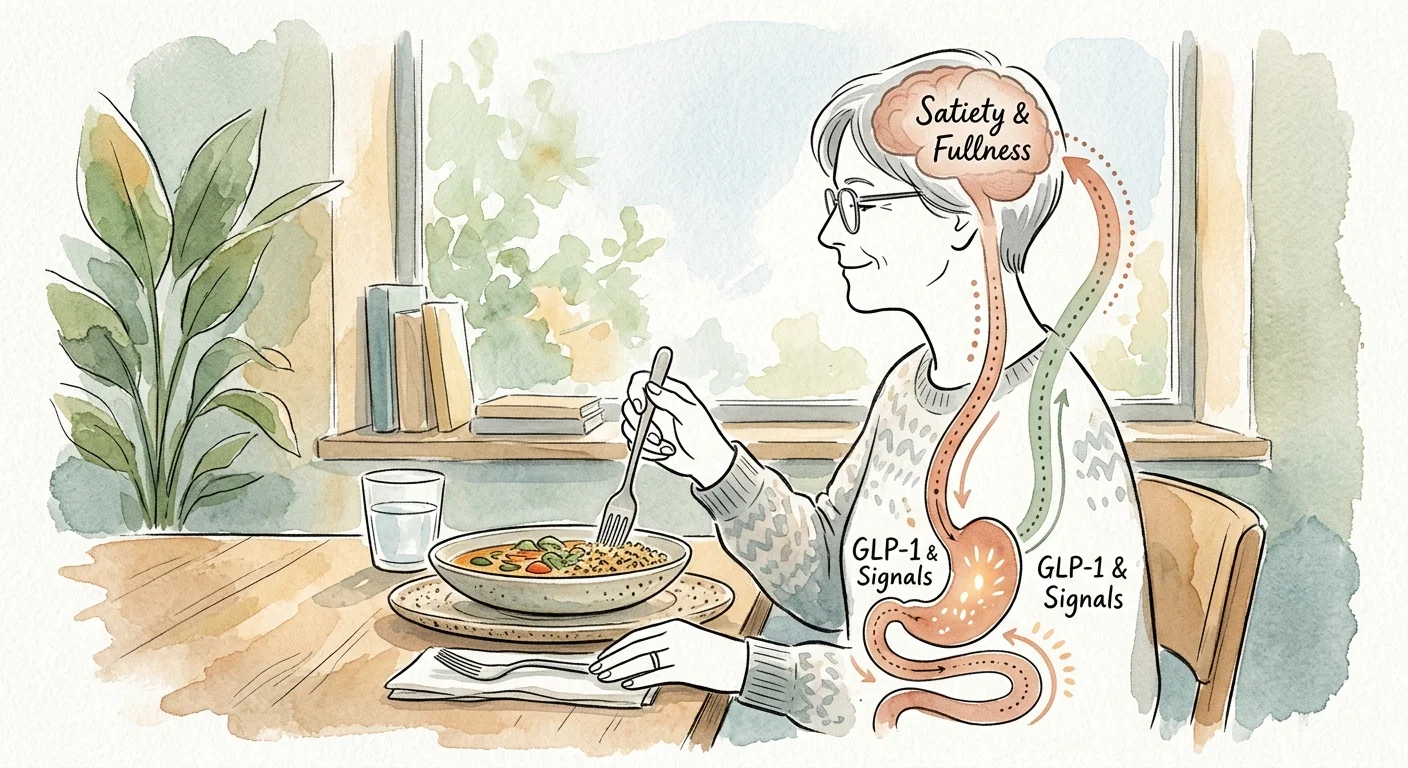
The primary drugs leading these medical conversations belong to a class known as GLP-1 (glucagon-like peptide-1) receptor agonists. Your digestive system naturally produces GLP-1 hormones when you consume food; these hormones communicate directly with your brain to signal fullness, stimulate insulin release, and slow down stomach emptying. Modern weight management drug options mimic these natural chemical messengers, helping you feel satisfied with smaller meal portions and delaying digestion so fullness lasts longer throughout your day.
On March 8, 2024, the U.S. Food and Drug Administration expanded the official approval for Wegovy (semaglutide)—a single GLP-1 receptor agonist—to include reducing the risk of major adverse cardiovascular events like heart attack and stroke in adults with established heart disease and obesity or overweight. This landmark decision highlights that modern therapies extend far beyond cosmetic changes; they offer profound, life-saving cardiovascular protection for older adults.
Building upon the success of single-agonist therapies, dual-action medications have entered clinical practice with extraordinary results. On November 8, 2023, the FDA approved Zepbound (tirzepatide), manufactured by Eli Lilly, for chronic weight management in adults with a body mass index (BMI) of 30 or greater, or a BMI of 27 or greater alongside a weight-related health condition. Zepbound targets two distinct metabolic pathways by acting as both a GIP (glucose-dependent insulinotropic polypeptide) and GLP-1 receptor agonist. By activating both gut hormone receptors simultaneously, tirzepatide delivers exceptional improvements in metabolic health and overall body composition.
Public adoption of these advanced treatments has grown exponentially across the nation. According to a May 2024 KFF Health Tracking Poll, 12% of American adults—approximately 1 in 8—report having taken a GLP-1 medication, with 6% actively using them. This widespread adoption reflects growing confidence among healthcare providers and patients alike as clinical evidence continues to demonstrate significant health benefits.
Financial access for seniors has also taken a dramatic turn for the better. In March 2024, the Centers for Medicare & Medicaid Services (CMS) clarified that Medicare Part D plans may cover anti-obesity medications like Wegovy when a physician prescribes them for an additional FDA-approved medical condition, such as cardiovascular disease risk reduction. This regulatory clarification allows many seniors to bypass the long-standing federal prohibition against covering medications solely for weight loss.
Looking toward the near future, medical researchers continue to push clinical boundaries with next-generation therapies. In June 2023, Phase 2 trial results published in The New England Journal of Medicine demonstrated that Eli Lilly’s investigational triple-agonist retatrutide—which targets GIP, GLP-1, and glucagon receptors—achieved an average weight reduction of up to 24.2% (approximately 58 pounds) after 48 weeks at the highest tested weekly dose of 12 milligrams. These doctor discussed weight medications represent an unprecedented shift toward personalized, highly effective metabolic care for aging adults.

Practical Tips for a Healthier, Happier Life
Navigating new obesity medications requires a thoughtful, proactive strategy to ensure you maximize benefits while preserving your overall physical strength and daily vitality. Below are practical, doctor-approved tips designed to help you thrive throughout your weight management journey.
1. Prioritize Dietary Protein to Protect Lean Muscle Mass
As you age, rapid weight reduction carries the risk of losing valuable skeletal muscle alongside body fat—a condition known as sarcopenia. Preserving muscle tissue is essential for keeping your balance, protecting your joints, and maintaining your daily physical independence. You should aim to consume roughly 1.0 to 1.2 grams of dietary protein per kilogram of body weight each day, provided you do not have advanced kidney disease. Focus on nutrient-dense, easily digestible protein sources such as Greek yogurt, wild-caught fish, skinless poultry, eggs, tofu, and high-quality protein shakes.
2. Create a Sustainable Financial Plan for Your Treatment
Understanding out-of-pocket expenses early prevents unexpected disruptions in your medical care. Standard retail list prices without insurance coverage average $1,059.87 per month for Zepbound and $1,349 per month for Wegovy (2.4 mg dose). KFF polling reveals that 54% of adults using GLP-1 medications find out-of-pocket costs challenging to afford. Work closely with your doctor to review your prescription formulary. If you have preexisting cardiovascular disease, ask your physician to document this condition so your Medicare Part D plan can consider coverage under updated CMS guidelines.
3. Adapt Your Meal Portions and Practice Mindful Eating Habits
Because GLP-1 medication updates involve therapies that slow stomach emptying, eating large meals can trigger uncomfortable gastrointestinal symptoms such as upper abdominal fullness, bloating, and nausea. Restructure your daily intake into four or five light mini-meals rather than three large traditional meals. Eat slowly, chew your food thoroughly, and pause immediately when you feel comfortably satisfied.
4. Incorporate Low-Impact Functional Strength Training
Pairing your weight management medication with regular physical activity protects your functional mobility and boosts bone mineral density. Focus on low-impact resistance exercises two to three times per week. Simple movements like chair stands, wall push-ups, resistance band rows, and gentle water aerobics build functional strength without overstressing aging joints. Consult a physical therapist or certified trainer if you need tailored movement modifications.
5. Maintain Rigorous Hydration and Soluble Fiber Habits
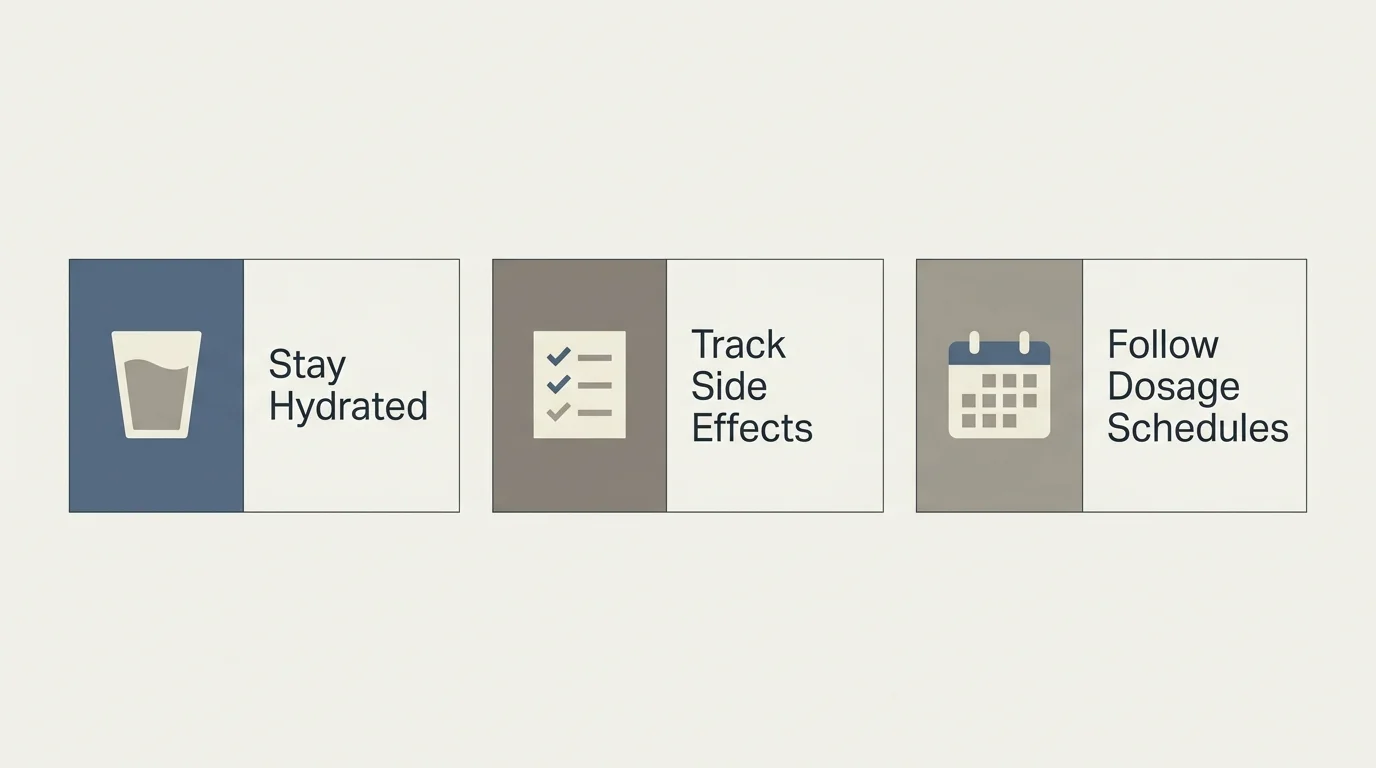
Sluggish bowel movements represent one of the most common issues reported by older adults starting metabolic medications. Staying hydrated keeps digestive fluids moving and prevents severe constipation. Drink 6 to 8 glasses of fresh water daily unless your physician restricts fluids for heart or kidney reasons. Gradually increase your intake of soluble fiber through oatmeal, chia seeds, cooked legumes, and berries to keep your digestive tract moving smoothly.
6. Schedule Frequent Medication Reviews with Your Healthcare Provider
Significant weight loss rapidly alters how your body processes other ongoing prescription medications. Your blood pressure and blood glucose levels may decline steadily as your body mass drops. Arrange check-in appointments with your primary care provider every 4 to 8 weeks during dose adjustments; your physician may need to reduce your dosages of blood pressure medications or diabetes drugs to prevent episodes of dizziness, fainting, or low blood sugar.
Important Safety Precautions to Keep in Mind
While current weight management drug options offer significant metabolic rewards, maintaining safety requires active personal awareness. Older adults often process medications differently due to age-related changes in liver metabolism, kidney clearance, and muscle composition.
Gastrointestinal side effects—including nausea, mild vomiting, diarrhea, and constipation—remain the most frequent issues encountered when starting treatment. Physicians manage these symptoms by slowly increasing your dosage over several months, a process known as dose titration. Never accelerate your dosage schedule faster than your healthcare provider prescribes, as rapid increases significantly escalate digestive side effects.
Dehydration represents a subtle yet serious health risk for seniors. Nausea and reduced thirst signals can cause you to consume inadequate liquids, potentially leading to electrolyte imbalances or acute kidney strain. If you experience persistent vomiting or severe diarrhea, notify your healthcare team promptly to receive proper rehydration support.
Pay careful attention to rare but severe clinical risks. GLP-1 receptor agonists carry potential warnings for pancreatitis (inflammation of the pancreas) and gallbladder disorders such as gallstones. Severe, sharp pain in your upper abdomen that radiates toward your back requires immediate emergency medical evaluation.
Additionally, if you manage Type 2 diabetes with insulin or sulfonylurea medications (such as glipizide or glimepiride), combining these therapies with new obesity medications elevates your risk of severe hypoglycemia (low blood sugar). Your physician must monitor your blood glucose levels closely and adjust your existing diabetes medications accordingly.

When to Speak with a Healthcare Professional
Your health and safety remain the top priority. The information provided here serves as an educational foundation and cannot replace individualized clinical advice from your physician. Weight management in adults over 55 requires tailored medical oversight to account for existing health conditions and complex prescription interactions.
Schedule a detailed consultation with your primary care physician to discuss whether new obesity medications suit your personal health profile. Contact your doctor immediately if you experience any of the following warning signs during treatment:
— Severe, persistent abdominal pain that radiates to your back, with or without vomiting.
— Inability to keep fluids down for more than 24 hours due to ongoing nausea or vomiting.
— Frequent dizziness, lightheadedness, or feeling faint when standing up suddenly.
— Symptoms of low blood sugar, such as cold sweats, trembling, confusion, or a pounding heartbeat.
— Persistent constipation lasting longer than three days despite adequate fluid and fiber intake.
— Sudden changes in vision or rapid, unexpected swelling in your lower legs or ankles.
For authoritative, trustworthy health information, always consult official sources like the National Institute on Aging (NIA) and MedlinePlus from the National Library of Medicine. The CDC also provides excellent resources for older adults.
Disclaimer: This article is for informational purposes only and does not constitute medical advice. Always seek the advice of your physician or other qualified health provider with any questions you may have regarding a medical condition.
Frequently Asked Questions
Does Medicare cover the new weight management medications for seniors?
Medicare Part D does not cover medications when prescribed solely for weight loss due to standard statutory restrictions. However, following the FDA’s March 2024 cardiovascular approval for Wegovy, the Centers for Medicare & Medicaid Services (CMS) clarified that Part D plans may cover anti-obesity medications when prescribed to reduce cardiovascular risk in patients with established heart disease and overweight or obesity. Check directly with your Part D plan provider to review specific coverage requirements.
How do dual-agonist medications like Zepbound differ from single GLP-1 drugs?
Single-agonist drugs like Wegovy target GLP-1 receptors exclusively to promote fullness and slow digestion. Dual-agonist drugs like Zepbound (tirzepatide) activate both GLP-1 and GIP receptors. GIP (glucose-dependent insulinotropic polypeptide) is another natural gut hormone that enhances metabolic control and lipid processing. Clinical trials show that combining both pathways yields greater average weight loss and improved metabolic outcomes compared to single-agonist options.
Will I regain weight if I stop taking a weight loss medication?
Obesity is recognized as a chronic, progressive metabolic condition rather than a temporary concern. Clinical studies demonstrate that stopping GLP-1 or dual-agonist therapies often leads to weight regain because stomach emptying speeds back up and baseline appetite signals return. Long-term health strategies should view these medications as ongoing tools managed under long-term doctor supervision alongside permanent lifestyle habits.
What steps can I take to avoid losing muscle mass while taking these drugs?
To preserve vital lean muscle while shedding excess body fat, prioritize consuming high-protein foods at every meal, aiming for 1.0 to 1.2 grams of protein per kilogram of body weight daily. Additionally, engage in low-impact resistance exercises—such as using light dumbbells, resistance bands, or bodyweight chair stands—at least two to three days per week to stimulate muscle synthesis.