
Recognizing gout symptoms early allows you to seek prompt treatment and protect your long-term mobility. Many older adults mistake the sudden flares of gout for general joint pain or typical arthritis symptoms, which delays the lifestyle adjustments needed for relief. Gout specifically targets joints with intense inflammation, often starting at the base of the big toe; however, it can also strike ankles, knees, and wrists. Paying close attention to the unique characteristics of these flare-ups ensures you apply the correct soothing techniques. Understanding the subtle differences between daily senior health challenges and an acute gout attack gives you the power to manage your well-being effectively and maintain your active lifestyle without unnecessary discomfort.

Understanding the Basics of Gout for Seniors
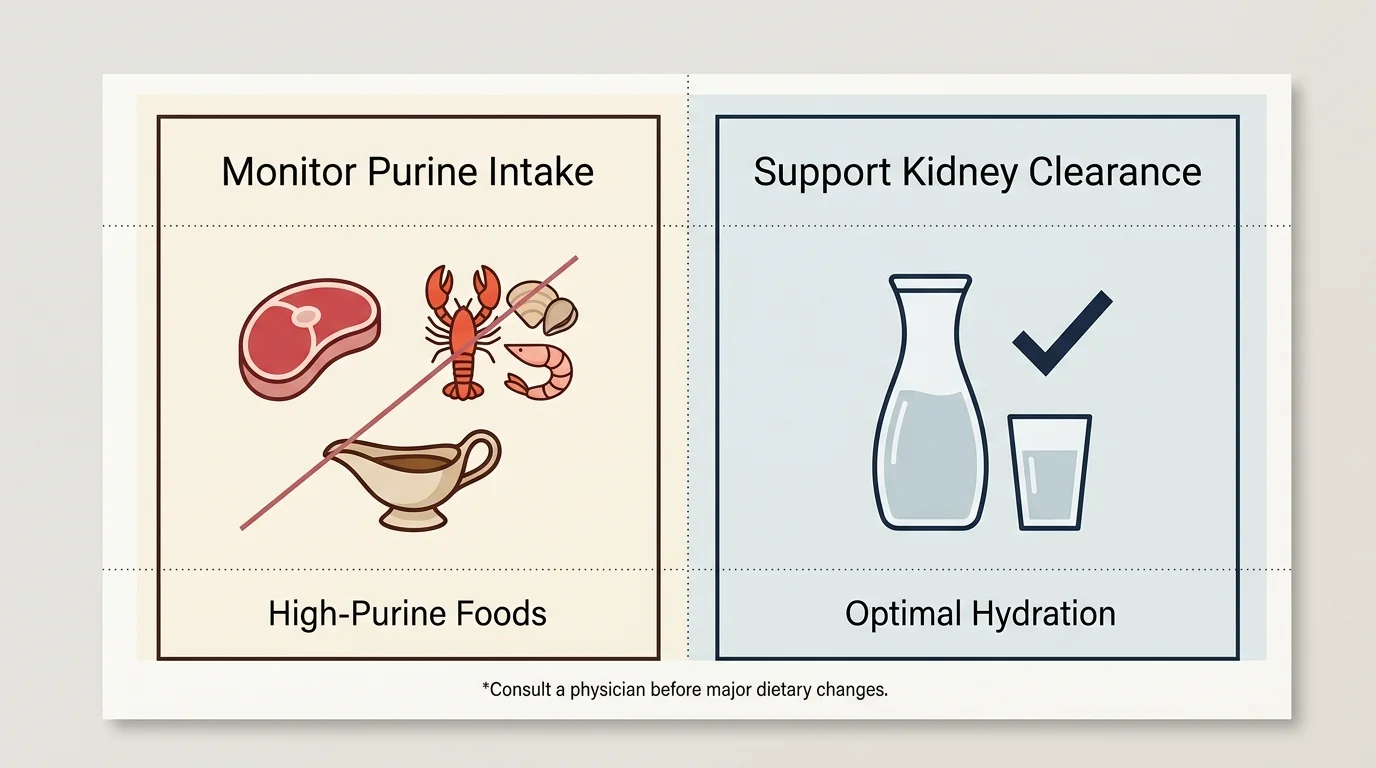
Your body naturally produces uric acid as a normal byproduct when it breaks down purines. Purines exist both naturally within your own cellular structure and in many of the foods you consume daily, such as red meats, specific types of seafood, and rich gravies. In a younger system, your kidneys effortlessly filter this excess uric acid out of your bloodstream and flush it away through your urine. However, as you navigate your older years, your internal filtration system undergoes natural, age-related changes. Your kidney function gradually slows down, which means your body struggles to eliminate uric acid as efficiently as it once did. When your kidneys cannot keep pace with your internal uric acid production, the excess compound builds up and circulates continuously throughout your bloodstream.
Once this circulating uric acid reaches a critical concentration, it begins to deposit into the spaces within your joints. Because your extremities—like your feet and hands—maintain lower body temperatures than your core, the uric acid physically crystallizes in these cooler areas, forming sharp, microscopic, needle-like structures. Your immune system immediately identifies these jagged crystals as dangerous foreign invaders and launches a rapid, aggressive inflammatory response to destroy them. This fierce immune battle creates the localized agony and swelling associated with gout in seniors. Understanding this underlying biological process empowers you to take actionable steps toward reducing your internal uric acid load before these painful crystals ever have the chance to form.
Many older adults completely overlook these initial flare-ups because they assume the discomfort stems from standard aging. You might brush off a throbbing toe or a stiff knee as a natural consequence of a long walk, a change in the weather, or normal wear and tear on your cartilage. Furthermore, the risk factors for hyperuricemia—the medical term for elevated uric acid—shift dynamically as you age. For example, women lose the protective, uric-acid-excreting benefits of estrogen after menopause, bringing their risk level much closer to that of older men. By recognizing the specific mechanisms behind these chemical joint attacks, you can separate typical arthritis symptoms from the highly specific, actionable warning signs of a gout flare.

Practical Tips for a Healthier, Happier Life
1. The Sudden, Midnight Ambush on a Single Joint
A classic gout attack rarely gives you a polite warning; it strikes with astonishing speed, often waking you from a deep sleep in the middle of the night. You might go to bed feeling completely fine, only to awaken at two in the morning with a big toe, ankle, or knee that feels like it has caught fire. The pain peaks rapidly within the first twelve to twenty-four hours, reaching an intensity that makes even the weight of a light bedsheet feel unbearable. Because this strikes during the night, many seniors dismiss the pain by assuming they simply slept in an awkward position, kicked the footboard, or aggravated an old injury from the previous day.
To manage this sudden nocturnal agony, immediately prioritize elevation and hydration. Prop the affected limb up on a stack of soft pillows so that the inflamed joint rests comfortably above the level of your heart; this simple mechanical adjustment forces pooled blood and excess fluid to drain away from the joint, reducing the intense throbbing pressure. Keep a large glass of water on your nightstand and drink generously. Flooding your system with fresh water dilutes the uric acid concentration in your blood and signals your kidneys to begin flushing the excess out through your urine. Additionally, start keeping a small bedside journal to track exactly what you ate or drank during the preceding forty-eight hours, as this data will help you pinpoint your personal dietary triggers.
2. A Joint That Radiates Heat and Appears Unusually Red
Unlike the dull, deep aching associated with mechanical joint breakdown, a joint under attack by gout visually transforms. The skin over the affected area often turns a bright, angry shade of red or purplish-blue, and the joint itself radiates noticeable physical heat. If you hold your hand an inch above the skin, you can feel the warmth emanating from the intense cellular battle taking place inside. Seniors frequently misinterpret this alarming redness as a superficial skin infection, an insect bite, poor circulation, or a flare-up of typical cellulitis.
You can effectively calm this radiant heat by applying a soothing, cool compress, but you must do so safely. Avoid placing raw ice packs directly onto your skin, as the fragile, thinning skin of older adults is highly susceptible to severe ice burns and tissue damage. Instead, soak a clean, soft washcloth in cold water, wring out the excess, and drape it gently over the inflamed joint for fifteen to twenty minutes at a time. Absolutely avoid using heating pads, electric blankets, or hot water bottles on the area during an active flare. Applying external heat dilates your blood vessels, rushes more inflammatory cells to the joint, and significantly amplifies your pain.
3. Severe Swelling That Leaves the Skin Looking Shiny or Stretched
As your immune system pumps fluid into the joint space to fight the microscopic uric acid crystals, the area swells dramatically. The swelling can become so profound that the skin stretches to its absolute limit, taking on a tight, glossy, and shiny appearance. When you press gently on the area, the skin feels hard and unyielding. Older adults routinely write off this localized swelling as generalized water retention, a side effect of their blood pressure medication, or fluid buildup related to mild cardiovascular changes.
You can combat this aggressive swelling by strategically adjusting your daily nutritional intake to feature natural anti-inflammatory compounds. Clinical studies consistently demonstrate that consuming tart cherry juice provides powerful relief; tart cherries contain high concentrations of anthocyanins, which naturally lower uric acid levels in the blood and actively suppress inflammatory pathways. Drink one small glass of unsweetened tart cherry juice daily as a preventative measure. You should also ensure you wear loose, accommodating footwear or supportive slippers during a flare. Forcing a swollen foot into a rigid, structured shoe compresses the inflamed tissues and drives the sharp crystals deeper into your sensitive joint linings.
4. A Lingering, Dull Ache That Remains After the Sharp Agony Fades
Following the intense, fiery agony of the first few days, a gout flare eventually begins to subside. However, it rarely vanishes completely all at once. The severe burning transitions into a lingering, dull, and persistent ache that can haunt the joint for days or even weeks. Medical professionals refer to this post-flare window as the intercritical phase. Because the sharp pain has disappeared, seniors often stop actively treating the joint, assuming the residual throbbing is just their standard, everyday senior health joint pain reasserting itself.
Do not abandon your management strategies just because the extreme pain subsides. This lingering phase provides the perfect opportunity to implement long-term, systemic changes. Shift your diet toward complex carbohydrates like whole oats, sweet potatoes, and brown rice, while actively reducing your intake of refined sugars and high-fructose corn syrup—a well-documented catalyst for uric acid production. Engage in gentle, low-impact activities like water aerobics, swimming, or riding a stationary bicycle. These exercises keep your joint fluid circulating, deliver fresh nutrients to your cartilage, and help you maintain a healthy body weight without subjecting your recovering joints to heavy, pounding impacts.
5. A Sudden Inability to Move or Bend the Affected Joint
When uric acid crystals accumulate heavily inside the joint capsule, they create a physical, mechanical obstruction. You may wake up and find that your ankle refuses to bear weight, or your big toe physically cannot bend upward when you attempt to walk. Over time, repeated attacks can cause hardened lumps of crystallized uric acid—known as tophi—to form visibly under the skin, permanently restricting your mobility. Many seniors dismiss this sudden stiffness as simply “sleeping wrong” or experiencing severe morning stiffness related to normal aging.
Regaining your mobility requires patience and gentle, deliberate action. Never attempt to forcefully stretch, pop, or crack a joint that is actively inflamed or stiff from a gout attack, as grinding the joint while it contains sharp crystals will severely damage the delicate cartilage. Wait until the intense heat and severe swelling have fully subsided. Once the joint enters the healing phase, begin performing slow, circular range-of-motion exercises. Rotate your ankles slowly while sitting in a comfortable chair, or gently flex and point your toes. Keeping the joint warmly wrapped in soft, breathable cotton socks during the day also encourages better circulation and promotes natural flexibility.
Important Safety Precautions to Keep in Mind
Managing your joint health safely requires a careful, holistic look at your entire medical routine, as treating gout in seniors often intersects with other common health conditions. Many older adults take prescription thiazide diuretics—commonly known as water pills—to manage high blood pressure or heart failure. These medications reduce fluid volume in your blood, which inherently concentrates your uric acid levels and reduces your kidneys’ ability to excrete the compound. Similarly, daily low-dose aspirin regimens, which many seniors use for cardiovascular protection, also alter kidney function and promote uric acid retention. You must never stop taking your prescribed heart or blood pressure medications independently. Instead, maintain a transparent dialogue with your physician so they can adjust your dosages or prescribe alternative medications that safely balance your cardiovascular needs with your joint health.
You must also exercise extreme caution when attempting to manage your weight to prevent gout flares. While achieving a healthy body weight reduces the physical load on your joints and improves your kidney function, you must avoid crash diets, extreme fasting, or rapid weight loss programs. When you severely restrict your caloric intake, your body begins rapidly breaking down its own cellular tissues for energy. This sudden cellular breakdown dumps a massive load of purines directly into your bloodstream, causing your uric acid levels to skyrocket and frequently triggering a severe gout attack. Aim for a slow, steady, and sustainable weight management approach focusing on balanced nutrition rather than deprivation.
Finally, always protect your skin when applying topical relief strategies. The skin covering a swollen, inflamed joint stretches tightly and becomes incredibly fragile. Applying harsh, chemical-laden muscle rubs, menthol creams, or raw ice directly to the area can cause severe skin irritation, chemical burns, or frostbite. Always use a protective barrier, like a soft cotton towel, between your skin and any cooling device, and prioritize gentle, temperature-based relief over aggressive topical chemicals.

When to Speak with a Healthcare Professional
While lifestyle adjustments and home management techniques provide excellent support for your joint health, acute gout flares sometimes require professional medical intervention. You should immediately contact your physician if your joint pain is accompanied by a fever higher than 100.4 degrees Fahrenheit, shaking chills, or a general feeling of systemic illness. These systemic symptoms do not typically align with a standard gout flare; instead, they serve as red flags for septic arthritis, a severe bacterial infection inside the joint capsule that requires emergency medical treatment to prevent permanent joint destruction.
You should also seek professional guidance if your flare-up does not show noticeable improvement after forty-eight hours of diligent home care, or if the redness and swelling begin spreading rapidly up your limb. A physician can accurately diagnose the specific type of crystals in your joint fluid and prescribe targeted medications—such as corticosteroids, colchicine, or allopurinol—that halt the inflammatory cascade far more effectively than diet and rest alone.
Disclaimer: This article is for informational purposes only and does not constitute medical advice. Always seek the advice of your physician or other qualified health provider with any questions you may have regarding a medical condition.
Frequently Asked Questions
Can older adults develop gout even if they have never experienced it before?
Yes, you can absolutely develop gout for the first time in your senior years. Hyperuricemia often develops slowly over several decades. Your kidneys may successfully manage your uric acid levels throughout your thirties and forties, but as you age, their filtration efficiency naturally declines. When you combine this age-related kidney slow-down with new medications, changes in your activity levels, and natural metabolic shifts, the uric acid finally reaches the threshold necessary to form painful crystals. Experiencing your first flare later in life is incredibly common and requires proactive, long-term management.
How do I differentiate between standard osteoarthritis and a gout flare?
You can differentiate these conditions by observing the speed, symmetry, and visual appearance of your symptoms. Osteoarthritis typically develops gradually over months or years, causes a deep, grinding ache, and frequently affects joints symmetrically—meaning if your right knee hurts, your left knee likely bothers you as well. Gout, conversely, strikes with aggressive speed, usually reaching maximum intensity within twenty-four hours. It is highly asymmetrical, usually attacking a single joint at a time, and it produces a distinct visual presentation characterized by intense heat, severe swelling, and shiny, red skin.
Are there specific foods that seniors should prioritize to prevent high uric acid?
You can proactively protect your joints by prioritizing foods that assist your kidneys in filtering waste. Fresh water is your most powerful tool; drinking plenty of fluids dilutes uric acid and promotes frequent urination. Incorporate low-fat dairy products, like skim milk and yogurt, which contain specific proteins that actually encourage your body to excrete uric acid. Focus on eating complex carbohydrates found in vegetables, legumes, and whole grains, and actively limit foods packed with high-fructose corn syrup, as fructose heavily taxes your liver and promotes elevated uric acid production.
Is it safe to engage in physical activity during an active gout flare?
You must strictly avoid physical activity involving the affected joint during an acute, painful flare. Forcing an inflamed joint to bear weight or perform repetitive motions grinds the sharp uric acid crystals against your delicate cartilage, causing extensive physical damage and prolonging the inflammation. You must prioritize absolute rest and elevation while the joint is hot and swollen. Once the acute pain completely subsides and the swelling recedes, you can and should resume gentle, low-impact exercises to restore your mobility and keep your joint fluid healthy.
For authoritative, trustworthy health information, always consult official sources like the National Institute on Aging (NIA) and MedlinePlus from the National Library of Medicine. The CDC also provides excellent resources for older adults.