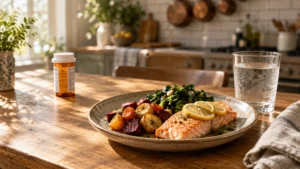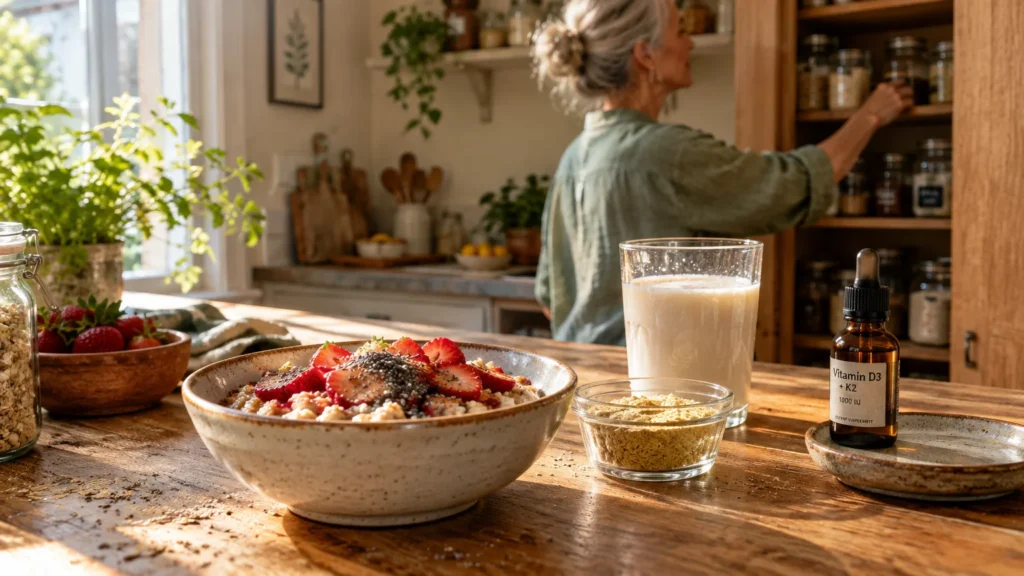
Nutrient-dense meals protect your vitality, yet eating too much of certain wholesome staples can quietly strain your body. Discovering how to balance these nutritious foods keeps your daily meals safe and truly energizing.
Many older adults unknowingly make subtle healthy eating mistakes by assuming that more superfoods always produce better health outcomes. In reality, your body processes concentrated compounds differently as your metabolism and kidney function naturally change over time.
You can enjoy your favorite nourishing meals while avoiding the hidden downsides of healthy foods in excess. Let us explore eight common staples that require mindful moderation to support your long-term wellness.
Understanding the Basics of Nutrient Moderation for Seniors
Eating wholesome food remains one of the finest investments you can make in your vitality. Even so, popular nutrition myths often suggest that more of a good thing is always better for you.
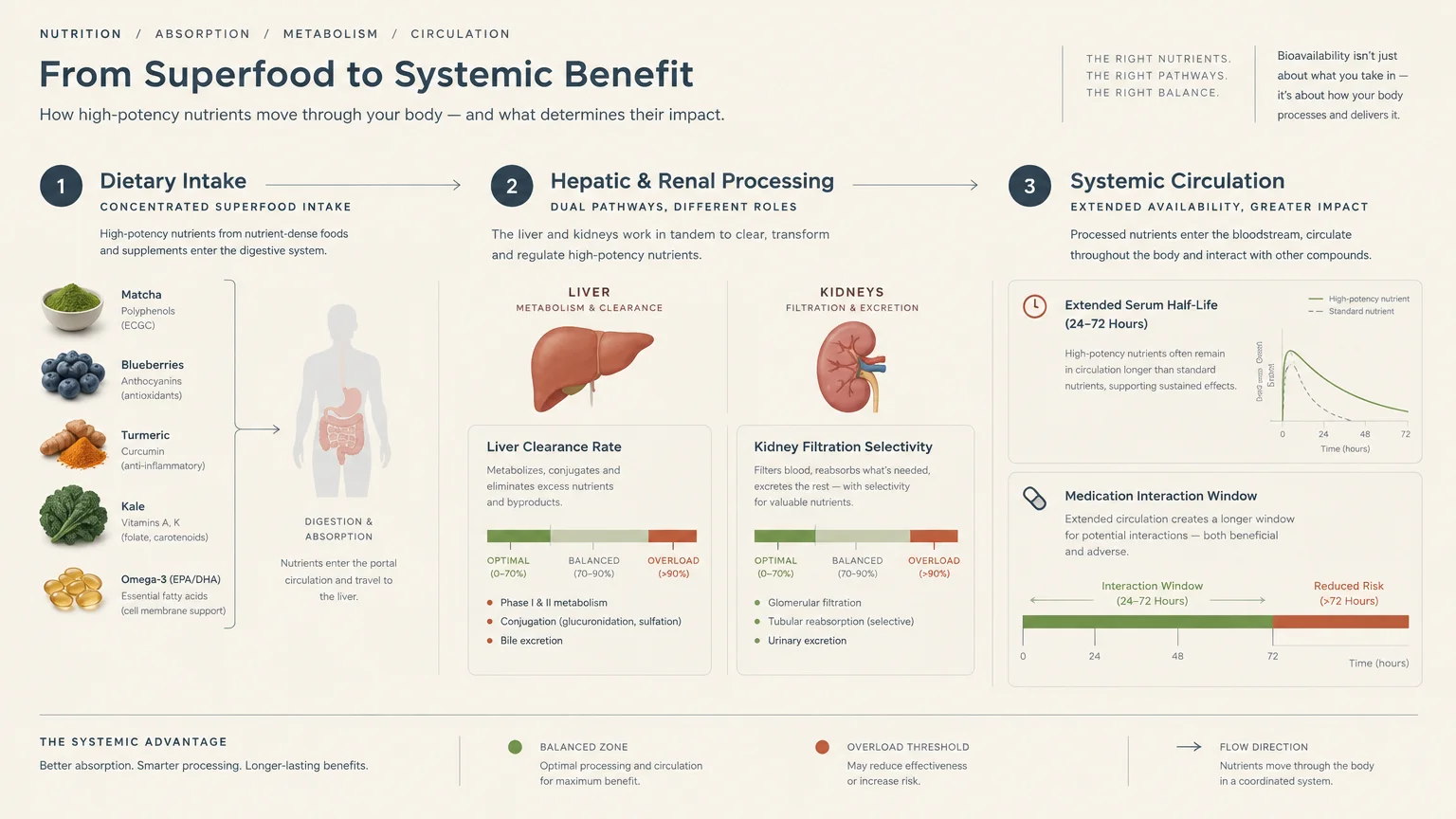
In truth, your physiology evolves gracefully over the years. Your liver metabolizes compounds at a measured rate, and your kidneys filter circulating minerals with greater selectivity.
These natural shifts mean that concentrated nutrients can linger longer in your bloodstream. Foods that offered uncomplicated benefits in your thirties may place an unintended burden on your vital organs today.
Routine prescription medications also influence your daily nutritional needs. Many adults over 55 manage cardiovascular health, joint comfort, or cholesterol with daily therapies that interact directly with specific dietary compounds.
Consuming too much healthy food is remarkably easy when you strive to optimize your wellness. You might drink oversized green smoothies or sprinkle potent spices onto every dish with the best intentions.
Nutrient toxicity rarely happens overnight from eating a single generous dinner. Rather, it develops gradually when you repeat the same dietary choices over weeks or months without realizing the cumulative effect.
Recognizing which items qualify as foods to eat in moderation allows you to protect your system. You do not have to abandon flavorful foods to maintain optimal safety.
By learning how individual foods interact with your physiology, you gain genuine control over your vitality. Thoughtful moderation allows you to celebrate whole foods while keeping your system harmonious.
Instead, you simply need to respect the biological thresholds that keep your cells flourishing. Balance and gentle awareness will preserve your vitality for decades to come.
Practical Tips for a Healthier, Happier Life
1. Grapefruit and Grapefruit Juice
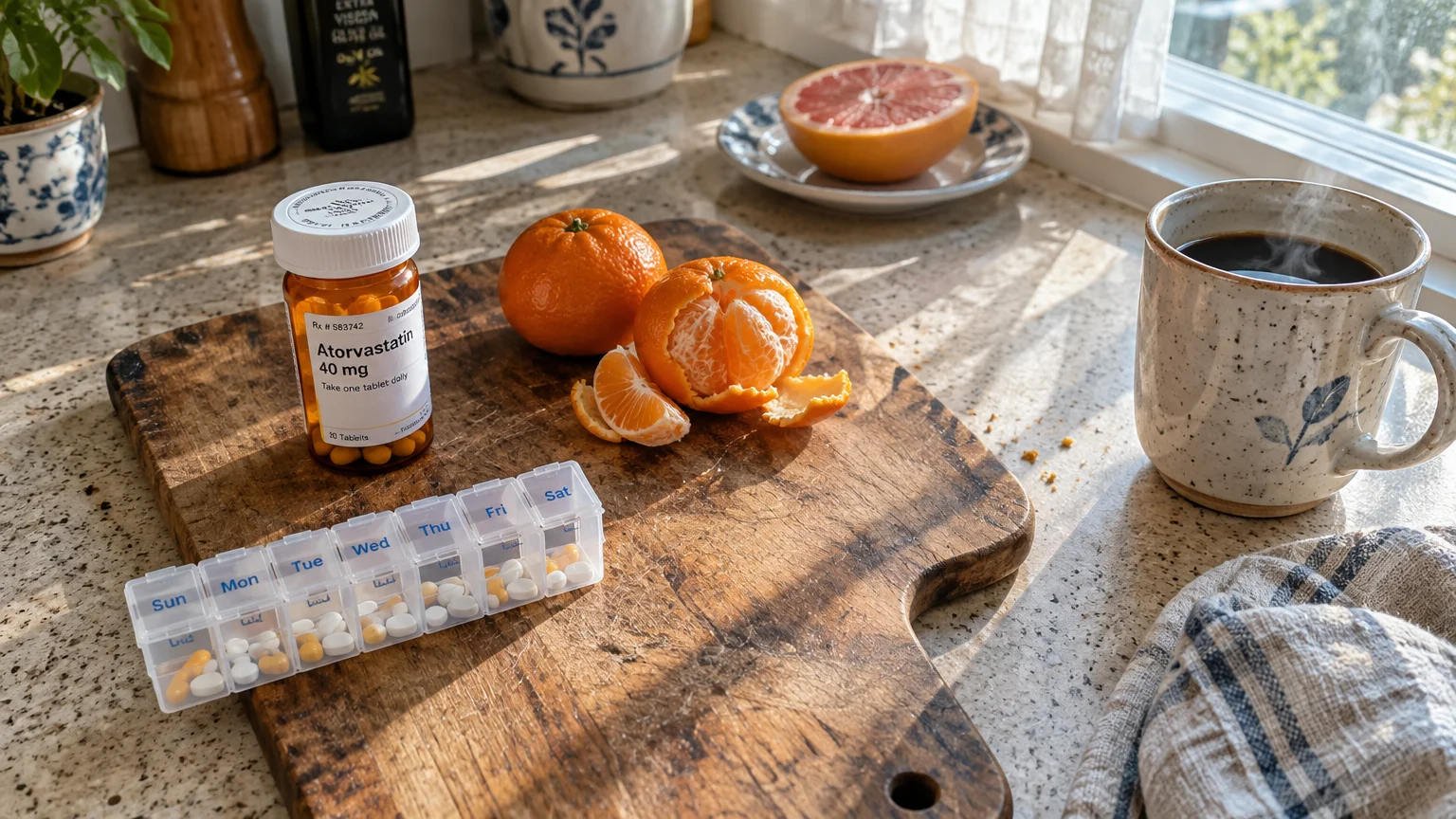
Grapefruit provides refreshing flavor and a generous boost of immune-supporting vitamin C. Unfortunately, this citrus fruit contains natural furanocoumarins that alter how your digestive tract processes vital medications.
Furanocoumarins deactivate an essential intestinal enzyme known as Cytochrome P450 3A4, or CYP3A4. When this enzyme stops functioning, your body cannot break down oral medications at normal rates.
This inhibitory effect can persist in your intestines for 24 to 72 hours after consumption. As a result, standard doses of your daily prescriptions can accumulate to toxic concentrations in your blood.
Clinical pharmacology reports confirm that grapefruit interacts with more than 85 medications. These include common statins such as atorvastatin and simvastatin, alongside calcium channel blockers for blood pressure.
These elevated blood levels dramatically increase your risk of severe muscle breakdown called rhabdomyolysis or profound hypotension. Choose sweet navel oranges, clementines, or tangerines instead for safe citrus enjoyment.
Always discuss your breakfast routine with your pharmacist whenever you begin a new prescription. They can cross-reference your medications against known citrus interactions in seconds.
2. Brazil Nuts
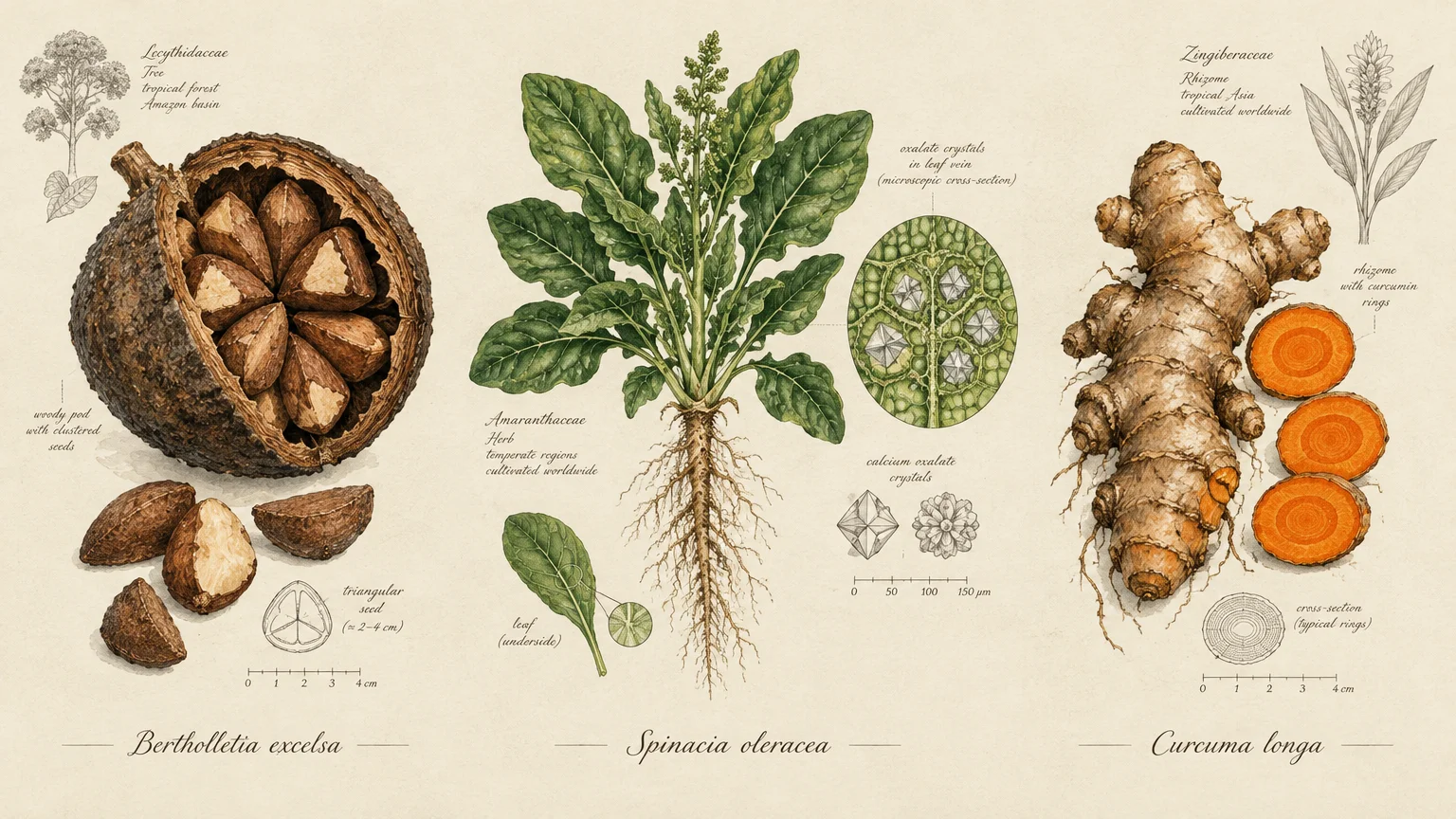
Brazil nuts have earned fame as an exceptional whole-food source of selenium. Your body relies on this trace mineral to support thyroid hormone production and defend against cellular oxidation.
Despite these genuine benefits, selenium has an exceptionally narrow safety window. The National Institutes of Health establishes the adult Recommended Dietary Allowance at 55 micrograms daily.
In contrast, the Tolerable Upper Intake Level stands at 400 micrograms per day. A single Brazil nut can easily supply between 68 and 91 micrograms of selenium on its own.
Regularly consuming as few as 4 to 5 Brazil nuts each day breaches that safe upper limit. Over time, this habit can lead to selenium toxicity, clinically known as selenosis.
Selenosis causes painful brittle nails, sudden hair loss, fatigue, and peripheral neuropathy. Savor no more than one Brazil nut every few days, or choose walnuts for your daily snacking.
Store Brazil nuts in your freezer and treat them like a dietary supplement rather than casual finger food. Eating a single nut every Monday and Thursday prevents unintended overconsumption.
3. Raw Spinach and High-Oxalate Greens
Dark greens offer lutein, iron, and folate to maintain strong cellular energy and sharp vision. However, raw spinach contains some of the highest concentrations of dietary oxalates found in any plant food.
A 100-gram serving of raw spinach delivers 600 to over 900 milligrams of oxalates. Consuming massive handfuls in daily green smoothies can quickly overload your kidneys.
According to the National Kidney Foundation, approximately 80 percent of all kidney stones are calcium oxalate stones. When oxalates bind to calcium in your urinary tract, painful crystals can form rapidly.
Because renal filtration rates decline as you age, your kidneys struggle to clear dense oxalate loads. This physiological shift significantly drives hyperoxaluria and increases stone formation.
Lightly steaming or boiling your spinach removes a large percentage of soluble oxalates. You can also rotate low-oxalate alternatives like romaine lettuce, kale, and crisp bok choy into your meals.
Pairing cooked greens with dairy or calcium-fortified plant milk helps neutralize remaining oxalates directly in your stomach. The calcium binds to oxalates before they ever reach your kidneys.
4. Cassia Cinnamon
Cinnamon provides a comforting warmth to morning oatmeal and offers valuable antioxidant properties. Yet common supermarket cinnamon is almost always Cassia cinnamon, which carries substantial levels of a compound called coumarin.
Coumarin is a naturally occurring plant defense chemical that can cause liver inflammation and hepatic injury. The European Food Safety Authority sets a safe daily coumarin limit of 0.1 milligrams per kilogram of body weight.
For an adult weighing 154 pounds, that safe threshold equals approximately 7 milligrams of coumarin daily. Cassia cinnamon can contain up to 1 percent coumarin, delivering 2 to 7 milligrams in a single teaspoon.
Using just one level teaspoon each day can exceed your liver safety boundary. Over time, this habit stresses your liver without causing obvious warning signs until inflammation occurs.
Look for Ceylon cinnamon, often marketed as true cinnamon, at your local grocer. Ceylon cinnamon contains only microscopic amounts of coumarin, allowing you to season your meals with complete peace of mind.
Check the origin country on the spice container before buying. True Ceylon cinnamon typically originates from Sri Lanka and features a softer, layered bark with a subtly sweet fragrance.
5. Black Licorice
Authentic black licorice contains extract derived directly from the Glycyrrhiza glabra root. While herbalists appreciate licorice for soothing digestion, its primary active compound is a potent sweetener called glycyrrhizin.
Glycyrrhizin alters hormone regulation in your kidneys by inhibiting the enzyme that deactivates cortisol. This chemical chain reaction prompts your kidneys to retain excess sodium while rapidly flushing out potassium.
The Food and Drug Administration warns that adults aged 40 and older face heightened risks from this snack. Eating just 2 ounces daily for two weeks can cause severe potassium depletion and dangerous hypertension.
Depleted potassium levels can trigger life-threatening cardiac arrhythmias, edema, and extreme muscle lethargy. If your heart has an underlying rhythm vulnerability, this candy can provoke sudden hospital visits.
Satisfy your craving with licorice candies that use anise seed oil for flavor rather than authentic root extract. Always inspect herbal digestive teas to confirm they contain licorice in modest, safe concentrations.
If you love herbal infusions after dinner, look for peppermint, ginger, or chamomile blends that omit licorice root. These calming herbs soothe your stomach without interfering with your blood pressure.
6. Canned Albacore Tuna
Canned tuna remains a beloved pantry staple that delivers convenient, lean protein and essential omega-3 fatty acids. Nevertheless, albacore tuna, commonly labeled as solid white tuna, accumulates significant methylmercury over its lifespan.
Albacore tuna swim near the top of the marine food chain, absorbing industrial mercury from smaller prey. Because methylmercury binds tightly to animal muscle tissue, it cannot be cooked or drained away.
Ingested methylmercury bioaccumulates in human nerve tissue and takes months for your liver and kidneys to clear. Over time, mercury exposure can impair fine motor coordination, memory, and cognitive sharpness.
Joint guidelines from the FDA and EPA advise seniors to limit albacore tuna to one 4-ounce serving weekly. Canned light tuna, harvested from smaller skipjack species, contains roughly one-third the mercury content.
You can enjoy canned light tuna two to three times per week without exceeding safe exposure thresholds. Wild Alaskan salmon, Atlantic mackerel, and sardines offer abundant omega-3s with minimal mercury burdens.
Keep track of your seafood meals on a kitchen calendar to ensure safe weekly pacing. Alternating between light tuna and wild salmon keeps your dinners nutritious, delicious, and mercury-safe.
7. High-Potassium Foods and Salt Substitutes
Potassium plays a vital role in balancing fluid levels, blunting dietary sodium, and easing tension in arterial walls. The recommended adequate daily intake is 2,600 milligrams for women and 3,400 milligrams for men.
Despite these benefits, older adults frequently take medications that conserve potassium in the bloodstream. These include ACE inhibitors like lisinopril, angiotensin receptor blockers like losartan, and potassium-sparing water pills.
When you combine these prescriptions with potassium chloride salt substitutes, blood levels can climb rapidly. Excessive daily portions of dried apricots, bananas, and avocados can compound this dangerous trend.
Elevating your serum potassium above 5.0 to 5.5 mEq/L induces a condition called hyperkalemia. Hyperkalemia can cause subtle muscle weakness or suddenly trigger fatal ventricular arrhythmias.
Discard potassium-based salt shakers and flavor your cooking with garlic powder, lemon juice, smoked paprika, and dried oregano. Your palate will appreciate the bright flavors without putting extra strain on your heart.
Ask your physician for your latest basic metabolic panel results after your annual checkup. Knowing your baseline potassium number helps you and your care team personalize your fruit and vegetable goals.
8. High-Vitamin K Leafy Vegetables
Cruciferous greens like kale, collards, and Swiss chard provide wonderful antioxidants and bone-protecting minerals. Their high vitamin K concentration acts as an essential catalyst for liver synthesis of blood-clotting proteins.
The National Institutes of Health establishes a daily vitamin K baseline of 90 micrograms for women and 120 micrograms for men. A single cup of cooked kale supplies over 1,000 micrograms.
This massive intake represents more than 800 percent of your daily requirement. If you take warfarin to prevent strokes or manage deep vein thrombosis, vitamin K directly counteracts your medication.
Dramatic swings in vitamin K intake destabilize your target International Normalized Ratio, which typically rests between 2.0 and 3.0. A plunging INR leaves you vulnerable to dangerous, clot-related strokes.
You do not need to eliminate dark leafy greens entirely from your dining table. The secret lies in consistency; eat similar portions of greens each week so your physician can calibrate your medication accurately.
Do not drastically cut back on greens if you already eat them regularly. Simply maintain the same weekly serving size so your anticoagulation team can adjust your medication to match your lifestyle.
Important Safety Precautions to Keep in Mind
Practicing nutritional safety does not require you to adopt a restrictive mindset or fear your favorite meals. Developing portion awareness simply ensures that healthy foods in excess do not inadvertently disrupt your health.
Always read the ingredient panels on low-sodium soups, frozen diet dinners, and seasoning blends. Food manufacturers frequently add potassium chloride to mimic the taste of regular salt without listing sodium.
Examine the supplement facts on multi-ingredient superfood greens and daily wellness tonics. These commercial powders often condense massive doses of oxalates, licorice, and concentrated herbs into a single scoop.
Maintain consistent hydration throughout the morning and afternoon hours. Drinking sufficient water helps your kidneys flush metabolic byproducts, dilute urinary oxalates, and preserve healthy blood volume.
Keep a simple handwritten food diary for five days to uncover your regular dietary habits. You might discover that you eat several Brazil nuts or generous scoops of cinnamon without realizing the cumulative total.
Embrace dietary variety across all seasons. Rotating your vegetables, nuts, and seasonings ensures you absorb diverse micronutrients while preventing any single plant chemical from accumulating to harmful levels.
Discuss your seasonal eating habits with your care team whenever you make notable lifestyle shifts. Sharing your routine ensures your healthcare providers have a complete picture of your daily wellness practices.

When to Speak with a Healthcare Professional
This guide offers educational insight, but it cannot replace personalized clinical counsel from your trusted medical team. Your unique medical history, organ function, and medication list dictate your precise nutritional boundaries.
Contact your physician immediately if you experience sudden muscle heaviness, unexplained numbness, or heart palpitations. These red flag symptoms may point to an acute potassium surge or severe electrolyte imbalance.
Seek prompt medical attention if you notice severe flank pain, painful urination, or blood in your urine. These painful signs often indicate that calcium oxalate crystals have formed a kidney stone.
Schedule an evaluation if you develop lingering abdominal discomfort, pale stools, or unexplained fatigue. Your doctor can order routine blood work to inspect your liver enzymes and rule out coumarin toxicity.
If you take warfarin, arrange regular INR testing and inform your clinic whenever your vegetable intake changes. Routine monitoring protects you against unexpected clotting events and keeps your therapy on track.
Never adjust prescription dosages on your own to accommodate dietary cravings or wellness trends. Partnering openly with your physician guarantees that your holistic wellness journey remains safe, joyful, and effective.
Frequently Asked Questions
Can I continue eating spinach if I have a history of kidney stones?
You can still enjoy spinach by adjusting your culinary preparation methods. Boiling spinach reduces oxalate content substantially, and eating it alongside calcium-rich foods binds oxalates safely in your digestive tract.
How many Brazil nuts can I safely consume each week?
Eating one to two Brazil nuts per week delivers plenty of supportive selenium without approaching the daily toxic ceiling. This conservative frequency protects your nerves and hair while nourishing your thyroid gland.
Why are potassium salt substitutes dangerous for older adults?
Potassium chloride salt substitutes deliver massive doses of potassium in every sprinkle. Because blood pressure medications reduce potassium excretion, this combination can elevate serum potassium to hazardous levels.
Does cooking cinnamon reduce its coumarin content?
Baking or boiling Cassia cinnamon does not eliminate its coumarin content, as coumarin remains heat-stable. Switching to genuine Ceylon cinnamon provides the safest way to enjoy aromatic dishes every day.
For authoritative, trustworthy health information, always consult official sources like the National Institute on Aging (NIA) and MedlinePlus from the National Library of Medicine. The CDC also provides excellent resources for older adults.
Disclaimer: This article is for informational purposes only and does not constitute medical advice. Always seek the advice of your physician or other qualified health provider with any questions you may have regarding a medical condition.