
Nourishing your thyroid revitalizes your daily energy, sharpens mental focus, and supports a steady metabolism as you age. Targeted foods supply the essential building blocks your body needs to produce vital hormones efficiently.
Your thyroid influences nearly every cell in your body, from your heart rate to your internal temperature. Eating nutrient-dense meals can help you maintain vitality and protect long-term wellness.
Discovering the key nutrients for thyroid balance empowers you to take charge of your health naturally. Simple dietary choices provide steady nourishment so you can enjoy an active, vibrant retirement.

Understanding the Basics of Thyroid Health for Seniors
The thyroid is a small, butterfly-shaped gland located at the base of your neck. It produces hormones that regulate your metabolism, heart rate, and internal body temperature.
These chemical messengers are known as thyroxine, or T4, and triiodohydronine, or T3. Every organ in your body relies on them to maintain balanced cellular energy.
An estimated 20 million Americans currently live with thyroid disease. Remarkably, up to 60% of those individuals remain completely unaware of their condition.
The risk of developing an underactive thyroid, or hypothyroidism, rises sharply after age 60. Approximately 5% to 10% of older adults experience some degree of thyroid slowdown.
Subclinical hypothyroidism is especially prevalent among older adults. In this stage, thyroid-stimulating hormone levels rise while circulating hormones remain within borderline normal ranges.
Overt hypothyroidism occurs when hormone levels drop below normal while TSH climbs dramatically. Subclinical cases, though milder, still warrant mindful dietary care and close medical observation.
Your metabolic rate naturally slows with age, making efficient hormone signaling even more vital. Prioritizing essential nutrients helps your cells produce energy cleanly and consistently.
Women face a significantly greater likelihood of thyroid imbalance throughout life. In fact, women are 5 to 8 times more likely than men to develop thyroid disorders.
Many seniors overlook the subtle signs of thyroid dysfunction. Common symptoms like persistent fatigue, dry skin, and mild memory lapses are often mistakenly dismissed as normal aging.
Adopting a thoughtful thyroid diet provides your body with the foundational elements required for steady hormone production. Whole foods nourish your endocrine system while protecting delicate tissues from cellular stress.
When you supply the right vitamins and minerals, you support your gland’s natural ability to perform at its best. Nourishing your body consistently promotes better vitality and sustained daily comfort.

Practical Tips for a Healthier, Happier Life
Supporting your endocrine system begins in your kitchen with thoughtful food choices. Here are eight essential nutrients that encourage optimal thyroid function and vibrant daily living.
1. Iodine
Iodine and thyroid health share an inseparable bond. Your body uses this essential trace mineral as a primary raw ingredient to manufacture both T3 and T4 hormones.
The Recommended Dietary Allowance (RDA) for older adults is 150 mcg per day. Because your body cannot produce iodine internally, you must obtain it through your regular meals.
Your thyroid gland actively concentrates iodine from your bloodstream to sustain hormone creation. Providing consistent, moderate amounts through daily meals maintains this biological balance without overwhelming your system.
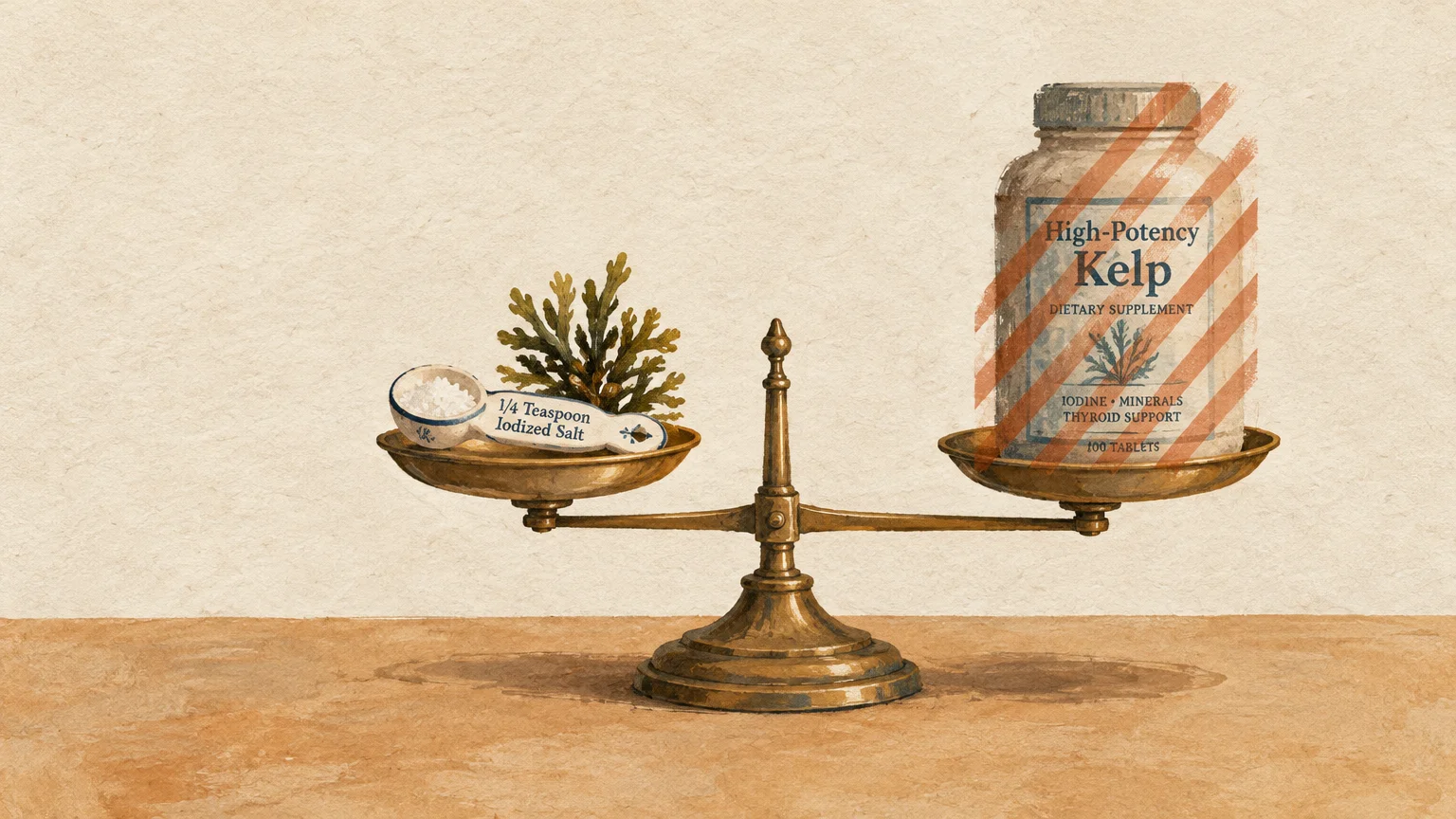
Excellent thyroid health foods rich in iodine include wild cod, sea vegetables, organic yogurt, and modest amounts of iodized table salt. Just a quarter-teaspoon of iodized salt provides substantial daily support.
Strive to meet your iodine requirements through wholesome foods rather than high-potency kelp supplements. Gentle, food-based sources protect your thyroid from accidental overstimulation while delivering steady nourishment.
2. Selenium
Selenium thyroid benefits center on antioxidant protection and enzymatic activation. This powerful mineral shields your thyroid gland from oxidative stress during routine hormone creation.
Special selenium-dependent enzymes also convert inactive T4 into active T3 throughout your bodily tissues. Adults require an RDA of 55 mcg of selenium each day.
Selenium acts as a key component of specialized antioxidant proteins known as selenoproteins. These compounds neutralize hydrogen peroxide, a natural byproduct of thyroid hormone manufacturing.
You can easily meet your daily requirement with Brazil nuts. A single Brazil nut typically provides 68 to 91 mcg of selenium, exceeding your baseline target.
Other nutritious options include yellowfin tuna, roasted turkey breast, and sunflower seeds. Adding a handful of seeds to your morning oatmeal offers convenient endocrine support.
3. Zinc
Zinc plays a pivotal role in signaling your pituitary gland to release thyroid-stimulating hormone, or TSH. Without adequate zinc, this delicate hormonal communication pathway can falter.
This mineral also works alongside selenium to convert stored T4 into usable T3. The RDA is 11 mg daily for adult men and 8 mg daily for adult women.
Zinc also supports healthy cellular receptors that allow thyroid hormones to enter your target tissues. Without adequate receptor sensitivity, circulating hormones cannot deliver their energizing benefits effectively.
You can find generous amounts of zinc in oysters, lean cuts of beef, pumpkin seeds, and lentils. These nourishing staples help your body maintain steady metabolic activity.
Toss roasted pumpkin seeds over fresh salads or blend them into warm vegetable soups. These simple culinary additions provide gentle, daily immune and thyroid assistance.
4. Vitamin D
Vitamin D functions like a hormone in your body, regulating immune system responses. Sufficient levels help prevent immune cells from mistakenly attacking healthy thyroid tissue.
Clinical research frequently connects vitamin D deficiency with Hashimoto’s thyroiditis, a primary cause of hypothyroidism. Maintaining healthy levels helps calm autoimmune inflammation.
The RDA is 600 IU (15 mcg) daily for adults aged 51 to 70. This target rises to 800 IU (20 mcg) daily for adults aged 71 and older.
Beyond thyroid protection, vitamin D plays an essential role in preserving bone density as you age. Maintaining healthy levels safeguards your skeleton against the bone turnover associated with thyroid fluctuations.
Wild-caught salmon, fortified dairy milk, and whole eggs offer dependable dietary vitamin D. Spending 10 to 15 minutes outdoors in gentle morning sunlight also encourages natural synthesis.
5. Vitamin B12
Vitamin B12 is essential for cellular energy production, red blood cell formation, and nervous system integrity. Thyroid hormone imbalances often coincide with low B12 status.
The standard RDA for adults is 2.4 mcg per day. However, aging changes how your digestive system handles this critical vitamin.
Between 10% and 30% of adults over age 50 produce less stomach acid due to atrophic gastritis. This condition impairs the absorption of food-bound B12 from animal proteins.
Low B12 levels frequently produce numbness, tingling in the hands, and persistent mental sluggishness. Because these symptoms mirror thyroid fatigue, addressing both areas brings remarkable relief.
Experts recommend that older adults consume fortified foods or quality supplements to ensure adequate uptake. Consider adding fortified nutritional yeast to roasted vegetables or discussing a gentle supplement with your physician.
6. Iron
Iron is an indispensable cofactor for thyroid peroxidase, the central enzyme responsible for synthesizing thyroid hormones. An iron deficiency limits how effectively your gland binds iodine.
For postmenopausal women and men over age 50, the RDA drops to 8 mg per day. This reduced target accounts for lower baseline losses after menstruation ceases.
Your doctor can check your ferritin levels to evaluate your body’s stored iron reserves accurately. Maintaining optimal stores ensures your thyroid enzymes function at peak capacity throughout the year.
Nutritious iron sources include steamed spinach, lentils, white beans, and lean poultry. These whole foods gently replenish your body’s vital oxygen-carrying capacity.
Pair non-heme plant iron with foods high in vitamin C, such as sliced bell peppers or strawberries. This easy combination significantly enhances your digestive tract’s iron absorption.
7. Magnesium
Magnesium assists in hundreds of enzymatic reactions throughout your body, including cellular hormone conversion. It enables your tissues to process circulating thyroid hormones with greater efficiency.
Adequate magnesium also promotes restful sleep and relaxes tense muscles. These soothing qualities help alleviate the physical tension that often accompanies thyroid stress.
Magnesium powers the creation of adenosine triphosphate, or ATP, which provides cellular energy. Your thyroid gland consumes significant ATP to actively synthesize and release its hormones.
You can nourish your body with dark leafy greens like Swiss chard, steamed spinach, almonds, and avocados. These nutrient-dense foods fit effortlessly into any senior wellness plan.
Enjoying a handful of almonds or adding sliced avocado to lunch delivers sustained mineral support. These delicious choices keep your metabolism balanced and energized.
8. Tyrosine
Tyrosine is a vital amino acid that provides the structural foundation for your thyroid hormones. Your body attaches iodine molecules directly onto tyrosine to build T3 and T4.
Without sufficient dietary tyrosine, your thyroid lacks the necessary physical scaffolding to construct hormones. Consuming balanced protein sources throughout the day ensures continuous availability.
Your body also converts tyrosine into important neurotransmitters, including dopamine and norepinephrine. These brain chemicals promote steady focus, balanced mood, and emotional resilience in your daily routine.
Excellent sources of tyrosine include roasted turkey, chicken breast, cottage cheese, and sesame seeds. Plant lovers can also enjoy tofu, pumpkin seeds, and cooked lentils.
Adding a serving of cottage cheese to breakfast or enjoying roasted turkey slices at lunch supplies reliable nourishment. Balanced protein intake supports both muscle preservation and hormonal health.
Gentle Daily Habits to Enhance Nutrient Absorption
Supporting your thyroid involves more than just selecting the right ingredients. How you prepare your meals and time your daily habits plays an equally valuable role.
Lightly cook cruciferous vegetables such as broccoli, Brussels sprouts, and cabbage before eating them. Gentle heat breaks down goitrogens that might otherwise hinder iodine uptake.
Drink plenty of fresh water throughout the day to support circulation and digestive efficiency. Good hydration helps your body transport essential nutrients directly to your endocrine glands.
Chronic stress elevates cortisol levels, which can suppress pituitary TSH production over time. Gentle daily walks, deep breathing, and restorative hobbies help keep stress hormones in check.
Incorporating soothing spices like turmeric and ginger into your cooking provides mild anti-inflammatory support. These warming culinary herbs pair beautifully with roasted root vegetables and nourishing soups.
Design balanced plates that unite lean proteins, colorful produce, and healthy fats. This balanced approach stabilizes blood sugar levels and prevents undue metabolic strain.
Important Safety Precautions to Keep in Mind
While dietary nutrients support your body gently, more is not always better. Practicing sensible moderation prevents unwanted strain on your thyroid gland.
The Tolerable Upper Intake Level (UL) for iodine is 1,100 mcg per day for adults. However, the American Thyroid Association (ATA) issues a specific clinical warning for seniors.
The ATA advises adults against taking supplements containing more than 500 mcg per day of iodine. Excessive iodine intake can paradoxically trigger or worsen hypothyroidism or thyrotoxicosis in older adults.
Selenium also requires measured consumption, with a strict UL of 400 mcg daily. Eating too many Brazil nuts regularly can cause selenosis, leading to brittle nails and hair loss.
Limit your intake of Brazil nuts to just one or two nuts a day. This conservative approach provides ample selenium benefits while keeping you completely safe from toxicity.
Zinc carries a daily upper limit of 40 mg from all sources combined. Exceeding this limit over time can interfere with copper absorption and suppress immune health.
Millions of older adults take prescription thyroid hormone replacement, such as levothyroxine. If you take this medication, pay close attention to the timing of your mineral supplements.
Supplemental calcium, iron, and magnesium bind to thyroid medication within the digestive tract, blocking its absorption. ATA clinical guidelines specify taking these mineral supplements at least 4 hours apart from thyroid medication.
Always take your thyroid prescription on an empty stomach with a full glass of water. Wait at least 30 to 60 minutes before eating breakfast or drinking morning coffee.
Exercise extreme caution with over-the-counter thyroid support supplements that contain desiccated animal gland extracts. These unregulated products often contain variable hormone amounts that can dangerously disrupt your heart rhythm.
Stick to verified dietary nutrients rather than complex botanical concoctions with unproven health claims. Purity and simplicity remain your safest path toward long-term endocrine balance.

When to Speak with a Healthcare Professional
Dietary choices provide gentle baseline nourishment, but they do not replace professional medical diagnosis or prescription treatments. Never attempt to manage suspected endocrine disorders through dietary changes alone.
You should arrange a medical evaluation if you experience persistent fatigue that rest does not relieve. Unexplained weight shifts, chronic constipation, and extreme sensitivity to cold also warrant medical investigation.
Other critical indicators include sudden changes in heart rate, uncharacteristic sadness, hoarseness, or swelling in your neck. If you notice any of these signs, contact your physician promptly.
Your doctor can perform a simple blood test known as a thyroid panel. This test typically evaluates TSH, Free T4, Free T3, and thyroid peroxidase antibodies to assess your status accurately.
Dosage requirements for thyroid medications frequently change as body weight, kidney clearance, and metabolic rates evolve with age. Routine doctor visits ensure your prescription matches your current physiological needs.
Never adjust your prescription dosage independently based on how energetic or sluggish you feel. Always consult your prescribing physician before modifying any hormone therapy.
Regular diagnostic monitoring ensures that any underlying hormone imbalances receive swift, targeted medical care. Partnering openly with your physician keeps your health journey safe and successful.
For authoritative, trustworthy health information, always consult official sources like the National Institute on Aging (NIA) and MedlinePlus from the National Library of Medicine. The CDC also provides excellent resources for older adults.
Frequently Asked Questions
Can a healthy diet cure hypothyroidism?
A nutritious diet provides essential raw materials for hormone production, but it cannot cure clinical hypothyroidism. If autoimmune processes have damaged your gland, you will still require prescription thyroid hormone replacement.
Wholesome foods complement medical therapy by optimizing your overall energy and reducing inflammation. Always follow your physician’s guidance regarding prescribed medication.
Are cruciferous vegetables unsafe for seniors with thyroid issues?
Cruciferous vegetables like broccoli, kale, and cauliflower are safe when consumed in normal dietary amounts. These vegetables contain glucosinolates, which can interfere with iodine uptake if eaten raw in massive quantities.
Steaming, roasting, or boiling these vegetables deactivates the majority of goitrogenic compounds. You can comfortably enjoy them as part of a varied, nutrient-dense diet.
How should I schedule my vitamins if I take levothyroxine?
Take your levothyroxine first thing in the morning with plain water, waiting 30 to 60 minutes before eating. Keep your breakfast free from heavy calcium or iron supplements.
Schedule your multivitamins, calcium chews, and iron tablets for lunchtime or the evening. Maintaining a 4-hour separation window ensures optimal medication absorption and steady hormone levels.
How frequently should older adults test their thyroid function?
Most medical professionals recommend screening thyroid levels once every year during your comprehensive wellness exam. Routine annual blood tests help detect subclinical changes before pronounced symptoms arise.
If you currently take thyroid medication, your physician may test your blood every 6 to 12 weeks following dosage adjustments. Once your levels stabilize, annual monitoring is standard practice.
Disclaimer: This article is for informational purposes only and does not constitute medical advice. Always seek the advice of your physician or other qualified health provider with any questions you may have regarding a medical condition.