
Discovering the exact reasons behind that persistent pins-and-needles sensation empowers you to protect your long-term mobility and physical comfort. You can successfully manage nerve discomfort once you understand the underlying triggers affecting your body. As we age, our peripheral nerves undergo natural structural changes; this makes older adults particularly susceptible to unexpected tingling, prickling, or burning sensations in their extremities. Identifying the specific root cause allows you to seek targeted treatments and make simple lifestyle adjustments that restore your normal sensation. Whether your symptoms stem from a straightforward vitamin deficiency or a chronic metabolic issue, uncovering the truth offers peace of mind and a clear path forward for your holistic well-being.
Understanding the Basics of 14 Conditions That Can Cause Tingling in Your Hands or Feet for Seniors
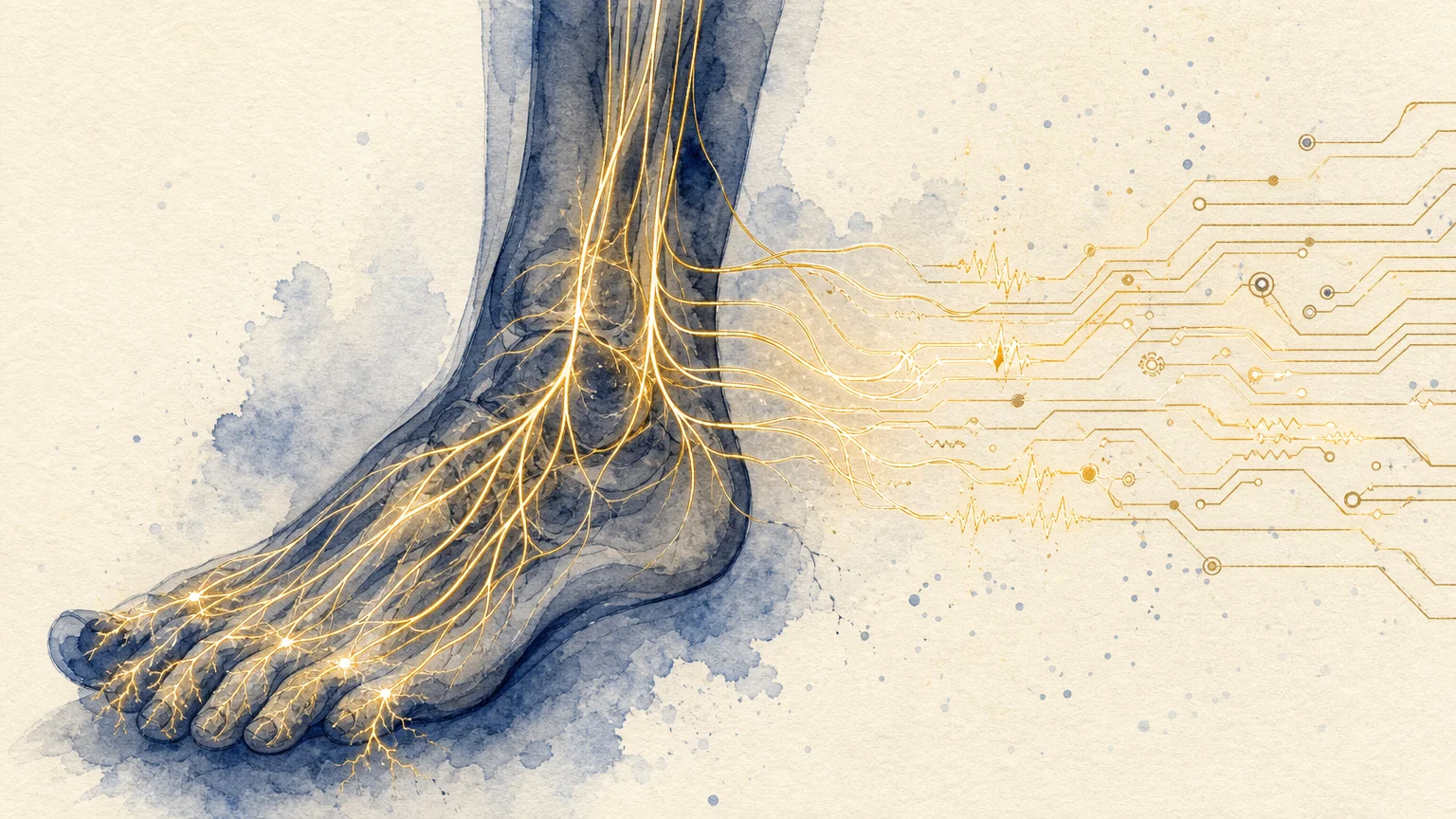
Your nervous system operates like a vast, complex electrical grid that sends constant messages between your brain, spinal cord, and the rest of your body. The peripheral nerves serve as the crucial communication lines extending down into your fingertips and toes. When these delicate communication lines experience pressure, reduced blood flow, or structural damage, they begin misfiring. Instead of relaying accurate sensory information about temperature or texture, damaged nerves transmit abnormal signals that you perceive as tingling in hands and feet.
Older adults naturally experience gradual changes in their circulatory and nervous systems, making it highly beneficial to stay vigilant about these sensory shifts. Recognizing peripheral neuropathy symptoms early on gives you a distinct advantage in preventing further nerve deterioration. Many people mistakenly believe that losing sensation or experiencing sharp, unpredictable nerve pain is simply a normal, unavoidable part of getting older. In reality, tingling and numbness act as an early warning system—an essential biological alarm alerting you to underlying shifts in your health that require your attention.
Understanding how different conditions interact with your nervous system removes the fear of the unknown. By familiarizing yourself with the varied causes of tingling, you equip yourself with the knowledge needed to have productive, focused conversations with your healthcare provider. Your proactive approach ensures that minor nerve irritations do not progress into chronic, debilitating issues that interfere with your independence and quality of life.

Practical Tips for a Healthier, Happier Life
Managing your health requires practical, everyday strategies that fit seamlessly into your existing routine. By examining the common conditions that trigger nerve discomfort, you can implement highly effective, safe habits to protect your peripheral nerves.
1. Diabetes and Blood Sugar Fluctuations
Chronically elevated blood sugar acts as a metabolic toxin to the tiny blood vessels that supply oxygen and nutrients to your nerves. Over time, uncontrolled diabetes damages these vessels, starving the nerve endings and leading to diabetic neuropathy. To protect your nerve health, closely monitor your daily carbohydrate intake and maintain a consistent walking routine to help stabilize your blood glucose levels. Ask your doctor for a hemoglobin A1C test if you notice persistent changes in how your feet feel, as early intervention dramatically slows nerve damage.
2. Vitamin B12 Deficiency
As you age, your stomach lining gradually produces less of the essential acid required to absorb vitamin B12 from the foods you eat. This specific vitamin maintains the protective myelin sheath surrounding your nerves; without it, nerve signaling breaks down. If you follow a strict plant-based diet or take acid-reducing medications, you face a higher risk for this deficiency. Request a comprehensive blood panel to check your B12 levels, and consider taking a sublingual supplement or eating fortified breakfast cereals to rebuild your nutrient stores naturally.
3. Carpal Tunnel Syndrome
Repetitive hand movements, combined with age-related fluid retention or tissue swelling, can easily compress the median nerve as it travels through the narrow passageway in your wrist. This compression typically triggers numbness in hands and feet, though Carpal Tunnel strictly affects the hands and fingers. To find relief, keep your wrists in a neutral, straight position while reading, typing, or doing needlework. Wearing a rigid, supportive wrist splint while you sleep effectively prevents you from unknowingly bending your wrists and compressing the nerve overnight.
4. Cervical or Lumbar Radiculopathy (Pinched Nerves)
Years of physical activity lead to the natural wear and tear of your spinal discs, sometimes causing them to bulge or degenerate and press against the nerve roots exiting your spinal column. A pinched nerve in your neck radiates tingling down your arm, while one in your lower back sends sensations shooting down your leg. Practice gentle, restorative posture exercises daily to keep your spine properly aligned. Avoid lifting heavy objects by bending at your waist; instead, engage your leg muscles to minimize unnecessary strain on your spinal column.
5. Underactive Thyroid (Hypothyroidism)
An underperforming thyroid gland slows down your entire metabolism, which can lead to fluid retention and tissue swelling throughout your body. This excess fluid exerts pressure on your peripheral nerves, silently contributing to nerve pain causes. Watch for accompanying signs like unexplained fatigue, sensitivity to cold, and unexplained weight gain. Because thyroid hormone levels fluctuate as you grow older, scheduling an annual thyroid-stimulating hormone (TSH) test helps you and your doctor catch and treat hypothyroidism before it impacts your nerve function.
6. Shingles and Postherpetic Neuralgia
If you had chickenpox during your childhood, the varicella-zoster virus remains dormant within your nerve tissue for decades. If your immune system temporarily weakens, the virus can reactivate as shingles—bringing a painful, blistering rash and intense nerve burning. Sometimes, the localized tingling and pain persist long after the rash clears, a condition known as postherpetic neuralgia. Protect yourself proactively by getting the shingles vaccine, which is highly recommended for adults over fifty to significantly reduce your risk of this painful viral reactivation.
7. Declining Kidney Function
Your kidneys act as sophisticated filtration systems, efficiently removing waste products and excess fluids from your bloodstream. When kidney function declines due to age or high blood pressure, metabolic toxins accumulate in your blood and directly irritate your sensitive nerve endings. Staying adequately hydrated by drinking plenty of fresh water throughout the day helps your kidneys flush out these potentially harmful toxins. Additionally, maintaining a diet low in processed sodium supports optimal kidney function and reduces the internal swelling that stresses your nerves.
8. Peripheral Artery Disease (PAD)
Plaque buildup inside your blood vessels narrows the arteries, actively restricting the flow of oxygen-rich blood to your extremities. When your feet and legs do not receive adequate blood circulation, the starved nerves begin to tingle and cramp—especially during physical exertion. You can improve your circulation dramatically by engaging in a daily walking program; start with brief, manageable ten-minute sessions and gradually increase your distance. Quitting smoking is equally vital, as tobacco significantly accelerates the hardening of your arteries.
9. Rheumatoid Arthritis and Autoimmune Issues
In autoimmune conditions like rheumatoid arthritis, your immune system mistakenly attacks the lining of your joints, causing chronic, severe inflammation. The resulting joint swelling can easily trap and compress adjacent nerves, leading to localized numbness and tingling. Focus on eating an anti-inflammatory diet rich in omega-3 fatty acids—found in walnuts, chia seeds, and fatty fish—to help soothe joint irritation. Incorporating gentle, low-impact exercises like water aerobics keeps your joints fluid and minimizes the inflammatory pressure on your nervous system.
10. Medication Side Effects
Certain prescription drugs prescribed for older adults carry unexpected side effects that impact nerve health. Blood pressure medications, cholesterol-lowering statins, and prior chemotherapy treatments are frequent, overlooked causes of tingling. Never abruptly stop taking a prescribed medication if you suspect it is causing numbness. Instead, schedule a medication review with your local pharmacist or primary care doctor to discuss potential alternatives, dosage adjustments, or complementary supplements that might mitigate these sensory side effects safely.
11. Prolonged Alcohol Consumption
Heavy, prolonged alcohol use exhibits a toxic effect directly on nerve tissue and simultaneously depletes your body of thiamine and other vital B vitamins necessary for nerve repair. This dual threat frequently results in alcoholic neuropathy, characterized by burning, prickling, and weakness in the feet. Reducing your alcohol intake to moderate levels—or eliminating it entirely—halts further nerve damage and allows your body to heal. Drink nutrient-dense mocktails or herbal teas as comforting, healthy alternatives during your evening routine.
12. Tarsal Tunnel Syndrome
Similar to carpal tunnel in the wrist, tarsal tunnel syndrome occurs when the tibial nerve experiences compression as it travels through a narrow space on the inside of your ankle. Flat feet, arthritis, or a previous ankle sprain can trigger this localized pressure. Prioritize your foot health by wearing supportive, well-cushioned shoes featuring proper arch support, both indoors and outdoors. If you experience aching or tingling on the sole of your foot, a custom shoe insert can realign your foot and instantly relieve the nerve compression.
13. Lyme Disease and Tick-Borne Infections
Spending time in nature offers wonderful mental and physical benefits, but tick bites carry the bacteria responsible for Lyme disease. If left untreated, the infection attacks the nervous system, manifesting as joint pain, facial weakness, and tingling in the extremities. Always perform a thorough tick check after gardening, hiking, or walking through tall grassy areas. Wearing long pants and using an EPA-approved insect repellent offers excellent, proactive protection against tick-borne illnesses that compromise your nerve health.
14. Idiopathic Peripheral Neuropathy
In some cases, despite extensive medical testing, doctors cannot identify a specific underlying disease causing the sensory changes; this is known as idiopathic neuropathy. While an unknown cause can feel frustrating, you can still take command of your comfort. Focus on lifestyle interventions that support general nerve health: practice stress-reduction techniques like deep breathing, maintain a balanced diet full of colorful vegetables, and massage your hands and feet gently with a moisturizing lotion to stimulate local blood flow and soothe irritated nerve endings.
Important Safety Precautions to Keep in Mind
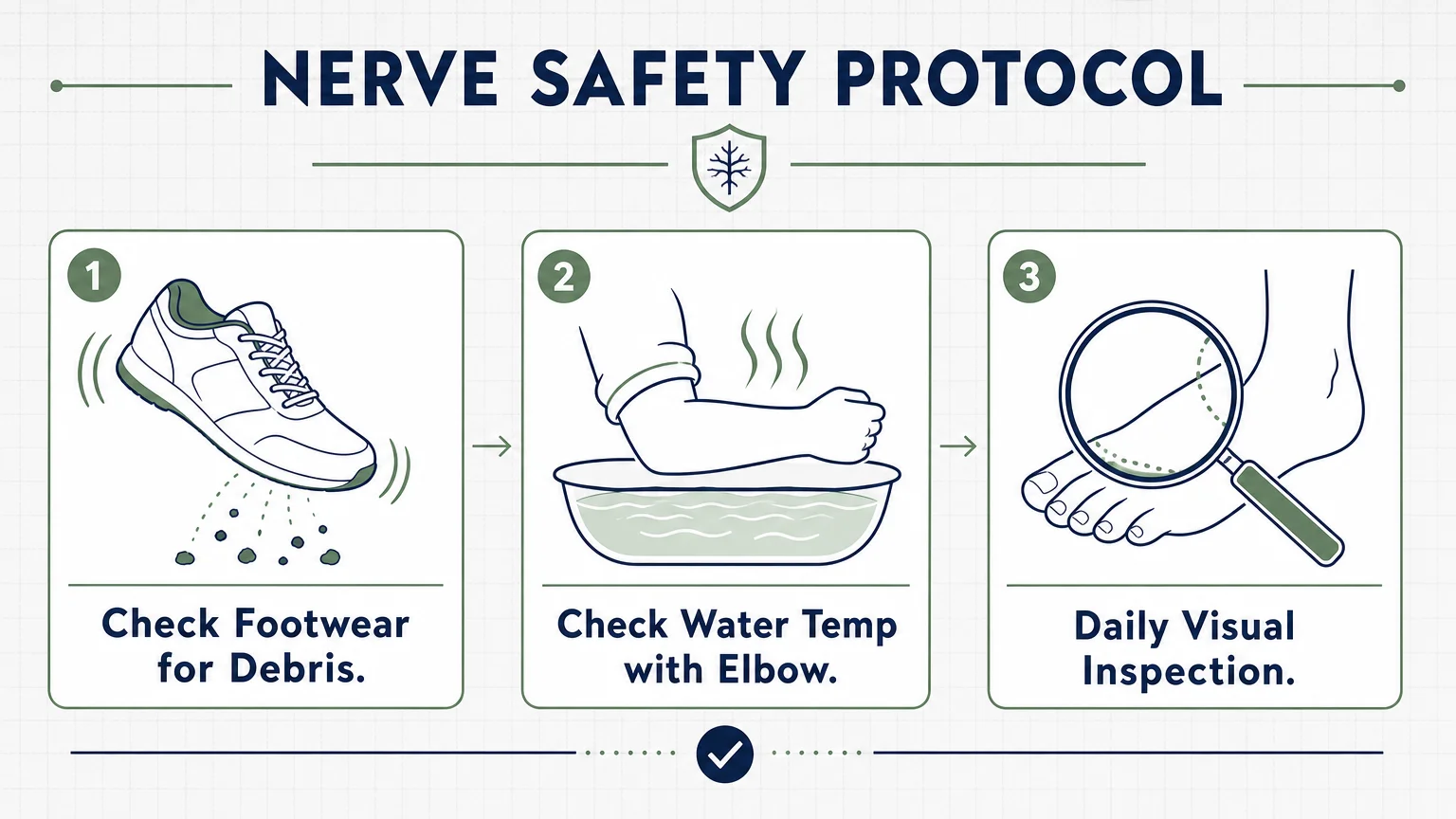
Living with altered sensation in your hands or feet introduces unique physical challenges that require mindful, daily safety adjustments. When peripheral neuropathy symptoms dull your ability to feel texture, temperature, or pain, you become significantly more vulnerable to accidental injuries. Fall prevention must become a top priority in your household. Remove loose throw rugs, clear clutter from your walking paths, and ensure your hallways and staircases are brightly illuminated to compensate for any loss of spatial awareness in your feet.
Temperature regulation presents another critical safety concern. If the nerves in your hands or feet cannot accurately gauge heat, you risk sustaining severe burns without even realizing it. Always test your bathwater or dishwater using a designated thermometer or by briefly dipping your elbow—where sensation is typically intact—into the water before fully immersing your hands or feet. Avoid using electric heating pads or uninsulated hot water bottles directly on numb areas while resting or sleeping.
Finally, commit to a strict routine of daily foot inspections. Because you might not feel a pebble in your shoe or a newly formed blister, these minor issues can quickly escalate into serious, infected ulcers if left unseen. Sit in a well-lit area every evening and examine the soles of your feet, your heels, and between your toes. Use a hand mirror if bending over is difficult, and apply a gentle moisturizer to prevent dry skin from cracking and inviting infection.
When to Speak with a Healthcare Professional
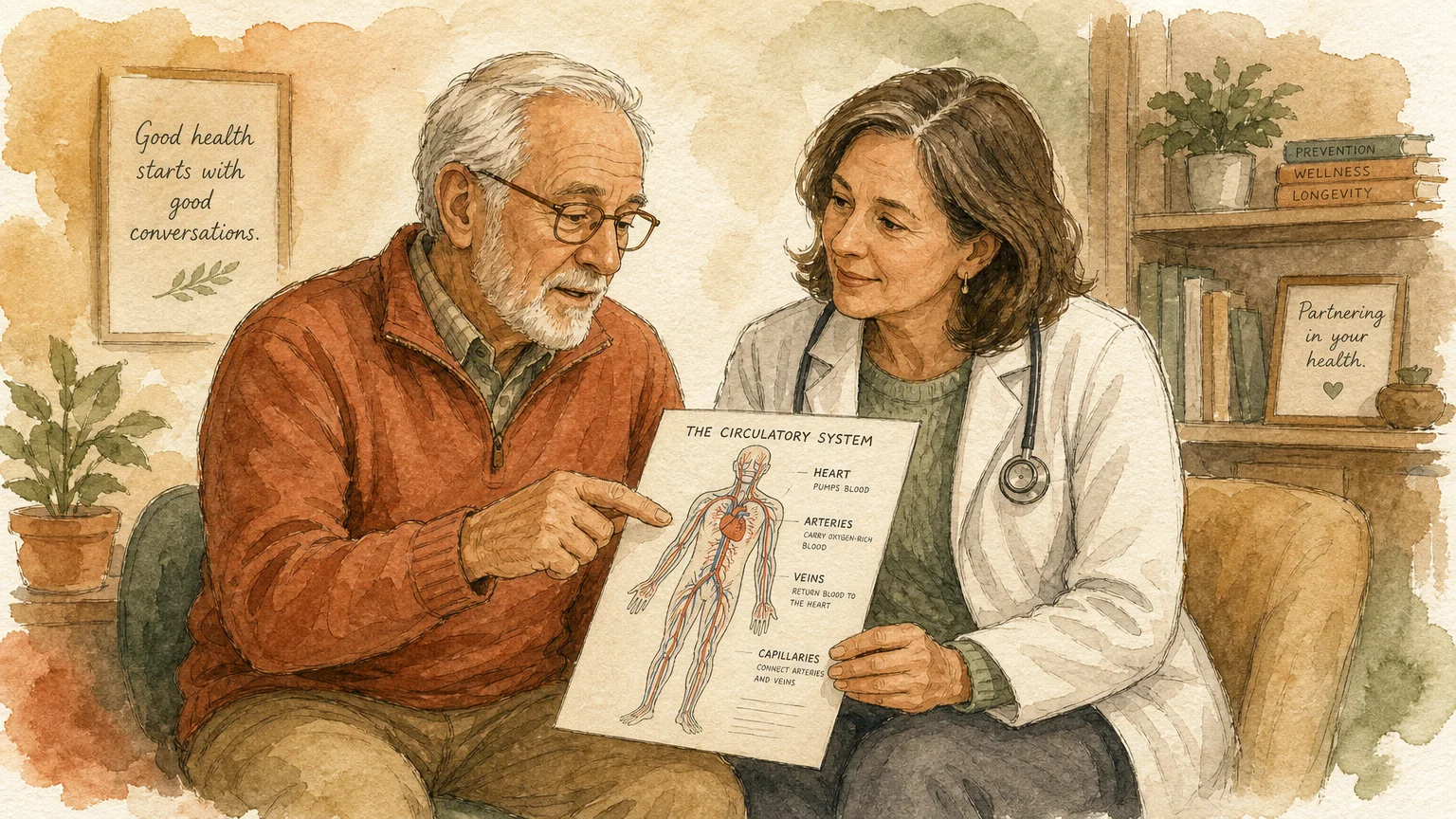
While educating yourself about your body is a vital step toward holistic wellness, the information provided here cannot replace personalized medical evaluation. You must partner with a qualified healthcare provider to accurately diagnose and manage nerve-related symptoms. Tingling and numbness can occasionally signal severe, acute medical emergencies that require immediate intervention to prevent permanent disability.
Seek emergency medical care immediately if your tingling is accompanied by sudden, severe muscle weakness, a sudden loss of bowel or bladder control, or if you experience confusion and difficulty speaking. Furthermore, if you notice that the numbness in hands and feet travels rapidly up your limbs, or if it strictly affects only one side of your body, do not wait for the symptoms to resolve on their own. These specific patterns can indicate serious neurological events, such as a stroke or acute nerve compression.
Schedule a routine appointment with your doctor if your tingling gradually worsens over time, disrupts your ability to sleep comfortably, or interferes with your daily activities like walking or holding objects securely. Keeping a brief daily journal noting when the tingling occurs, how long it lasts, and what activities trigger it will provide your doctor with invaluable clues for an accurate diagnosis.
Frequently Asked Questions
Does tingling in the hands and feet always mean I have permanent nerve damage?
No, experiencing these sensations does not automatically indicate permanent damage. Many common triggers—such as vitamin deficiencies, temporary nerve compression from poor posture, or medication side effects—are entirely reversible. Identifying and addressing the root cause early on often allows the nerves to repair themselves, fully restoring your normal sensation.
Can poor circulation alone create numbness in hands and feet?
Yes; your nerves require a continuous supply of oxygen and nutrients delivered through your bloodstream to function correctly. Conditions that restrict this vital blood flow, like peripheral artery disease or prolonged sitting in awkward positions, starve the nerves temporarily. This starvation causes them to misfire and create a pins-and-needles feeling until proper circulation is restored.
Are there safe exercises that relieve common nerve pain causes?
Absolutely. Low-impact activities are highly beneficial for nerve health because they encourage blood flow without jarring your joints. Gentle stretching, restorative yoga, and aquatic therapy relieve muscle tension that might be compressing your nerves. Always start slowly and consult your physical therapist to ensure the exercises you choose are safe for your specific condition.
How does a doctor determine the exact causes of tingling?
Your physician acts much like a detective, using a combination of physical examinations and diagnostic tests. They will likely order comprehensive blood work to check for diabetes, thyroid dysfunction, and vitamin deficiencies. If necessary, they may also perform an electromyography (EMG) or nerve conduction study to measure exactly how fast and how well your nerves are transmitting electrical signals.
For authoritative, trustworthy health information, always consult official sources like the National Institute on Aging (NIA) and MedlinePlus from the National Library of Medicine. The CDC also provides excellent resources for older adults.
Disclaimer: This article is for informational purposes only and does not constitute medical advice. Always seek the advice of your physician or other qualified health provider with any questions you may have regarding a medical condition.