Adding fresh, nutrient-dense summer fruits to your daily meals delivers an immediate boost of essential vitamins, vital hydration, and natural energy during the hottest months of the year. As temperatures rise, your body requires extra fluids and easily digestible nutrients to maintain optimal health, protect your skin, and keep your digestive system running smoothly. Incorporating these seasonal delights provides a delicious way to support your heart, sharpen your mind, and strengthen your immune system without relying on processed sweets. You will discover exactly which fruits offer the greatest benefits for your aging body, along with practical ways to enjoy them safely and comfortably all season long.
Understanding the Basics of 7 Best Fruits to Eat During the Summer Months for Seniors
As you age, your body undergoes natural changes that make nutrition and hydration more important than ever. One of the most significant shifts involves your sense of thirst; older adults often do not feel thirsty even when their bodies desperately need fluids. This decreased thirst response makes you far more vulnerable to dehydration, especially when summer temperatures soar. Dehydration can lead to fatigue, confusion, dizziness, and a higher risk of falls. Relying solely on glasses of water can feel tedious, which is exactly why incorporating water-rich summer fruits into your diet is a smart, proactive strategy to protect your health.
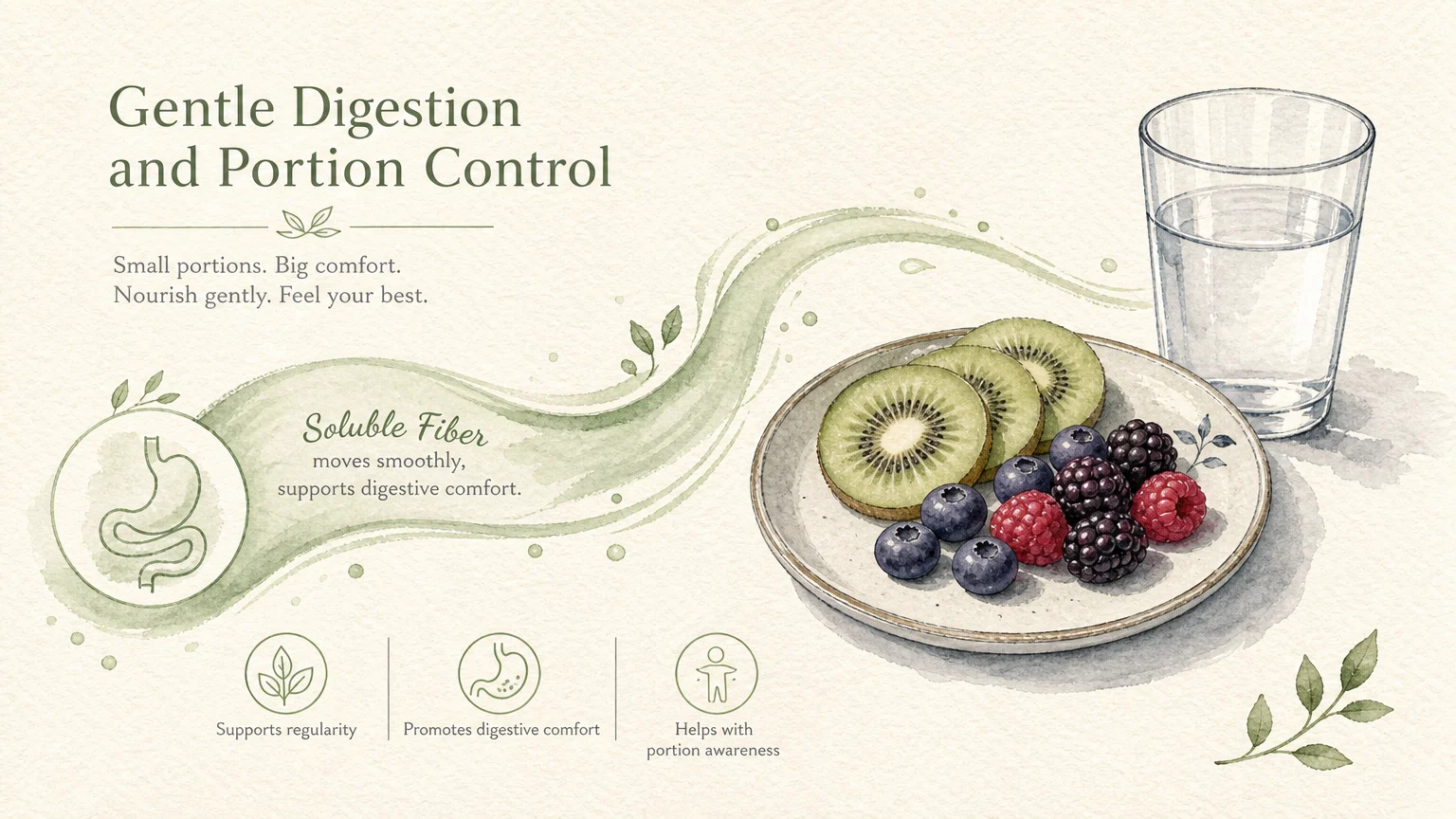
Beyond simple hydration, your digestive system naturally slows down over the years. To keep your bowels functioning regularly and comfortably, you require a steady intake of dietary fiber. Summer fruits provide a delicious, natural source of soluble and insoluble fiber that helps sweep waste through your digestive tract, preventing constipation and bloating. Fiber also plays a crucial role in stabilizing your blood sugar levels and managing your cholesterol, making it an indispensable part of your daily routine.
Furthermore, your immune system requires targeted nutritional support to function at its best. Sourcing your vitamins directly from seasonal fruits ensures you absorb these nutrients in their most bioavailable form. Fresh produce harvested during the summer months is typically picked at peak ripeness, meaning it contains the maximum amount of vitamins, minerals, and antioxidants. These compounds actively neutralize harmful free radicals in your body—unstable molecules that contribute to cellular aging, joint inflammation, and chronic diseases. By selecting the best fruits for summer, you provide your body with the exact building blocks it needs to repair tissues, maintain vibrant skin, and sustain your physical independence.
Practical Tips for a Healthier, Happier Life
Building a healthy routine around fresh produce does not have to be complicated. By focusing on specific, nutrient-dense options, you can easily integrate powerful health benefits into your meals and snacks. Here is a detailed look at the most beneficial summer fruits to support your aging body.
1. Watermelon: The Ultimate Hydration Source
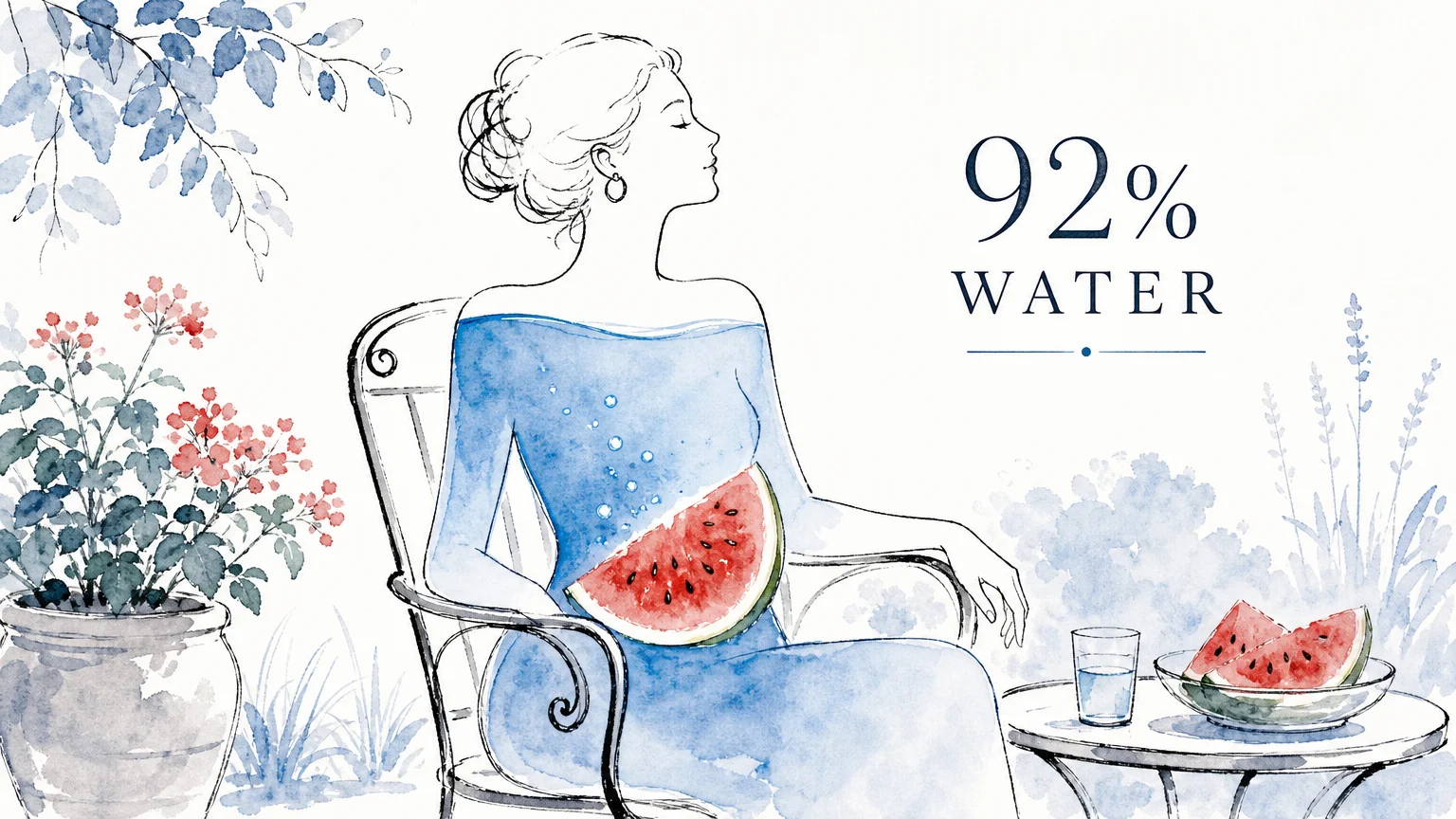
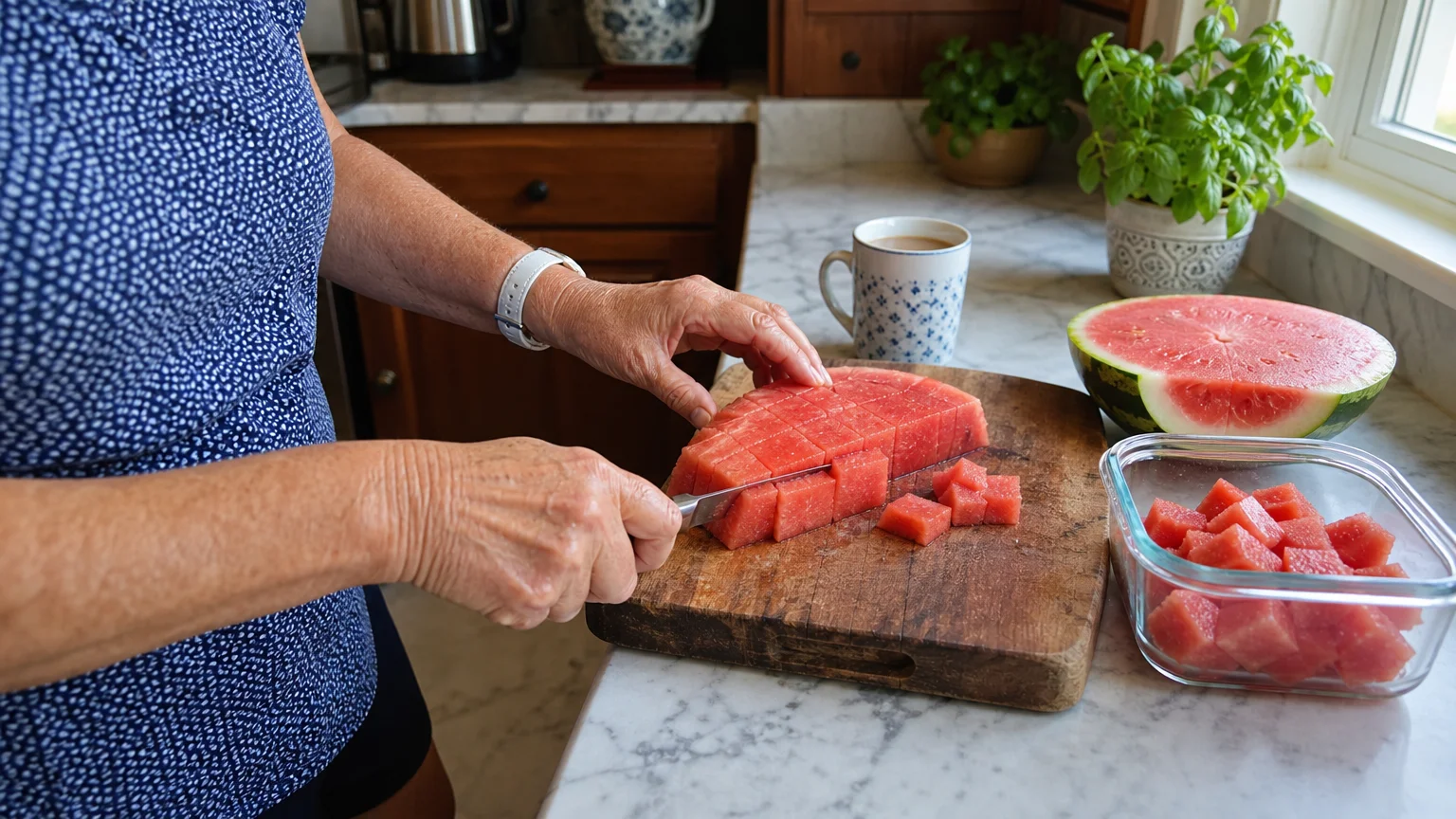
Watermelon is essentially a refreshing beverage disguised as a delicious food; it consists of about 92 percent water. Eating a few slices of cold watermelon provides immediate relief from the heat while significantly contributing to your daily fluid goals. Beyond hydration, watermelon stands out as an exceptional source of lycopene—a powerful antioxidant responsible for its vibrant red color. Lycopene heavily supports cardiovascular health and provides natural protection against sun damage to your skin. For older men, lycopene is also closely linked to maintaining prostate health. Because watermelon is naturally soft, it is incredibly easy to chew and swallow, making it ideal if you wear dentures or experience dental sensitivity. Keep a bowl of cubed watermelon in your refrigerator for quick access, or blend it with a squeeze of fresh lime juice for a revitalizing afternoon drink.
2. Blueberries: Nature’s Brain Fuel
Often celebrated as a superfood, blueberries pack a massive nutritional punch into a tiny, easily manageable package. These small berries boast some of the highest antioxidant levels of any fruit, specifically providing anthocyanins. Anthocyanins are unique compounds that cross the blood-brain barrier, helping to protect your brain cells from oxidative stress and supporting memory retention as you age. Consuming a handful of blueberries a few times a week can improve cognitive function and delay age-related mental decline. Additionally, blueberries contain generous amounts of vitamin C and fiber while maintaining a low glycemic index, meaning they will not cause rapid spikes in your blood sugar. Toss a handful of fresh or thawed wild blueberries into your morning oatmeal, mix them into plain Greek yogurt, or enjoy them directly out of the bowl for a tart, satisfying crunch.
3. Peaches: Digestive Health and Skin Support
Nothing captures the essence of summer quite like a ripe, juicy peach. Peaches are excellent sources of both vitamin A and vitamin C. Vitamin C stimulates your body’s production of collagen—a vital protein that keeps your skin elastic and your joints moving smoothly. Meanwhile, the potassium found in peaches helps your body naturally regulate blood pressure by balancing out the negative effects of sodium in your diet. The soft, fleshy texture of a ripe peach makes it a highly accessible fruit for seniors who prefer foods that require minimal chewing. When selecting peaches, look for fruit that yields slightly to gentle pressure and has a fragrant, sweet aroma near the stem. Slice them over a bowl of cottage cheese for a protein-rich breakfast, or bake them gently with a sprinkle of cinnamon for a comforting, warm evening dessert.
4. Cantaloupe: Essential for Eye Health
Cantaloupe is an incredibly refreshing melon that offers a wealth of benefits specifically targeted at maintaining your vision. Its bright orange flesh indicates a high concentration of beta-carotene, which your body converts into vitamin A. This vitamin is absolutely essential for preserving optimal eye health and slowing the progression of age-related macular degeneration and cataracts. Cantaloupe also provides an abundance of potassium and water, making it another fantastic option for maintaining hydration and healthy blood pressure levels. To easily incorporate cantaloupe into your diet, cut the melon into bite-sized chunks at the start of the week and store them in an airtight container. You can also wrap thin slices of cantaloupe in prosciutto for a savory and sweet appetizer that provides a gentle balance of protein and natural sugars.
5. Cherries: Joint Pain Relief and Better Sleep
If you struggle with the aches and pains of arthritis, sweet and tart cherries might become your new favorite summer remedy. Cherries contain potent anti-inflammatory compounds that actively reduce the swelling and pain associated with sensitive joints and gout flare-ups. Regular consumption of cherries can help lower the markers of inflammation in your blood, making morning movements significantly more comfortable. Furthermore, tart cherries are one of the few natural food sources of melatonin, the hormone responsible for regulating your sleep-wake cycle. Eating a small bowl of cherries or drinking a half-cup of unsweetened tart cherry juice an hour before bed can help you fall asleep faster and stay asleep longer. Always remember to pit fresh cherries carefully before eating to avoid accidental dental damage or choking hazards.
6. Raspberries: The Fiber Powerhouse
When it comes to digestive health, raspberries reign supreme among healthy summer fruits. A single cup of fresh raspberries contains an astonishing 8 grams of dietary fiber—nearly a third of the daily recommended intake for older adults. This immense fiber content makes raspberries incredibly effective at preventing constipation and promoting a healthy, regular digestive tract. Because fiber slows the absorption of sugar into your bloodstream, raspberries are an excellent, safe choice for individuals actively managing type 2 diabetes. They provide a satisfying sweetness without the subsequent energy crash. Gently rinse raspberries right before you plan to eat them, as their delicate structure causes them to spoil quickly once wet. Mash them lightly with a fork and spread them on whole-grain toast as a nutrient-dense alternative to processed, sugary jams.
7. Plums: Building Stronger Bones
Plums—and their dried counterparts, prunes—offer unique benefits for maintaining bone density, which is a major priority for seniors looking to prevent osteoporosis and fractures. Plums are rich in vitamin K, phosphorus, and boron, all of which work together to prevent the breakdown of bone tissue and stimulate new bone growth. Fresh plums are also abundant in sorbitol and a specific type of fiber that gently stimulates bowel movements, making them a natural, reliable remedy for occasional sluggish digestion. Choose plums that feel heavy for their size and have smooth, unblemished skin. You can eat them fresh as a portable afternoon snack, chop them into a refreshing summer fruit salad, or slowly poach them in water and a touch of vanilla extract to create a deeply flavorful, easily digestible dessert.
Important Safety Precautions to Keep in Mind
While fresh produce is the cornerstone of a healthy lifestyle, preparing and consuming it safely remains crucial. As you age, your immune system naturally becomes less robust, making you more susceptible to foodborne illnesses. Always wash your fruits thoroughly under cool, running water before peeling or cutting them. Even if you plan to discard the rind—as with cantaloupe or watermelon—washing the exterior prevents bacteria like Listeria or Salmonella from being dragged into the edible flesh by your knife. Use a clean produce brush on melons to ensure you scrub away all hidden dirt and pathogens from the textured rind.
If you manage diabetes or prediabetes, it is vital to be mindful of your portion sizes. While the sugars in fruits are natural, eating large quantities of sweet fruits in one sitting can still elevate your blood glucose levels. To stabilize your blood sugar, try pairing your fruit with a source of lean protein or healthy fat; eating an apple with a handful of walnuts or mixing berries into cottage cheese slows down the digestive process and prevents rapid sugar spikes.
Lastly, be proactive about choking hazards and chewing difficulties. If you have dental issues, missing teeth, or experience difficulty swallowing (a condition known as dysphagia), consuming raw, hard fruits can be dangerous. Always modify the texture to suit your physical needs. You can easily blend your summer fruits into smooth, hydrating beverages, mash them into soft purees, or gently bake them until they are tender enough to eat with a spoon.

When to Speak with a Healthcare Professional
Even though adding fruits to a healthy diet is generally safe and highly recommended, certain medical conditions and prescriptions require professional oversight. Some fruits can interact directly with the medications you take. For example, if you are taking specific blood pressure medications, such as ACE inhibitors or potassium-sparing diuretics, your doctor might advise you to monitor your intake of high-potassium fruits like cantaloupe and peaches to prevent the potassium levels in your blood from rising too high.
If you experience sudden digestive distress, severe bloating, or allergic reactions—such as tingling in your mouth, swelling of your lips, or hives—after eating a specific fruit, stop consuming it immediately and contact your physician. Additionally, if you are struggling to manage your blood sugar levels despite eating a balanced diet, consult a registered dietitian or your primary care doctor for personalized guidance on portion control and meal timing.
For authoritative, trustworthy health information, always consult official sources like the National Institute on Aging (NIA) and MedlinePlus from the National Library of Medicine. The CDC also provides excellent resources for older adults.
Disclaimer: This article is for informational purposes only and does not constitute medical advice. Always seek the advice of your physician or other qualified health provider with any questions you may have regarding a medical condition.
Frequently Asked Questions
Can I eat too much fruit?
Yes, while fruit is undeniably nutritious, it still contains natural sugars and calories. Consuming excessive amounts of fruit can lead to unwanted weight gain, elevated triglycerides, and spikes in blood sugar, particularly if you have diabetes. For most older adults, consuming two to three servings of fruit per day is an excellent target. A standard serving is roughly the size of a tennis ball or about one cup of chopped fruit. Always focus on variety to ensure you receive a wide spectrum of vitamins and minerals.
Are frozen summer fruits just as healthy as fresh ones?
Absolutely. Frozen fruits are harvested at their absolute peak ripeness and flash-frozen within hours. This rapid freezing process locks in all the essential vitamins, minerals, and antioxidants, often making frozen fruit just as nutritious—and sometimes even more nutritious—than fresh produce that has spent days traveling on a truck or sitting on a grocery store display. Frozen berries and peach slices are incredibly convenient, budget-friendly options to keep in your freezer for smoothies or warm oatmeal.
How can I safely manage fruit sugars if I have diabetes?
The key to enjoying fruit while managing diabetes is understanding the glycemic index and practicing strategic pairing. Berries, cherries, and plums generally have a lower glycemic index, meaning they cause a slower, more gradual rise in blood sugar. Melons and pineapples have a higher glycemic index and should be consumed in smaller portions. Regardless of the fruit you choose, always eat it alongside a protein or a healthy fat—such as a slice of cheese, a dollop of unsweetened yogurt, or a handful of almonds—to further slow sugar absorption.
Is it safe to eat fruit late at night?
Eating fruit before bed is generally safe and much healthier than reaching for processed snacks or baked goods. In fact, fruits like tart cherries can actively improve your sleep quality due to their natural melatonin content. However, if you suffer from acid reflux or frequent nighttime heartburn, you may want to avoid highly acidic fruits right before lying down. Additionally, eating high-water fruits like watermelon late in the evening might cause you to wake up multiple times during the night to use the bathroom, which can disrupt your crucial rest.