Maintaining strong cardiovascular health directly influences your energy levels and independence as you age, making your weekly grocery run a critical opportunity to nourish your body. Filling your cart with specific, nutrient-dense foods allows you to actively protect your heart and manage your blood pressure without drastically altering your lifestyle. Since senior nutrition requires a targeted approach, choosing the right heart healthy foods can occasionally feel overwhelming. By focusing on a core list of healthy grocery staples, you simplify meal planning while giving your body the vital nutrients it craves. You can easily incorporate these items into your daily routine, ensuring that healthy eating becomes an effortless and enjoyable habit rather than a frustrating daily chore.
Understanding the Basics of Heart-Healthy Grocery Staples for Seniors
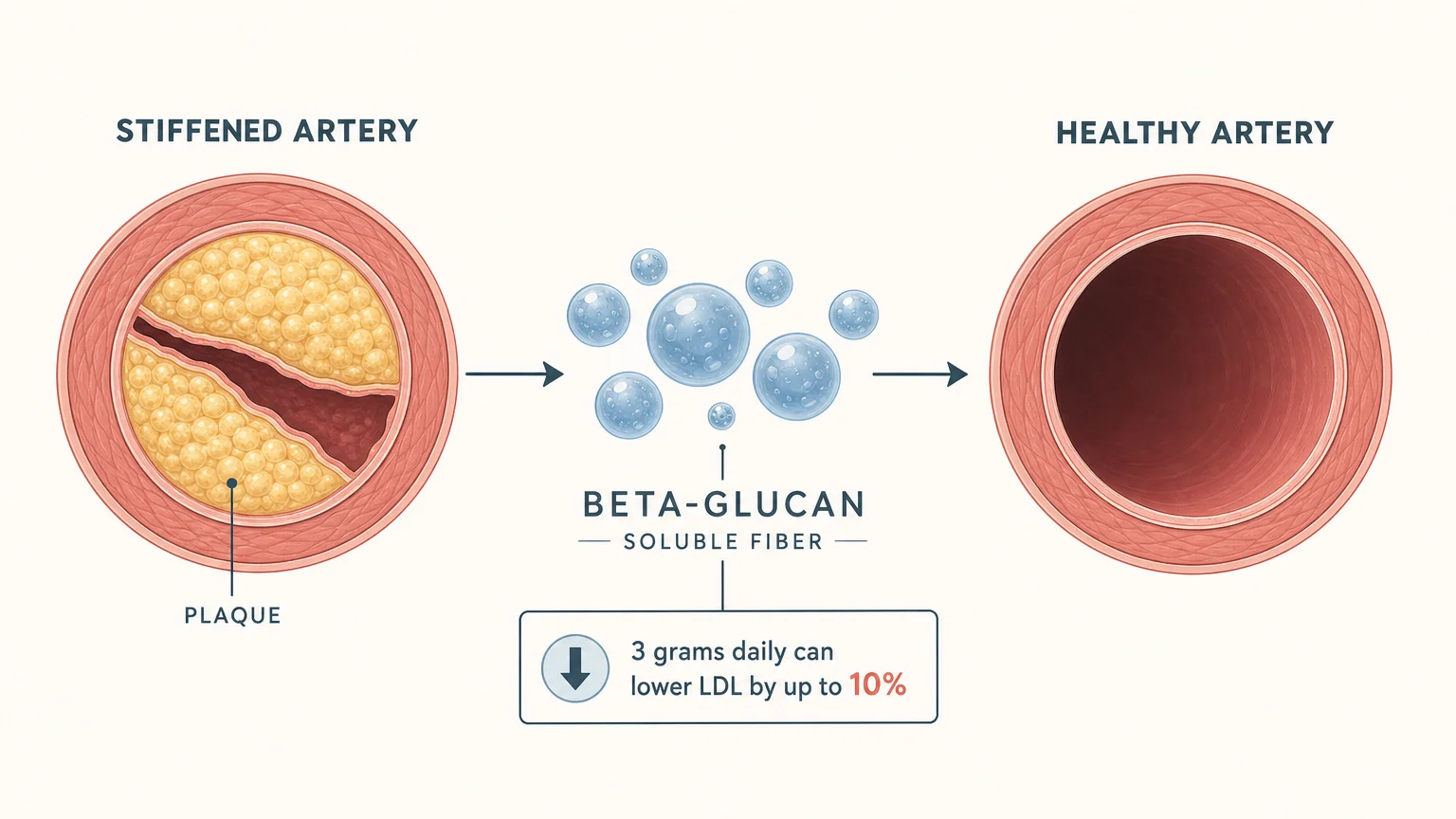
As you move through your senior years, your heart and blood vessels undergo natural physical changes. Arteries often become stiffer and less flexible over time, a condition that forces your heart muscle to work significantly harder to pump oxygen-rich blood throughout your body. This increased workload frequently leads to elevated blood pressure, which stands as a primary risk factor for more severe cardiovascular episodes. Additionally, changes in metabolism and digestion mean that older adults require fewer calories but demand a higher concentration of essential vitamins, minerals, and healthy fats.
Nutrition serves as your most powerful, everyday tool to combat these age-related changes. When you consume foods rich in soluble fiber, antioxidants, and unsaturated fats, you actively reduce the amount of plaque building up within your arterial walls. Medical data consistently demonstrates that lifestyle and dietary habits heavily influence cardiovascular health. In fact, clinical research shows that modifying your diet can prevent a vast majority of premature cardiovascular issues, proving that it is never too late to reshape your eating habits.
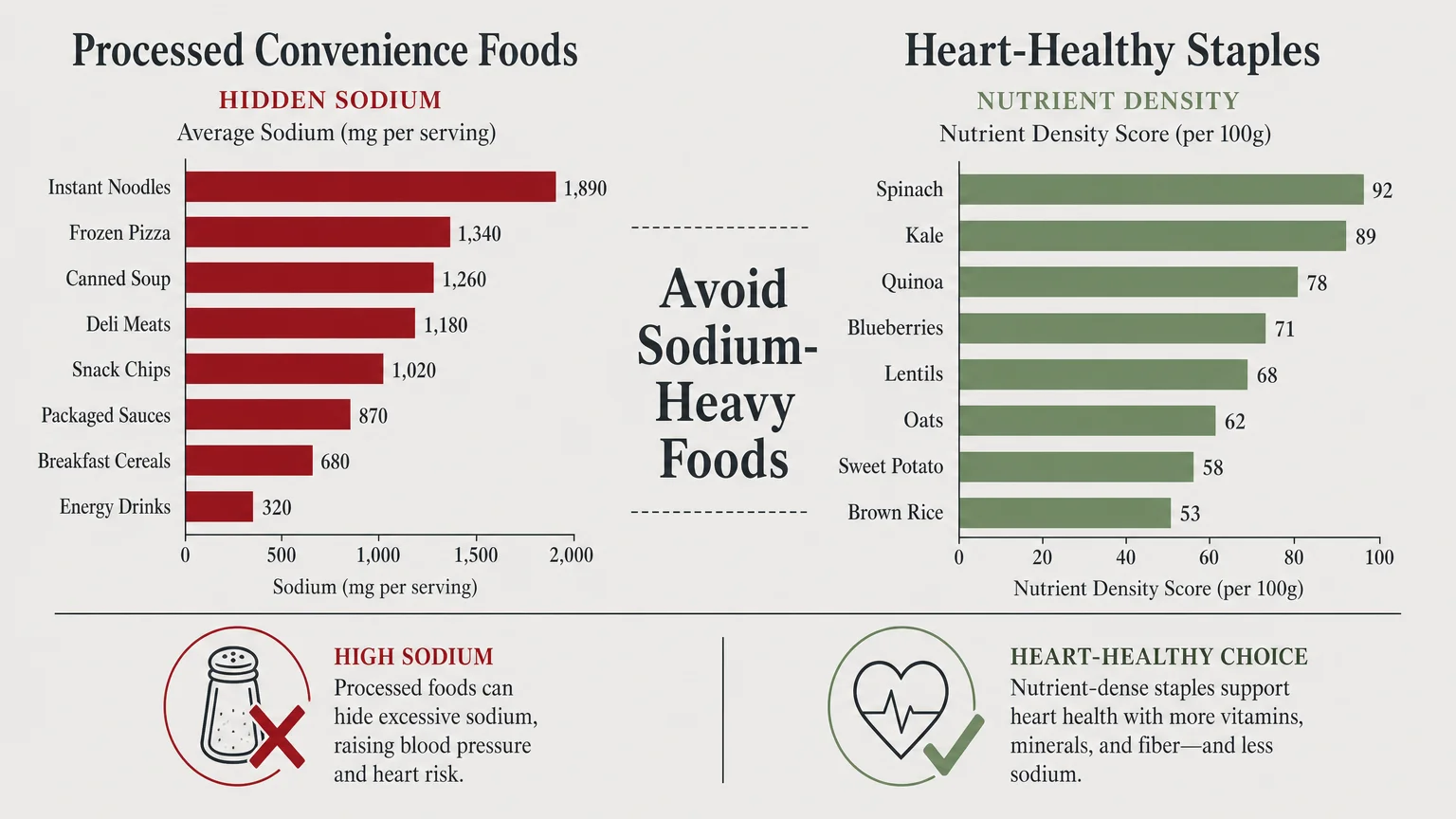
Building a robust defense for your heart begins long before you step into the kitchen; it starts in the aisles of your local supermarket. A thoughtfully curated grocery list prevents impulsive purchases of highly processed, sodium-heavy convenience foods that quietly damage endothelial function—the delicate lining of your blood vessels. By stocking your pantry and refrigerator with specific, targeted ingredients, you create an environment where healthy eating happens naturally. You empower yourself to assemble nourishing, heart-protective meals with minimal stress and maximum flavor.
Practical Tips for a Healthier, Happier Life
Transforming your cardiovascular health does not require complicated recipes or obscure, expensive ingredients. By simply keeping these seven accessible staples on hand, you can build a nutritional foundation that supports a vibrant, energetic lifestyle.
1. Old-Fashioned and Steel-Cut Oats
Oats stand as a titan in the realm of heart healthy foods, primarily due to their exceptionally high concentration of a specific soluble fiber called beta-glucan. When you digest these complex carbohydrates, the beta-glucan absorbs water and forms a thick, soothing gel inside your digestive tract. This gel actively binds to cholesterol-rich bile acids, safely removing them from your body before they can enter your bloodstream. Clinical nutrition guidelines verify that consuming just three grams of beta-glucan daily can significantly lower your LDL cholesterol—often referred to as the “bad” cholesterol—by up to ten percent over time.
When navigating the cereal aisle, bypass the flavored, instant oat packets that often hide excessive amounts of refined sugar and artificial preservatives. Instead, purchase unflavored rolled oats or steel-cut oats. If you find your mornings rushed, you can easily prepare overnight oats by soaking a half-cup of rolled oats in unsweetened almond milk and leaving them in the refrigerator while you sleep. This preparation method requires zero cooking and gives you a ready-to-eat, heart-protective breakfast the moment you wake up.
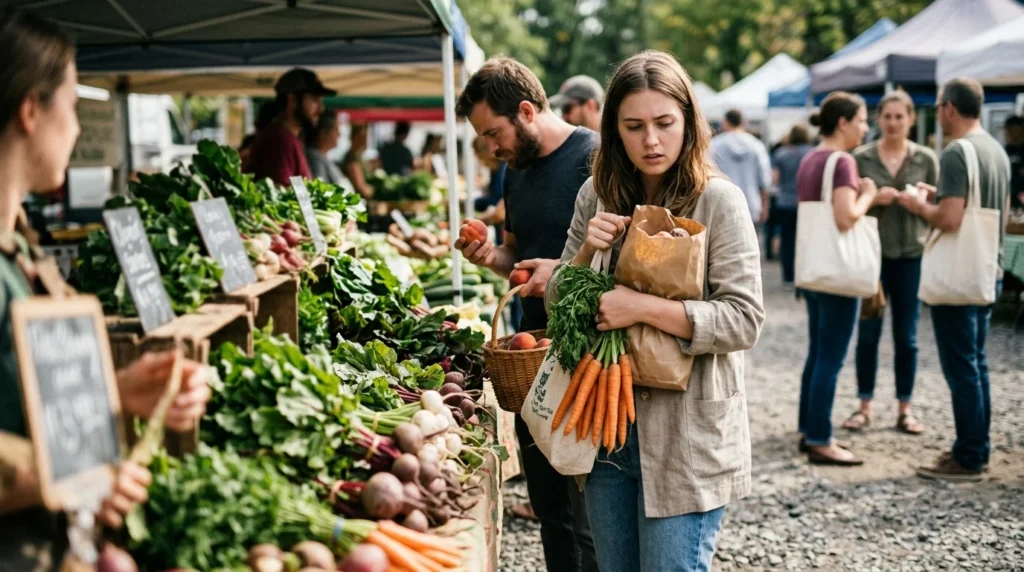
2. Dark, Leafy Greens
Vegetables like spinach, kale, Swiss chard, and collard greens pack an impressive array of essential vitamins, minerals, and disease-fighting antioxidants. For older adults, the high concentration of dietary nitrates found in these greens serves a specific and vital purpose. Your body converts these natural nitrates into nitric oxide, a powerful molecule that signals your blood vessels to relax and dilate. Research indicates that eating just one cup of raw leafy greens each day can significantly lower your blood pressure and reduce arterial stiffness, allowing blood to flow freely and reducing the strain on your heart.
To make incorporating greens easier, purchase pre-washed boxes of baby spinach or mixed greens, which eliminate the labor-intensive washing and chopping process. You can effortlessly wilt a handful of spinach into warm soups, fold them into your morning eggs, or blend them into fruit smoothies where their flavor completely disappears. This ensures you receive a steady stream of cardiovascular protection without having to eat large, traditional salads every single day.
3. Wild-Caught Fatty Fish
Your heart and brain both thrive on omega-3 fatty acids, particularly the types known as EPA and DHA, which are found abundantly in cold-water fish. These healthy fats serve as powerful anti-inflammatory agents within your cardiovascular system. They actively work to lower your blood triglyceride levels, prevent blood platelets from clumping together, and stabilize irregular heartbeats. Nutritional experts and cardiac associations universally recommend consuming at least two servings of fatty fish per week to significantly reduce the risk of heart failure and stroke.
While fresh salmon fillets make a wonderful dinner, they can be expensive and highly perishable. Canned wild salmon, sardines, and mackerel offer incredibly affordable, pantry-friendly alternatives that retain all the omega-3 benefits of fresh fish. You can flake canned salmon over crackers, mix it with a touch of Greek yogurt for a healthy salad spread, or toss it with whole-grain pasta. Choosing canned options with the bones included also provides a tremendous boost of easily digestible calcium to protect your skeletal health.
4. Antioxidant-Rich Berries
Blueberries, strawberries, blackberries, and raspberries offer much more than a sweet, refreshing treat; they provide a massive dose of anthocyanins. These potent antioxidants give berries their vibrant, deep colors and actively work to neutralize oxidative stress within your cardiovascular system. Chronic inflammation damages your blood vessels over time, but the compounds in berries physically repair and protect the delicate endothelial cells lining your arteries. Clinical studies involving older adults indicate that eating three or more servings of berries weekly drastically improves vascular function and lowers the overall risk of heart attacks.
Because fresh berries can spoil quickly and often carry a high price tag out of season, you should strongly consider utilizing the freezer aisle. Frozen berries are picked and flash-frozen at peak ripeness, effectively locking in their full nutritional profile. You can pour frozen blueberries directly into your morning oatmeal where they will thaw perfectly, or blend them into refreshing beverages to satisfy your sweet tooth without consuming refined sugars that harm your heart.
5. Unsalted Tree Nuts and Seeds
Walnuts, almonds, pistachios, chia seeds, and flaxseeds deliver excellent sources of plant-based protein, dietary fiber, and heart-healthy monounsaturated fats. They also contain L-arginine, an amino acid that further promotes flexible blood vessels. Broad nutritional data suggests that eating just one ounce of tree nuts daily can reduce your risk of cardiovascular disease by roughly twenty percent. They provide a dense source of sustained energy, helping to stabilize your blood sugar levels and keep you feeling full between meals.
When purchasing nuts, you must actively seek out raw or dry-roasted varieties labeled “unsalted” or “no salt added.” Heavy sodium coatings counteract the blood pressure benefits of the nuts themselves. If chewing whole, crunchy nuts causes dental discomfort or poses a challenge for your jaw, you do not have to miss out on their benefits. You can purchase creamy, unsweetened almond butter or walnut butter to spread on whole-grain toast. Similarly, ground flaxseed provides the exact same nutritional profile as whole seeds but easily stirs into yogurts or soups completely unnoticed.
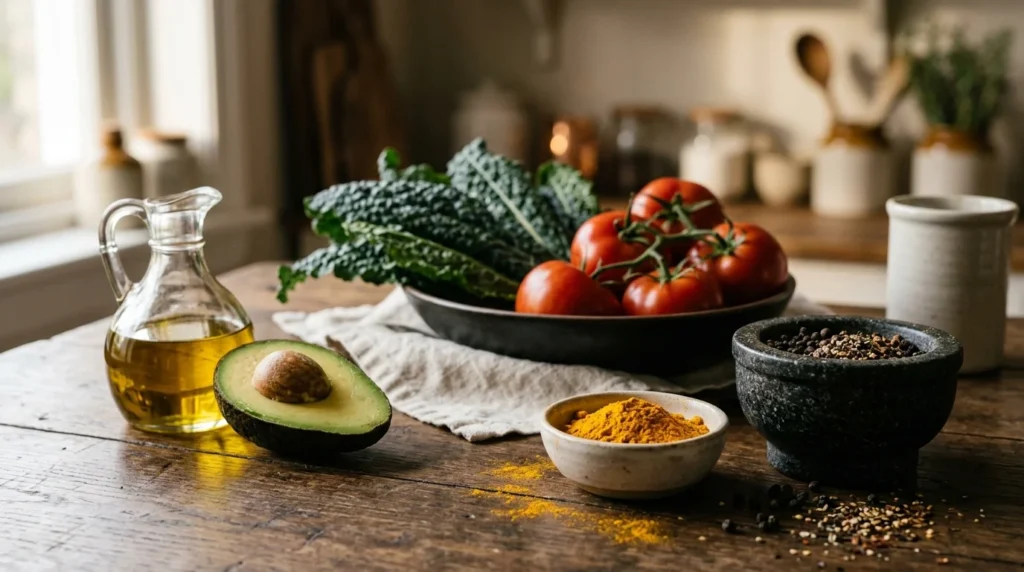
6. Extra Virgin Olive Oil
As the cornerstone of the globally celebrated Mediterranean diet, extra virgin olive oil provides a wealthy supply of monounsaturated fats and oleic acid. Furthermore, high-quality olive oil contains specialized polyphenols that prevent your LDL cholesterol from oxidizing. Oxidized cholesterol is particularly dangerous because it embeds itself rapidly into your artery walls, accelerating the formation of dangerous blockages. Large-scale dietary trials demonstrate that using extra virgin olive oil as your primary dietary fat can reduce the occurrence of major cardiovascular events by nearly thirty percent in high-risk individuals.
To preserve these delicate, heart-healing polyphenols, always look for oils housed in dark green or opaque glass bottles, as light and heat rapidly degrade the oil’s quality. Store your olive oil in a cool, dark cabinet away from the stove. Rather than using it for high-heat frying—which destroys its nutritional value—use extra virgin olive oil as a finishing touch. Drizzle it gently over roasted vegetables, mix it with lemon juice for a vibrant homemade salad dressing, or use it as a flavorful dip for whole-grain bread in place of butter.
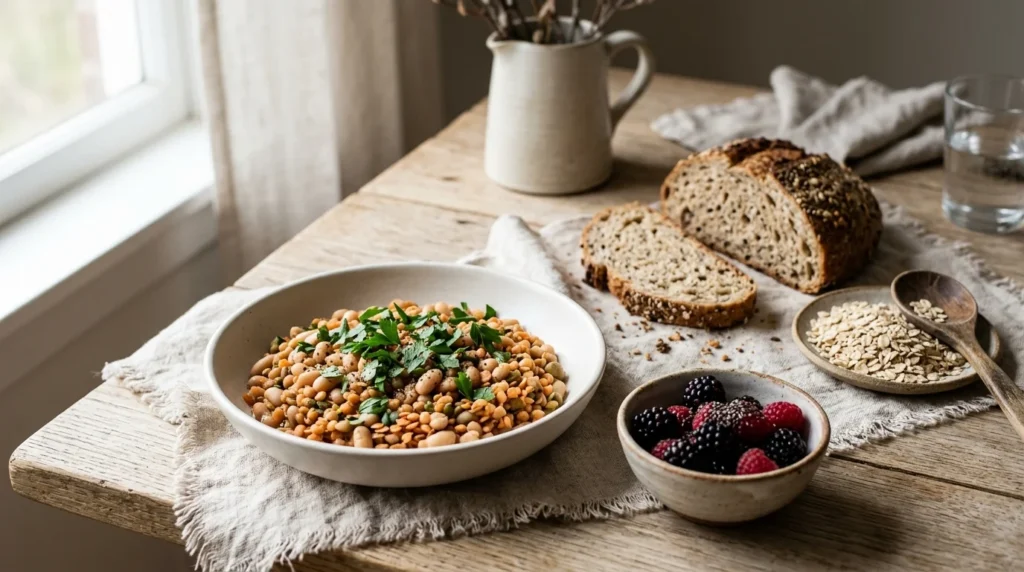
7. Beans and Legumes
Legumes rank among the most versatile, budget-friendly healthy grocery staples available anywhere. Black beans, chickpeas, kidney beans, and lentils provide abundant soluble fiber, actively driving down your cholesterol levels much like oats do. They also deliver vast amounts of potassium and magnesium, two essential minerals that help your kidneys flush excess sodium out of your body, thereby directly lowering your blood pressure. Replacing high-fat, processed red meat with legumes just two or three times a week drastically lowers your intake of harmful saturated fat.
Preparing dried beans from scratch takes time, making canned beans an excellent, convenient alternative for quick meals. However, canned beans traditionally contain excessive amounts of sodium used for preservation. To navigate this, always select cans explicitly labeled “low sodium” or “no salt added.” Even if you can only find standard canned beans, you can place them in a mesh strainer and rinse them thoroughly under cold running water. This simple, one-minute step effectively washes away up to forty percent of the added sodium, leaving you with a perfectly healthy, ready-to-eat protein source.
Important Safety Precautions to Keep in Mind
While incorporating heart healthy foods into your diet yields magnificent benefits, you must carefully consider how specific dietary changes interact with your unique medical profile. Many older adults take daily prescription medications that require dietary consistency to function safely and effectively.
If you currently take a blood-thinning medication such as Warfarin, you must monitor your intake of foods high in Vitamin K, particularly dark leafy greens like spinach and kale. Vitamin K directly affects how your blood clots, which can counteract your medication. You do not need to eliminate leafy greens entirely; rather, you must keep your daily intake highly consistent so your physician can accurately dose your prescription based on your steady diet.
Similarly, certain fruits like grapefruit—and sometimes pomegranate—can interfere with enzymes that break down statins and blood pressure medications. This interaction can cause the medication to build up to dangerous levels in your bloodstream. Always review your specific prescriptions and consult your pharmacist about potential food interactions before introducing large quantities of new citrus fruits or juices into your routine.
Finally, if you manage chronic kidney disease alongside cardiovascular issues, your body may struggle to process high amounts of potassium naturally found in beans, lentils, and certain greens. In these cases, a specialized dietary approach is necessary. Always prioritize safety by reading nutrition labels closely, keeping an eye out for hidden sodium in packaged foods, and adjusting food textures to prevent choking hazards if chewing or swallowing has become difficult.

When to Speak with a Healthcare Professional
Navigating senior nutrition requires a collaborative, open approach between you and your healthcare provider. You should never view dietary adjustments as a total replacement for prescribed medical treatments. While healthy eating fortifies your body, medications and medical interventions remain essential tools for managing established cardiovascular disease.
You should proactively discuss any major dietary overhauls with your doctor, especially if you plan to drastically increase your fiber intake or transition to a fully plant-based diet. Your doctor can order routine bloodwork to monitor your lipid panels, blood sugar, and kidney function, ensuring that your new dietary habits are producing the desired internal results safely.
Furthermore, immediately contact a healthcare professional or seek emergency medical care if you experience acute physical symptoms. Severe chest pain, sudden shortness of breath, unexplained fainting, or rapid swelling in your ankles and legs are serious warning signs of cardiac distress. No grocery staple or healthy meal can substitute for urgent medical evaluation when these critical symptoms arise.
Frequently Asked Questions
Are frozen vegetables and fruits as healthy as fresh ones?
Yes, frozen produce is exceptionally healthy and often retains more vitamins than fresh produce that has sat on a store shelf for several days. Because vegetables and fruits are flash-frozen immediately after harvesting, their cellular structure and nutritional content are locked in at peak ripeness. They offer a cost-effective, zero-waste option for seniors looking to improve their diet.
How can I make my food flavorful without using salt?
Reducing sodium is crucial for blood pressure management, but your meals should never taste bland. You can easily elevate the flavor of your food by utilizing fresh or dried herbs like basil, oregano, and rosemary. Spices such as cumin, paprika, and turmeric add tremendous depth to dishes. Additionally, a simple squeeze of fresh lemon or lime juice brightens up vegetables and fish instantly without adding any sodium.
Can I still eat eggs if I have high cholesterol?
Modern nutritional science shows that dietary cholesterol—the cholesterol found in food—has a much smaller impact on your blood cholesterol levels than previously believed. Saturated fats and trans fats are the primary culprits behind elevated blood cholesterol. For most seniors, consuming eggs in moderation fits perfectly into a heart-healthy diet, providing an excellent source of accessible protein and eye-protecting nutrients.
Are canned vegetables safe for a heart-healthy diet?
Canned vegetables are a convenient and safe option, provided you remain vigilant about sodium content. The canning process preserves the fiber and essential vitamins of the vegetables. To protect your heart, consistently choose products labeled “no salt added.” If those are unavailable, thoroughly rinsing standard canned vegetables under cold water will dramatically reduce their sodium content before you heat and serve them.
For authoritative, trustworthy health information, always consult official sources like the National Institute on Aging (NIA) and MedlinePlus from the National Library of Medicine. The CDC also provides excellent resources for older adults.
Disclaimer: This article is for informational purposes only and does not constitute medical advice. Always seek the advice of your physician or other qualified health provider with any questions you may have regarding a medical condition.