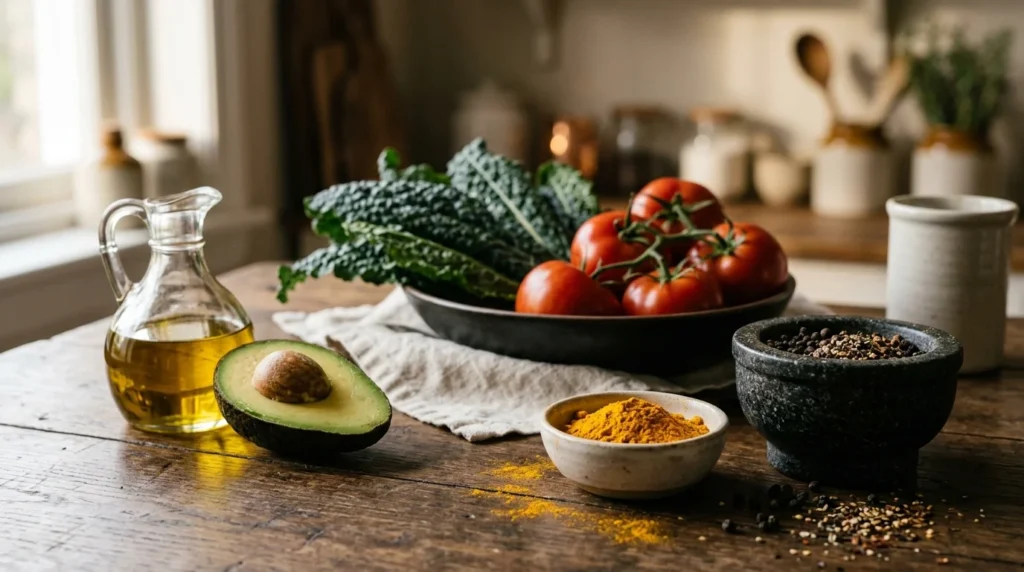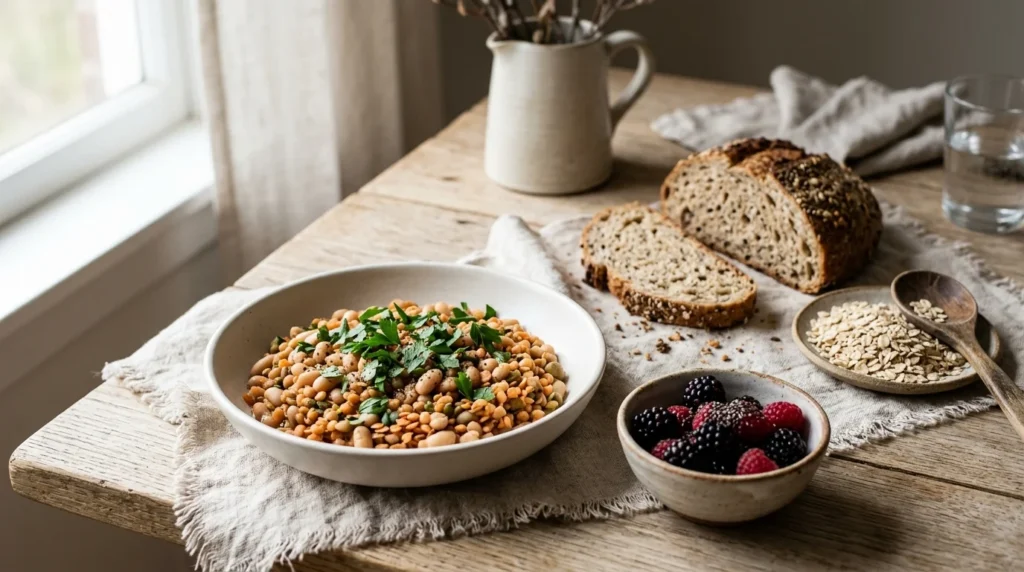
Strategic changes to your daily meals directly protect your mobility, sharpen your cognitive focus, and boost your energy levels as you age. Your nutritional needs fundamentally shift once you reach your mid-sixties; the diet that sustained you at forty no longer provides the optimal fuel for healthy aging. Because your metabolism naturally slows and your body becomes less efficient at absorbing essential vitamins, you must prioritize nutrient-dense foods to thrive. Adjusting your eating habits transforms your retirement years into a vibrant, active chapter. Embracing these targeted, gentle modifications empowers you to maintain your physical independence, deeply support your immune function, and actively enjoy a profoundly higher quality of life every single day.
Understanding the Basics of Nutrition After 65
As you grow older, your body undergoes profound physiological shifts that completely alter how you process and utilize food. Your basal metabolic rate gradually drops, meaning your body requires fewer calories to sustain its current weight. However, your requirement for specific vitamins and minerals actually increases during this stage of life. This biological paradox creates a delicate daily balancing act; you must strategically pack significantly more nutritional value into every meal without overconsuming empty calories. Failing to adjust to this new reality often leaves older adults feeling chronically fatigued or vulnerable to illness.
Muscle preservation becomes one of your most urgent daily priorities. Sarcopenia—the natural, age-related loss of muscle mass and strength—accelerates significantly during your sixties. When you combine reduced muscle mass with naturally declining bone density, your risk of falls and fractures rises. Proper nutrition serves as your primary defense against this structural decline. Providing your body with the exact building blocks it needs allows your tissues to repair themselves, keeping your framework strong and resilient.
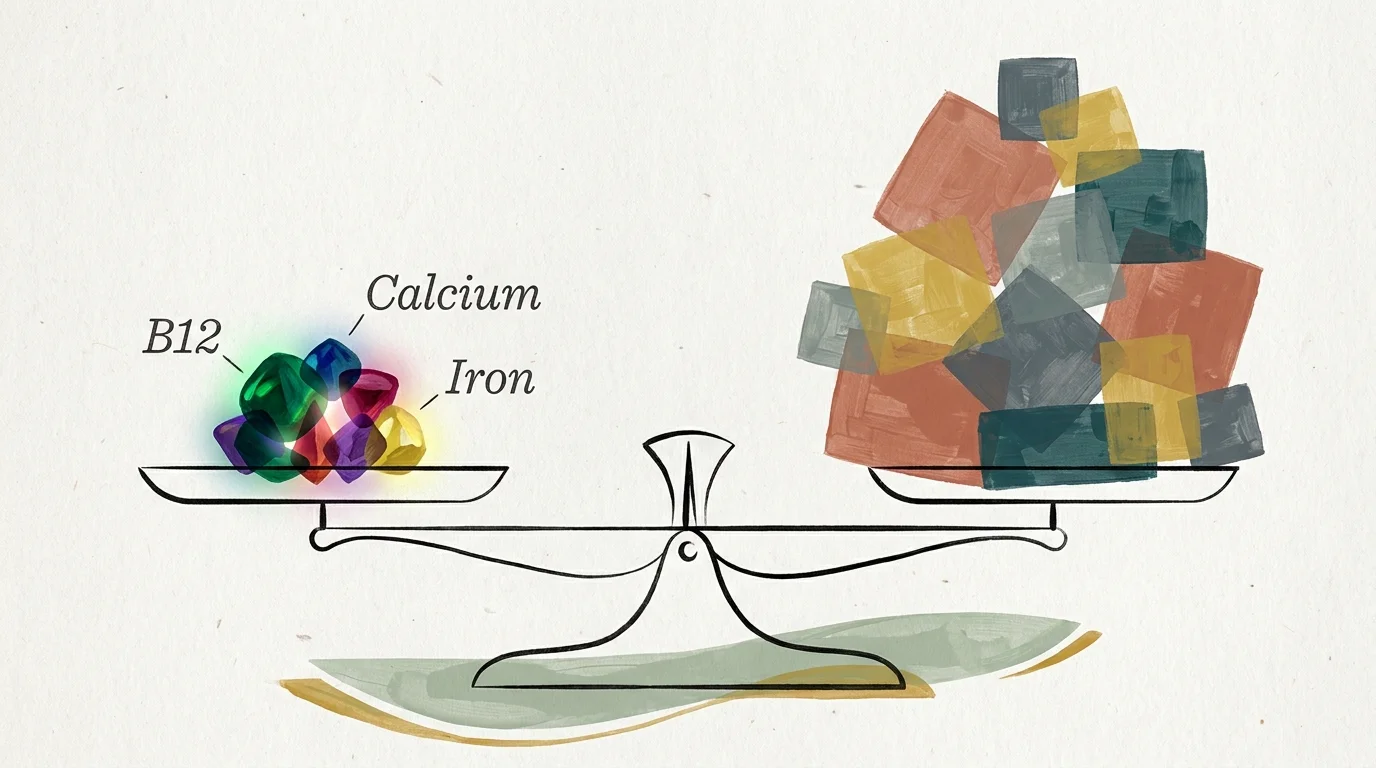
Furthermore, your digestive system operates differently than it did in your youth. Your stomach produces less acid, which directly impairs your ability to extract crucial nutrients like vitamin B12, calcium, and iron from your meals. At the same time, your gastrointestinal tract often moves more sluggishly, increasing the likelihood of discomfort or constipation. Mastering your nutrition after 65 means understanding these gentle internal changes and adapting your meals to support your digestion, maximize absorption, and maintain steady, reliable energy from morning until night.

Practical Tips for a Healthier, Happier Life
1. Prioritize High-Quality Protein at Every Meal
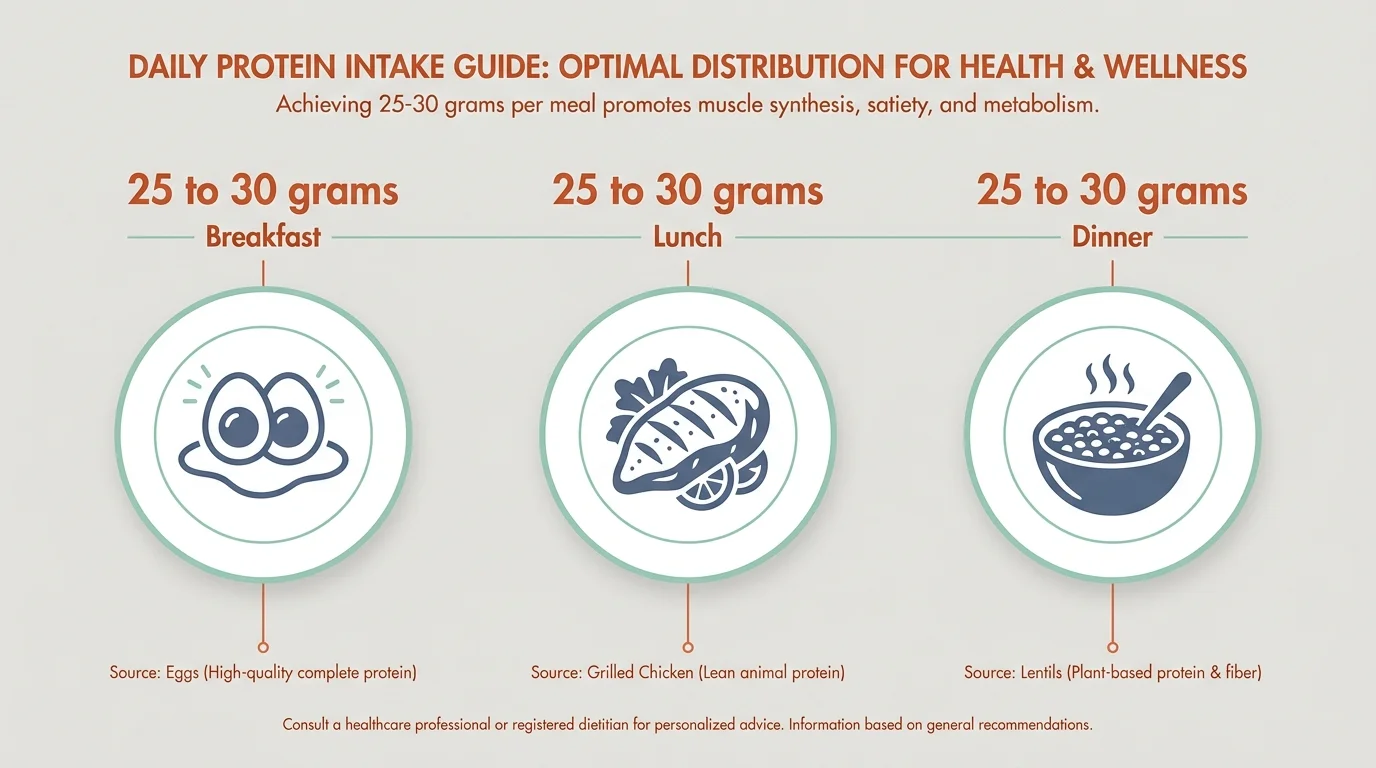
Because your body becomes less efficient at utilizing dietary protein as you age, you must consume more of it to maintain your existing muscle mass. Instead of eating one large portion of meat at dinner, distribute your protein intake evenly throughout the day. Aiming for 25 to 30 grams of protein per meal stimulates muscle synthesis and keeps you feeling satisfied. Excellent, easily digestible sources include eggs, Greek yogurt, cottage cheese, poultry, and fish. If you struggle with chewing tough meats, consider incorporating softer plant-based proteins like lentils, finely mashed beans, or smooth tofu into your favorite soups and stews.
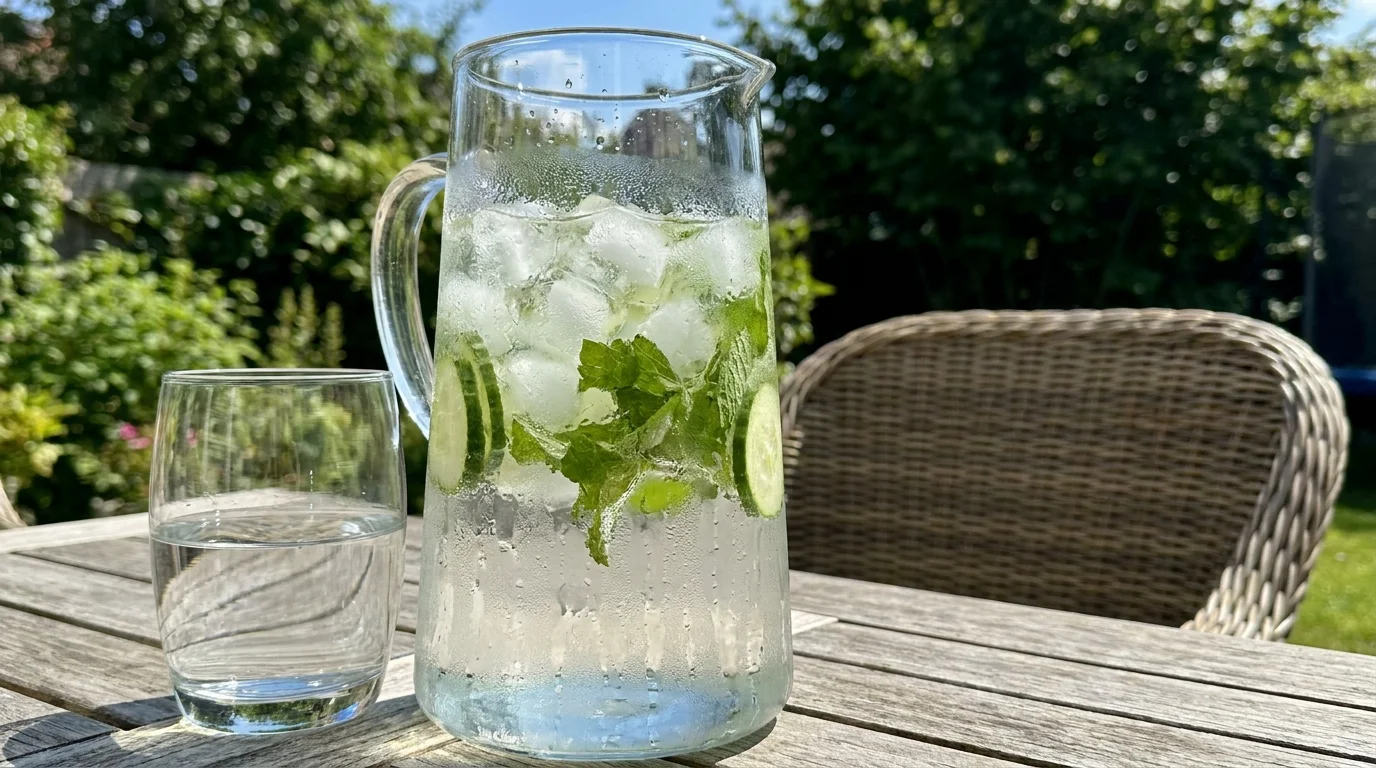
2. Hydrate Proactively Throughout the Day
Your natural thirst mechanism weakens significantly as you age; you might not feel thirsty even when your body desperately needs fluid. Chronic dehydration leads to cognitive confusion, severe fatigue, and an increased risk of urinary tract infections. Make a conscious habit of sipping water continuously, rather than waiting for dry mouth to strike. If plain water feels unappealing, infuse your glass with cucumber slices, fresh mint, or a splash of lemon juice. Consuming water-rich foods—such as watermelon, celery, broths, and decaffeinated herbal teas—also contributes beautifully to your daily hydration goals.
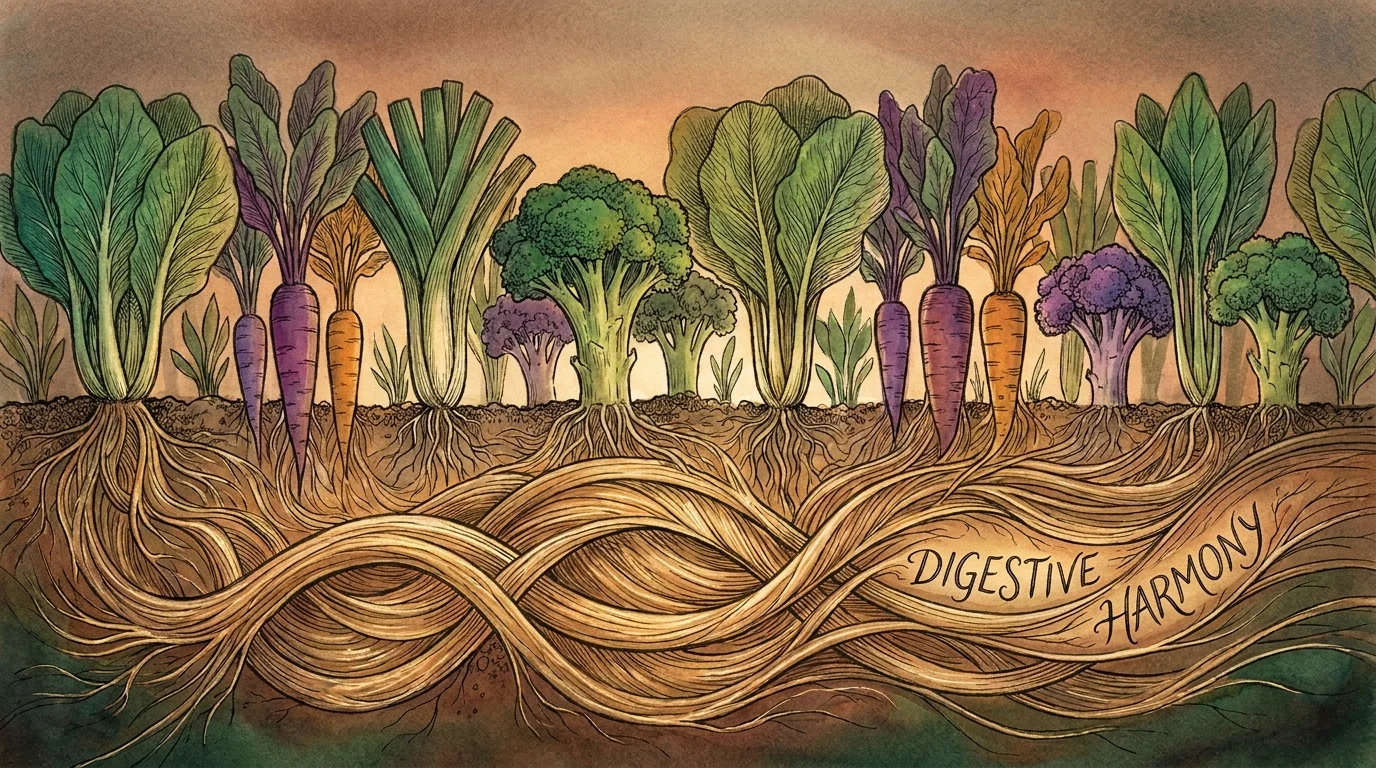
3. Champion Fiber for Digestive Harmony
Fiber acts as the unsung hero of senior wellness tips, keeping your digestive tract moving smoothly and supporting your cardiovascular health. Soluble fiber, found abundantly in oats, beans, and apples, helps regulate your blood sugar and naturally lowers unhealthy cholesterol levels. Insoluble fiber, prevalent in whole grains and root vegetables, adds bulk to your stool and prevents constipation. When increasing your fiber intake, do so gradually over several weeks and pair it with plenty of water; adding too much fiber too quickly can cause temporary bloating or gas.

4. Fortify Your Skeletal System
Protecting your bone density requires a committed, dual approach using both calcium and vitamin D. Calcium builds the physical structure of your bones, while vitamin D unlocks your body’s ability to absorb that calcium effectively. Incorporate dairy products, fortified plant milks, leafy greens, and canned sardines with bones into your weekly rotation. Because your skin becomes less efficient at synthesizing vitamin D from sunlight as you age, you may struggle to get enough naturally. Discuss your vitamin D levels with your physician to determine if you need a daily supplement to bridge the gap.

5. Embrace Omega-3 Fatty Acids for Brain Health
Protecting your cognitive function and minimizing joint inflammation requires a steady supply of healthy fats. Omega-3 fatty acids directly support your brain health, cardiovascular system, and even your eye health. You can find these powerful nutrients in fatty fish like salmon, mackerel, and trout. If you do not enjoy seafood, you can easily sprinkle ground flaxseeds, chia seeds, or chopped walnuts into your morning oatmeal or yogurt. Using extra virgin olive oil as your primary cooking fat also introduces heart-healthy monounsaturated fats into your daily routine.
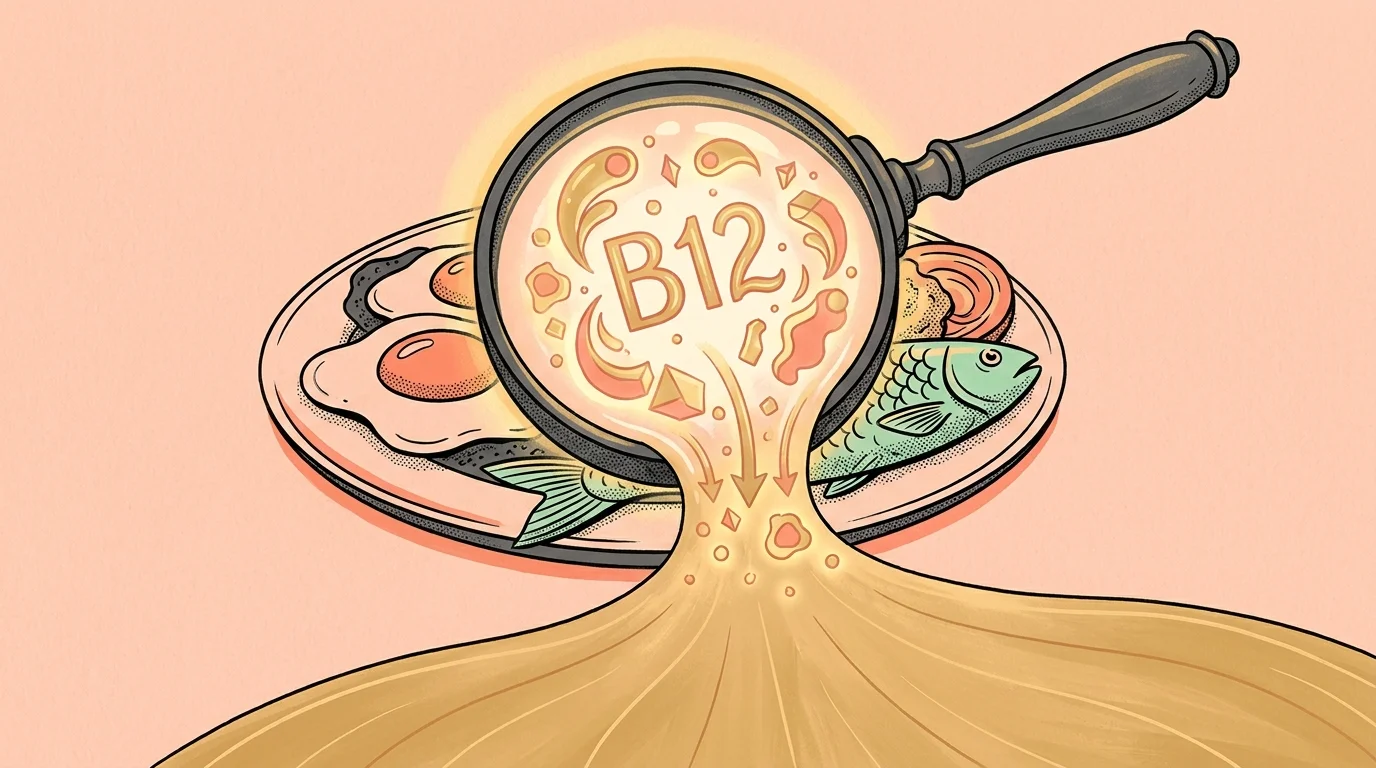
6. Focus on Vitamin B12 Absorption
Vitamin B12 plays an essential role in nerve function and the creation of red blood cells. As your stomach acid decreases, extracting B12 from whole foods becomes increasingly difficult, often leading to subtle deficiencies that manifest as numbness, tingling, or unexplained exhaustion. To combat this, lean toward foods fortified with synthetic B12—such as certain breakfast cereals or nutritional yeast—because your body absorbs the synthetic form much more easily. Pay close attention to your energy levels and ask your doctor to monitor your B12 status during your annual blood work.
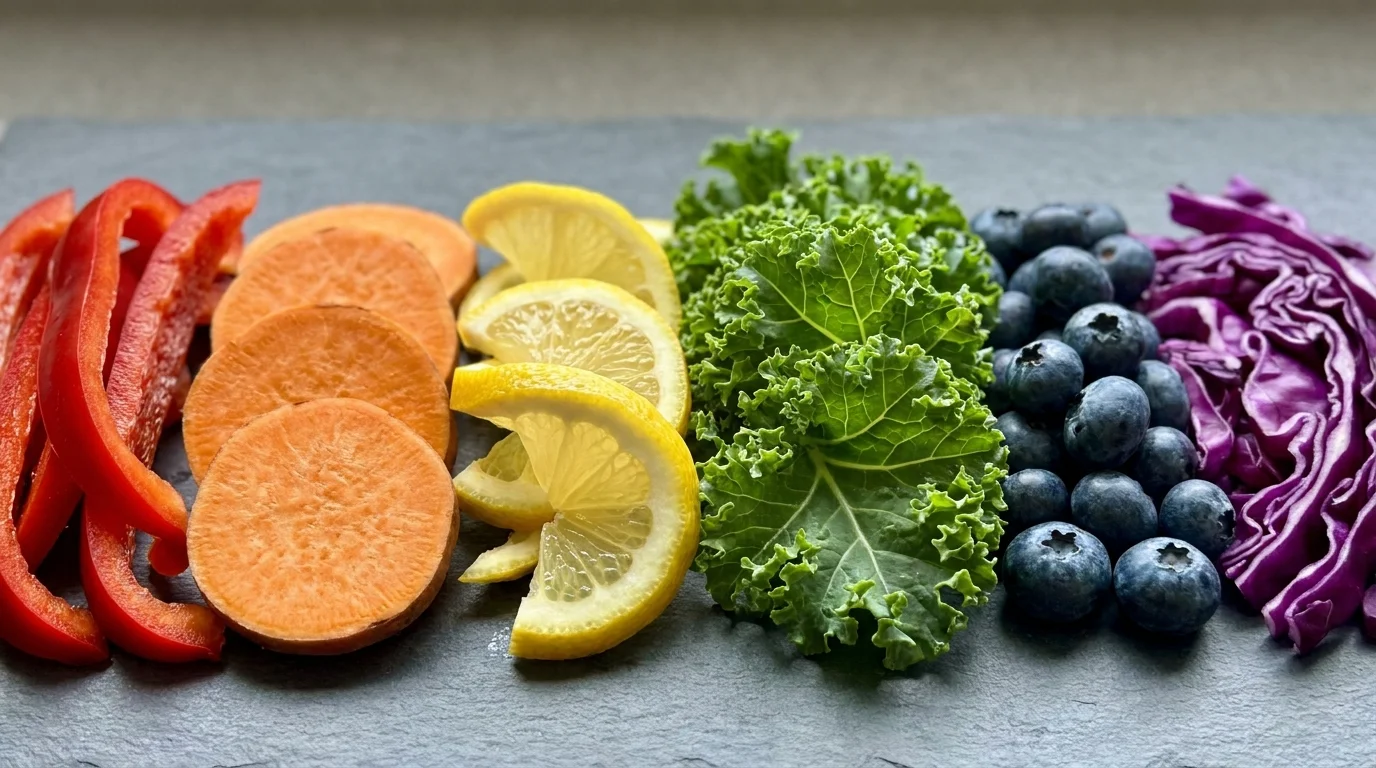
7. Eat the Rainbow for Cellular Protection
Oxidative stress damages your cells over time, contributing to the physical signs of aging and the development of chronic diseases. Antioxidants neutralize this threat, and the best way to secure them is by eating deeply colored fruits and vegetables. Blueberries, spinach, sweet potatoes, and bell peppers carry distinct profiles of vitamins and phytochemicals. Challenge yourself to include at least three different colors on your plate during your main meals. These colorful choices provide vital nutrients while adding delightful textures and flavors to your eating habits for seniors.
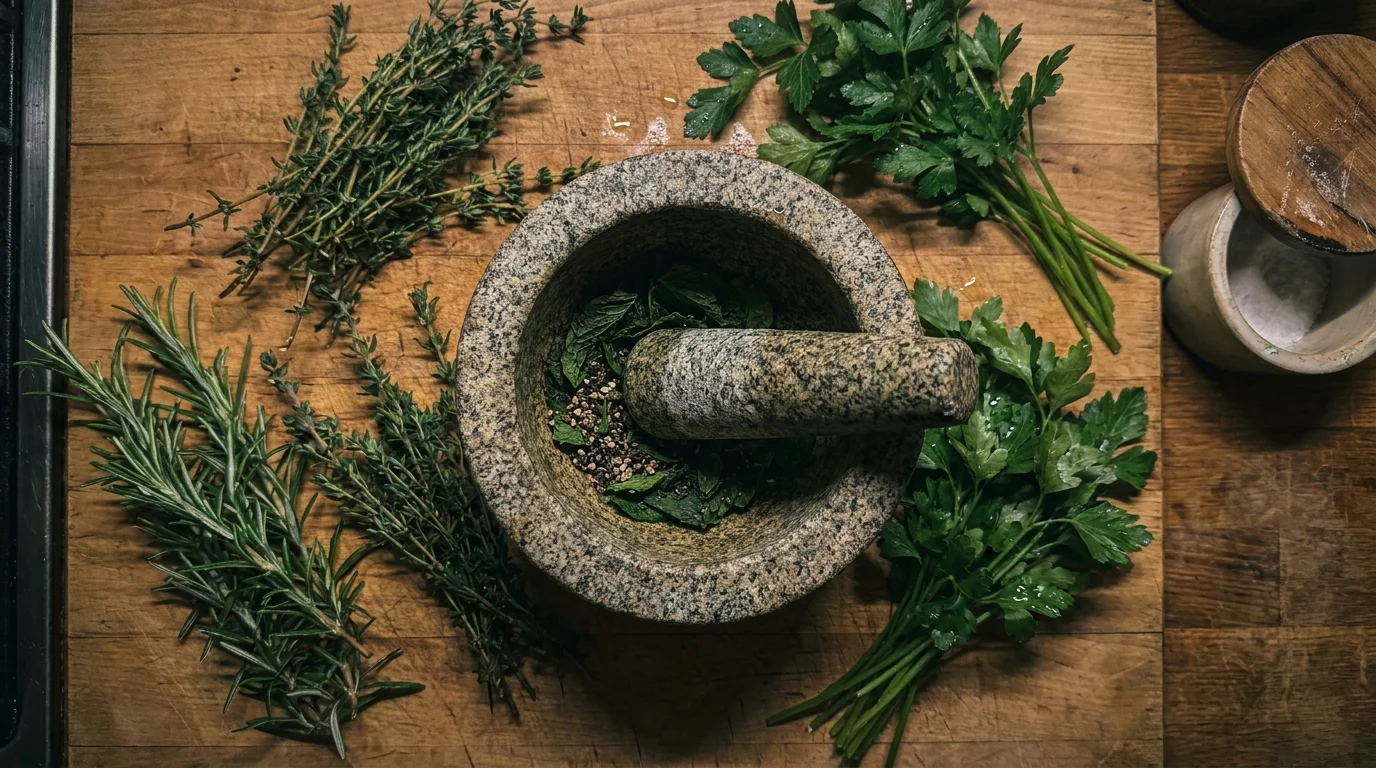
8. Season with Herbs Instead of Salt
High sodium intake elevates your blood pressure, placing unnecessary strain on your heart and kidneys. Unfortunately, as your taste buds naturally lose some of their sensitivity, you might find yourself reaching for the salt shaker more frequently to make food taste appealing. Break this cycle by experimenting with robust herbs, spices, and aromatics. Garlic, ginger, rosemary, turmeric, and smoked paprika deliver intense flavor profiles without a single grain of sodium. A splash of citrus juice or balsamic vinegar right before serving also brightens a dish dramatically.
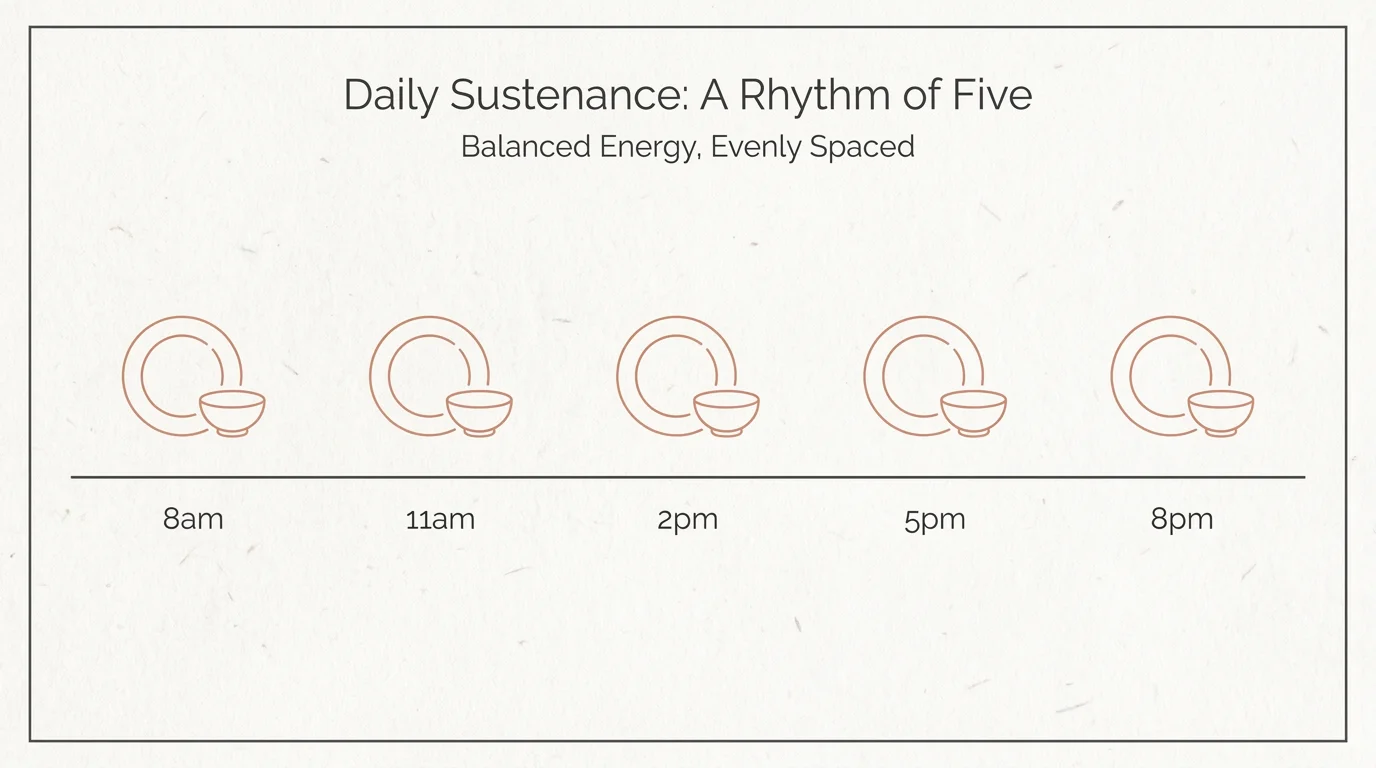
9. Transition to Smaller, More Frequent Meals
Many older adults experience early satiety, meaning they feel uncomfortably full after eating only a small amount of food. If a traditional large meal overwhelms your appetite, pivot your strategy. Eating five or six small, nutrient-dense mini-meals throughout the day ensures you still meet your caloric and nutritional requirements. An afternoon snack of apple slices with almond butter, or a mid-morning small bowl of fortified cereal, provides excellent energy without overtaxing your digestive system. This gentle approach sustains your blood sugar and prevents energy crashes.

10. Cultivate Mindful and Social Eating Habits
Building a healthy lifestyle after retirement involves more than just the food on your plate; the environment in which you eat profoundly impacts your overall wellness. Dining alone frequently can diminish your interest in cooking and eating, inadvertently leading to malnutrition. Whenever possible, share meals with friends, family members, or community groups. Additionally, practice mindful eating by chewing your food thoroughly and eating slowly. Digestion physically begins in your mouth; breaking your food down completely reduces digestive strain and allows you to truly savor your favorite flavors.

Important Safety Precautions to Keep in Mind
While improving your diet offers immense benefits, you must navigate your daily nutrition with a strong awareness of food safety and physical limitations. Your immune system naturally becomes less robust as you age; therefore, foodborne illnesses pose a much more severe threat to your health than they did in your younger years. Always cook meats and eggs to their safe internal temperatures, thoroughly wash all raw produce, and strictly avoid unpasteurized dairy products or raw sprouts.
You must also remain vigilant about how your diet interacts with your prescription medications. Certain foods can drastically alter the effectiveness of the drugs you take to manage chronic conditions. For example, grapefruit and grapefruit juice block enzymes needed to metabolize certain statins and blood pressure medications, leading to dangerous accumulations of the drug in your system. Similarly, sudden spikes in your consumption of vitamin K—found abundantly in dark leafy greens like kale and spinach—can counteract the effects of blood-thinning medications like warfarin. Always maintain a consistent intake of these greens, rather than fluctuating your portion sizes wildly.
Finally, pay close attention to your mechanical ability to eat. Dental issues, poorly fitting dentures, or a dry mouth can make chewing raw vegetables or tough meats painful and hazardous, increasing your risk of choking. Never ignore these physical barriers. If swallowing feels difficult, adjust your food textures immediately by steaming vegetables until very tender, pureeing tough fruits, or utilizing broths to soften grains.

When to Speak with a Healthcare Professional
You must remember that adjusting your diet safely requires personalized guidance, especially if you manage multiple medical conditions. Unintentional weight loss stands out as a major red flag; if you drop weight without actively trying, you should schedule a medical evaluation immediately. Additionally, if you experience a sudden, prolonged loss of appetite, persistent nausea, or pain when chewing and swallowing, do not attempt to self-diagnose or push through the discomfort.
Before introducing any new dietary supplements to your routine, secure explicit approval from your primary care physician or a registered dietitian. Even natural supplements can trigger severe adverse reactions when combined with prescription medications. Keep an open, honest dialogue with your medical team about exactly what you eat, drink, and take over the counter. Their clinical insight ensures your nutritional strategy actively supports your long-term health goals without inadvertently causing harm.
Frequently Asked Questions
Do I really need to take dietary supplements after 65?
You should always attempt to source your nutrients primarily from whole foods; however, physiological changes often make supplements necessary for older adults. Vitamin B12 and vitamin D represent the two most common deficits because your body loses its ability to absorb them efficiently from food and sunlight. Calcium supplements also frequently assist those with bone density concerns. You must ask your doctor to check your blood levels before starting any regimen, as over-supplementing certain vitamins can cause toxicity or organ strain.
How can I improve my appetite if food no longer tastes good?
A diminished sense of taste often stems from a natural decline in taste buds, a zinc deficiency, or side effects from your daily medications. To stimulate your palate naturally, focus on varying the textures and temperatures of your meals. Contrast warm, soft soups with a side of cool, crisp crackers. Amplify flavors safely by generously applying fresh herbs, robust spices, and acidic elements like lemon juice or flavored vinegars. If your lack of appetite persists and impacts your weight, report this change to your healthcare provider promptly.
What are the best snacks to maintain energy throughout the day?
To avoid sudden energy crashes, construct snacks that combine a complex carbohydrate with a high-quality protein or healthy fat. This specific combination digests slowly, providing a steady, reliable stream of energy to your brain and muscles. Excellent options include a handful of unsalted walnuts paired with a small banana, a serving of Greek yogurt topped with fresh berries, or a slice of whole-grain toast lightly coated with mashed avocado. Keeping these convenient, nutrient-dense items accessible prevents you from reaching for heavily processed, sugary sweets.
Is it normal to experience more digestive issues as I age?
Yes, experiencing a mild increase in digestive sluggishness is common due to the natural slowing of your gastrointestinal motility. However, severe discomfort, chronic constipation, or chronic diarrhea are not normal and warrant medical attention. To support healthy digestion on a daily basis, engage in light physical activity like walking after meals, maintain consistent hydration, and ensure you consume adequate amounts of dietary fiber. Chewing your food meticulously also drastically reduces the workload placed on your stomach and intestines.
For authoritative, trustworthy health information, always consult official sources like the National Institute on Aging (NIA) and MedlinePlus from the National Library of Medicine. The CDC also provides excellent resources for older adults.
Disclaimer: This article is for informational purposes only and does not constitute medical advice. Always seek the advice of your physician or other qualified health provider with any questions you may have regarding a medical condition.