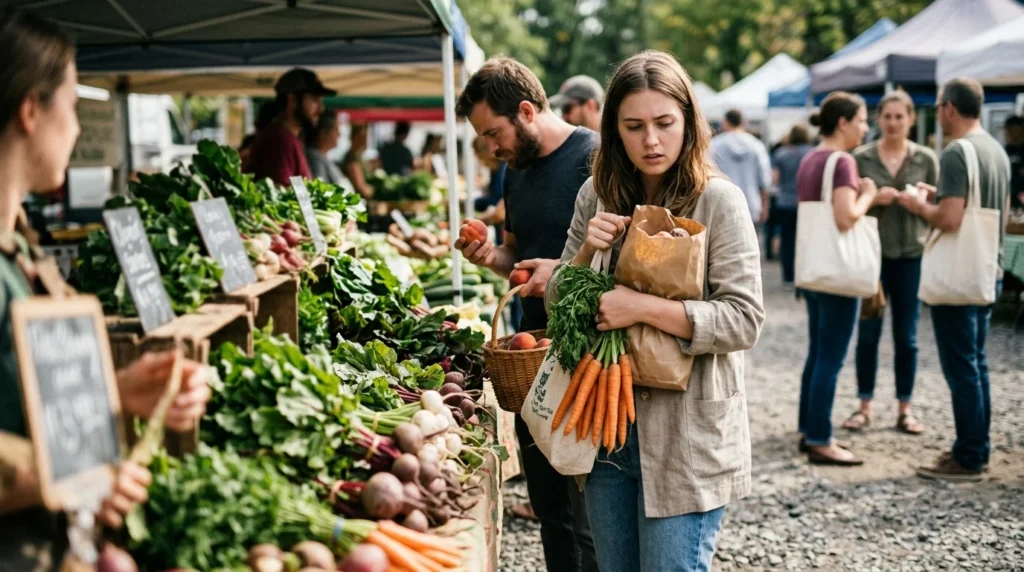
Discovering nutritious recipes that satisfy your cravings transforms mealtime into a deeply nourishing experience for both body and soul. You can easily enjoy the rich flavors of your favorite healthy comfort food without compromising your dietary goals or energy levels. As we age, our nutritional needs shift, but the desire for a warm, familiar meal remains a constant source of joy. By swapping out a few heavy ingredients for nutrient-dense alternatives, you create easy healthy meals that support heart health, manage blood sugar, and keep you feeling vibrant. Prepare to explore simple, senior friendly recipes that elevate classic dishes into wholesome culinary delights.
Understanding the Basics of Comforting Recipes with a Healthy Twist for Seniors
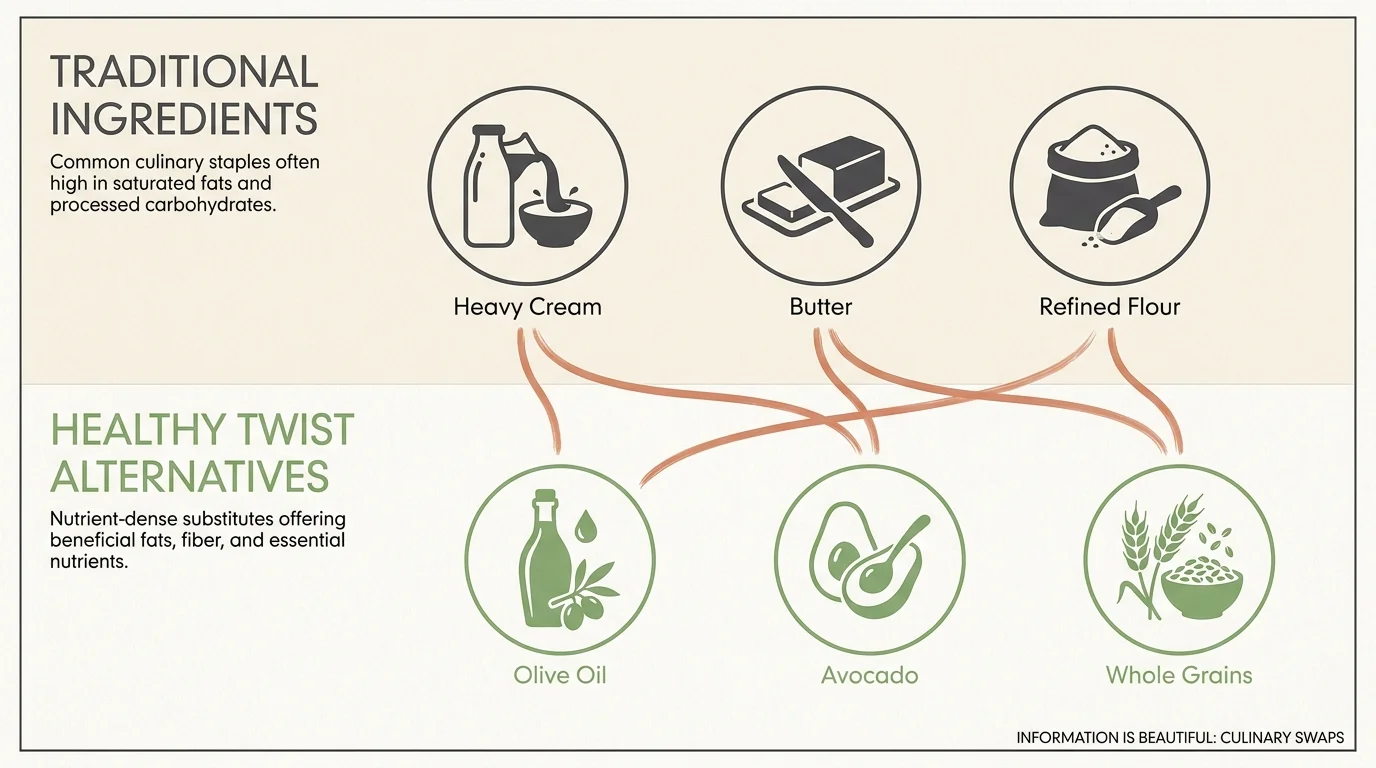
As we navigate our golden years, our bodies undergo natural changes that require a more mindful approach to nutrition. Your metabolism gradually slows down, meaning you need fewer calories to maintain your weight; however, your requirement for essential vitamins, minerals, and high-quality protein remains just as high. Traditional dishes often rely heavily on butter, heavy cream, refined flour, and excessive salt to achieve their signature savory profiles. While these ingredients provide temporary emotional satisfaction, they frequently lead to sluggish digestion, elevated blood pressure, and unwanted inflammation.
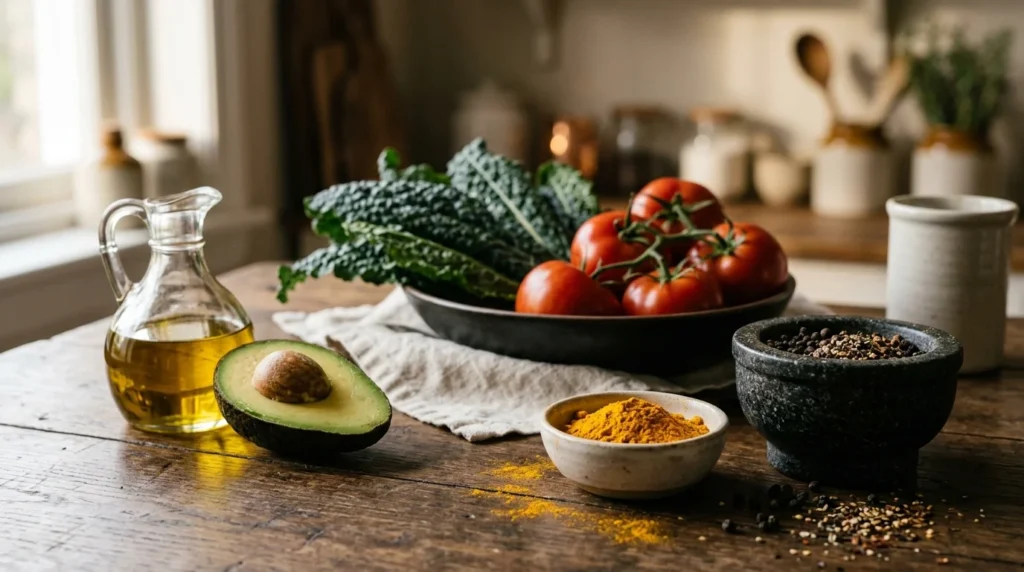
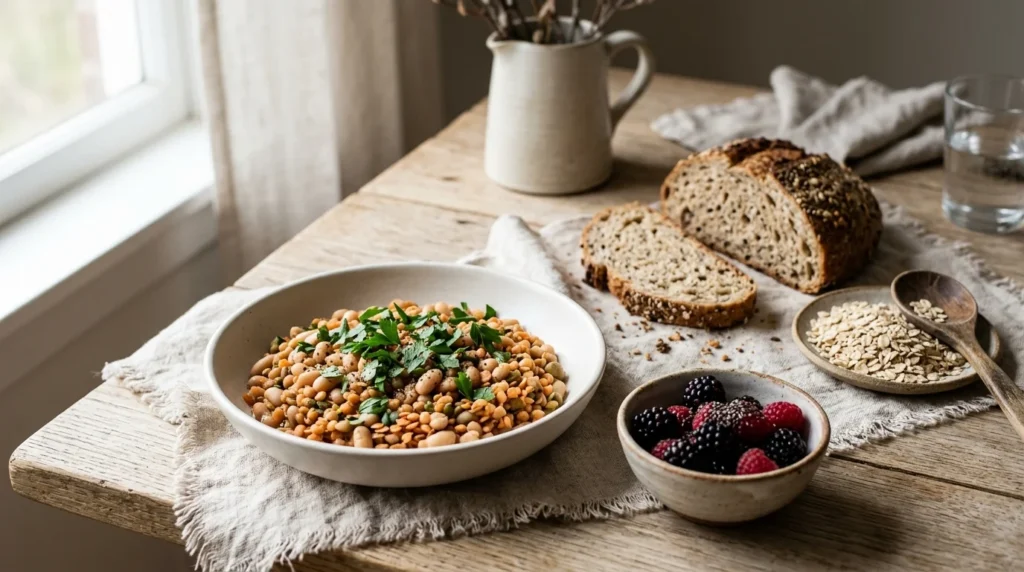
By introducing a thoughtful twist to your favorite meals, you successfully bridge the gap between emotional comfort and physical vitality. These thoughtful modifications do not mean sacrificing the flavors you deeply love. Instead, you enhance the nutritional profile of your meals by incorporating whole foods that naturally support healthy aging. For example, replacing saturated fats with heart-healthy alternatives like olive oil or avocado helps protect your cardiovascular system. Boosting the fiber content with whole grains, legumes, and fresh vegetables aids digestion, stabilizes blood sugar levels, and keeps you feeling comfortably full for much longer.
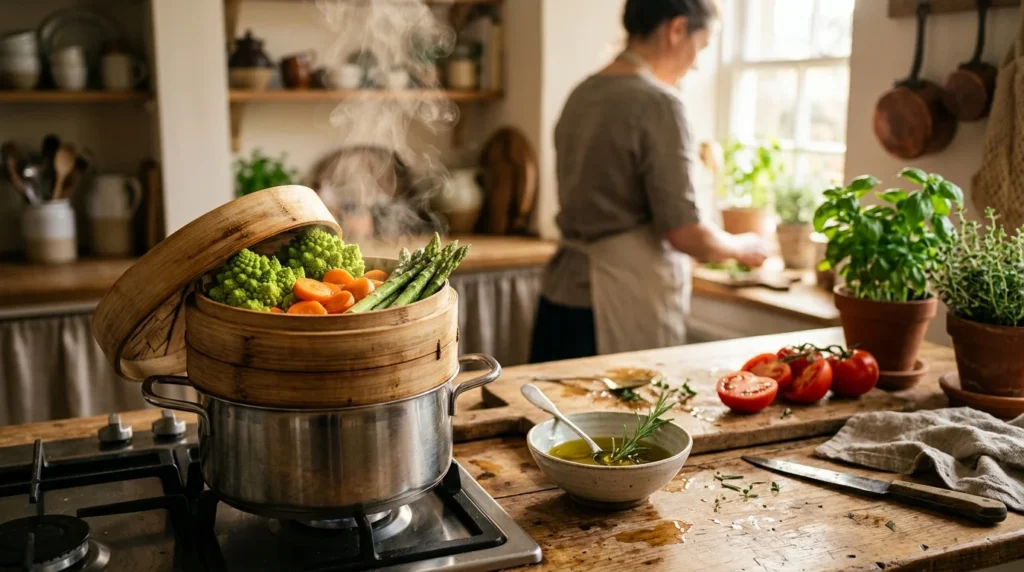
Hydration also plays a critical role in your overall dietary health as you age. Often, the sensation of thirst diminishes in older adults, making it incredibly easy to confuse mild dehydration with hunger. By incorporating moisture-rich dishes into your weekly routine—such as savory broths and vegetable-heavy stews—you organically boost your daily water intake. When you focus on preparing comfort food recipes designed with these specific age-related challenges in mind, you empower yourself to take total control of your well-being right from your own kitchen. Transforming traditional heavy meals into easily digestible options allows you to honor your cherished culinary traditions while deeply nourishing your body.

Practical Tips for a Healthier, Happier Life
Reimagining your favorite meals requires just a little creativity and a willingness to try fresh, vibrant ingredients. Focus on incorporating colorful vegetables, lean proteins, and complex carbohydrates into your weekly meal planning. Here are nine exceptional recipes that deliver the warmth of classic comfort cooking while significantly boosting your daily nutritional intake.
1. Creamy Butternut Squash Macaroni and Cheese
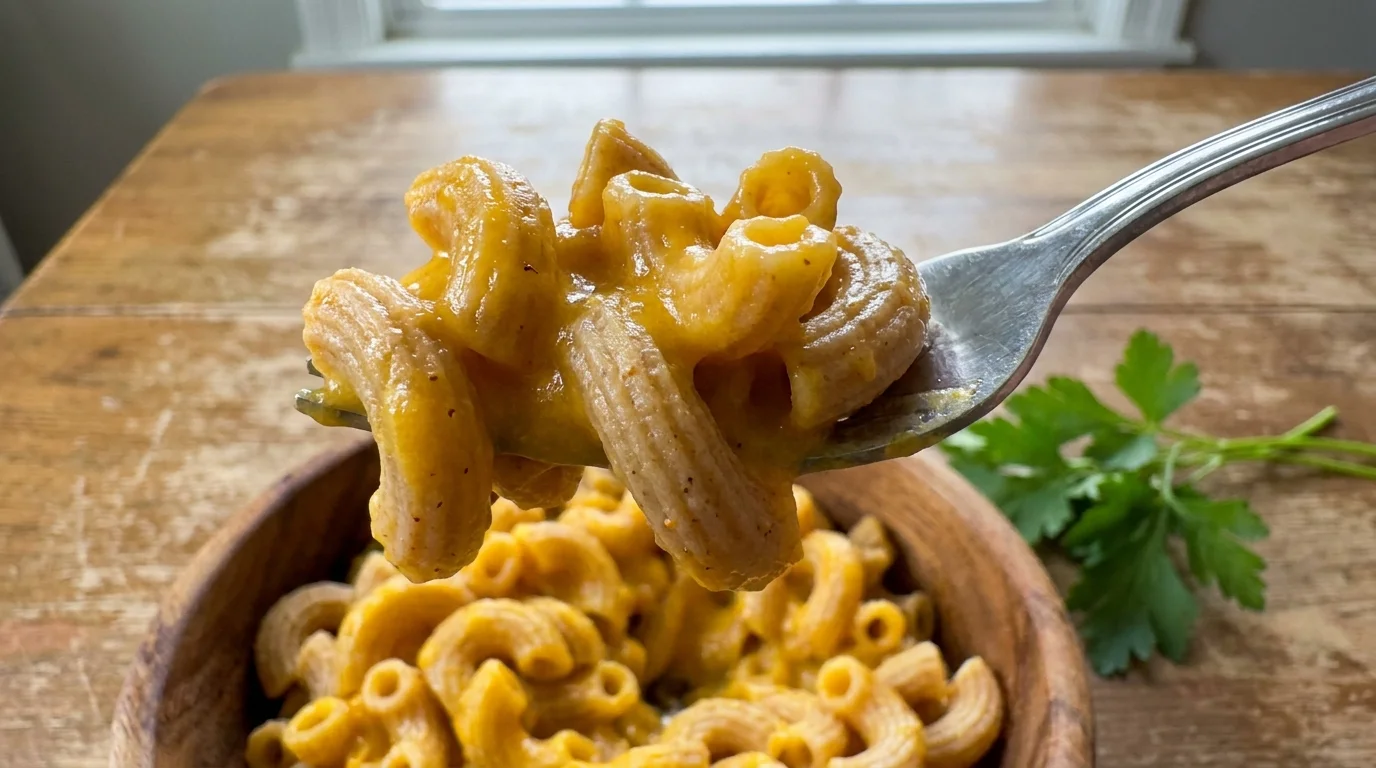
Traditional macaroni and cheese often relies on heavy cream and processed cheeses that pack excessive amounts of saturated fat and sodium. You can easily reinvent this classic dish by blending roasted butternut squash into a reduced-fat cheddar cheese sauce. The pureed squash provides a rich, velvety texture and a brilliant golden color that perfectly mimics the original dish. Butternut squash offers an exceptional source of vitamin A, potassium, and dietary fiber—essential nutrients crucial for supporting eye health and regulating blood pressure. Use whole wheat or chickpea pasta to increase the protein and fiber content further. This simple substitution transforms a typically heavy meal into a satisfying, heart-healthy option that leaves you feeling energized.
2. Hearty Turkey and White Bean Chili
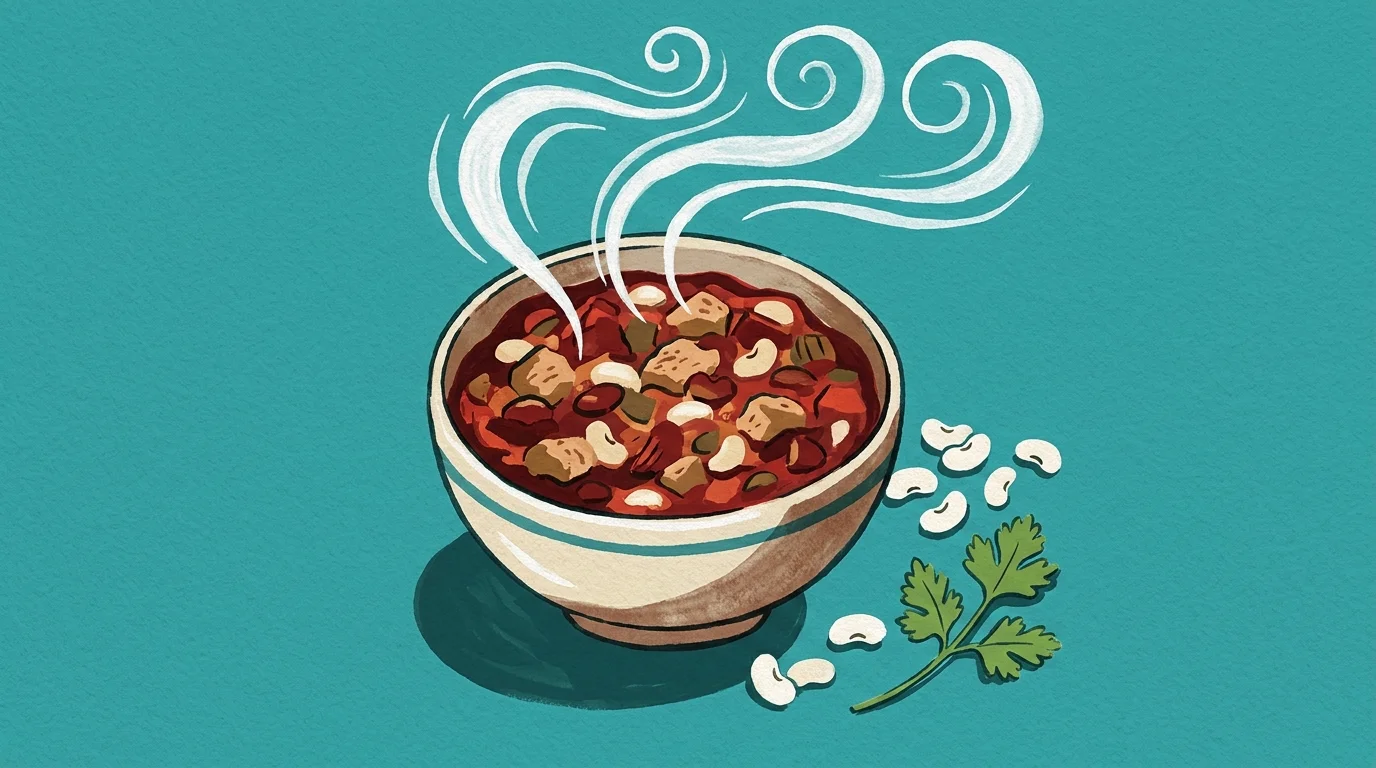
A steaming bowl of chili provides immense comfort on a chilly evening; however, traditional recipes utilizing fatty ground beef can disrupt digestion and increase bad cholesterol levels. Lean ground turkey serves as an excellent protein substitute, offering a lighter base that still absorbs all the robust chili spices beautifully. Stir in plenty of cannellini beans or navy beans to maximize your intake of soluble fiber, which actively works to lower cholesterol and stabilize your blood sugar. Enhance the flavor profile by adding diced bell peppers, sweet onions, and low-sodium crushed tomatoes. Allow the chili to simmer gently so the spices meld together, creating a deeply flavorful stew that supports cardiovascular health.
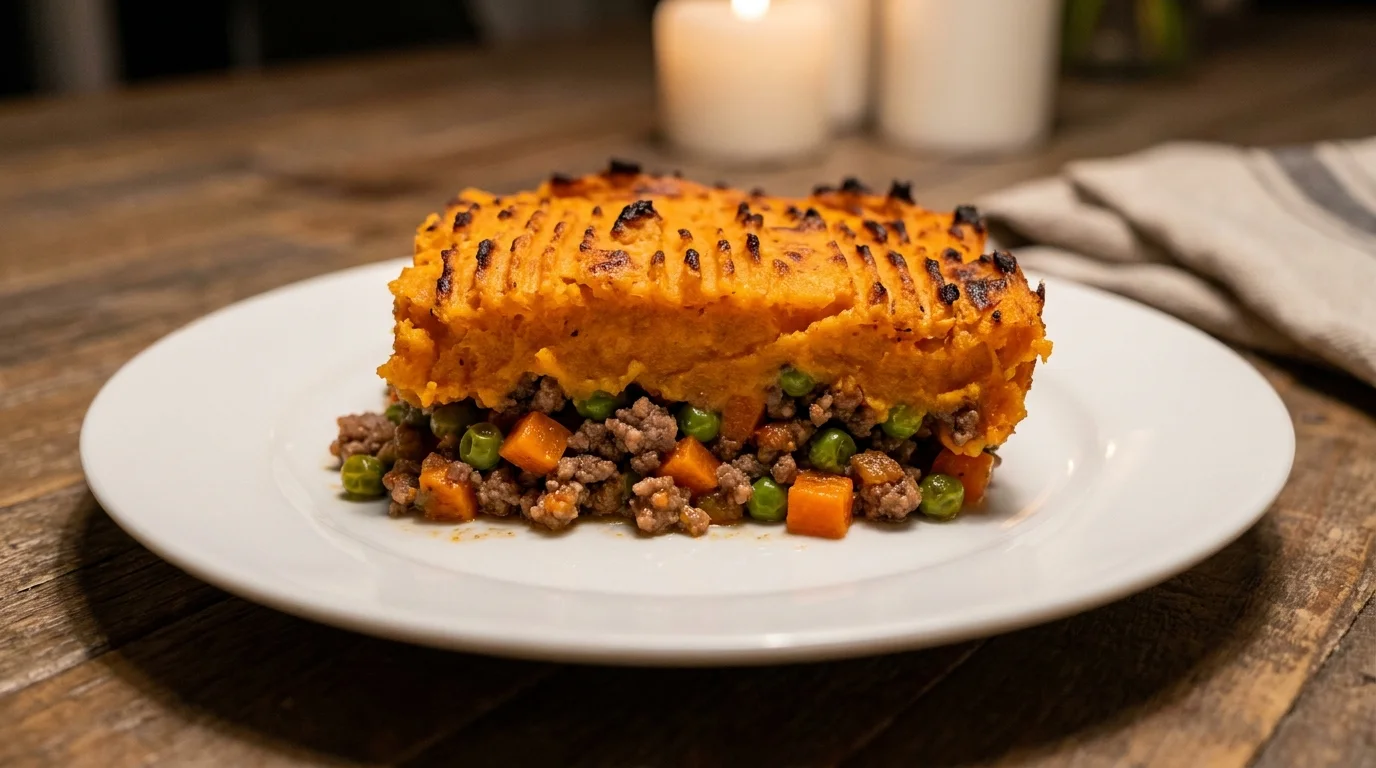
3. Sweet Potato Topped Shepherd’s Pie
Shepherd’s pie represents the ultimate savory casserole, but the classic buttery mashed potato topping adds unnecessary empty calories to your evening meal. Elevate this traditional favorite by substituting a vibrant sweet potato mash on top. Sweet potatoes boast high levels of beta-carotene, a powerful antioxidant that fights cellular damage and supports a robust immune system. For the savory filling, brown extra-lean ground chicken or use brown lentils for a completely plant-based twist. Load the base with diced carrots, sweet peas, and celery to sneak in extra servings of necessary vegetables. Baking this pie until the sweet potato crust turns slightly golden yields a visually stunning, nutrient-dense meal that remains incredibly gentle on the digestive tract.

4. Nutrient-Packed Chicken Noodle Soup
Nothing soothes the soul quite like a warm bowl of freshly made chicken soup. To upgrade this timeless classic, focus on maximizing the nutritional density of the broth and the raw ingredients. Begin with a high-quality, low-sodium bone broth; the natural collagen present in bone broth actively supports joint health and maintains skin elasticity. Add generous amounts of chopped spinach, kale, or Swiss chard during the final minutes of cooking to infuse the soup with essential iron and vitamin K. Swap out refined white egg noodles for whole wheat pasta or brown rice noodles. Shredded, skinless chicken breast provides the high-quality lean protein necessary for maintaining muscle mass as you age.
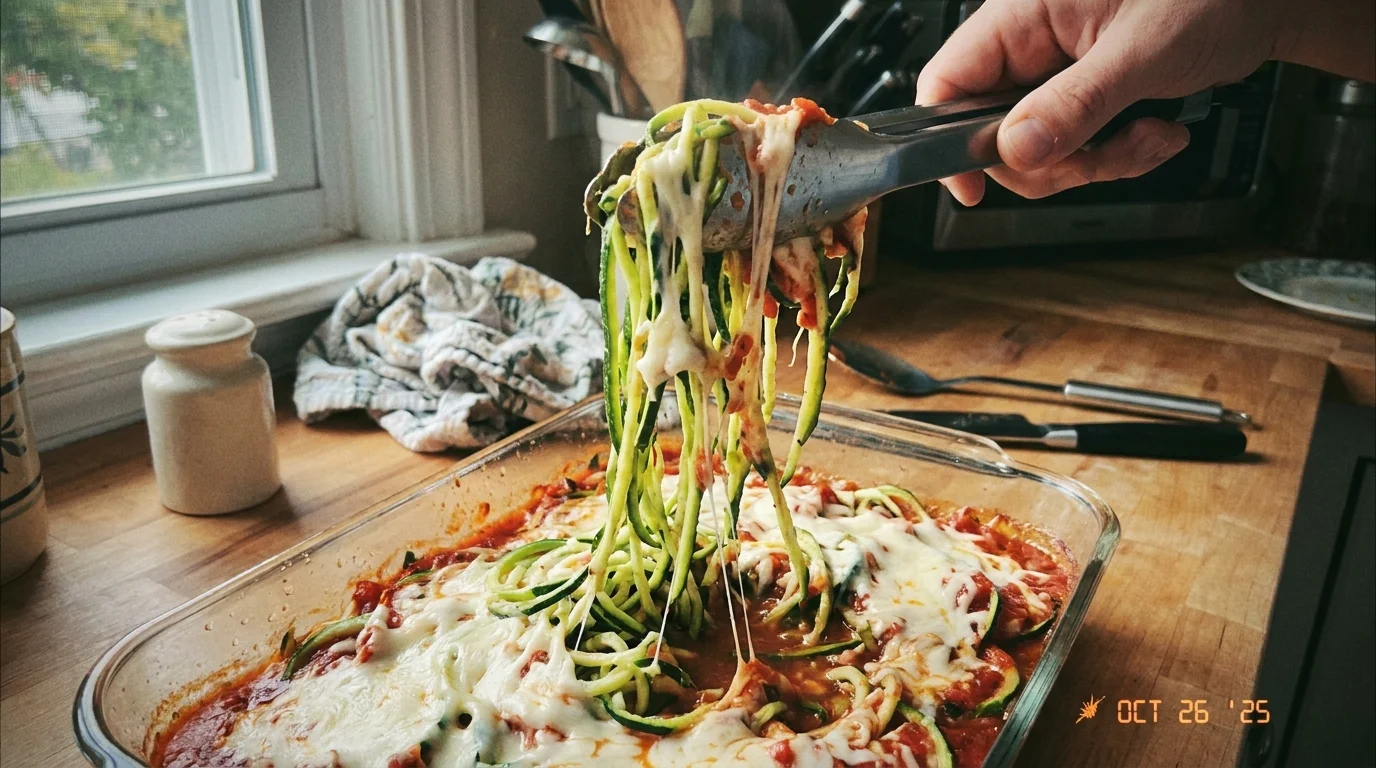
5. Zucchini Noodle Baked Ziti
Baked pasta dishes often lead to a heavy, uncomfortable feeling due to their massive carbohydrate load. You can easily lighten up your favorite baked ziti by replacing half—or even all—of the standard pasta with fresh spiralized zucchini noodles. Zucchini provides plenty of necessary hydration and essential vitamins while significantly reducing the glycemic impact of the meal. Toss the lightly steamed zucchini noodles with a robust, low-sodium marinara sauce, browned ground turkey, and dollops of part-skim ricotta cheese. Top the dish with a light sprinkle of mozzarella and bake until bubbly. This brilliant modification allows you to enjoy the beloved flavors of an Italian casserole while actively supporting your weight management goals.
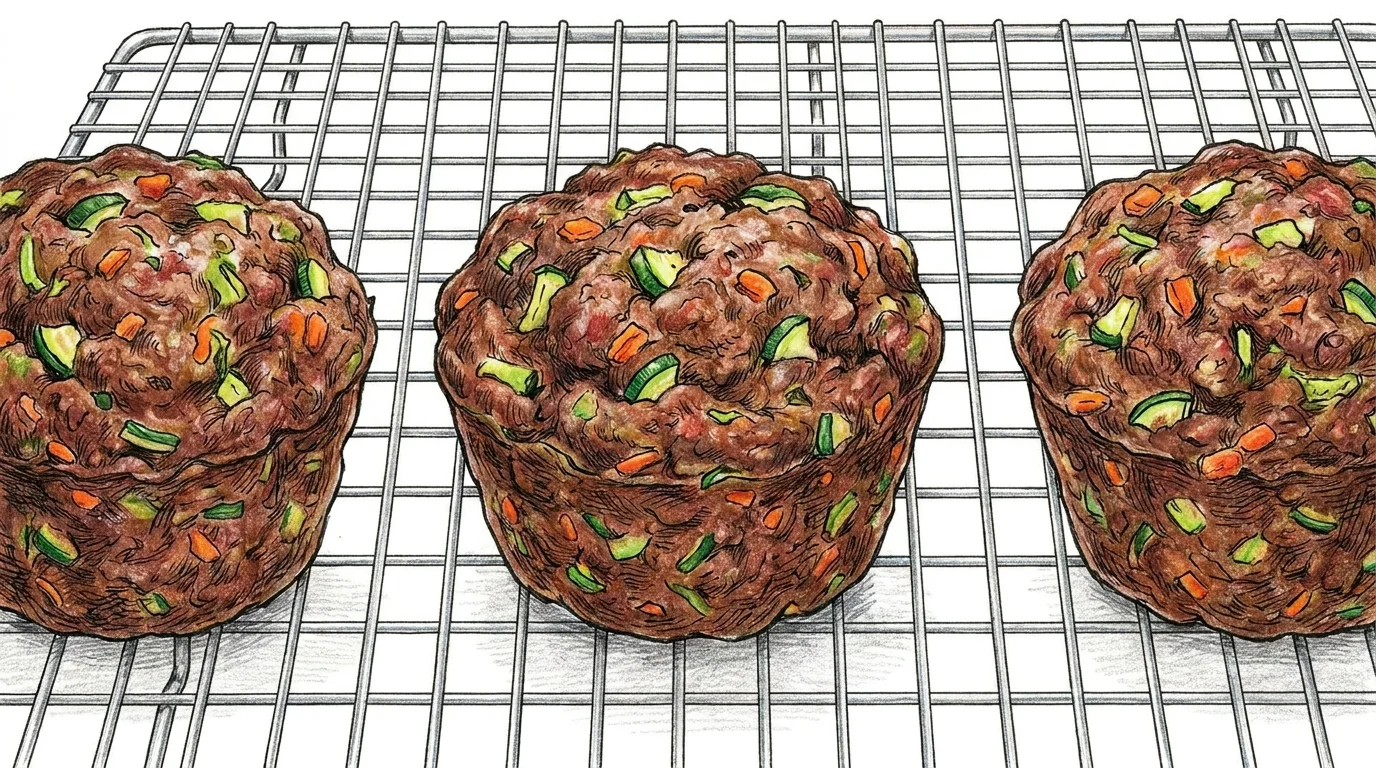
6. Vegetable-Infused Meatloaf Muffin Cups
Meatloaf conjures fond memories of large family dinners, yet standard recipes frequently rely on high-fat ground chuck and sugary ketchup glazes. Modernize your meatloaf by blending 90% lean ground beef or ground turkey with finely grated vegetables such as mushrooms, zucchini, and carrots. These hidden vegetables not only amplify the vitamin and mineral content but also keep the meat incredibly moist without requiring any extra cooking fat. Bake the mixture in standard muffin tins rather than a large loaf pan. This brilliant preparation method ensures built-in portion control and significantly reduces your overall cooking time, providing an easy-to-handle meal that pairs perfectly with steamed green beans.
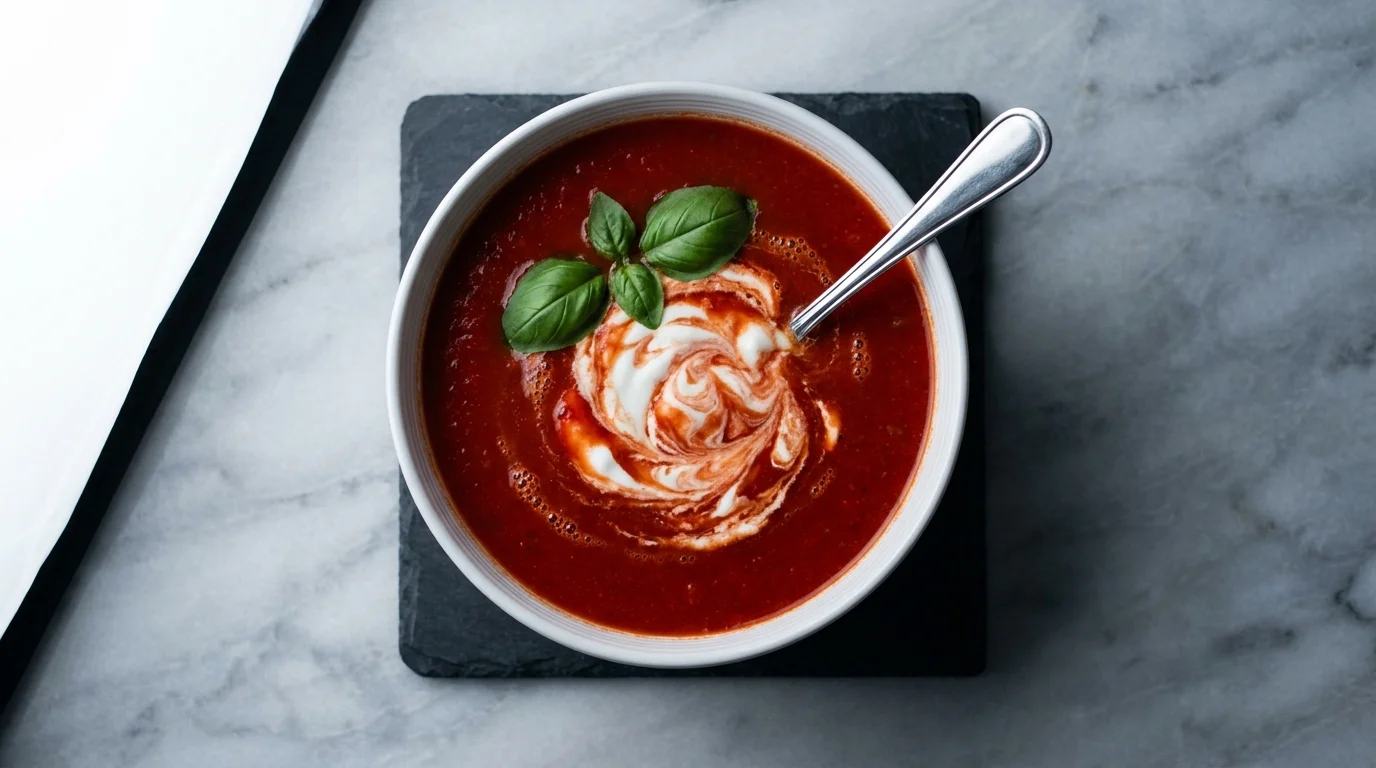
7. Greek Yogurt Cream of Tomato Soup
A rich, creamy tomato soup paired with a warm sandwich constitutes a classic lunch pairing. Unfortunately, the heavy whipping cream used in restaurant-style soups contributes excessive saturated fat to your diet. You can achieve that same luxurious mouthfeel by stirring plain, low-fat Greek yogurt into a base of pureed roasted tomatoes and vegetable broth. Greek yogurt offers an impressive amount of high-quality protein, calcium, and probiotics, which actively promote strong bones and a healthy gut microbiome. Roast your tomatoes with fresh garlic and a touch of olive oil beforehand to deepen their natural sweetness, entirely eliminating the need for any added refined sugars.
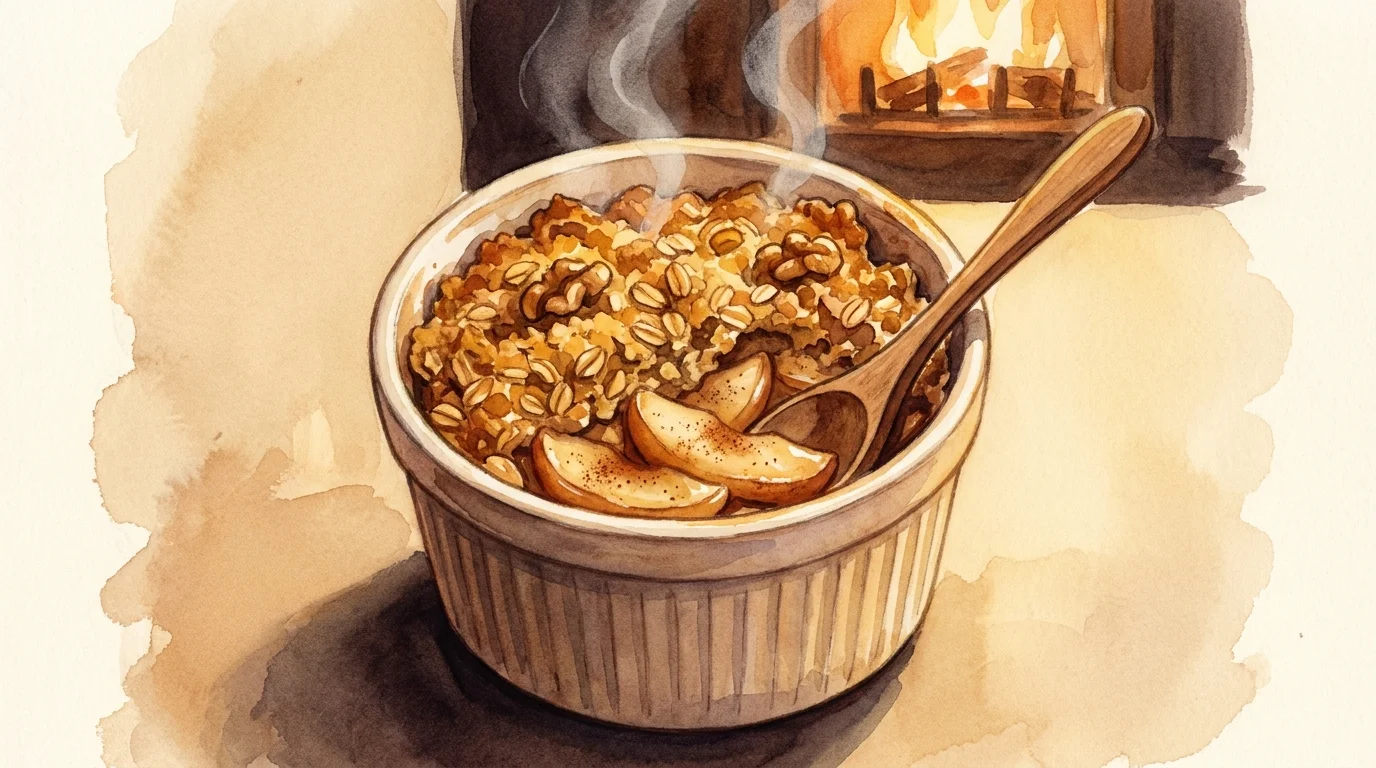
8. Baked Apple Crisp with Walnut Oat Topping
Satisfying your sweet tooth does not require a complete compromise on your health goals. A freshly baked apple crisp provides the comforting essence of traditional apple pie without the heavy, butter-laden pastry crust. Toss sliced fresh apples with a dash of cinnamon and nutmeg, then top them with a crumbly mixture of rolled oats, finely chopped walnuts, and a tiny drizzle of pure maple syrup. Walnuts supply crucial omega-3 fatty acids, which strongly support cognitive function and reduce inflammation throughout the body. The rolled oats deliver beta-glucan, a specific type of soluble fiber that aids in cholesterol management and keeps your heart functioning optimally.
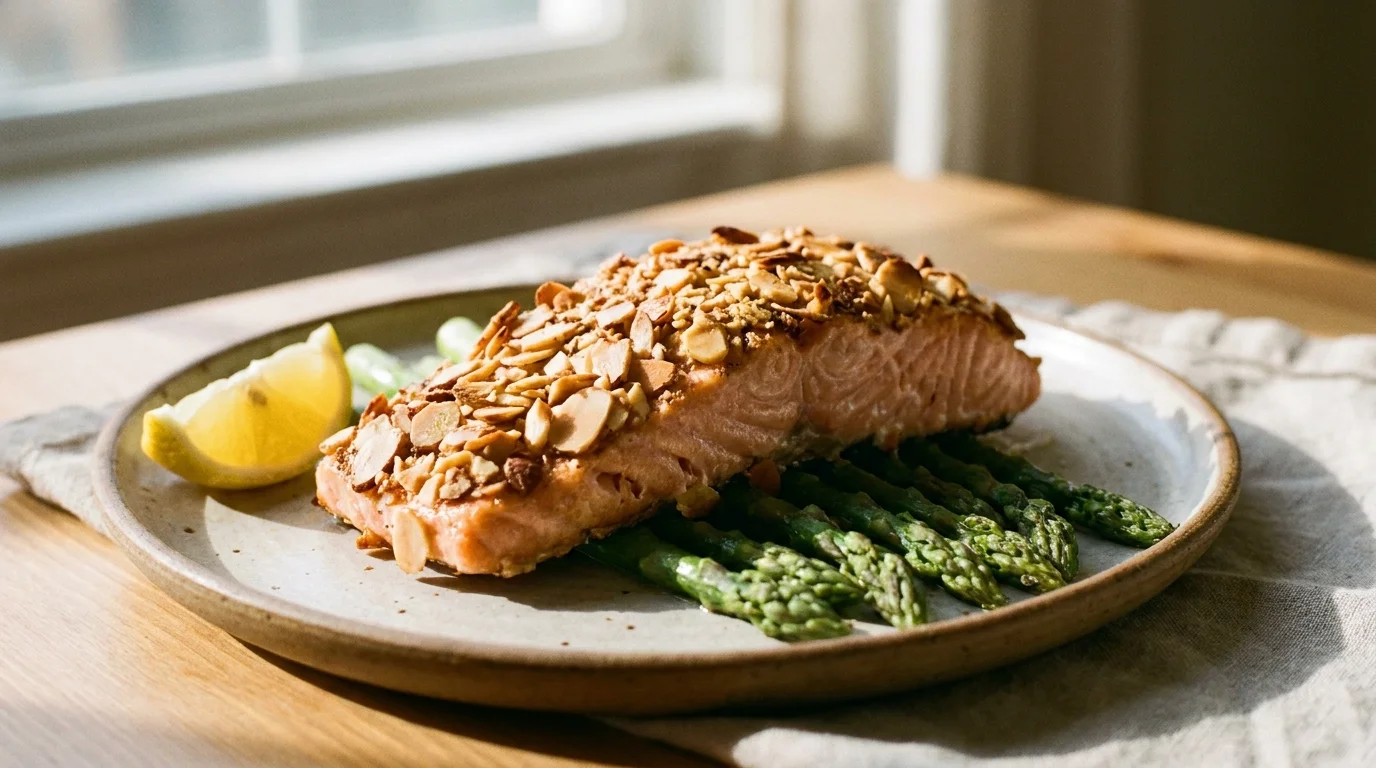
9. Crispy Almond-Crusted Baked Salmon
Fried fish presents a nostalgic flavor profile for many seniors, but the traditional deep-frying process introduces harmful trans fats and excess calories. You can easily replicate that satisfying crunch by coating fresh salmon fillets with finely crushed almonds and a blend of savory herbs. Bake the salmon in the oven until the fish flakes easily with a fork and the almond crust turns a beautiful golden brown. Salmon stands as one of the best dietary sources of omega-3 fatty acids and lean protein, making it an ideal choice for maintaining cardiovascular and neurological health. The almond crust adds valuable vitamin E and magnesium to your plate.

Important Safety Precautions to Keep in Mind
While exploring new culinary techniques brings excitement to your weekly routine, prioritizing safety in the kitchen and at the dining table remains absolutely essential. Older adults possess a heightened susceptibility to foodborne illnesses due to natural changes in immune system function. Always ensure that you cook meats, poultry, and fish to their proper internal temperatures; using a reliable digital meat thermometer takes the guesswork out of the cooking process and guarantees your food is completely safe to consume. Promptly store any leftovers in airtight containers and place them in the refrigerator within two hours of cooking.
Beyond basic food safety, pay close attention to the physical aspects of eating. If you or a loved one experiences difficulty chewing or swallowing—a condition known as dysphagia—you must adapt these nutritious recipes accordingly. Finely chop, mash, or blend challenging ingredients like raw nuts and crisp vegetables to prevent any potential choking hazards. Adapting the texture of your easy healthy meals ensures you can still enjoy the robust flavors without experiencing discomfort.
Furthermore, evaluating your kitchen layout ensures a safer cooking environment. Keep heavy pots, pans, and frequently used cooking utensils stored at waist level to prevent unnecessary bending or dangerous overreaching. Wearing supportive, non-slip shoes while preparing your meals minimizes the risk of accidental slips or falls. Finally, always read the nutrition labels on store-bought ingredients, specifically checking for hidden sodium in canned broths or tomato sauces, to help you manage your blood pressure safely and effectively.

When to Speak with a Healthcare Professional
Adopting a diet filled with senior friendly recipes offers numerous health benefits, but nutritional changes should always complement professional medical guidance. Disclaimer: This article is for informational purposes only and does not constitute medical advice. Always seek the advice of your physician or other qualified health provider with any questions you may have regarding a medical condition.
You should immediately schedule a consultation with your doctor or a registered dietitian if you experience unintended weight loss, a sudden loss of appetite, or consistent gastrointestinal discomfort after eating your meals. These symptoms may indicate an underlying digestive issue or a specific nutrient deficiency that requires targeted medical intervention.
It remains particularly crucial to consult your doctor if you take daily prescription medications, as certain whole foods can interact with common drugs. For instance, leafy greens rich in vitamin K can interfere with prescription blood thinners. If you manage chronic conditions such as advanced diabetes, chronic kidney disease, or severe hypertension, your healthcare provider must approve any significant dietary adjustments. A registered dietitian can easily help tailor these comfort food recipes to align perfectly with your prescribed medical treatments, ensuring your transition to healthier eating remains completely safe and entirely beneficial.
Frequently Asked Questions
How can I reduce sodium in comfort food recipes without losing flavor?
Reducing sodium does not mean your daily meals must taste bland and unappealing. You can significantly enhance the flavor of your dishes by experimenting with fresh or dried herbs, aromatic spices, and bright citrus juices. Ingredients like garlic powder, onion powder, smoked paprika, and freshly squeezed lemon juice provide robust flavor profiles that easily replace the need for heavy table salt. Additionally, always remember to rinse canned beans and vegetables under cold running water to wash away excess preservation sodium.
Are easy healthy meals really enough to provide all the nutrients I need daily?
Yes; when you strategically plan your meals around whole, unprocessed foods, you can effortlessly meet your daily nutritional requirements. Focusing on a diverse array of colorful vegetables, lean proteins, whole grains, and healthy fats ensures a comprehensive nutrient intake. However, because older adults sometimes absorb certain nutrients less efficiently, your doctor might still recommend specific dietary supplements, such as vitamin B12 or vitamin D, to perfectly complement your daily menu.
What should I do if I have trouble chewing certain nutritious recipes?
Adapting your favorite recipes for easier chewing involves very simple preparation adjustments. You can slow-cook tougher meats until they become perfectly fork-tender, mash firm root vegetables, and blend thick, chunky soups to achieve a much smoother consistency. If a recipe calls for crunchy toppings, like the walnuts in a baked apple crisp, simply grind the nuts into a fine powder before baking, ensuring you still receive the incredible nutritional benefits without any chewing strain.
Can I freeze these healthy comfort food dishes for later use?
Absolutely; freezing your prepared meals represents a fantastic way to ensure you always have access to a quick, deeply nourishing dinner. Most soups, stews, and baked casseroles freeze exceptionally well. Allow your cooked dishes to cool completely at room temperature before transferring them to freezer-safe, airtight containers. Label each container clearly with the current date and the recipe name, and try to consume the frozen meals within three months for the absolute best texture and flavor.
For authoritative, trustworthy health information, always consult official sources like the National Institute on Aging (NIA) and MedlinePlus from the National Library of Medicine. The CDC also provides excellent resources for older adults.
Disclaimer: This article is for informational purposes only and does not constitute medical advice. Always seek the advice of your physician or other qualified health provider with any questions you may have regarding a medical condition.