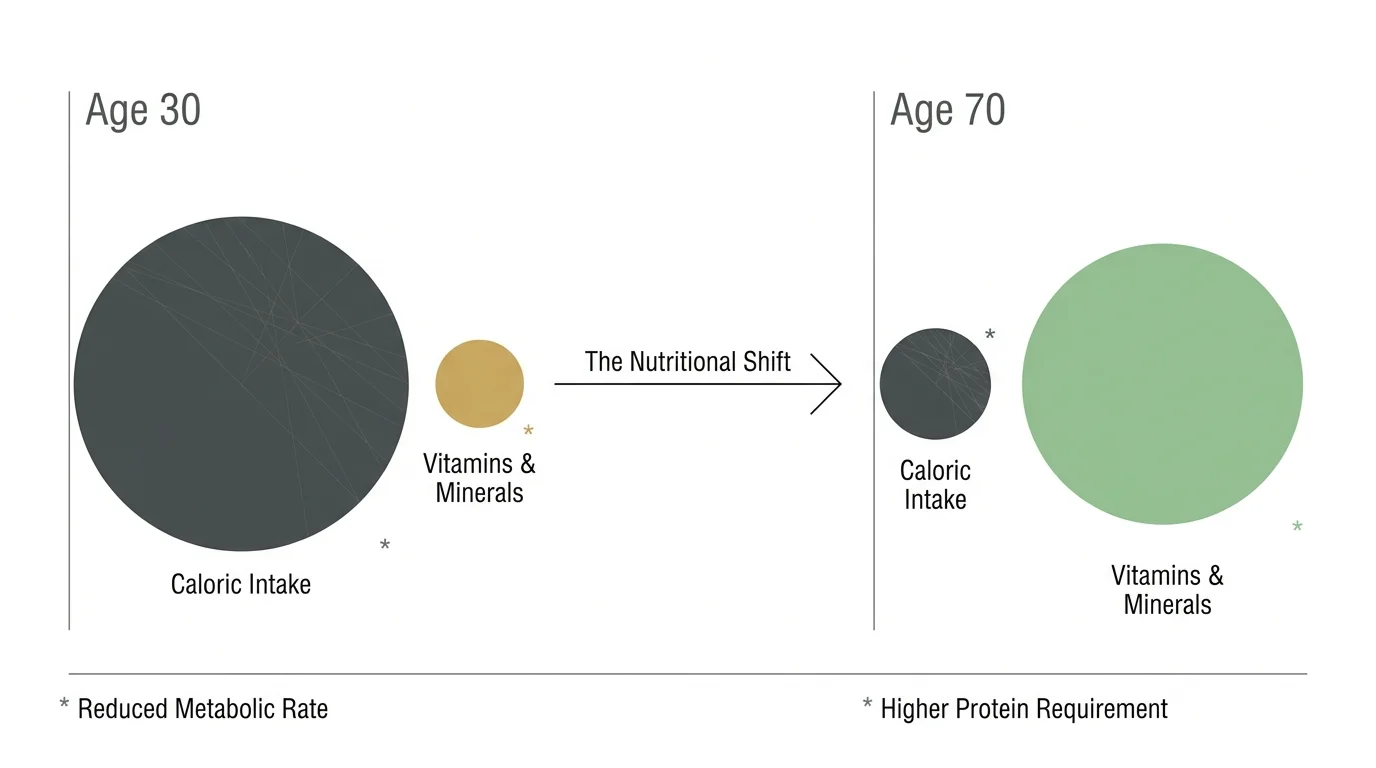
Eating the right foods provides your body with the essential building blocks to preserve energy, protect your brain, and keep your joints moving comfortably. Making simple changes to your daily meals can profoundly influence how you feel each day, giving you more vitality to enjoy your favorite activities. As our bodies change over time, our nutritional needs shift alongside them. You require fewer calories but significantly more vitamins and minerals to maintain optimal wellness. Discovering which specific ingredients offer the most benefits helps you take control of your well-being. By focusing on nutrient-dense ingredients, you provide your physical form with the exact support it requires to thrive during this vibrant chapter of life.
Understanding the Basics of 7 Foods That Help the Body Age Better for Seniors
As you cross the threshold into your late fifties and beyond, your body initiates a series of natural physiological changes. The metabolic engine that once burned calories at a rapid pace begins to slow down; consequently, you require less food for energy. However, this creates a unique nutritional challenge. While your caloric needs decrease, your requirement for essential vitamins, minerals, and high-quality proteins actually increases. Providing your body with the right healthy aging foods becomes a matter of prioritizing quality over quantity in every single meal.
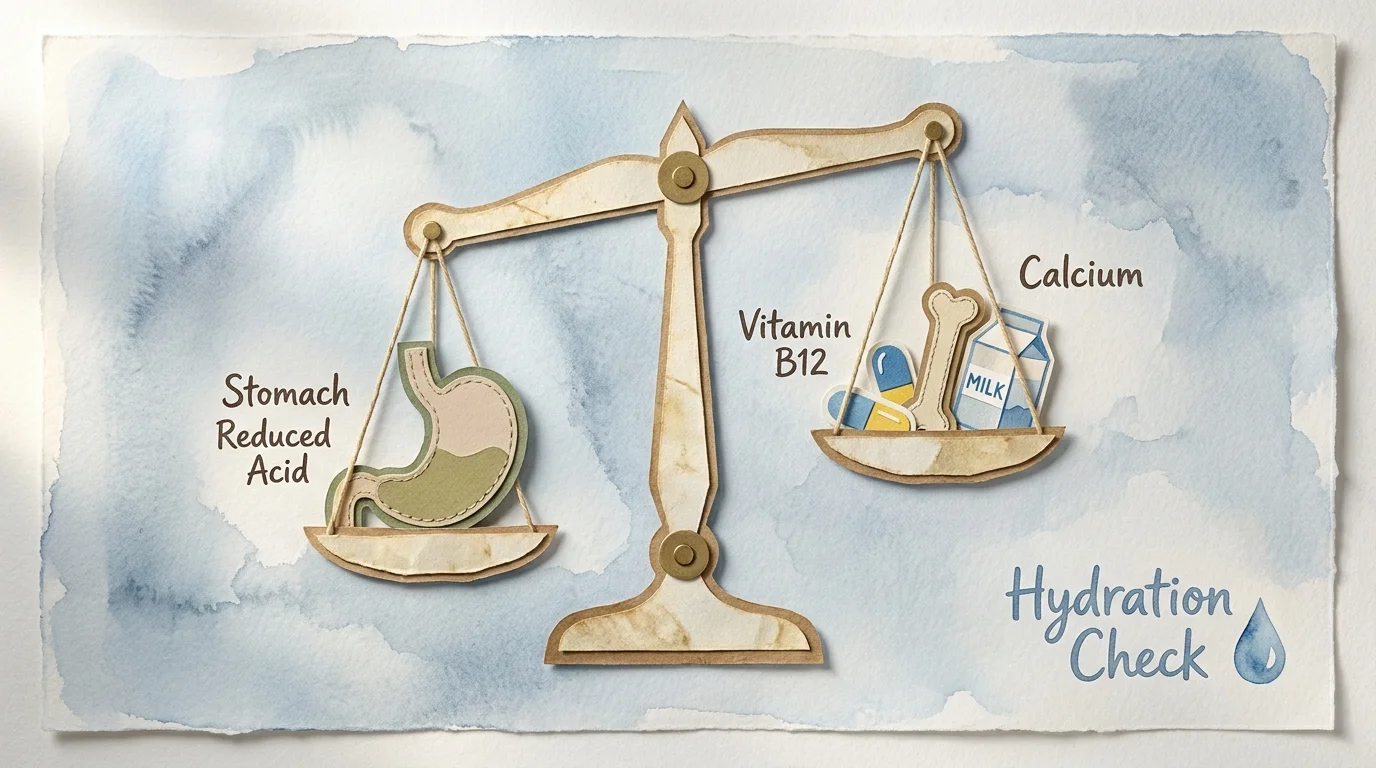
One significant shift involves your digestive system. As you age, your stomach often produces less acid, which directly impairs your ability to absorb crucial nutrients like vitamin B12, calcium, and iron. This means the meals you consume must be particularly rich in these elements to ensure your system absorbs enough to function properly. Furthermore, older adults naturally experience a gradual loss of muscle mass and strength—a condition known as sarcopenia. You can actively counteract this decline by consuming adequate protein and staying physically active.
As you transition into this phase of life, your bones also require increased attention. The density of your skeletal structure peaks in your thirties and slowly diminishes thereafter. Without adequate mineral intake, this natural reduction can lead to weakened bones and a higher risk of fractures. Therefore, ensuring your daily meals contain optimal levels of calcium and vitamin D is essential for maintaining your mobility and independence. Furthermore, your body’s ability to recognize thirst frequently diminishes as you get older. This change makes it incredibly easy to become dehydrated without realizing it, which can exacerbate fatigue and negatively impact kidney function.
Navigating nutrition after 65 also means protecting your cellular health. Over decades, everyday environmental factors and normal metabolic processes create free radicals in your body. These unstable molecules cause oxidative stress, which damages your cells and accelerates the physical aging process. The foods you choose act as your primary defense mechanism against this cellular wear and tear. By eating a diet abundant in antioxidants, healthy fats, and fiber, you effectively arm your body with the tools it needs to repair tissue, reduce systemic inflammation, and support a robust immune system. Understanding these fundamental changes allows you to make informed, deliberate choices at the grocery store and in your kitchen.

Practical Tips for a Healthier, Happier Life
1. Dark, Leafy Greens
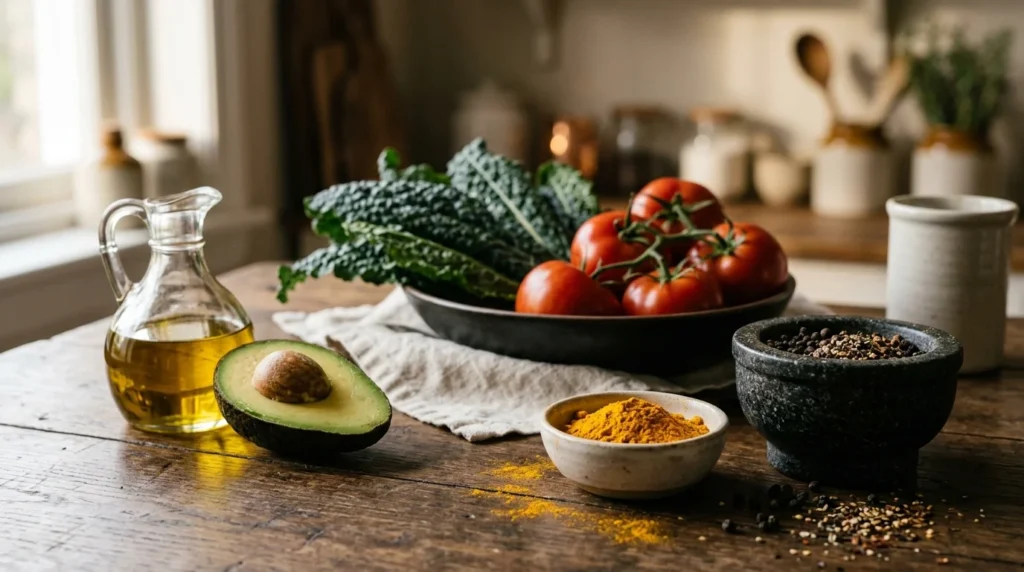
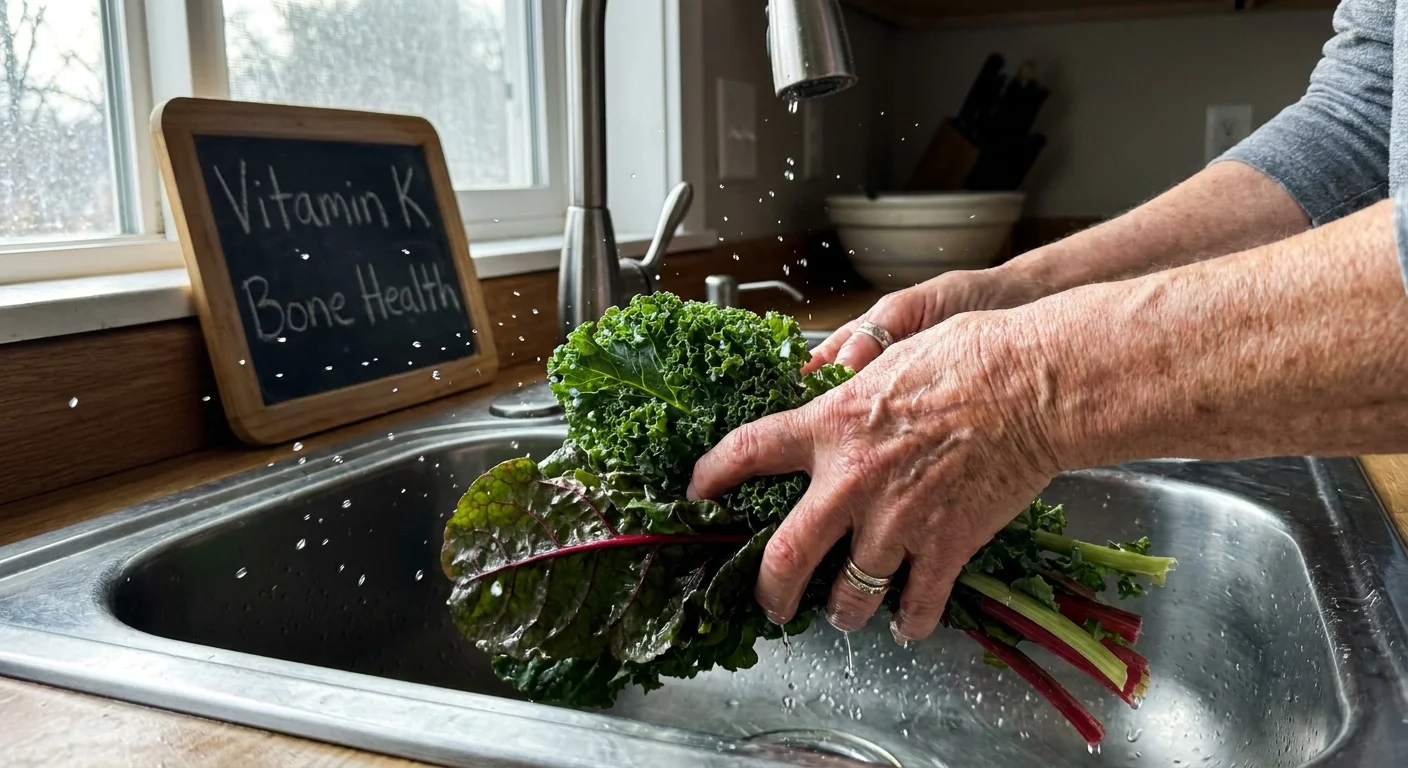
Focus on spinach, kale, Swiss chard, and collard greens. These vegetables stand out as incredible foods for longevity because they deliver massive doses of vitamins A, C, E, and K. Vitamin K plays an essential role in bone metabolism; it helps direct calcium into your bones rather than letting it build up in your blood vessels. Furthermore, researchers consistently link the regular consumption of leafy greens to slower cognitive decline. Studies evaluating older adults show that those who eat just one serving of leafy greens daily possess the cognitive function of individuals over a decade younger. To incorporate more greens into your meals, you do not need to rely solely on large salads. Try folding a handful of fresh spinach into your morning eggs, blending kale into a fruit smoothie, or stirring Swiss chard into a warm pot of soup just before serving.
2. Vibrant Berries
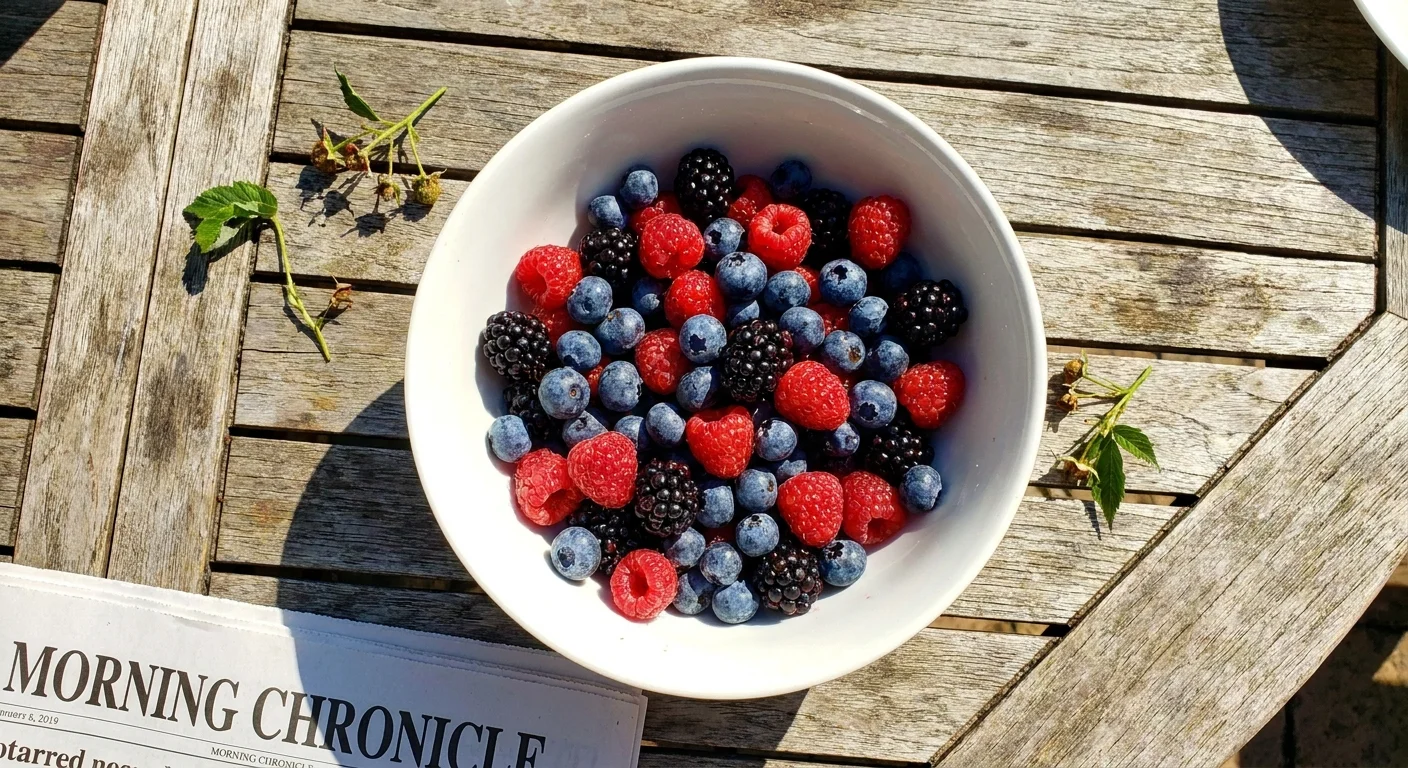
Blueberries, strawberries, raspberries, and blackberries function as nature’s most potent sources of antioxidants. The deep red, purple, and blue pigments in these fruits come from compounds called anthocyanins. These powerful antioxidants actively seek out and neutralize the free radicals that damage your cells over time. Protecting your brain health remains a top priority as you age; berries excel in this area by reducing inflammation and improving communication between brain cells. Regular berry consumption supports better memory recall and delays age-related cognitive impairment. Beyond the brain, berries offer substantial benefits for your cardiovascular system by improving blood vessel function and lowering blood pressure. You can easily add a half-cup of fresh or frozen berries to your daily routine. Toss them over your morning oatmeal, mix them into plain yogurt, or enjoy them as a refreshing, naturally sweet dessert after dinner.

3. Fatty Fish
When discussing anti aging nutrition, omega-3 fatty acids consistently take center stage. Fatty fish—such as wild-caught salmon, sardines, mackerel, and trout—provide high concentrations of eicosapentaenoic acid (EPA) and docosahexaenoic acid (DHA). These specific healthy fats are renowned for their profound anti-inflammatory properties. Joint pain and stiffness often accompany the aging process, but omega-3s act as a natural lubricant and anti-inflammatory agent, making movement much more comfortable. Moreover, these fats make up a significant portion of your brain tissue. Consuming fatty fish supports the structural integrity of your brain, potentially lowering your risk of memory-related conditions. Health organizations generally recommend eating two servings of fatty fish per week to protect against heart disease and stroke. If cooking fresh fish feels intimidating, canned salmon and sardines offer affordable, convenient, and highly nutritious alternatives that you can easily add to salads or spread on whole-grain crackers.
4. Nuts and Seeds
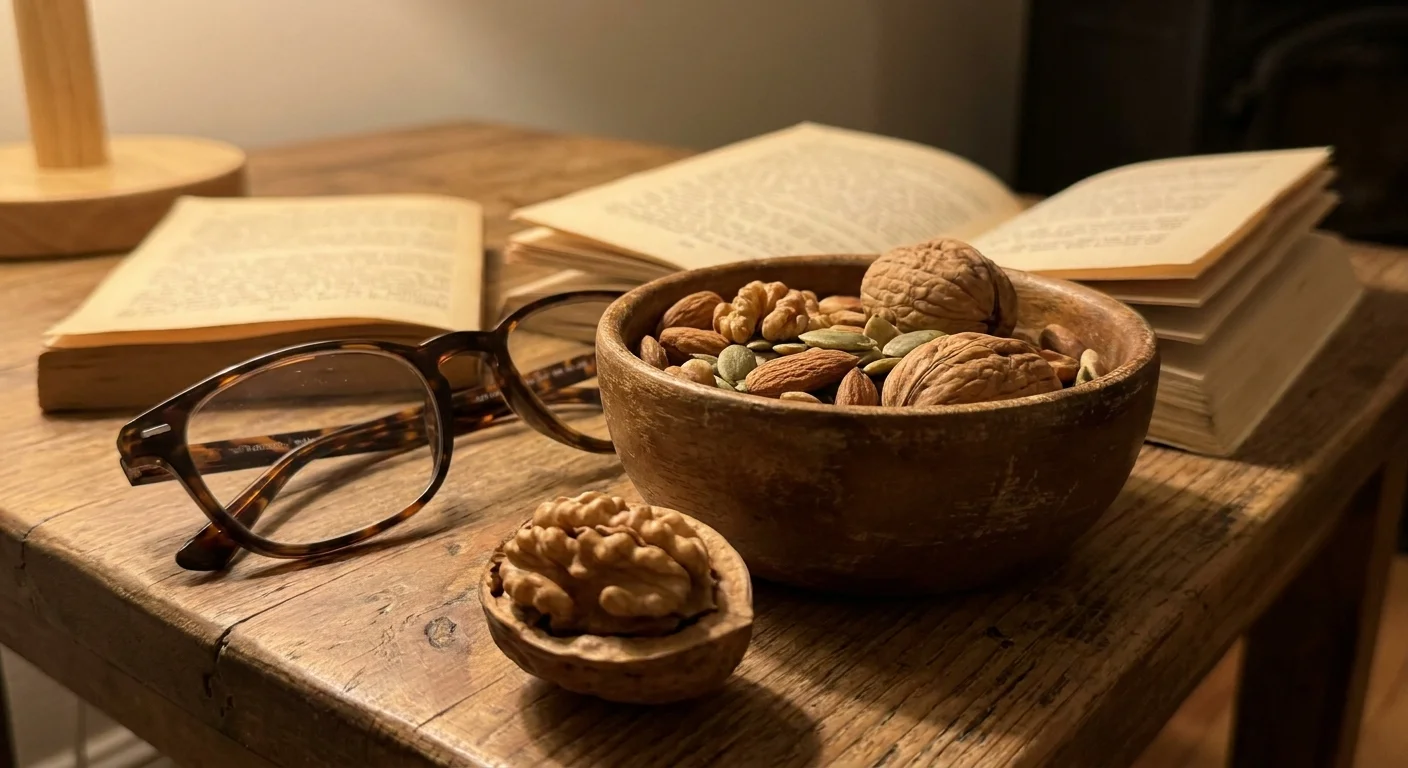
Walnuts, almonds, chia seeds, and flaxseeds serve as tiny, nutrient-dense powerhouses. They provide an excellent combination of plant-based protein, dietary fiber, and healthy monounsaturated fats. As your digestive system slows down with age, maintaining a high fiber intake becomes absolutely vital to prevent discomfort and irregularity. The fiber in nuts and seeds adds bulk to your diet, promoting smooth and predictable digestion. Walnuts, in particular, contain an impressive amount of alpha-linolenic acid (ALA), a plant-based omega-3 fat that further supports heart health. Almonds offer a generous supply of vitamin E, an antioxidant that protects your skin from damage and helps maintain a youthful, healthy complexion. Because nuts are calorically dense, a small handful—about one ounce—makes the perfect daily portion. You can sprinkle crushed walnuts over a salad, blend a spoonful of ground flaxseed into a smoothie, or snack on a small portion of mixed nuts to stabilize your blood sugar between meals.

5. Fermented Foods
The health of your gut microbiome—the trillions of beneficial bacteria residing in your digestive tract—profoundly influences how well your body functions. As you grow older, the diversity of these helpful bacteria naturally declines, which can compromise your immune system and lead to chronic inflammation. Fermented foods like yogurt, kefir, sauerkraut, kimchi, and miso introduce live, beneficial probiotics directly into your system. Cultivating a robust gut microbiome improves your body’s ability to absorb essential nutrients from the other foods for seniors you consume. Additionally, a large portion of your immune system resides in your gut; strengthening your gut bacteria directly enhances your resilience against common illnesses. When selecting fermented products, carefully read the labels. Choose plain yogurts and kefirs without added sugars, and look for the phrase indicating live and active cultures. A simple daily serving of probiotic-rich food can significantly improve your digestive comfort and overall vitality.

6. Beans and Legumes
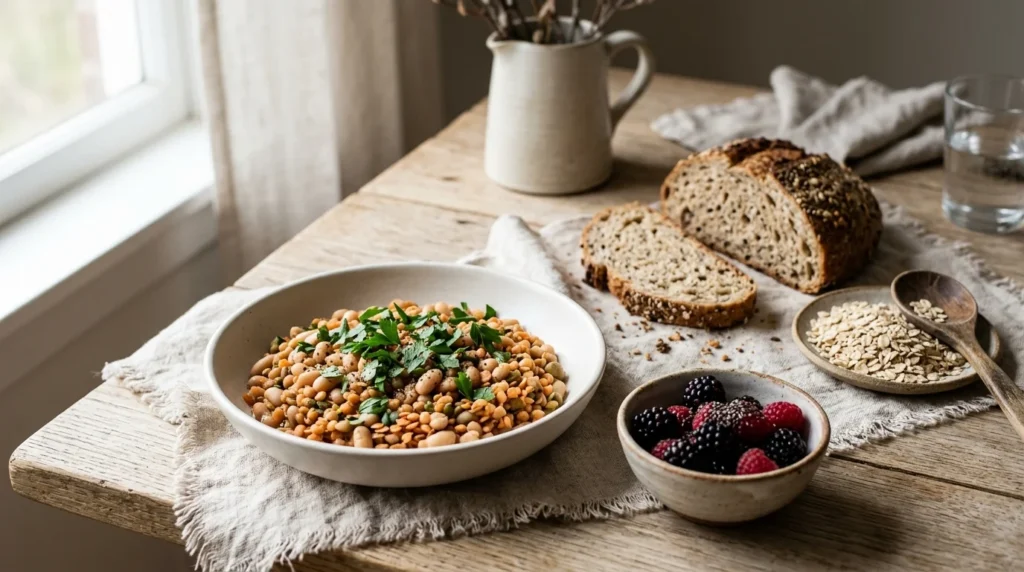
Lentils, chickpeas, black beans, and kidney beans stand as incredibly versatile and economical nutritional tools. They supply a massive amount of soluble fiber, which actively binds to cholesterol in your digestive tract and removes it from your body, thereby protecting your cardiovascular system. Legumes also provide a stellar source of complex carbohydrates and plant-based protein. Unlike refined carbohydrates that cause sudden spikes and crashes in your energy levels, the complex carbohydrates in beans digest slowly. This slow digestion provides a steady, reliable stream of energy throughout the day and helps keep your blood sugar levels perfectly balanced. Since maintaining muscle mass requires consistent protein intake throughout the day, adding a serving of beans to your lunch or dinner represents a highly effective strategy. Try replacing half the ground meat in your favorite chili recipe with black beans, or purée chickpeas with a touch of olive oil and garlic for a delicious homemade hummus.
7. Cruciferous Vegetables
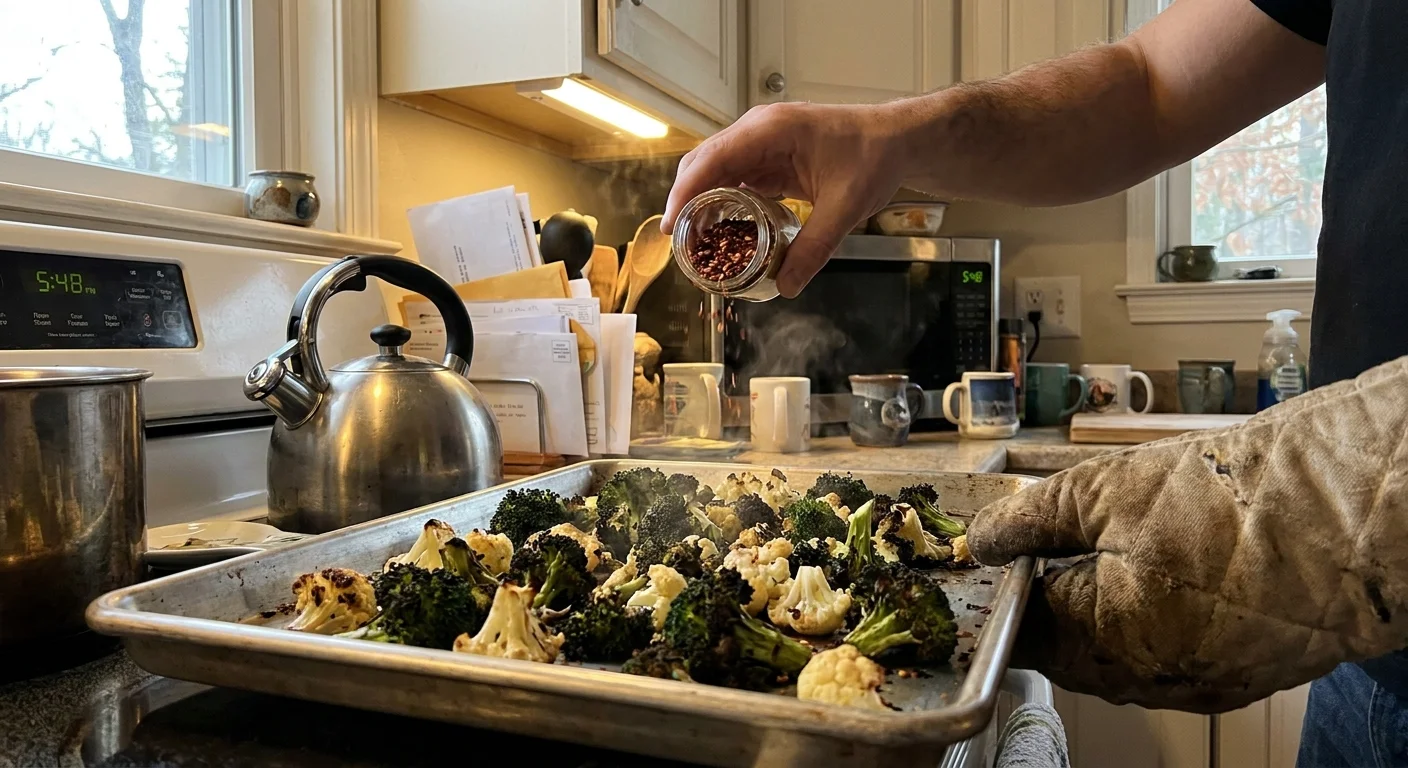
Broccoli, Brussels sprouts, cauliflower, and cabbage belong to the cruciferous vegetable family, which possesses unique cellular-protection properties. These vegetables are rich in glucosinolates, sulfur-containing compounds that your body converts into powerful tissue-repairing chemicals. As your cells age, they accumulate damage; the compounds in cruciferous vegetables activate your body’s natural detoxification enzymes, helping to clear out cellular waste. Furthermore, these vegetables provide ample amounts of vitamin C, which your body requires to produce collagen. Collagen functions as the structural protein that keeps your skin firm and your joints well-cushioned. While raw cruciferous vegetables can sometimes be difficult to digest or chew, gently roasting or steaming them breaks down the tough fibers without destroying their nutritional value. Toss broccoli florets in olive oil and roast them until they develop a slight char, or steam cauliflower and mash it as a nutrient-rich, comforting side dish.
Important Safety Precautions to Keep in Mind
While transitioning to a highly nutritious diet offers remarkable benefits, you must implement these changes thoughtfully to ensure they align with your specific medical circumstances. Food and medication interactions represent a critical safety consideration for older adults. For example, if you take blood-thinning medications like warfarin, dramatically increasing your intake of vitamin K-rich foods—such as spinach and kale—can interfere with how your medication works. You do not necessarily need to avoid these greens, but you must keep your daily intake consistent and monitor your blood levels closely with your physician.
Similarly, certain fruits can alter the absorption of prescription drugs. Grapefruit and grapefruit juice interact dangerously with numerous medications, including specific statins used to lower cholesterol and certain blood pressure drugs. The compounds in grapefruit block an enzyme in your intestine, allowing too much medication to enter your bloodstream at once. Always review your prescriptions with your pharmacist to identify any necessary dietary restrictions.
Another crucial element involves sodium intake. Many convenient, pre-packaged foods—even seemingly healthy ones like canned soups and vegetables—contain incredibly high levels of sodium. Excessive sodium forces your body to retain water, which places unnecessary strain on your heart and elevates your blood pressure. Always rinse canned beans and vegetables thoroughly under cold water before cooking to remove excess salt, or choose low-sodium and no-salt-added varieties whenever possible.
Hydration demands careful attention when you increase your intake of fiber-rich foods like beans, nuts, and whole grains. Dietary fiber relies on water to move smoothly through your digestive tract. If you eat more fiber without increasing your fluid intake, you may experience severe constipation or abdominal cramping. Because your natural thirst mechanism weakens as you age, you must drink water proactively throughout the day, even if you do not feel thirsty.
Finally, if you experience any difficulties with chewing or swallowing—a condition known as dysphagia—you must modify the textures of these healthy foods. Steaming vegetables until very soft, thoroughly pureeing beans, and flaking fish into small, manageable pieces ensures you can enjoy these nutrients without facing a choking hazard.

When to Speak with a Healthcare Professional
The guidance provided here offers a general foundation for healthy aging, but it is not a substitute for professional medical advice. Your body possesses entirely unique needs, and a healthcare provider remains your best resource for personalized nutritional planning. You should schedule a consultation with your primary care physician or a registered dietitian before making any drastic changes to your diet, especially if you manage chronic conditions like diabetes, kidney disease, or heart failure.
Furthermore, if you recently started a new prescription medication, your doctor or pharmacist should thoroughly review your current diet to prevent any hidden interactions. They can provide a safe, comprehensive list of ingredients to embrace and those to strictly avoid. Remember that true holistic wellness involves a collaborative relationship between your personal daily choices and the expert oversight of your medical team.
You must also reach out to your doctor immediately if you notice concerning physical changes related to eating. Sudden or unexplained weight loss often signals an underlying medical issue that requires prompt investigation. Likewise, if you experience a complete loss of appetite, persistent nausea, or chronic pain after eating, do not attempt to solve these issues through diet alone. Difficulty swallowing, a feeling of food getting stuck in your throat, or frequent choking during meals are critical warning signs that necessitate a medical evaluation. Your healthcare team can conduct necessary tests, adjust your medications, and safely guide your dietary choices to ensure your nutritional plan actively supports your overall health without causing unintended harm.
Frequently Asked Questions
Do I need to buy organic foods to get these nutritional benefits?
No, you do not need to purchase organic produce to experience the benefits of these foods. While organic farming reduces exposure to certain pesticides, the nutritional content between conventional and organic foods remains highly similar. Eating conventional fruits and vegetables yields far greater health advantages than skipping them altogether. To minimize pesticide residue on conventional produce, simply wash your fruits and vegetables thoroughly under cold running water before eating or cooking them.
How can I ensure I eat enough if I rarely feel hungry anymore?
A diminished appetite frequently occurs as part of the normal aging process, but you still need adequate nutrition. Instead of forcing yourself to eat three large meals, try dividing your food into five or six small, nutrient-dense snacks throughout the day. Focus on foods that pack significant calories and nutrients into small portions, such as a handful of almonds, half an avocado, or a small bowl of full-fat yogurt. Enhancing the aroma and flavor of your meals with fresh herbs and spices can also naturally stimulate your desire to eat.
Are frozen fruits and vegetables as beneficial as fresh ones?
Yes, frozen fruits and vegetables offer excellent nutritional value and sometimes contain even more vitamins than their fresh counterparts. Farmers harvest produce intended for freezing at its peak ripeness and flash-freeze it immediately, which locks in the sensitive vitamins and minerals. Fresh produce, on the other hand, often loses some nutritional value during long transit times to the grocery store. Frozen options also eliminate the pressure of food spoiling quickly, making them a budget-friendly and highly convenient choice for older adults.
Can I rely entirely on food for my nutrients, or do I need dietary supplements?
While obtaining your nutrients directly from whole foods is always the optimal strategy, many older adults require specific supplements to fill inevitable gaps. As nutrient absorption decreases with age, securing enough vitamin B12, vitamin D, and calcium through diet alone becomes increasingly difficult. However, you should never start taking new supplements without professional guidance. A simple blood test ordered by your physician will clearly identify any deficiencies and determine the exact dosage you need to protect your health safely.
For authoritative, trustworthy health information, always consult official sources like the National Institute on Aging (NIA) and MedlinePlus from the National Library of Medicine. The CDC also provides excellent resources for older adults.
Disclaimer: This article is for informational purposes only and does not constitute medical advice. Always seek the advice of your physician or other qualified health provider with any questions you may have regarding a medical condition.