Your daily beverage choices profoundly impact your energy levels, digestion, and cognitive clarity as your body changes with age. Certain drinks you have enjoyed for decades quietly shift from harmless treats to hidden sources of inflammation, sleep disruption, and blood sugar imbalances. Your metabolism slows down and your kidney function naturally decreases, meaning your system processes sugars, caffeine, and alcohol much differently than it did in your thirties. Identifying these problematic beverages allows you to make simple swaps that protect your bones, support your heart, and keep you properly hydrated. Adjusting your daily hydration routine empowers you to maintain vibrant health and independence so your drinks support your well-being rather than working against it.
Understanding the Basics of 7 Everyday Drinks That Start Causing Problems Later In Life for Seniors
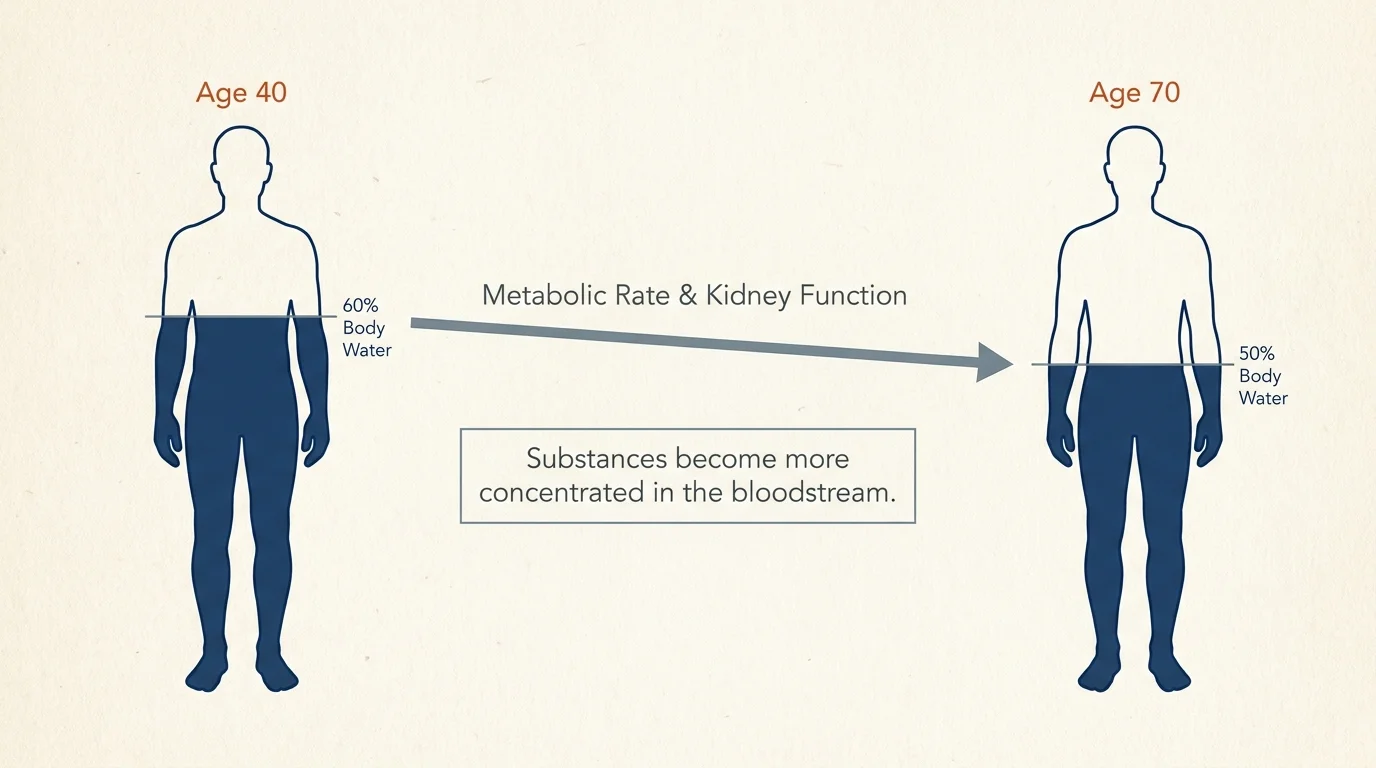
As you navigate the natural process of aging, your body undergoes subtle but significant physiological changes that alter how you process food and liquids. Water makes up a large percentage of human body weight; however, this percentage naturally drops as you grow older. This decrease in total body water means that any substance you drink—whether it contains caffeine, alcohol, or sugar—becomes more concentrated in your bloodstream. A cup of coffee or a glass of wine affects you much more intensely at age seventy than it did at age forty.
Your internal organs also adjust their working pace over the decades. Your liver filters toxins and metabolizes chemicals, but its blood flow and mass gradually decrease over time. Consequently, compounds linger in your system much longer. Similarly, your kidneys work diligently to balance your body’s fluids and clear out waste, but they lose some of their filtering efficiency as you age. This makes it harder for your body to flush out excess sodium, sugar, and artificial additives.
Because of these shifts, optimizing your health requires paying close attention to what fills your cup. Beverages packed with hidden sugars or high sodium directly challenge your metabolic and cardiovascular wellness. Understanding how your aging body reacts to these everyday drinks is the first step toward building a hydration habit that fuels your energy rather than draining it. Making informed choices protects your long-term senior health while keeping you thoroughly hydrated and comfortable.
Practical Tips for a Healthier, Happier Life
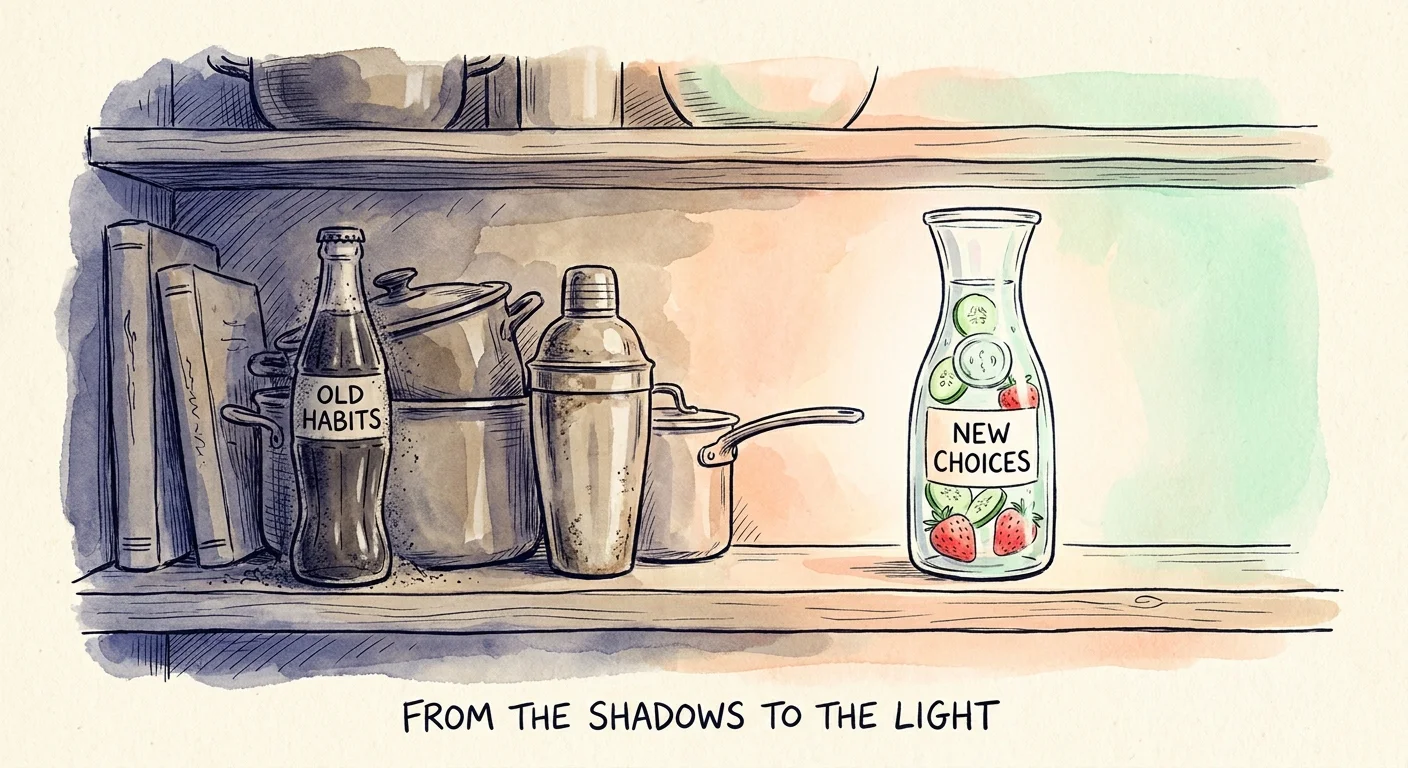
You do not have to give up flavorful beverages to protect your health. By understanding which drinks cause unwanted side effects, you can easily swap them for delicious, nourishing alternatives. Here are seven everyday drinks that often begin causing problems later in life, along with practical tips for replacing them.

1. Sugary Sodas and Carbonated Soft Drinks
Regular sodas load your system with massive amounts of refined sugar, leading to rapid blood sugar spikes and subsequent energy crashes. Because insulin sensitivity often decreases with age, consuming high-sugar beverages significantly increases your risk of developing type 2 diabetes and unwanted weight gain. Furthermore, many popular dark sodas contain phosphoric acid. This chemical actively leaches calcium from your bones, accelerating bone density loss and heightening your risk for osteoporosis and fractures.
Actionable Swap: If you crave the refreshing bite of a carbonated drink, switch to plain sparkling water. Squeeze a fresh lemon, lime, or a splash of pure cranberry juice into your glass for flavor. You get the familiar fizz without the bone-depleting acids or excessive sugar.

2. Alcoholic Beverages
A relaxing glass of wine or an evening cocktail might seem harmless, but your body handles alcohol differently as you age. The reduced water content in your body means your blood alcohol concentration rises faster and stays elevated longer. This leads to impaired balance, significantly increasing your risk of dangerous falls. Alcohol also severely disrupts your sleep architecture, preventing you from reaching the deep, restorative sleep necessary for cognitive health. Most importantly, alcohol interacts dangerously with many common medications, including blood thinners, hypertension drugs, and antidepressants.
Actionable Swap: Explore the growing world of sophisticated mocktails. Blend tart cherry juice—which naturally contains sleep-promoting melatonin—with sparkling water and a sprig of fresh rosemary. You maintain the comforting evening ritual without stressing your liver or compromising your balance.
3. Store-Bought Fruit Juices
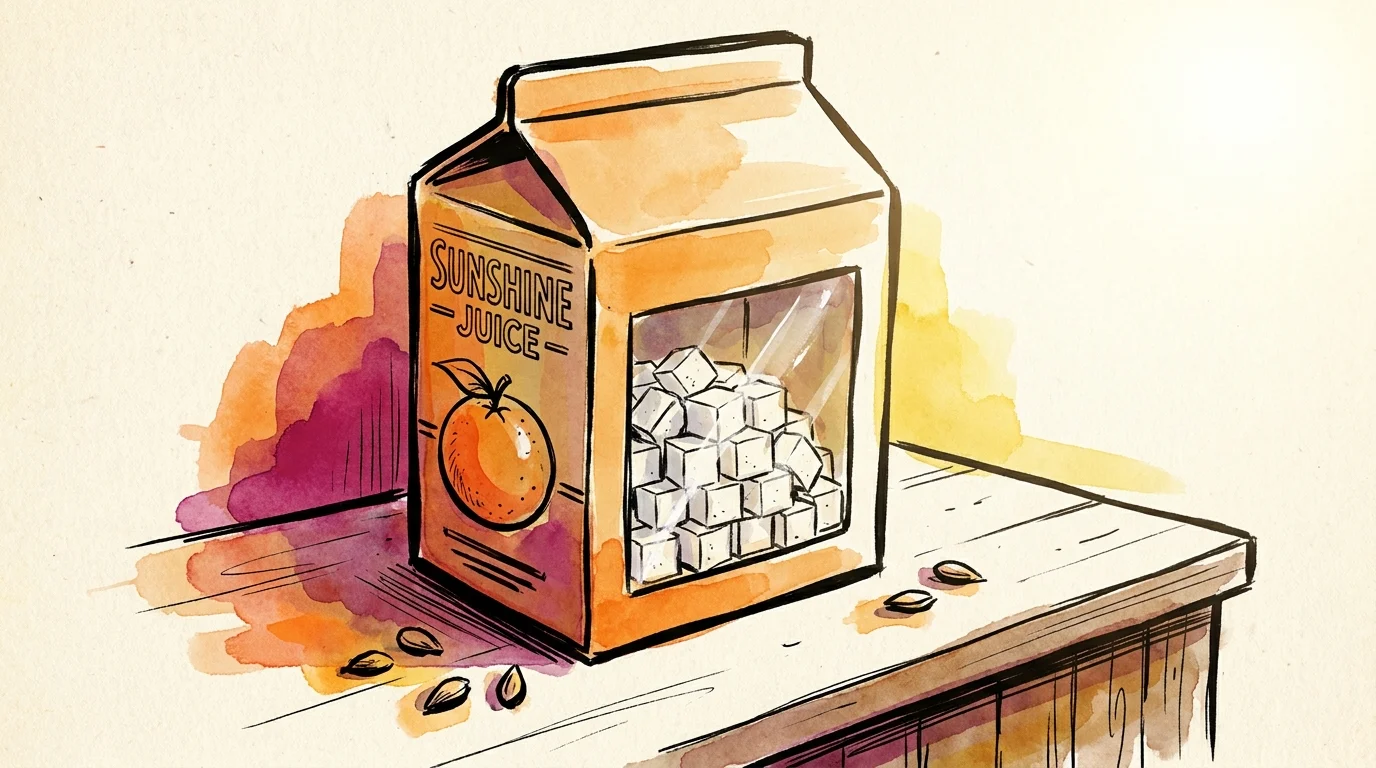
Commercial fruit juices often masquerade as healthy choices, but they usually lack the vital dietary fiber found in whole fruits. Without fiber to slow digestion, the high fructose content hits your bloodstream almost as quickly as regular soda. Additionally, certain juices—specifically grapefruit juice—block an important enzyme in your liver and intestines. This blockage prevents your body from properly breaking down dozens of common medications, including statins used to manage cholesterol. This interaction causes the medication to build up to toxic levels in your bloodstream.
Actionable Swap: Eat whole fruits to benefit from their natural fiber, which stabilizes your blood sugar and supports healthy digestion. When you want a flavored drink, infuse a pitcher of cold water with cucumber slices, crushed strawberries, and fresh mint.
4. Caffeinated Energy Drinks
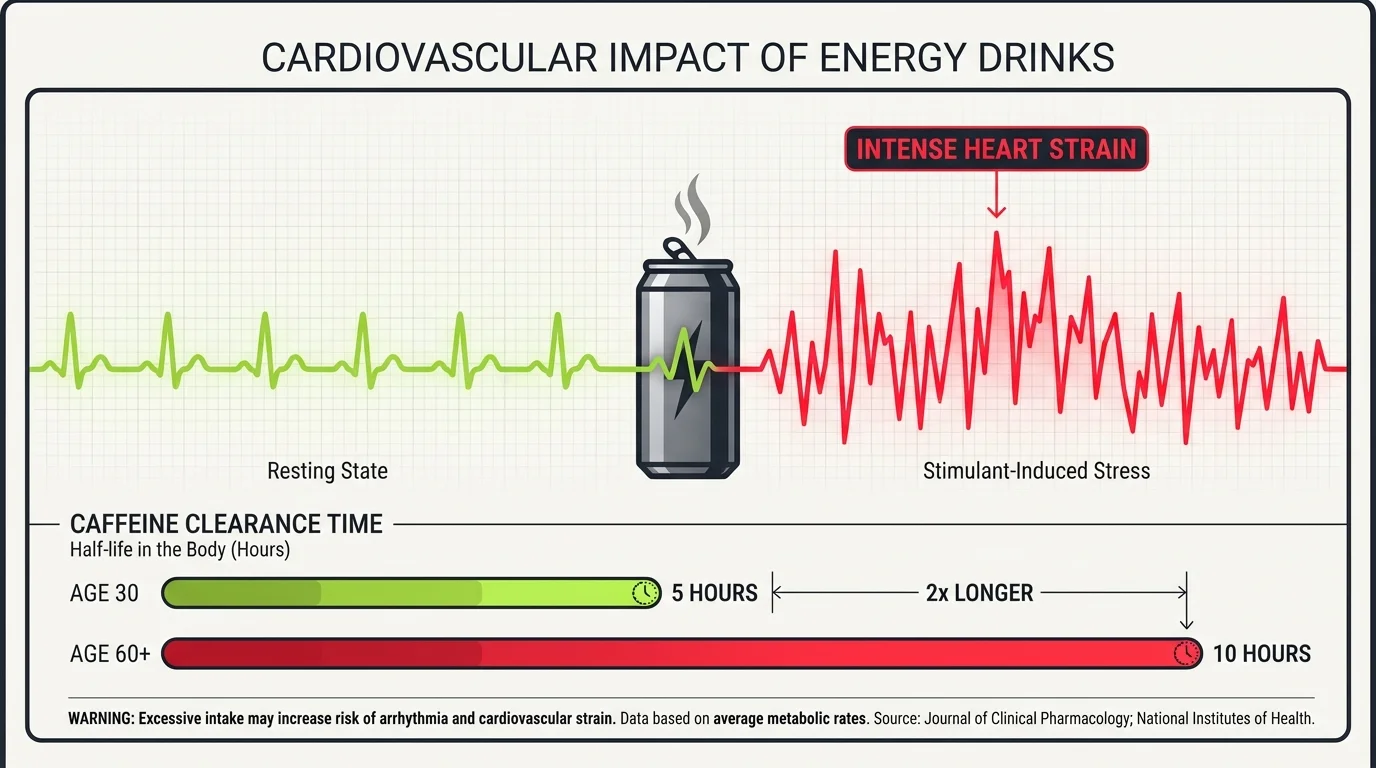
Energy drinks pack dangerously high levels of caffeine combined with extreme amounts of sugar and unregulated herbal stimulants like guarana. For older adults, this concentrated stimulant blend forces the heart to work much harder. It rapidly accelerates your heart rate and elevates your blood pressure, potentially triggering arrhythmias or palpitations. The massive dose of caffeine also stays in your system for many hours, aggressively interfering with your nighttime sleep cycle and leaving you feeling more exhausted the following day.
Actionable Swap: When you need a gentle afternoon energy boost, brew a cup of green tea. Green tea provides a modest, manageable amount of caffeine alongside L-theanine, an amino acid that promotes relaxed alertness without the severe jitters or heart palpitations.
5. Conventional Dairy Milk
While milk provides calcium, many adults naturally produce less lactase—the enzyme responsible for breaking down milk sugar—as they grow older. This creeping lactose intolerance turns a comforting glass of milk into a source of severe abdominal bloating, cramping, and unpredictable bowel habits. Continuing to consume heavy dairy when your body struggles to digest it creates unnecessary gastrointestinal inflammation and discomfort.
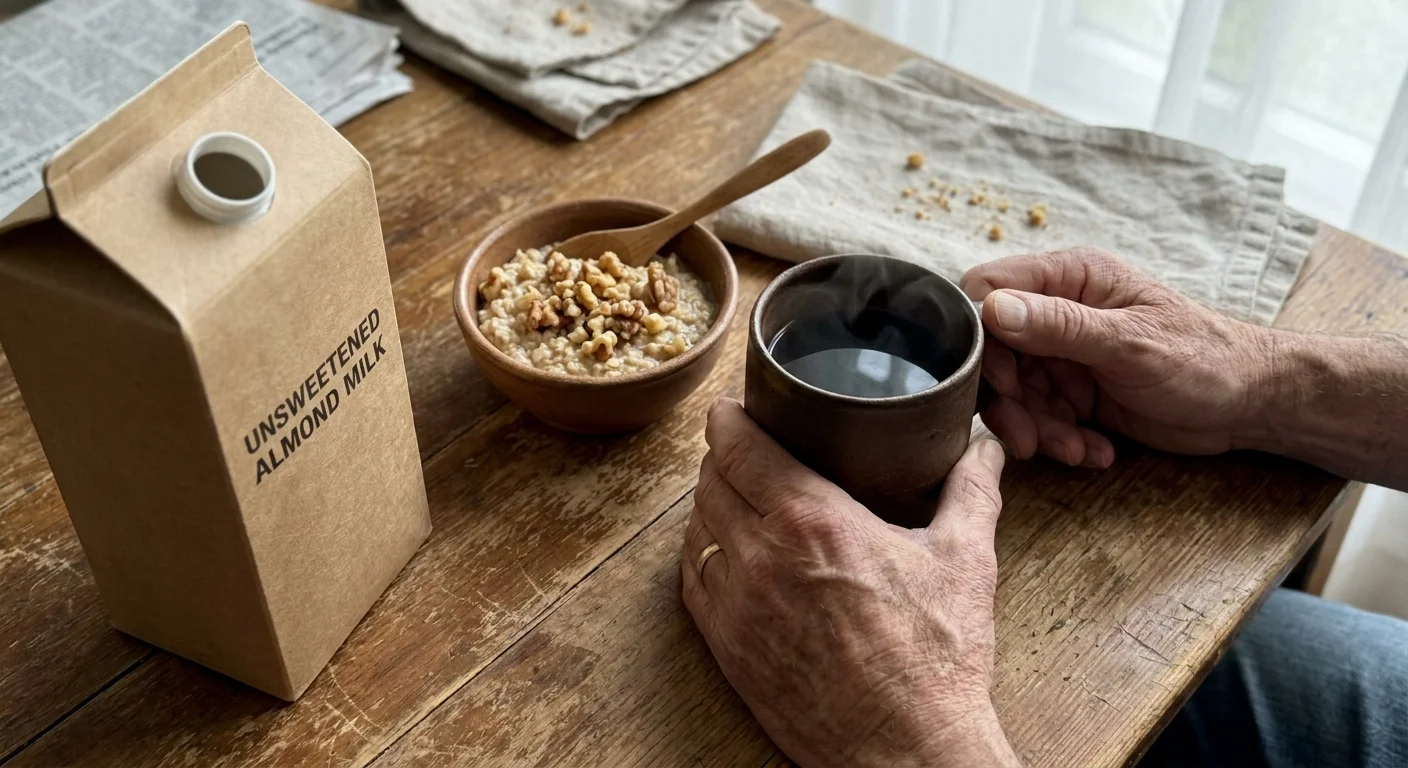
Actionable Swap: Transition to plant-based alternatives like fortified almond milk, oat milk, or soy milk. Look specifically for unsweetened varieties fortified with calcium and vitamin D to ensure you still properly support your bone health without upsetting your digestive tract.
6. Sweetened Iced Tea
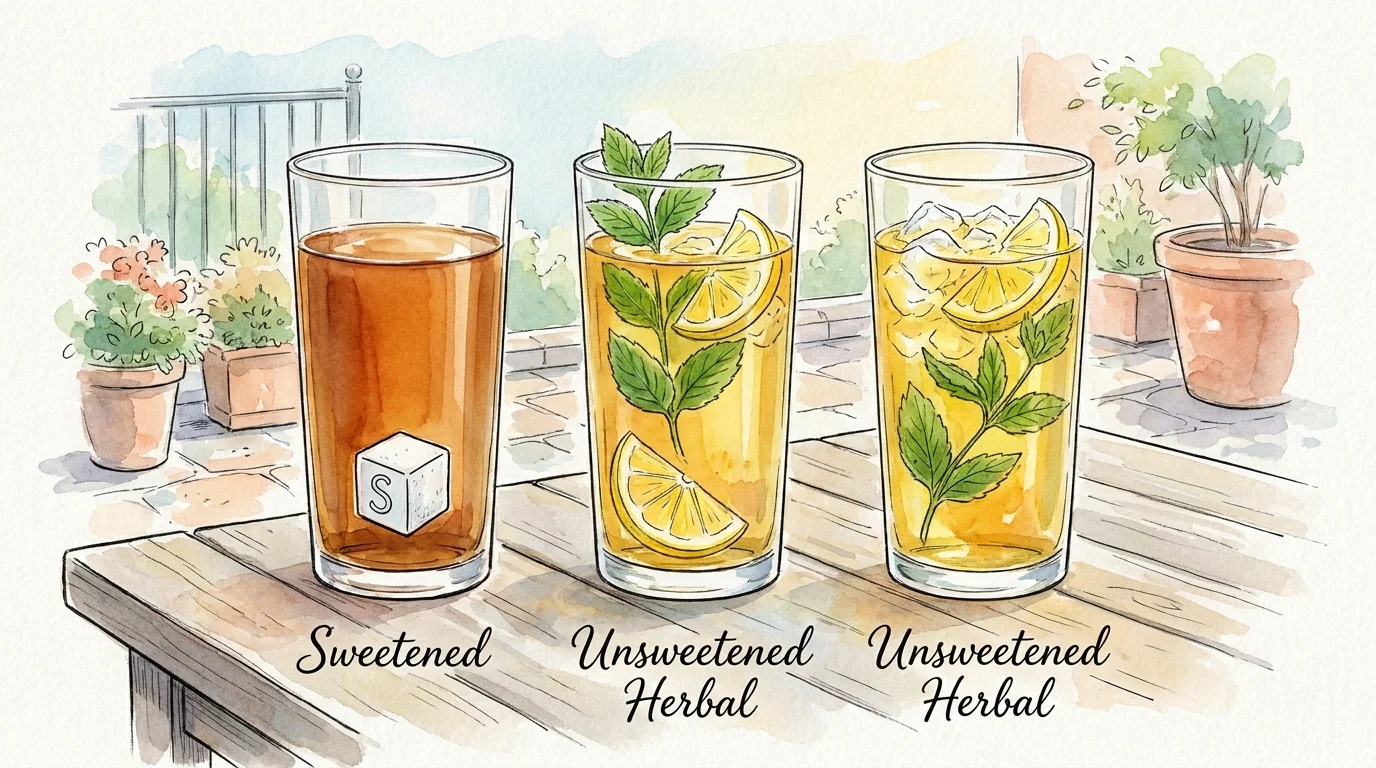
Sweet tea serves as a staple in many households, but it carries two significant health risks for seniors. First, restaurants and pre-packaged brands load these teas with staggering amounts of processed sugar. Second, black tea naturally contains high levels of oxalates. When you consume large quantities of oxalates over time, they bind with calcium in your kidneys to form painful kidney stones. As your kidney function naturally decreases, your risk of developing these stones multiplies.
Actionable Swap: Brew herbal teas that naturally lack oxalates and caffeine. Hibiscus tea offers a wonderfully tart, robust flavor and contains natural compounds that actively help manage blood pressure. Enjoy it chilled over ice without adding any refined sugar.
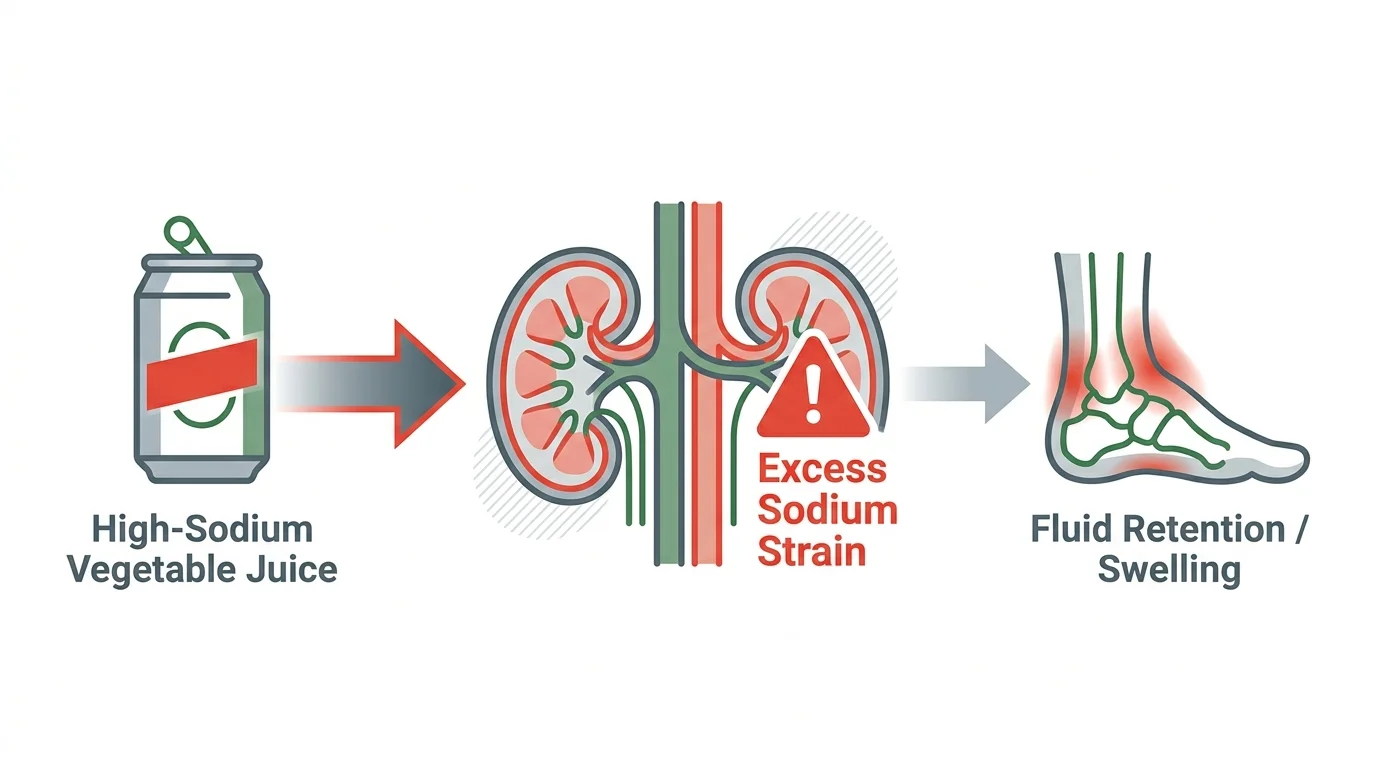
7. High-Sodium Vegetable Juices
Packaged vegetable blends appear incredibly nutritious on the label; however, manufacturers often preserve them with immense amounts of salt. A single glass can deliver more than half of your recommended daily sodium intake. Aging blood vessels lose some of their elasticity, making them highly sensitive to sodium. Flooding your system with liquid salt causes your body to retain water, forcing your heart to pump harder and driving your blood pressure to dangerous levels.
Actionable Swap: Purchase low-sodium or sodium-free versions of your favorite vegetable juices. Better yet, use a home blender to puree fresh tomatoes, celery, and a dash of black pepper. You maintain complete control over the ingredients and eliminate the hidden salt entirely.
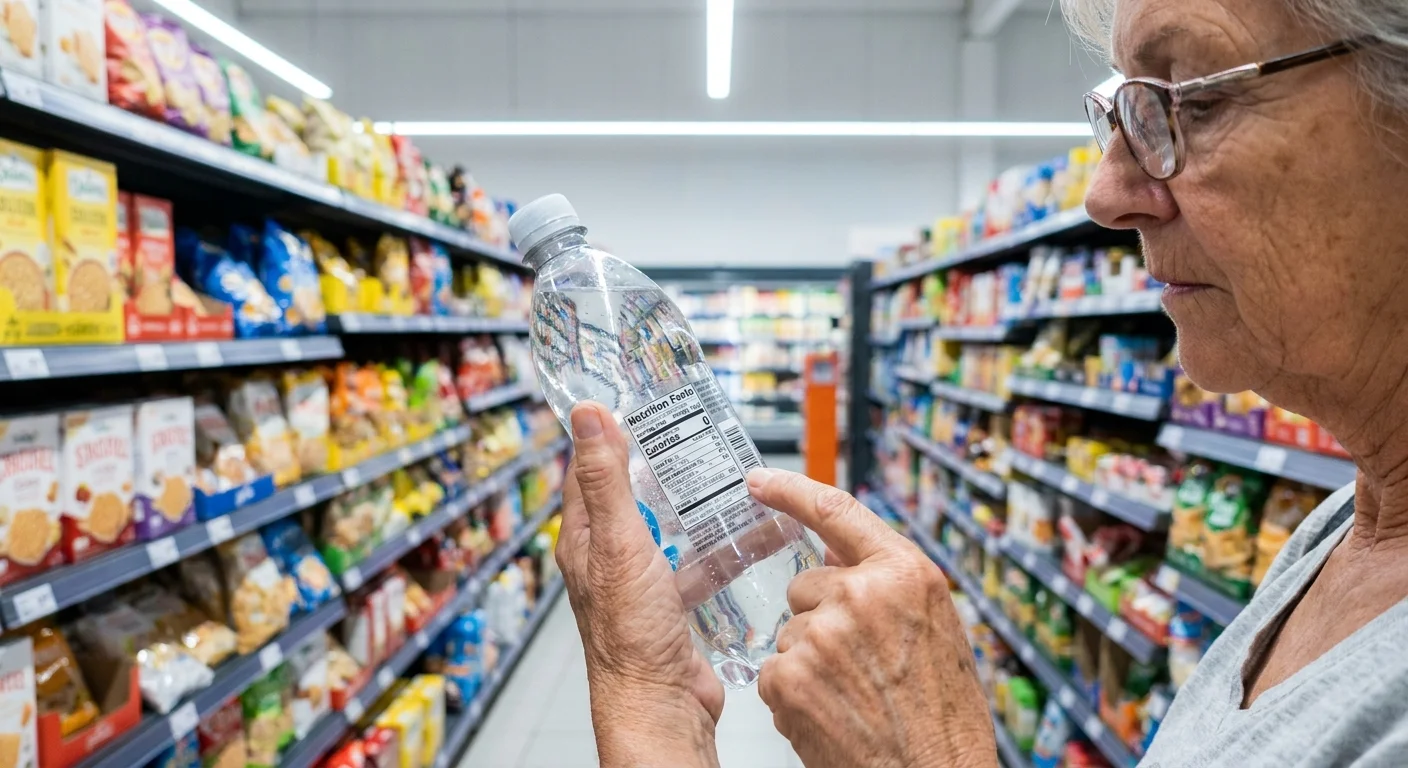
Important Safety Precautions to Keep in Mind
Proper hydration remains a cornerstone of excellent health, but you must approach your daily fluid intake with mindful caution. As you age, your natural thirst mechanism slowly diminishes. You might not feel thirsty even when your body desperately needs fluids, leading to chronic, low-grade dehydration. Dehydration causes fatigue, acute confusion, and urinary tract infections, which mimic more severe cognitive conditions.
While it is important to drink enough water, you must also avoid abruptly flooding your system if you have certain medical conditions. For example, if you manage congestive heart failure or advanced kidney disease, your body struggles to process excess fluids efficiently. Drinking too much liquid too quickly leads to fluid pooling in your lungs or lower extremities. Always balance your intake evenly throughout the day rather than chugging large amounts all at once.
Additionally, be wary of switching from sugary drinks directly to beverages loaded with artificial sweeteners. While they save you calories, some artificial sweeteners actively disrupt your fragile gut microbiome and confuse your body’s natural insulin response. Keep your dietary transitions gentle. Slowly dilute your juices or teas with water over several weeks to allow your taste buds and digestive system to naturally adjust to a less sweetened flavor profile.
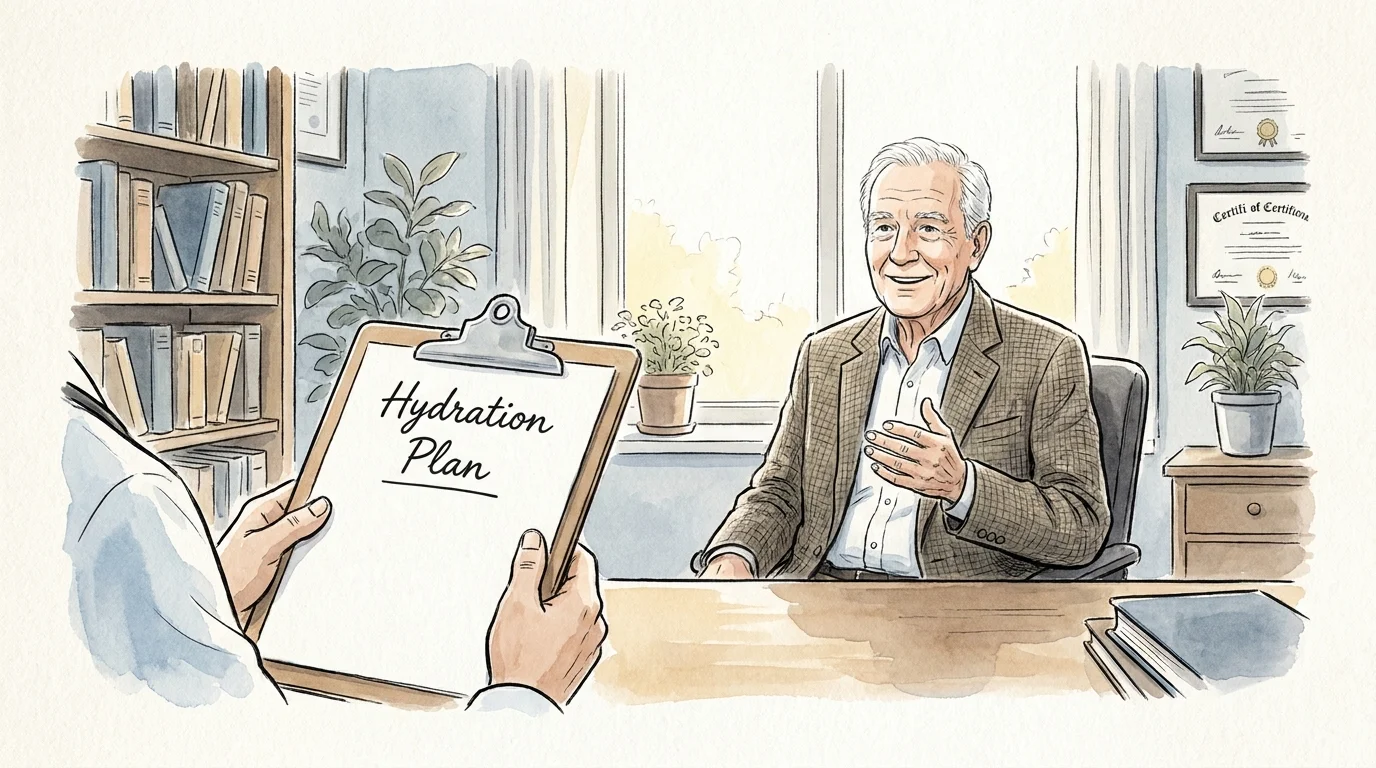
When to Speak with a Healthcare Professional
Your body sends clear signals when something requires professional attention. You must listen to these cues rather than dismissing them as normal signs of aging. If you notice a sudden, unexplained change in your weight, experience frequent heart palpitations after drinking your morning coffee, or suffer from chronic heartburn, you should immediately schedule an appointment with your doctor.
Pay close attention to your hydration status. If you experience spells of dizziness when standing up, notice your urine is consistently dark amber, or feel unusual bouts of confusion, seek medical care right away. These often indicate severe dehydration or an underlying kidney issue that requires a prompt professional evaluation.
Furthermore, whenever your physician prescribes a new medication, specifically ask them about beverage interactions. Bring up your regular consumption of alcohol, grapefruit juice, and caffeinated drinks. A simple conversation prevents dangerous chemical interactions and ensures your prescriptions function exactly as intended. Never alter your prescribed fluid restrictions without explicit approval from your medical provider.
Frequently Asked Questions
Why does coffee suddenly make me feel anxious and jittery when I used to drink it all day?
As you age, your liver processes and clears caffeine from your bloodstream much slower than it did in your youth. A cup of coffee that used to leave your system in a few hours now lingers, compounding with any subsequent cups you drink. This prolonged exposure overstimulates your central nervous system, leading to uncomfortable anxiety, tremors, and a racing heart. Try switching to decaf after your first morning cup to minimize these effects.
Can I still enjoy a glass of wine with my dinner?
Many older adults can safely enjoy an occasional glass of wine, but you must prioritize moderation and safety. Discuss your alcohol consumption directly with your doctor, as alcohol interacts with thousands of prescription medications. If you have a clean bill of health and take no conflicting medications, limit your intake to a single small glass, and always drink a full glass of water alongside it to stay hydrated.
Are artificial sweeteners a safe alternative to sugar in my daily drinks?
Artificial sweeteners eliminate the immediate blood sugar spike associated with refined sugar, but they carry their own set of complications. Emerging research suggests that certain chemical sweeteners negatively alter the beneficial bacteria in your gut, leading to digestive issues and potentially triggering sugar cravings later in the day. Use them sparingly, and lean toward naturally flavoring your beverages with fresh fruit slices or herbs instead.
How much water should I drink daily if I stop drinking these other beverages?
A general guideline suggests aiming for about eight 8-ounce glasses of water a day, but your specific needs depend heavily on your size, activity level, and medical history. If you take diuretics for blood pressure or have heart failure, your doctor will likely prescribe a strict daily fluid limit. Always ask your primary care physician for a personalized daily hydration goal tailored to your unique medical profile.
For authoritative, trustworthy health information, always consult official sources like the National Institute on Aging (NIA) and MedlinePlus from the National Library of Medicine. The CDC also provides excellent resources for older adults.
Disclaimer: This article is for informational purposes only and does not constitute medical advice. Always seek the advice of your physician or other qualified health provider with any questions you may have regarding a medical condition.