
Paying attention to subtle physical changes helps you catch potential health issues before they become serious problems. Your system constantly communicates with you through minor aches, changes in digestion, or shifts in energy, providing a personalized roadmap to better wellness. As we age, it becomes easy to dismiss these symptoms as just another normal part of getting older. True health awareness requires you to listen closely to these gentle warnings rather than brushing them aside. By tuning in to the quiet signals your body sends every day, you empower yourself to make proactive lifestyle choices and protect your long-term vitality. Learning to recognize these physical clues ensures you maintain your independence.
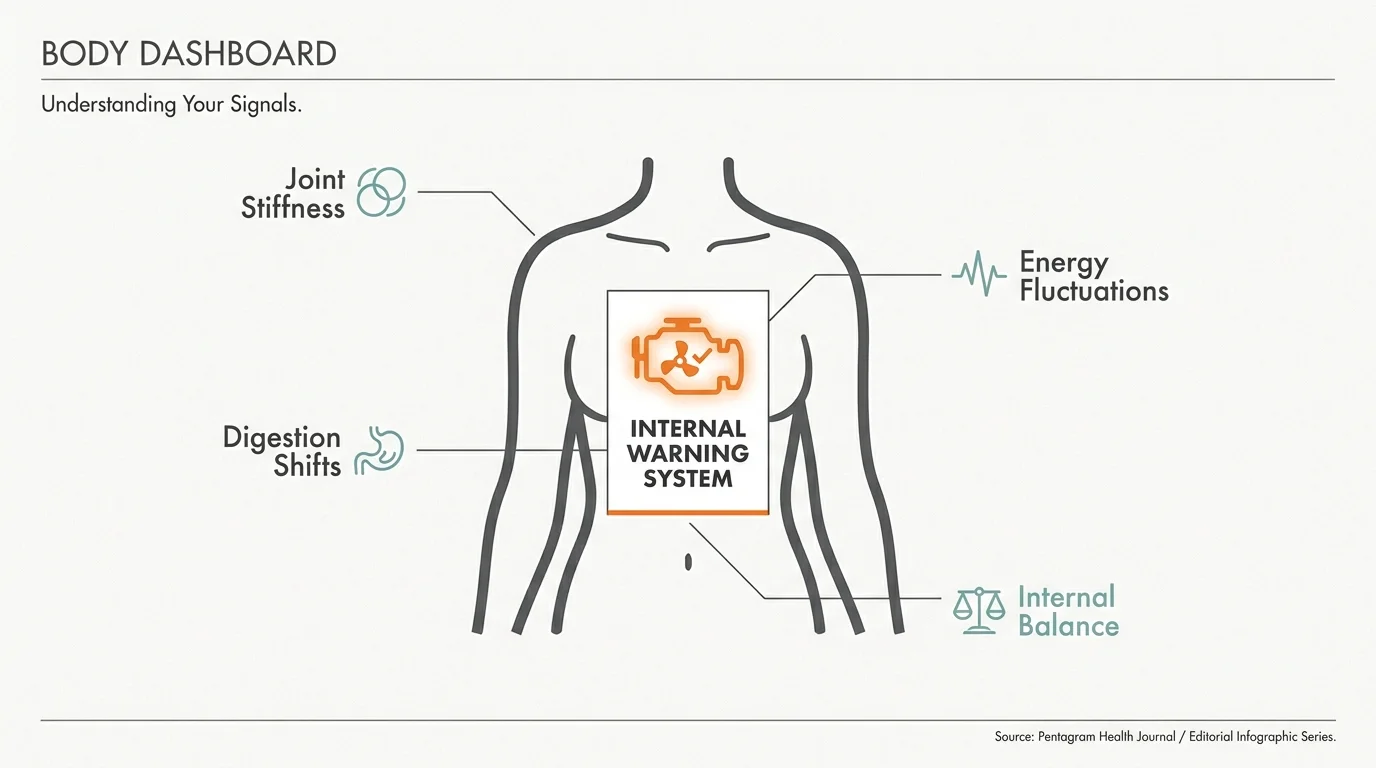
Understanding the Basics of 8 Body Signals People Often Ignore for Seniors
Older adults possess incredible resilience; you have lived through decades of varying life experiences and learned how to push through minor discomforts. However, this stoic approach to daily physical challenges sometimes works against your overall well-being. Your body functions as a highly complex, interconnected machine. Just like a vehicle dashboard illuminating a check-engine light, your internal systems flash distinct warning signs when something requires a medical tune-up. Recognizing these health symptoms does not mean you are complaining or dwelling on the negative.
Instead, proactive health awareness represents a profound form of self-care. When you acknowledge a subtle shift in how your joints feel in the morning or how your stomach reacts to your favorite meal, you gather valuable, actionable data. You can then use this specific information to adjust your daily routines, tweak your nutrition, or engage in targeted physical therapy. A truly holistic lifestyle relies heavily on this constant feedback loop between your body and your mind.
Rather than waiting for a minor ache to escalate into a debilitating condition, tuning in early allows you to make small, gentle course corrections. Understanding the basics of these body signals means learning the difference between standard aging—such as taking a little longer to recover from a long walk—and physiological warnings that indicate a disruption in your internal balance. Cultivating this awareness allows you to advocate effectively for your own health during doctor visits, ensuring you receive the best possible care for your unique situation.

Practical Tips for a Healthier, Happier Life
Your body rarely shouts when a problem first begins; instead, it whispers. Learning to translate these quiet physical whispers into actionable wellness strategies is the cornerstone of healthy aging. Below are eight specific body signals that older adults frequently overlook, along with practical steps you can take to address them.
1. Unexplained and Unintended Weight Loss
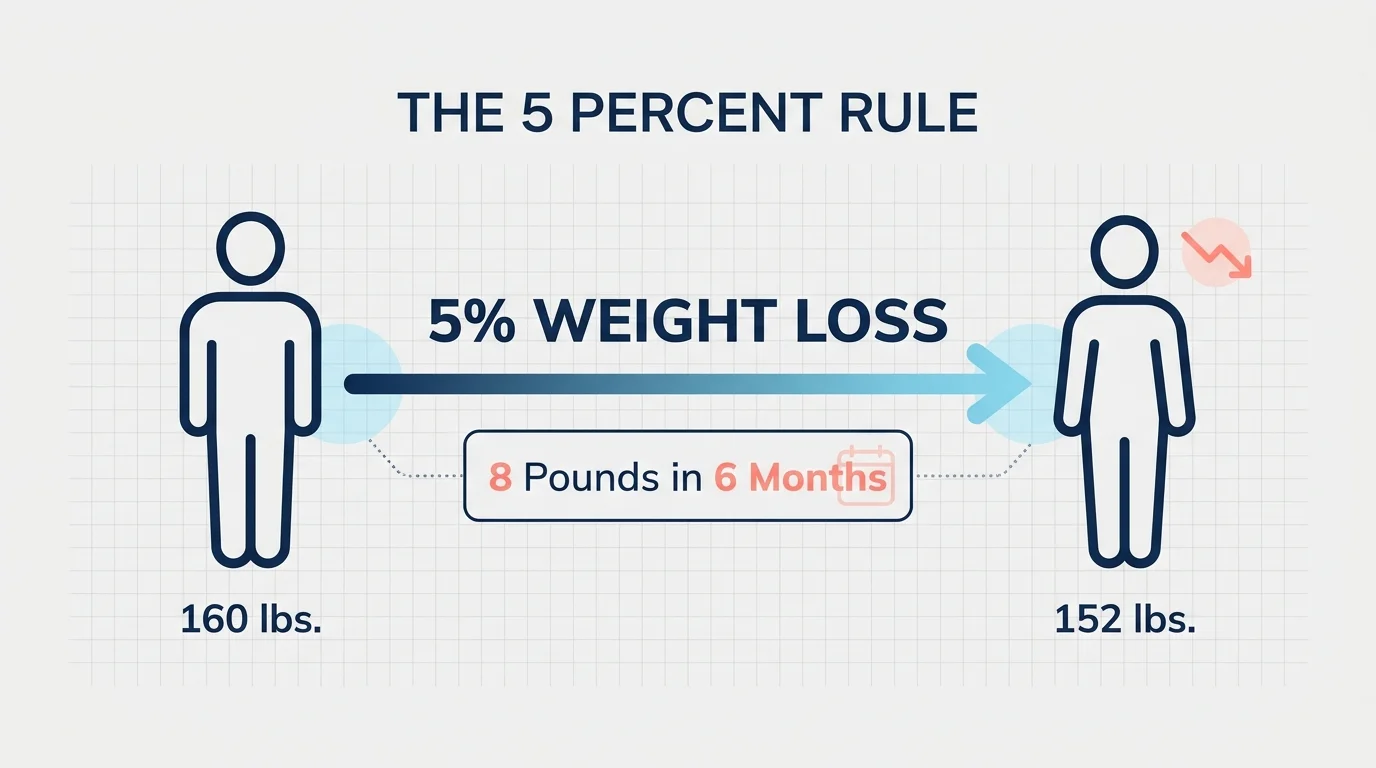
Losing a few pounds might seem like a welcome surprise, especially if you have not consciously changed your diet or exercise routine. However, dropping weight without effort serves as a critical body signal that demands your immediate attention. Medical professionals generally define unintended weight loss as losing five percent or more of your total body weight over a six-month period. For a 160-pound person, that means losing eight pounds without trying.
This subtle shift can indicate a variety of underlying issues, ranging from an overactive thyroid gland to hidden digestive tract problems that prevent your body from absorbing necessary nutrients. Sometimes, unintended weight loss stems from a naturally decreased sense of taste or smell. When food loses its flavor, eating becomes less enjoyable, naturally reducing your daily caloric intake without you even realizing it.
Practical Tip: Start keeping a simple daily food journal. Write down your meals and snacks to ensure you consume enough nutrient-dense foods like avocados, nuts, and lean proteins. Weigh yourself once a week—at the same time of day and in similar clothing—to establish an accurate baseline. If the downward trend continues for more than a month, share this exact weight data with your physician.

2. Chronic Dry Mouth and Unquenchable Thirst
Waking up with a parched mouth happens to everyone occasionally, particularly if you sleep in a dry climate or run a heater during the winter. Yet, persistent dry mouth—medically known as xerostomia—represents much more than a minor daily annoyance. Saliva acts as your mouth’s natural defense mechanism; it washes away food particles, neutralizes harmful acids, and contains vital enzymes that kickstart the digestive process.
A continuous lack of saliva dramatically increases your risk of severe tooth decay, gum disease, and painful oral infections. For older adults, chronic dry mouth frequently emerges as a side effect of taking multiple prescription medications. Drugs used to manage high blood pressure, overactive bladder, or mood disorders often dry out your mucous membranes. Additionally, unquenchable thirst paired with a dry mouth can serve as an early indicator of elevated blood sugar levels.
Practical Tip: Avoid relying solely on sugary lozenges or hard candies to stimulate saliva, as these will quickly accelerate tooth decay in a dry environment. Instead, sip water continuously throughout the day and explore over-the-counter, sugar-free saliva substitutes containing xylitol. Ask your pharmacist to review your current medication list to identify potential culprits.

3. Sudden Shifts in Bowel Habits
Your digestive tract acts as a highly sensitive barometer for your overall wellness. While everyone experiences the occasional bout of an upset stomach, sudden changes in your bathroom habits that persist for more than a few days send a clear message. Ignoring chronic constipation, persistent diarrhea, or noticeable changes in stool color can lead to severe complications.
As you age, your digestive system naturally slows down. A decrease in physical activity or a diet lacking sufficient fiber can easily cause constipation. However, alternating periods of constipation and diarrhea, or the sudden onset of profound bloating after meals, might indicate food intolerances, gut microbiome imbalances, or more serious gastrointestinal conditions.
Practical Tip: Track your fiber intake for a few days. Ensure you consume plenty of soluble fiber from sources like oats, beans, and apples, which help regulate bowel movements gently. Increase your water intake, as fiber requires adequate hydration to function properly in your gut. If your habits do not normalize within a week of adjusting your diet, schedule a check-up.

4. Alterations in Handwriting and Fine Motor Control
Most people rarely analyze their handwriting, but the way you form letters provides a direct window into your neurological health. If you notice your handwriting becoming progressively smaller, cramped, or difficult to read, your body is highlighting a decline in fine motor control. This specific symptom, known as micrographia, often serves as an early warning sign of Parkinson’s disease.
Handwriting changes do not solely point to neurological conditions; they can also indicate worsening arthritis in your hands, joint inflammation, or general muscle weakness. Ignoring these changes can eventually lead to difficulties with other daily tasks, such as buttoning shirts, tying shoelaces, or safely chopping vegetables.
Practical Tip: Find an old greeting card, a shopping list, or a journal entry you wrote a few years ago. Sit down today and copy the exact same text onto a new piece of paper. Compare the two samples side-by-side. If you notice a drastic reduction in letter size or a visible tremor, share these writing samples with your doctor. To maintain joint flexibility, practice daily hand stretches by gently opening and closing your fists.
5. Persistent Brain Fog and Mild Confusion
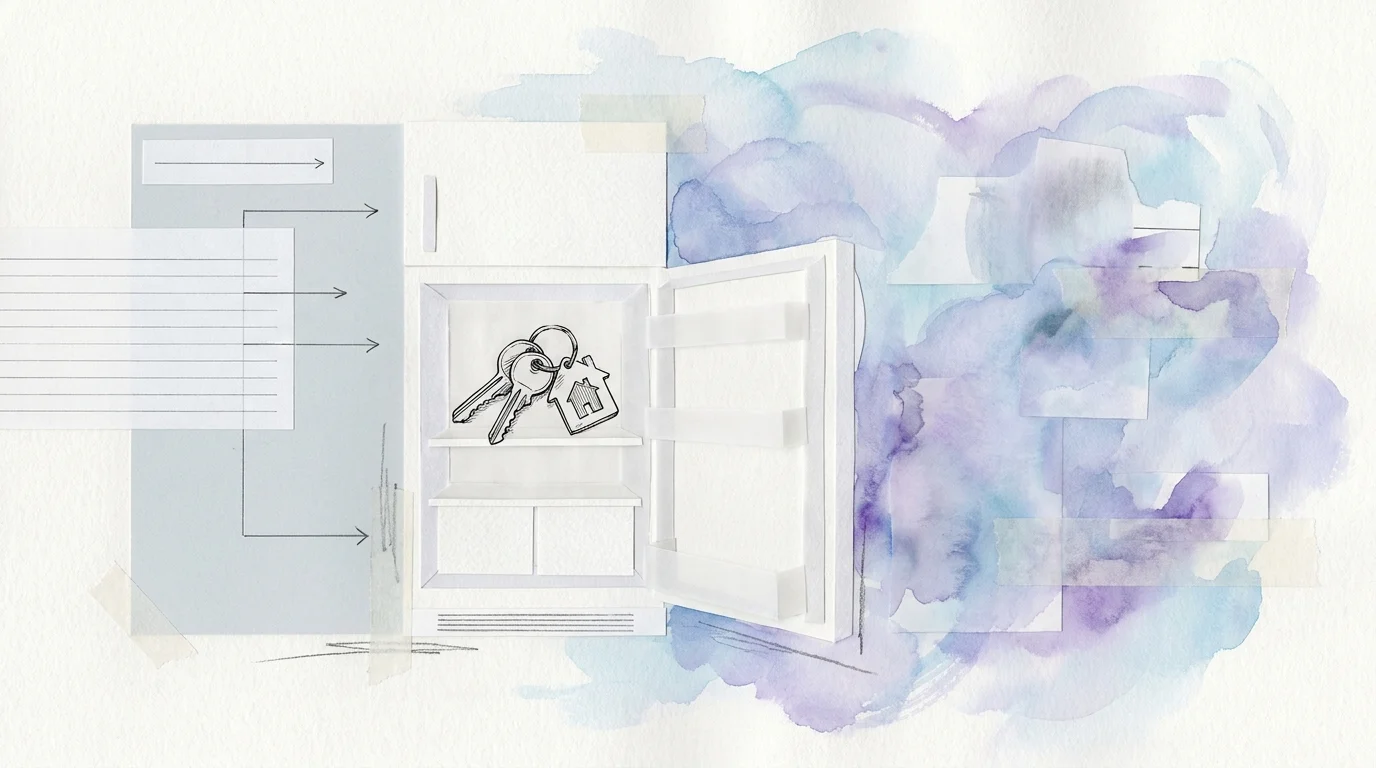
Experiencing a momentary memory lapse—like forgetting where you placed your reading glasses—happens to people of all ages. However, persistent brain fog feels entirely different. If you consistently struggle to concentrate, lose your train of thought mid-sentence, or feel a heavy, cloudy sensation in your mind, your body requires immediate support.
Older adults frequently dismiss brain fog as an inevitable sign of cognitive decline. In reality, sudden confusion or mental cloudiness often stems from highly treatable physical sources. A hidden urinary tract infection (UTI), a vitamin B12 deficiency, poor sleep architecture, or mild dehydration can all drastically impair your cognitive function within a matter of days.
Practical Tip: Evaluate your daily hydration and nutrition first. Ensure you consume foods rich in vitamin B12, such as eggs, fortified cereals, or nutritional yeast. Prioritize your sleep hygiene by keeping your bedroom cool, dark, and strictly dedicated to rest. If the mental cloudiness persists despite these lifestyle adjustments, ask your doctor for a standard blood panel and a routine urinalysis.

6. Unrelenting, Heavy Fatigue
Feeling tired after a busy weekend spent chasing after grandchildren makes perfect sense. Unrelenting fatigue, on the other hand, hits you even when you have done nothing strenuous. This profound, whole-body exhaustion makes simple tasks like taking a shower or preparing a meal feel like climbing a mountain.
Chronic fatigue signals that your body is working overtime to manage an unseen burden. This could mean your heart is pumping less efficiently, your thyroid gland is underproducing vital hormones, or your iron levels have plummeted, resulting in anemia. Additionally, undiagnosed sleep apnea frequently causes daytime exhaustion by repeatedly interrupting your breathing and preventing deep, restorative sleep.
Practical Tip: Practice gentle pacing throughout your day; do not force yourself to push through periods of extreme exhaustion. Keep a notebook detailing when your energy dips the most. Ask your partner if you snore loudly or gasp for air during the night. If you suspect your sleep quality is poor, discuss the possibility of a sleep study with your primary care provider.
7. Slow-Healing Wounds and Skin Changes
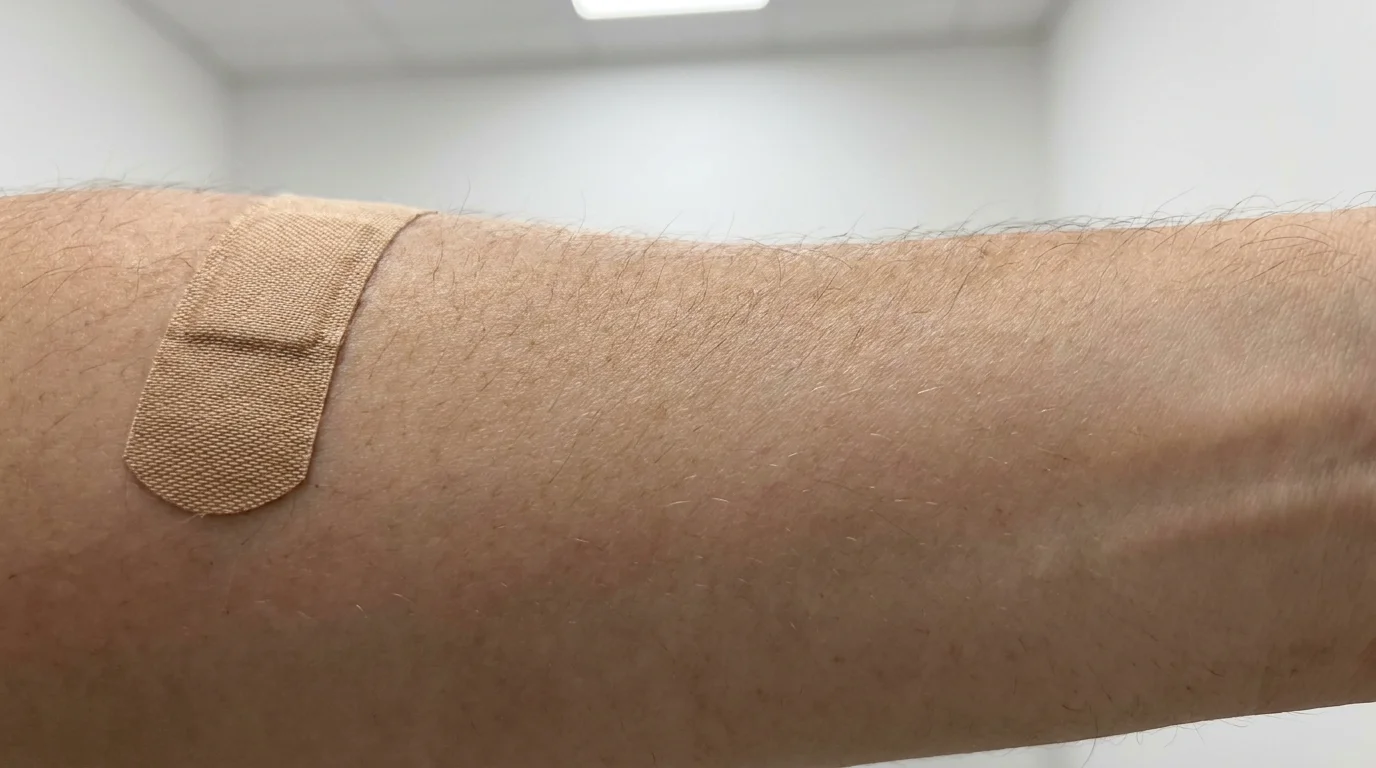
Your skin serves as your body’s largest organ—a crucial protective barrier against the outside world. As you age, your skin naturally becomes thinner and loses some of its elasticity. However, if you notice that minor paper cuts, scrapes, or bruises take weeks to heal, your body is highlighting a systemic issue.
Delayed wound healing often points to poor blood circulation or elevated blood sugar levels associated with diabetes. When your circulation slows down, vital nutrients and oxygen cannot reach the site of an injury fast enough to repair the tissue. Furthermore, sudden changes in skin texture, extreme localized itchiness, or the appearance of dark, irregular patches require professional evaluation.
Practical Tip: Get into the habit of performing a brief full-body skin check after your weekly shower. Pay close attention to your lower legs and the bottoms of your feet, as circulation issues frequently manifest there first. Apply a thick, unscented moisturizer to damp skin to prevent cracking, and immediately clean and bandage even the smallest scrapes to prevent infection.
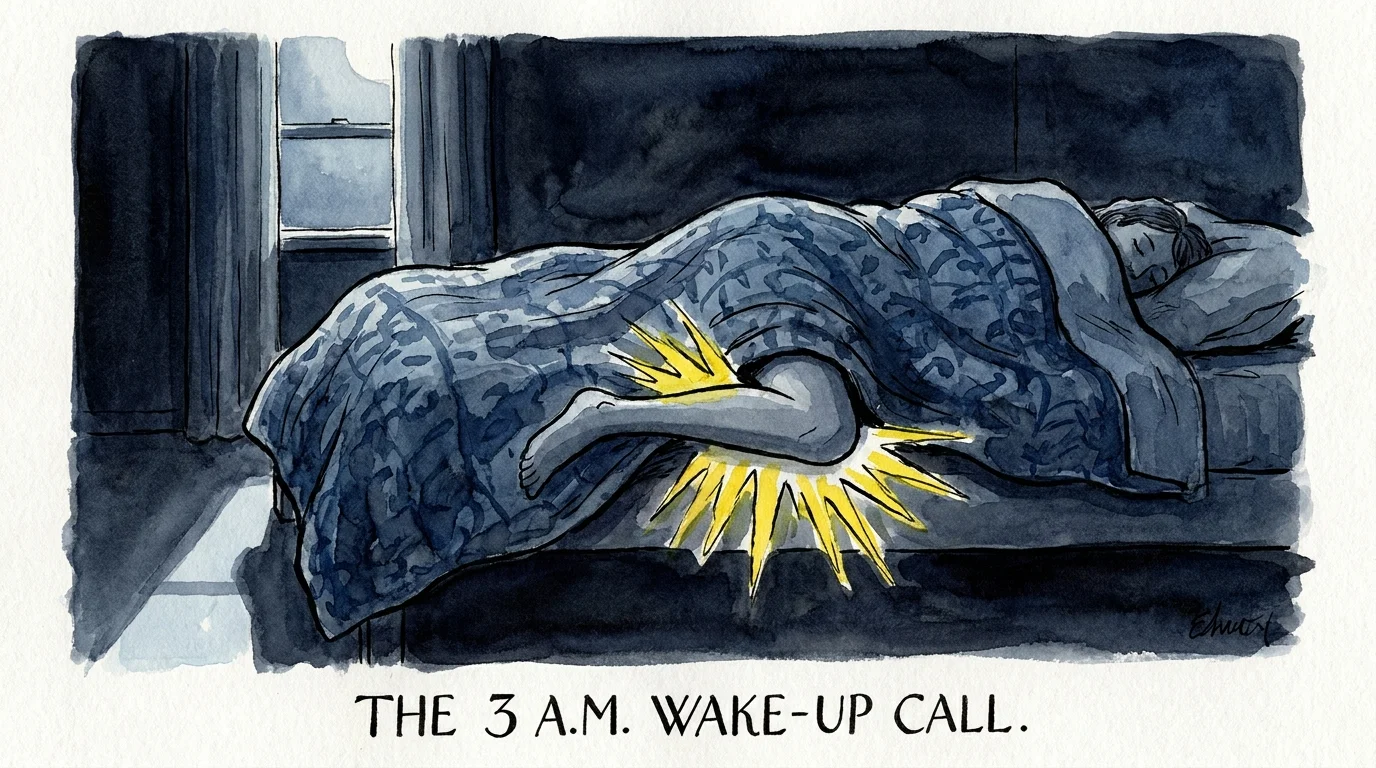
8. Frequent Muscle Cramps and Nighttime Spasms
Waking up in the middle of the night with a sudden, agonizing cramp in your calf disrupts your rest and leaves your muscles aching for days. While an occasional “charley horse” is normal, experiencing frequent, painful muscle spasms indicates a chemical or circulatory imbalance.
Muscle cramps often stem from chronic dehydration or a lack of essential electrolytes like potassium, magnesium, and calcium. Certain medications, particularly diuretics prescribed for high blood pressure, actively flush these crucial minerals out of your system. In other cases, cramping in your legs while walking might signal peripheral artery disease, a condition where narrowed blood vessels reduce blood flow to your limbs.
Practical Tip: Increase your dietary intake of potassium and magnesium by incorporating foods like sweet potatoes, spinach, and bananas into your meals. Drink a full glass of water an hour before bed. If you frequently cramp at night, spend five minutes doing gentle calf stretches against a wall before you go to sleep to loosen the muscle fibers.
Important Safety Precautions to Keep in Mind
While paying close attention to your body signals greatly enhances your health awareness, you must balance this vigilance with a calm, rational mindset. Fixating on every minor twitch, grumble, or ache can quickly lead to health anxiety, a condition where the stress of worrying about your health actually creates new physical symptoms, such as elevated blood pressure and an accelerated heart rate.
Avoid the temptation to self-diagnose your symptoms using internet search engines. Online symptom checkers frequently list the most severe, worst-case scenarios first, which needlessly triggers panic. Use the information you gather about your body solely as a communication tool for your doctor, rather than a definitive diagnostic verdict.
Furthermore, do not attempt to self-treat persistent symptoms with random dietary supplements or drastic lifestyle overhauls without professional guidance. For example, taking a high-dose potassium supplement to cure a leg cramp can dangerously interact with certain heart medications. Always approach lifestyle changes gently, focusing on fundamental wellness pillars like balanced nutrition, adequate hydration, and moderate daily movement.

When to Speak with a Healthcare Professional
The guidance provided in this article highlights the importance of recognizing subtle shifts in your daily well-being; however, this information is not a substitute for professional medical advice. A qualified healthcare provider possesses the clinical tools and expertise necessary to look at your entire health history, conduct appropriate testing, and provide a safe, accurate diagnosis.
You should immediately contact emergency medical services or seek urgent care if you experience any acute red-flag symptoms. These critical warning signs include sudden, crushing chest pressure, difficulty catching your breath while resting, sudden numbness or drooping on one side of your face, a thunderclap headache, or an unexpected loss of vision. These severe symptoms require rapid, specialized medical intervention.
For the more subtle body signals discussed earlier—such as persistent fatigue, changing bowel habits, or unexplained weight loss—schedule a standard appointment with your primary care physician. Bring your symptom journal, a list of your current medications, and a timeline of when the changes first began. Clear, organized documentation helps your doctor connect the dots and design an effective, personalized treatment plan.
Frequently Asked Questions
How do I know if a symptom is just normal aging or something more serious?
Normal aging typically involves slow, gradual changes, such as needing slightly more light to read or experiencing mild joint stiffness after sitting for a long time. These shifts usually do not severely disrupt your daily life. A symptom becomes a serious warning sign when it appears suddenly, worsens rapidly over a short period, or actively prevents you from participating in your normal activities. When in doubt, it is always safer to have a quick conversation with your doctor rather than ignoring the discomfort.
Should I keep a daily journal of my physical changes?
Yes, keeping a health journal serves as one of the most effective ways to track subtle body signals. You do not need to write pages of detailed notes; simply jot down brief observations about your energy levels, sleep quality, and any noticeable aches. Documenting these details helps you identify patterns over time. This written record also proves invaluable during medical appointments, as it prevents you from forgetting important details when speaking with your physician.
Can simple lifestyle changes really reverse these warning signs?
Absolutely. Many subtle health symptoms act as early indicators of lifestyle imbalances rather than irreversible diseases. Improving your daily hydration can quickly resolve mild brain fog and muscle cramps. Adjusting your diet to include more fiber can completely normalize your bowel habits. While lifestyle changes cannot cure every medical condition, they form the crucial foundation of your overall wellness and significantly enhance the effectiveness of any prescribed medical treatments.
Why do my daily medications sometimes change how I feel physically?
Medications actively alter the chemical processes within your body to treat specific conditions. As your metabolism naturally slows down with age, your body takes longer to process and clear these medications from your system. This slower processing time can lead to a buildup of the drug, resulting in new side effects like chronic dry mouth, dizziness, or heavy fatigue. Always report any new physical feelings to your doctor, as they can often adjust your dosage or switch your prescription to eliminate the discomfort.
For authoritative, trustworthy health information, always consult official sources like the National Institute on Aging (NIA) and MedlinePlus from the National Library of Medicine. The CDC also provides excellent resources for older adults.
Disclaimer: This article is for informational purposes only and does not constitute medical advice. Always seek the advice of your physician or other qualified health provider with any questions you may have regarding a medical condition.