
Making small adjustments to your morning meal choices dramatically reduces joint pain, fatigue, and cognitive fog caused by hidden inflammation. Many seemingly healthy breakfast options secretly trigger your body’s immune response, accelerating the aging process and undermining your daily energy. As we age, our bodies become less efficient at processing refined sugars and artificial additives, leading to a state of chronic, low-grade inflammation. By identifying and swapping out these sneaky inflammatory culprits, you protect your long-term wellness and start each day with genuine vitality. Simply replacing a few popular morning staples with nutrient-dense alternatives empowers you to reclaim your health and enjoy a more active, comfortable lifestyle without feeling deprived.

Understanding the Basics of Inflammation and Breakfast Foods for Seniors
To make the best choices for your morning routine, you first need to understand how your body reacts to the foods you eat. Inflammation is a natural and necessary function of your immune system. When you cut your finger or catch a cold, your body sends inflammatory cells to attack the bacteria and heal the damaged tissue. This type of acute inflammation is a lifesaver. However, when your immune system constantly releases inflammatory markers without an actual injury or infection to fight, you enter a state of chronic inflammation. This systemic, low-grade immune response silently damages healthy cells, blood vessels, and joint tissues over time.
For older adults, understanding chronic inflammation is an essential component of senior health. Medical experts often refer to the gradual increase in chronic inflammation that occurs as we get older as “inflammaging.” This heightened inflammatory state is linked to joint stiffness, memory issues, cardiovascular concerns, and a general feeling of morning fatigue. Your body’s ability to swiftly process blood sugar and artificial ingredients declines with age, meaning the foods that gave you energy in your thirties might now be slowing you down.
Your morning meal breaks the overnight fast and sets the metabolic tone for the rest of your day. Eating a breakfast high in refined carbohydrates or unhealthy fats forces your pancreas into overdrive, producing excess insulin to manage the sudden spike in blood sugar. This biological roller coaster not only leaves you feeling lethargic by mid-morning but also triggers a cascade of inflammatory chemicals throughout your bloodstream. Cultivating anti-inflammatory nutrition habits early in the day gives your body the stable, sustained energy it needs to thrive.

Practical Tips for a Healthier, Happier Life
Adjusting your morning menu does not mean sacrificing flavor or eating foods you dislike. It simply requires a mindful approach to ingredient selection. Many popular morning items are marketed as health foods but actually contain hidden sugars and processed fats. By recognizing these inflammation foods and making simple, satisfying swaps, you can dramatically improve your daily wellness. Here are eight common breakfast foods to watch out for, along with delicious alternatives.

1. Flavored and Fruit-on-the-Bottom Yogurts
Yogurt is widely celebrated for its probiotics and calcium content; however, the flavored varieties lining grocery store shelves are often closer to desserts than balanced breakfasts. A single serving of fruit-on-the-bottom or vanilla-flavored yogurt can contain upwards of twenty grams of added sugar. When you consume this much refined sugar on an empty stomach, your liver struggles to process the rapid influx of fructose. This struggle prompts the liver to release pro-inflammatory cytokines into your bloodstream. Furthermore, excessive sugar feeds the harmful bacteria in your gut microbiome, creating an imbalance that drives further systemic inflammation.
Instead of relying on pre-sweetened options, choose plain, unsweetened Greek yogurt. Greek yogurt provides a substantial amount of high-quality protein, which helps maintain muscle mass and stabilizes your blood sugar throughout the morning. To add natural sweetness and an extra dose of antioxidants, stir in half a cup of fresh or frozen blueberries, a dash of cinnamon, and a spoonful of chia seeds. This simple switch transforms an inflammatory trap into a powerful, gut-healing meal.

2. Processed Breakfast Meats
Bacon, sausage links, and cured ham are weekend breakfast staples for many, but they are incredibly tough on an aging body. These processed meats are loaded with saturated fats, high levels of sodium, and synthetic preservatives like nitrates. More importantly, when these meats are cooked at high temperatures until crispy, they form compounds known as Advanced Glycation End-products, or AGEs. Your body naturally produces a small number of AGEs, but introducing a massive amount through your diet overwhelms your system, causing significant oxidative stress and inflammation in your cells.
If you crave a savory, protein-rich breakfast, you have excellent alternatives that support your longevity. Consider replacing processed meats with farm-fresh, pasture-raised eggs. Eggs are naturally rich in choline and, when sourced well, contain anti-inflammatory omega-3 fatty acids. If you prefer meat, opt for lean slices of roasted turkey or a serving of smoked salmon. Salmon provides an exceptional boost of marine omega-3s, which are scientifically proven to lower inflammatory markers and support cognitive health.

3. Refined Carbohydrate Cereals
The cereal aisle is a minefield of misleading health claims. Many boxed cereals touting whole grains and essential vitamins undergo a severe manufacturing method called extrusion. This intense heat and pressure process destroys much of the natural fiber and alters the structure of the grains. As a result, even plain-looking flake cereals possess a high glycemic index. Eating them causes a rapid surge in your blood sugar, followed by a sharp crash. Relying on these boxes is one of the most common breakfast mistakes older adults make when trying to eat healthily.
To secure sustained energy and protect your blood vessels from sugar-induced inflammation, pivot to minimally processed grains. Steel-cut oats or traditional rolled oats are fantastic choices. Unlike extruded cereals, oats contain a specific type of soluble fiber called beta-glucan. Beta-glucan slows down digestion, ensures a steady release of glucose into your bloodstream, and promotes a healthy gut environment. Preparing a warm bowl of oatmeal topped with sliced almonds and crisp apples provides a comforting, anti-inflammatory start to your day.

4. Commercial Bagels and White Bread
A toasted bagel with cream cheese or a slice of white toast with jam might seem like a gentle, easy-to-digest breakfast. Unfortunately, commercial white flour is entirely stripped of the wheat germ and bran during the milling process. The germ and bran contain all the fiber, vitamins, and minerals. What remains is a simple starch that your digestive system instantly converts into glucose. Eating a large commercial bagel produces the exact same inflammatory insulin response as eating a pile of table sugar.
You do not need to give up toast entirely to protect your joints and energy levels. Sprouted grain breads and authentic sourdough are wonderful, anti-inflammatory alternatives. The sprouting process breaks down enzyme inhibitors, making the nutrients in the wheat much easier for your body to absorb. Sourdough undergoes a natural fermentation process that significantly lowers its glycemic index. Top a slice of sprouted toast with mashed avocado—a fantastic source of heart-healthy monounsaturated fats—for a deeply nourishing morning meal.
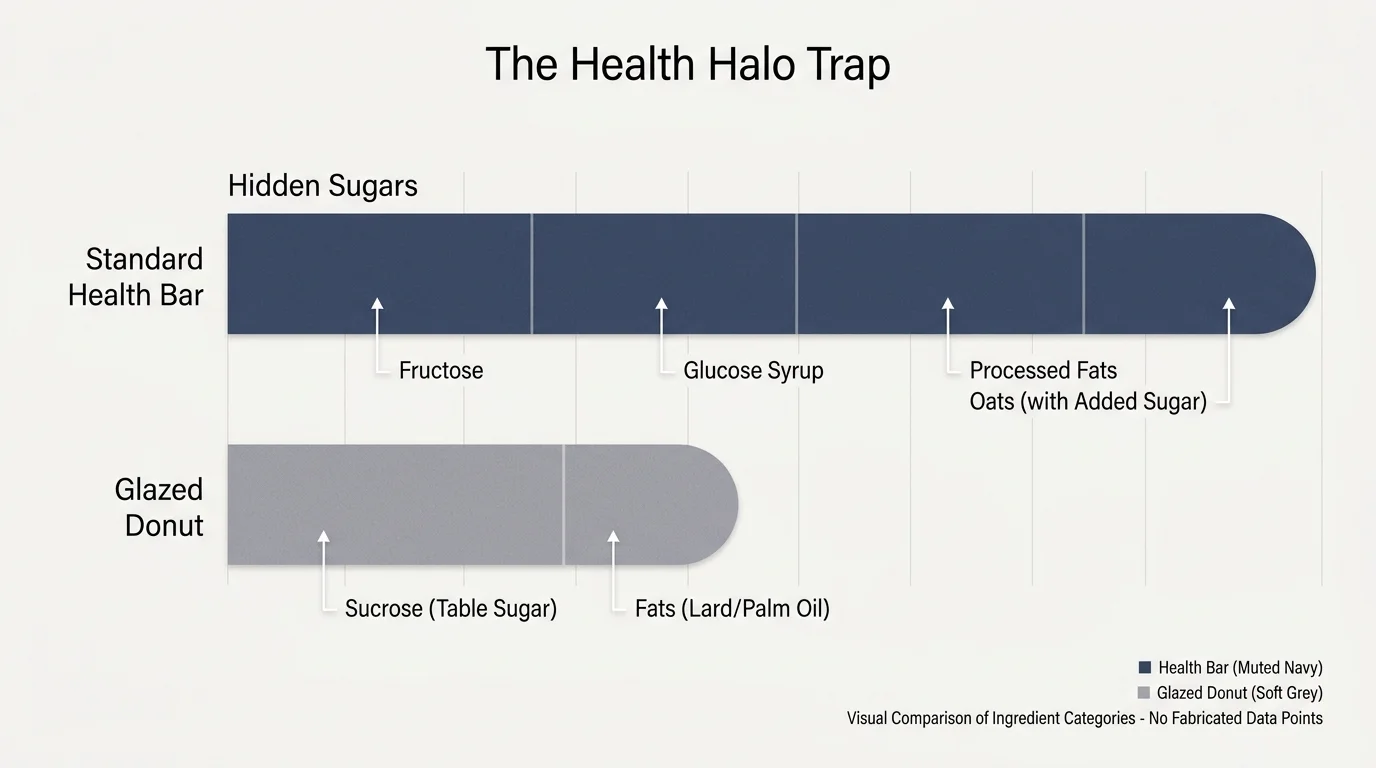
5. Store-Bought Granola and Breakfast Bars
Granola bars and breakfast biscuits are convenient when you have a busy morning schedule, but they are often highly processed convenience foods disguised as health products. To keep the oats and crisps stuck together, manufacturers rely on heavy binding agents like brown rice syrup, corn syrup, and industrial seed oils. Oils such as soybean, sunflower, and canola oil contain very high levels of omega-6 fatty acids. While you need a small amount of omega-6s to survive, the modern diet provides an extreme excess. This imbalance between omega-6 and omega-3 fatty acids directly fuels chronic inflammation.
When you need a quick, portable breakfast, look to whole foods that do not require an ingredient label. A handful of raw walnuts paired with a piece of whole fruit, such as a pear or a banana, provides the perfect blend of natural energy and healthy fats. Walnuts are particularly beneficial because they are one of the few nuts that provide a robust amount of plant-based omega-3s, helping to cool systemic inflammation while keeping you full until lunch.

6. Margarine and Artificial Butter Spreads
For decades, health authorities advised the public to replace natural butter with margarine to avoid saturated fats. We now understand that this advice inadvertently introduced a host of artificial, highly inflammatory fats into our daily diets. While many brands have eliminated artificial trans fats, modern margarines are still heavily emulsified blends of highly refined vegetable oils, artificial colors, and synthetic flavorings. These chemically altered fats incorporate themselves into your cellular membranes, causing cellular dysfunction and promoting a constant state of mild inflammation.
Embracing natural, minimally processed fats is a much safer approach to senior health. If you enjoy a spread on your morning toast, use a modest amount of real, grass-fed butter. Grass-fed butter contains butyrate, a short-chain fatty acid that actively reduces inflammation in the digestive tract. Alternatively, a light drizzle of extra virgin olive oil or a spread of pure almond butter delivers exceptional flavor alongside a wealth of protective antioxidants.

7. Sweetened Coffee Pastries and Muffins
Stopping at the local coffee shop for a blueberry muffin or a glazed scone is a beloved ritual, but it represents a perfect storm of inflammatory ingredients. Commercial pastries combine refined white flour, excessive amounts of sugar, and poor-quality baking oils into one dense package. Consuming this trifecta of inflammatory triggers first thing in the morning guarantees a spike in cortisol and insulin. Over time, the regular consumption of commercial pastries contributes heavily to joint pain, abdominal weight gain, and sluggish cognitive function.
If you love having a baked good with your morning coffee, try baking a batch of wholesome oatmeal cups at home. By using almond flour, rolled oats, mashed bananas for sweetness, and a touch of coconut oil, you can create a delicious pastry replacement. Baking at home allows you to control exactly what goes into your body, completely eliminating the preservatives and refined sugars that drive chronic inflammation.

8. Flavored Coffee Creamers and Syrups
Coffee itself is a brilliant source of antioxidants and has been shown to support brain health as we age; the danger lies entirely in what you pour into your mug. Commercial flavored coffee creamers rarely contain any real dairy. They are primarily composed of water, sugar, hydrogenated oils, and thickening gums. Starting your day with a pump of artificial caramel syrup or a splash of hazelnut creamer delivers a rapid dose of liquid sugar and artificial fats directly to your liver.
You can easily elevate your morning coffee without triggering an inflammatory response. Swap out the artificial creamers for a splash of organic whole milk, unsweetened almond milk, or a small spoonful of heavy cream. To replicate the comforting flavor of commercial creamers, add a few drops of pure vanilla extract and a generous shake of cinnamon. Cinnamon is not just flavorful; it contains potent anti-inflammatory properties that help regulate blood sugar levels, making your morning cup of coffee both delicious and highly beneficial.

Important Safety Precautions to Keep in Mind
Transitioning your morning meals toward whole, anti-inflammatory foods is a wonderful gift to your body, but it is important to make these changes gradually. If your current diet is low in dietary fiber, suddenly switching to large bowls of steel-cut oats, chia seeds, and whole fruit can overwhelm your digestive system. Increasing your fiber intake too rapidly may lead to uncomfortable bloating, gas, and stomach cramps. To ensure a smooth transition, introduce high-fiber foods slowly over a period of several weeks, giving your gut microbiome ample time to adjust and flourish.
As you add more fiber to your morning routine, you must also increase your water intake. Fiber relies on proper hydration to move efficiently through your digestive tract. Drink a full glass of water when you wake up, and continue sipping fluids throughout the morning. Furthermore, pay close attention to how your body reacts to new ingredients like nuts, seeds, or sprouted grains. If you notice any unusual swelling, hives, or severe digestive upset, stop eating the new food immediately, as you may have an undiagnosed sensitivity or allergy.

When to Speak with a Healthcare Professional
While adjusting your diet is a powerful way to support your daily wellness, food alone cannot cure advanced medical conditions. It is vital to recognize the difference between mild, diet-related sluggishness and clinical symptoms that require medical intervention. If you experience sudden, severe joint pain, visible swelling and redness around your joints, unexplained weight loss, or chronic morning stiffness that lasts longer than an hour, you should promptly schedule an appointment with your doctor.
Additionally, if you are currently taking prescription medications—particularly blood thinners, insulin, or blood pressure medications—drastically altering your nutritional intake can change how your medications work. A sudden increase in certain vitamins and minerals can interact unpredictably with your prescriptions. Always consult your healthcare provider before committing to a major dietary overhaul to ensure your new habits safely align with your specific medical needs.
Frequently Asked Questions
Does drinking coffee cause inflammation?
No, pure black coffee is actually rich in polyphenols and antioxidants that combat cellular damage. The inflammatory issues associated with coffee come from the generous additions of refined sugar, artificial syrups, and chemical-laden creamers. If you enjoy your coffee black or with a splash of natural milk, it remains a healthy component of your morning routine.
Are eggs bad for inflammation?
For the vast majority of people, eggs do not cause inflammation. They are an excellent, easily digestible source of high-quality protein and essential vitamins. Pasture-raised eggs even contain beneficial omega-3 fatty acids. However, a small percentage of people have specific sensitivities to egg whites or yolks. If you feel consistently bloated or fatigued after eating eggs, it is worth discussing a potential food sensitivity with your physician.
How long does it take to feel a difference after changing my breakfast habits?
Everyone’s body heals at a different pace. Some people notice a significant reduction in morning brain fog and an increase in energy within just a few days of removing refined sugars. For deeper issues like joint stiffness and chronic fatigue, it may take three to four weeks of consistent, anti-inflammatory eating for your cellular inflammatory markers to decrease enough for you to feel a tangible difference.
Do I have to give up my favorite breakfast treats forever?
Not at all; strict deprivation often leads to frustration and stress, which itself is a trigger for inflammation. The goal is to build a foundation of healthy nutrition habits that you follow most of the time. Enjoying a slice of bacon or a sweet pastry on a special occasion or during a family brunch is perfectly fine. Focus on making nourishing choices daily, and allow yourself flexibility when it truly matters to you.
For authoritative, trustworthy health information, always consult official sources like the National Institute on Aging (NIA) and MedlinePlus from the National Library of Medicine. The CDC also provides excellent resources for older adults.
Disclaimer: This article is for informational purposes only and does not constitute medical advice. Always seek the advice of your physician or other qualified health provider with any questions you may have regarding a medical condition.