
Introduction: Staying Active and Strong in Your Golden Years
Entering your sixties and beyond marks a beautiful chapter of life filled with new opportunities, deeper wisdom, and more time to focus on your personal well-being. You deserve to spend these years feeling vibrant, capable, and energetic. Maintaining your physical health is the foundation of this independence. Whether you love tending to a garden, keeping up with active grandchildren, or enjoying long afternoon walks with friends, staying mobile and strong allows you to fully engage with the activities that bring you joy.
However, protecting your vitality requires paying close attention to the subtle signals your body sends you. We often attribute a sudden drop in energy or an unexplained ache to simply getting older. We brush off these feelings, believing they are a natural, unavoidable part of aging. But sometimes, these physical changes act as a critical health alert senior women need to take seriously. One of the most common, yet easily overlooked, invisible roadblocks to your wellness is rising blood sugar.
When your blood glucose levels creep up, they quietly disrupt your body’s ability to function properly. You might not feel sick in the traditional sense, but you might notice your daily activities feeling suddenly more difficult. Recognizing high blood sugar signs women frequently miss is the first and most powerful step in protecting your long-term mobility. By understanding what to look for and taking proactive steps to support your health through gentle movement and awareness, you take control of your aging process. You can manage these changes safely, effectively, and with confidence.
How Your Body Changes and What You Can Do
To understand why blood sugar issues suddenly appear in your sixties, you need to understand the profound changes your body undergoes after menopause. Your body operates much differently today than it did in your thirties or forties, and acknowledging this shift empowers you to make smarter health choices.
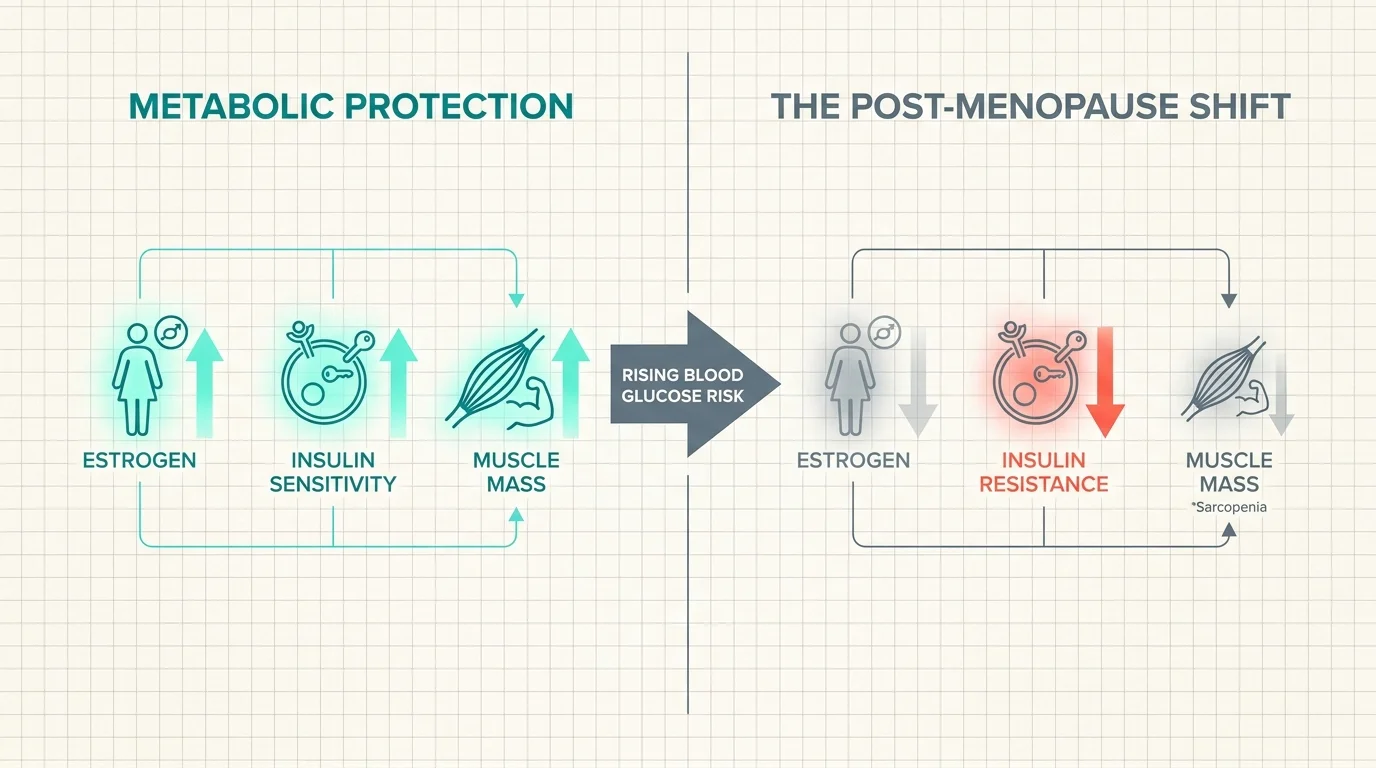
Estrogen, a hormone that drops significantly during and after menopause, does much more than regulate the reproductive system. It also acts as a powerful protector for your metabolism. Estrogen helps your cells respond efficiently to insulin, the hormone responsible for unlocking your cells and allowing glucose to enter. When your estrogen levels decline, your cells naturally become more resistant to insulin. Consequently, your pancreas must produce more insulin to achieve the same result, and often, excess glucose gets left behind in your bloodstream.
Alongside this hormonal shift, aging naturally affects your muscle mass. Sarcopenia, the medical term for age-related muscle loss, accelerates after age sixty. Because muscle tissue consumes more glucose than any other tissue in your body, losing muscle means you lose your primary blood sugar storage spaces. When you combine increased insulin resistance from lower estrogen with decreased muscle mass, you create a perfect environment for climbing blood glucose levels. This creates a serious diabetes warning 60+ women must monitor.
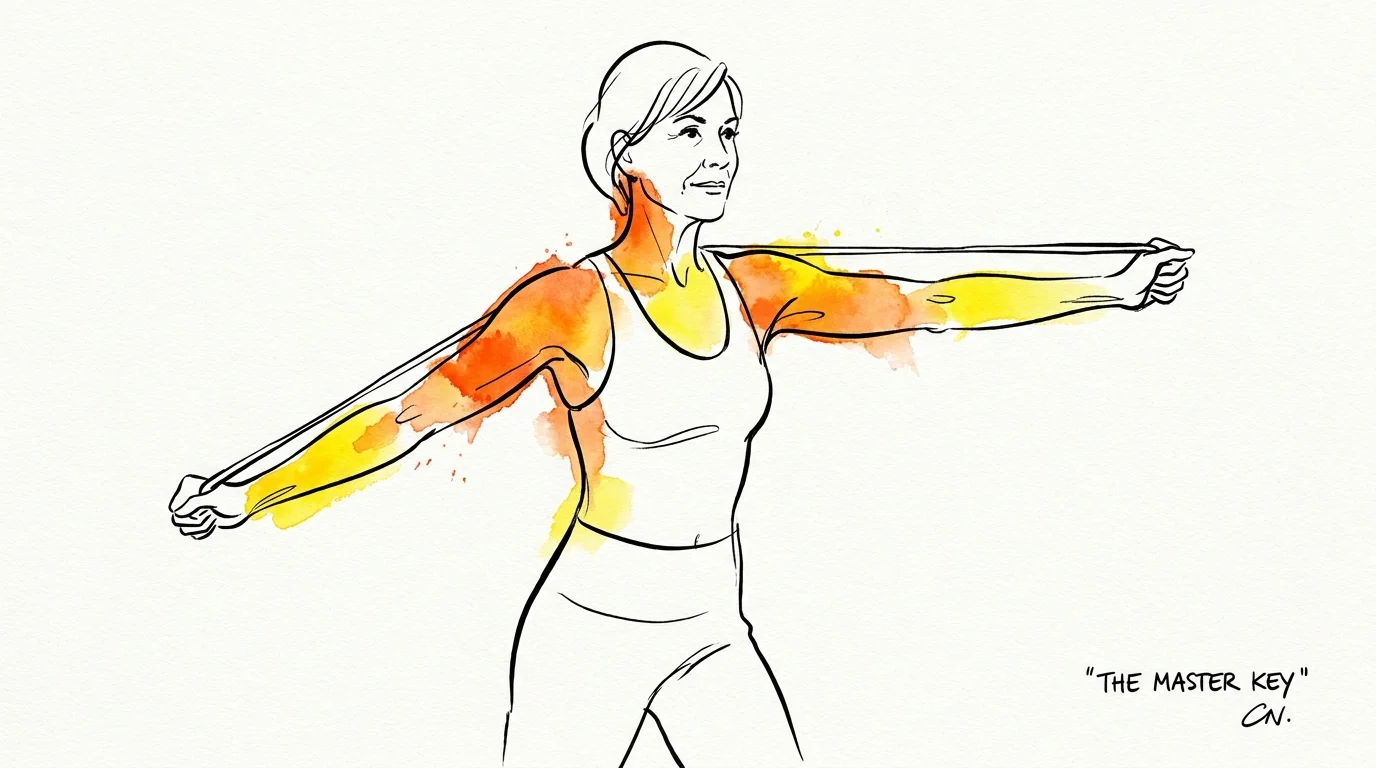
The good news is that you possess the power to directly counteract these changes. You can improve your insulin sensitivity and rebuild your muscle tissue at any age. Regular physical activity acts as a master key for your cells. When you move your body and contract your muscles, your cells absorb glucose directly from your bloodstream without needing insulin at all. By incorporating safe, enjoyable exercises into your routine, you effectively bypass insulin resistance, fuel your body, and protect your joints from the inflammation that high blood sugar often causes.
Listening to Your Body: Signs to Watch For
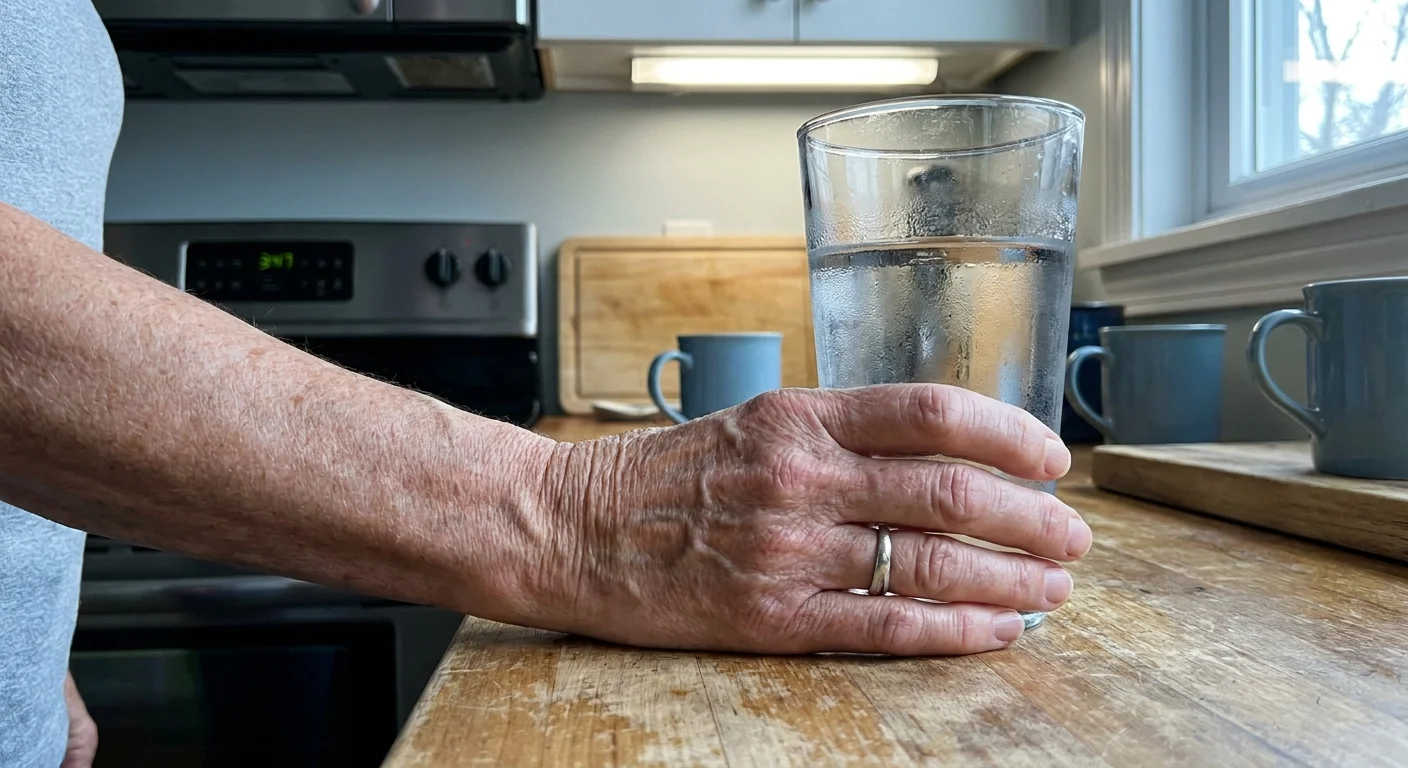
Your body constantly communicates with you. Before high blood sugar escalates into a more severe condition, it whispers through a variety of women health symptoms that mimic everyday aging. Learning to differentiate between normal exhaustion and specific blood glucose signs helps you seek medical guidance promptly. Here are seven easily missed signs that warrant your attention.
Sign 1: Unexplained Fatigue and Persistent Exhaustion
We all have days when we feel tired, especially after a busy afternoon or a poor night of sleep. However, the fatigue associated with high blood sugar feels entirely different. You might wake up feeling drained despite resting for eight hours, or you might find yourself suddenly exhausted after completing a simple, routine task like folding laundry or walking to the mailbox.
This happens because your body essentially starves on a cellular level. Your bloodstream carries plenty of glucose—the fuel your body needs for energy—but insulin resistance prevents that fuel from actually entering your cells. Your muscles and organs remain deprived of energy, leaving you feeling heavy, lethargic, and unmotivated to move. If rest does not relieve your exhaustion, high blood sugar may be the culprit.
Sign 2: Stubborn and Recurring Infections
As you age, the delicate tissues of the urinary tract and vagina naturally thin out due to a lack of estrogen. This change alone makes women over sixty more susceptible to urinary tract infections and yeast infections. But when you add high blood sugar to the equation, the risk multiplies significantly.
Your kidneys attempt to filter out excess glucose by dumping it into your urine. Bacteria and yeast thrive on sugar. When your urine contains high levels of glucose, it creates an ideal breeding ground for these organisms. If you find yourself battling recurring urinary tract infections or stubborn yeast infections that require frequent medical visits, ask your doctor to check your blood sugar levels alongside prescribing your antibiotics.
Sign 3: Sudden Changes or Fluctuations in Your Vision
Most seniors expect their eyesight to change over time, casually upgrading their reading glasses as the years go by. However, high blood sugar causes a very specific type of vision issue: rapid, noticeable fluctuations in visual clarity. You might find that you can read a book perfectly well on Tuesday, but by Thursday, the words appear blurry and distorted.
When glucose levels spike, the excess sugar pulls fluid from your body’s tissues, including the delicate lenses of your eyes. This sudden influx of fluid causes the lens to swell and change shape, which immediately alters your ability to focus. Once your blood sugar stabilizes, the lens often returns to normal, and your vision clears up. Do not ignore days of suddenly blurry vision; report these episodes to both your optometrist and your primary care physician.
Sign 4: Tingling, Numbness, or Pain in Your Extremities
Neuropathy, or nerve damage, stands out as one of the most concerning signs of prolonged high blood sugar. You might experience a sensation that feels like wearing invisible, tight socks, or you might feel a sharp, burning, pins-and-needles sensation in your toes, feet, or fingers. Sometimes, this progresses to complete numbness.
Over time, high glucose levels act as a corrosive agent in your bloodstream, damaging the tiny, fragile capillaries that deliver oxygen and nutrients to your nerve endings. When your nerves suffer damage, they misfire, sending signals of pain or going completely silent. This symptom requires immediate attention, especially for seniors, because numbness in the feet drastically impairs your balance and drastically increases your risk of suffering a severe fall.
Sign 5: Cuts, Bruises, and Scrapes That Refuse to Heal
Think about the last time you nicked your hand while preparing dinner or scratched your arm while working in the garden. Under normal circumstances, a minor wound should close up and begin fading within a few days. If you notice that your small cuts linger for weeks, remain red, or frequently become infected, your blood sugar may be elevated.
High blood glucose stiffens your arteries and narrows your blood vessels, severely restricting blood flow. Proper healing requires a robust supply of oxygen and immune cells delivered precisely to the site of the injury. When poor circulation slows this delivery system, your body’s natural repair mechanisms stall. Slower healing times also leave the door open for serious bacterial infections.
Sign 6: Increased Thirst and Frequent Bathroom Trips
Feeling parched after a long walk or a salty meal makes sense. But feeling unquenchable thirst that forces you to carry a water bottle everywhere you go is a classic symptom of elevated blood glucose. You might also find yourself waking up three or four times a night to use the bathroom, severely disrupting your sleep cycle.
This cycle occurs because your kidneys are working overtime to filter out the excess sugar in your blood. To dilute the heavy concentration of glucose, your body pulls water from your tissues, leading to frequent urination. This constant loss of fluids leaves you dehydrated, which in turn triggers your brain to crave more water. It becomes a frustrating, endless loop of drinking and rushing to the restroom.
Sign 7: Unexplained Weight Loss and Muscle Weakness
While many people associate high blood sugar strictly with weight gain, unexplained weight loss actually serves as a major red flag, particularly in older adults. If your clothes suddenly fit loosely and the numbers on the scale drop without you making any changes to your diet or exercise routine, you need to investigate.
When your cells cannot absorb glucose for energy due to severe insulin resistance, your brain signals the body that it is starving. To find fuel, your body begins breaking down its own muscle tissue and fat stores. This leads to a rapid loss of weight, but more dangerously, it leads to a rapid loss of strength. You might notice that lifting groceries or climbing stairs suddenly feels incredibly difficult. Preserving muscle is paramount in your sixties, making this sign one you simply cannot afford to ignore.
Safe and Effective Exercises and Activities
When you recognize these warning signs, your first step should always be consulting your physician. But your second step involves taking proactive, daily action to manage your blood sugar through physical movement. Exercise is quite literally medicine for high blood glucose. It improves insulin sensitivity, builds the muscle tissue needed to store glucose, reduces joint stiffness, and prevents falls by improving your balance.
However, safety must remain your top priority. You want to choose activities that protect your joints—especially if you manage conditions like osteoarthritis—while still providing enough effort to challenge your muscles. Here are four excellent, senior-friendly exercises to help you manage your blood sugar securely.
Brisk, Mindful Walking
Walking remains one of the most accessible and effective exercises for lowering blood sugar. A brisk thirty-minute walk after a meal dramatically reduces the amount of glucose that enters your bloodstream. To ensure safety, always wear supportive, well-cushioned shoes to protect your feet and joints. Choose level, well-paved paths or a local high school track to avoid tripping hazards. Pay attention to your posture; keep your shoulders back, your head up, and let your arms swing naturally to engage your core muscles.
Water Aerobics and Swimming
If you experience joint pain, chronic arthritis, or numbness in your feet from neuropathy, traditional weight-bearing exercises might feel uncomfortable or unsafe. Water aerobics provides the perfect solution. The buoyancy of the water supports your body weight, taking immense pressure off your knees, hips, and spine. At the same time, the water provides continuous, gentle resistance in every direction you move. This resistance challenges your muscles, helping you burn glucose and build strength without the risk of high-impact injuries or falls.
Chair Yoga and Gentle Stretching
Flexibility and balance are crucial components of a senior fitness routine. Chair yoga allows you to experience the physical and mental benefits of traditional yoga without the stress of getting down on the floor or holding difficult balancing poses. Seated stretches, such as gentle spinal twists and forward folds, improve the circulation in your extremities, which directly combats the effects of high blood sugar. Furthermore, the deep, rhythmic breathing practiced in yoga lowers cortisol, a stress hormone that actively drives up blood sugar levels.
Light Resistance Training
Remember that building and maintaining muscle provides a direct place for your body to store glucose. You do not need to lift heavy weights to see these benefits. Using light dumbbells (two to five pounds) or resistance bands allows you to gently challenge your muscles right in your living room. Try performing seated leg extensions to strengthen your thighs or seated bicep curls to strengthen your arms. Always move slowly, focus on your form, and remember to exhale during the hardest part of the movement. If you feel any sharp pain, stop the exercise immediately.

Tips for Staying Motivated
Knowing what to do is only half the battle; maintaining the motivation to do it every day presents the real challenge. Creating a sustainable, joyful routine ensures that you continue reaping the blood-sugar-lowering benefits of exercise for years to come.
Connect with a Community: Finding a workout buddy or joining a local senior fitness class transforms exercise from a solitary chore into an anticipated social event. When you know a friend expects to see you at the community center pool or at the park for a morning walk, you are far less likely to skip your routine. The shared laughter and encouragement make the effort feel lighter.
Practice Habit Stacking: Rather than trying to carve out a massive block of time for a workout, attach small moments of movement to habits you already perform daily. Try doing ten gentle counter push-ups while waiting for your morning coffee to brew. Perform seated leg lifts while watching your favorite evening television program. Practicing heel raises while brushing your teeth helps improve your balance and engages your calf muscles. These tiny bursts of activity quickly add up, actively lowering your blood sugar throughout the day.
Focus on How You Feel: Keep a simple journal tracking your energy levels and your physical comfort, rather than obsessing over the scale or a step-counter. Notice how a brief walk clears the brain fog, or how a water aerobics class relieves the stiffness in your knees. When you directly connect your physical movement to feeling vibrant and capable, exercise becomes a reward rather than a punishment.
Frequently Asked Questions
How often should a woman over sixty have her blood sugar checked?
If you have no underlying health conditions and feel entirely healthy, most physicians recommend a fasting blood glucose test at least once a year during your annual physical. However, if you notice any of the seven signs mentioned above, or if you have a family history of metabolic issues, you should request a blood test immediately. Do not wait for your annual appointment if you experience persistent fatigue, extreme thirst, or vision changes.
Can exercise alone effectively lower my blood sugar levels?
For many women experiencing early signs of insulin resistance, adopting a regular exercise routine, combined with mindful dietary choices, dramatically improves blood sugar levels. Exercise forces your muscles to consume glucose, clearing it from your bloodstream. However, exercise should complement, not replace, medical advice. If your physician prescribes medication to manage your condition, you must continue taking it while utilizing exercise as a powerful supportive tool.
Is it safe to exercise if I experience numbness in my feet?
Yes, but you must modify your approach to prioritize safety and fall prevention. If you have neuropathy or reduced sensation in your feet, avoid high-impact activities or walking on uneven terrain where you might trip or injure a foot without realizing it. Instead, focus on zero-impact activities like swimming, stationary cycling, or seated chair exercises. Always visually inspect your feet for cuts or blisters after any activity, as your nerves may not alert you to an injury.
What should I eat before exercising to keep my energy stable?
Exercising on an empty stomach might cause your blood sugar to drop too low, resulting in dizziness or weakness. Conversely, eating a heavy, sugary snack will cause a glucose spike. Aim for a small, balanced snack about forty-five minutes before you move. A slice of whole-grain toast with a tablespoon of peanut butter, or a small apple with a handful of almonds, provides a perfect blend of complex carbohydrates for sustained energy and protein to keep your blood sugar stable during your workout.
For information on physical activity for older adults, consult the National Institute on Aging. The American Heart Association and the Arthritis Foundation also provide excellent resources for senior-friendly exercise.
Disclaimer: This article is for informational purposes only and does not constitute medical advice. Always seek the advice of your physician or other qualified health provider with any questions you may have regarding a medical condition.