
Introduction: Staying Active and Strong in Your Golden Years
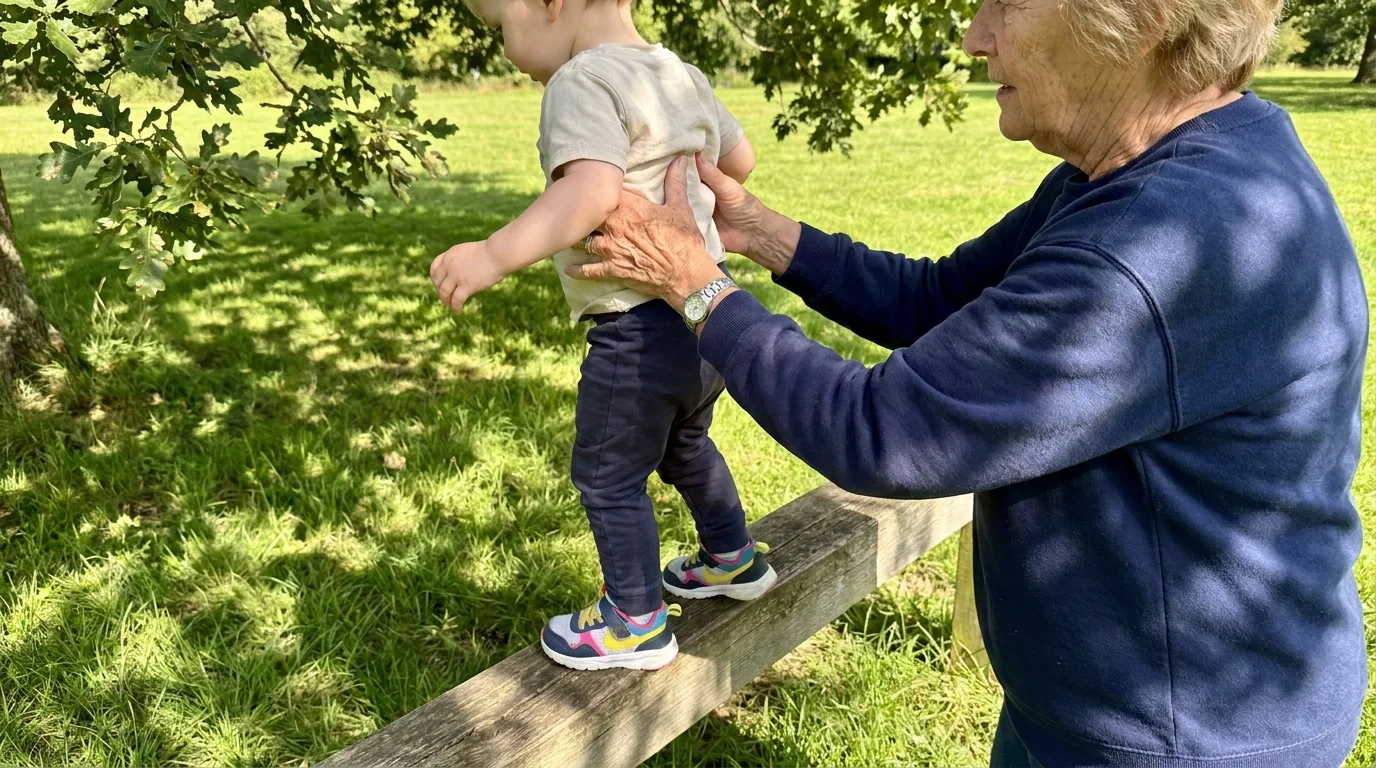
Your golden years are a beautifully profound chapter of life. They offer you the time and wisdom to focus on what truly matters—your family, your passions, and most importantly, your health. Maintaining your independence and vitality requires a proactive approach to wellness. Prioritizing your physical well-being allows you to continue enjoying daily activities, whether that means gardening in your backyard, traveling to new places, or simply getting down on the floor to play with your grandchildren.
When searching for reliable health advice, many women quickly realize that aging brings a unique set of challenges and changes. Your body does not respond to stress, diet, or exertion exactly the way it did in your twenties or thirties. This is not a reason for discouragement; rather, it is an invitation to listen more closely to your body. Understanding how your body evolves is the first step in creating a lifestyle that supports your longevity and protects your mobility.
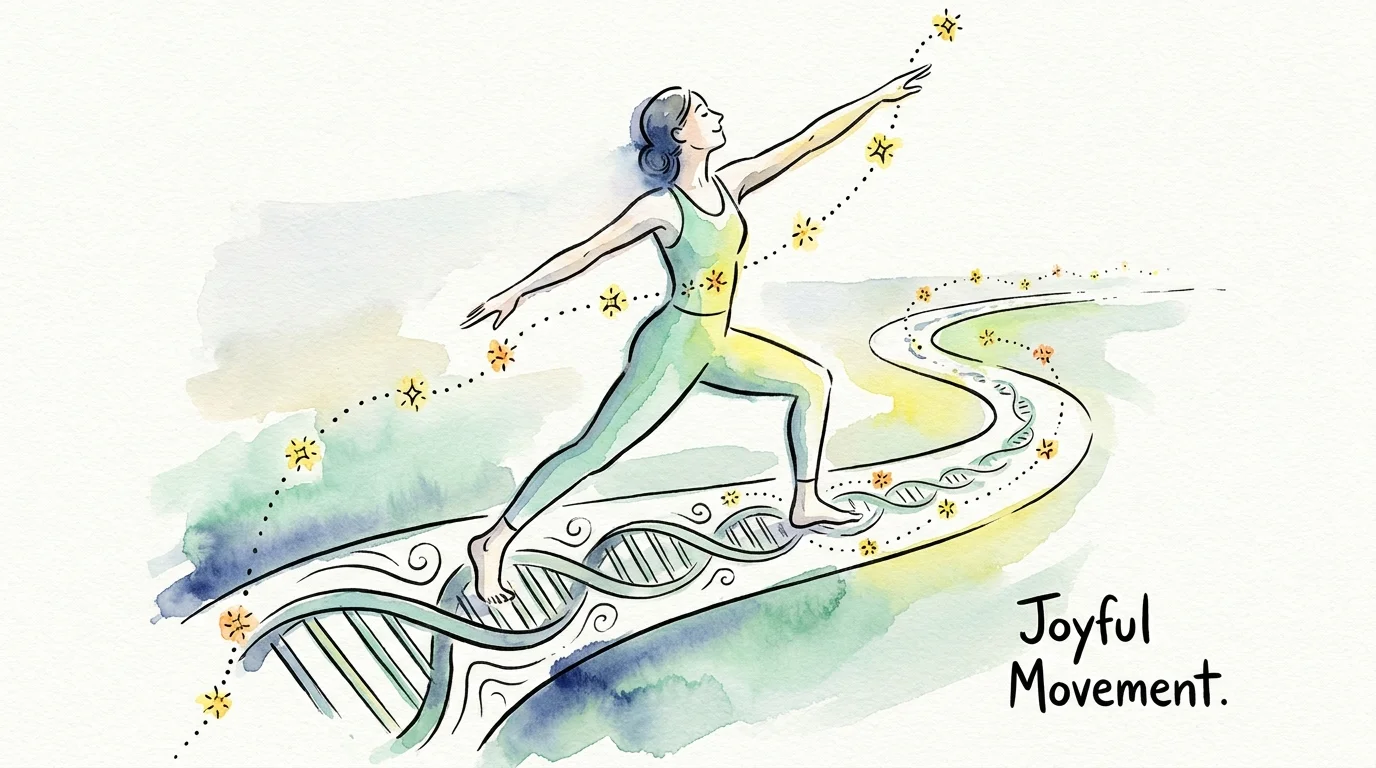
One of the most critical areas of focus for older women is metabolic health. The risk of developing certain conditions increases as you age, making awareness an essential tool. Learning to recognize the early signs of diabetes can empower you to seek treatment before serious complications arise. Diabetes prevention is not just about avoiding a diagnosis; it is about embracing a holistic wellness routine that incorporates joyful movement, mindful eating, and regular check-ins with your medical team. You have the power to influence your health positively through safe, consistent habits.
How Your Body Changes and What You Can Do
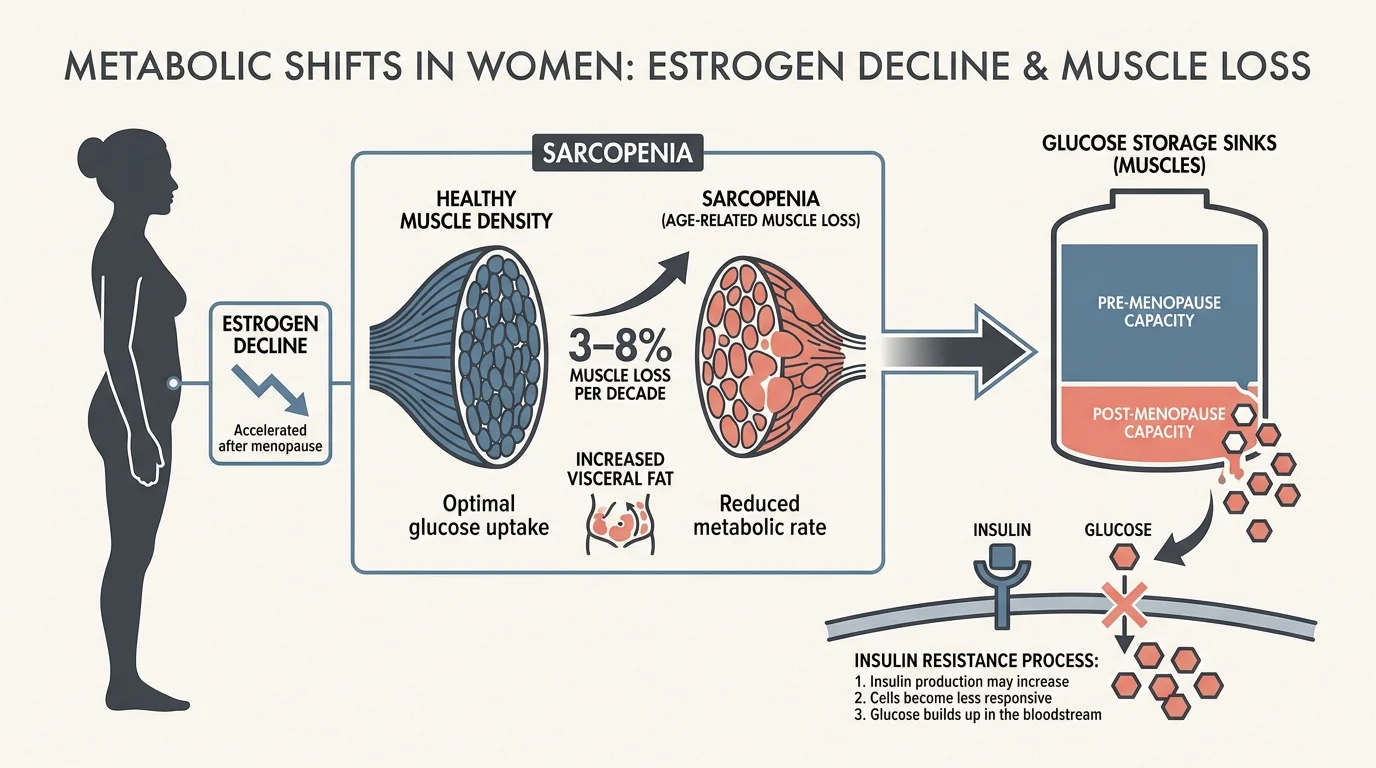
To truly embrace women health in your later years, you must first understand the natural biological shifts occurring beneath the surface. One of the most significant changes happens during and after menopause. Estrogen, a hormone that naturally helps protect your body against insulin resistance, declines sharply. As estrogen levels drop, you may notice a shift in how your body stores fat. Weight often redistributes from the hips and thighs to the abdomen. This visceral fat wraps around your internal organs and actively releases inflammatory chemicals that can make it harder for your cells to respond to insulin.
Furthermore, aging naturally brings about a condition known as sarcopenia, which is the gradual loss of muscle mass. Studies show that adults can lose anywhere from three to eight percent of their muscle mass per decade after the age of thirty, and this rate accelerates after age sixty. Why does this matter for your metabolic health? Your muscles act as massive storage sinks for glucose. When you lose muscle tissue, your body has fewer places to store the sugar circulating in your blood. This forces your pancreas to produce more insulin, eventually leading to insulin resistance and increasing your risk for type 2 diabetes.
You may also experience increased joint stiffness and chronic pain, particularly if you live with arthritis. When your joints ache, your natural inclination is to move less. Unfortunately, a sedentary lifestyle further accelerates muscle loss and contributes to rising blood sugar levels. It becomes a challenging cycle—pain leads to inactivity, and inactivity worsens both joint stiffness and metabolic health.
The good news is that you hold the key to breaking this cycle. Your body is incredibly resilient and responsive to positive changes at any age. Gentle, consistent physical activity can help you rebuild lost muscle, improve the flexibility of stiff joints, and dramatically enhance your body’s ability to process glucose. Exercise acts like a master key, bypassing insulin resistance and allowing your muscles to absorb sugar directly from your bloodstream. By understanding these biological changes, you can step into a routine of diabetes prevention with confidence and clarity.
Safe and Effective Exercises and Activities
Staying active is one of the most powerful ways to manage your blood sugar and maintain your mobility, but safety must always come first. You do not need to run a marathon or lift heavy weights to see profound benefits. In fact, gentle, low-impact exercises are often the most sustainable and effective options for seniors.
Walking is a universally accessible activity that yields incredible health benefits. Taking a brisk, fifteen-minute walk shortly after eating a meal can significantly blunt the natural spike in your blood sugar. When you walk, the large muscles in your legs demand immediate energy, pulling excess glucose straight out of your bloodstream. Ensure you wear supportive, well-cushioned shoes to protect your feet and joints, and try to walk on flat, even surfaces to reduce the risk of tripping.
If you suffer from chronic joint pain or arthritis, water aerobics is a brilliant alternative. The natural buoyancy of water supports your body weight, reducing the stress on your weight-bearing joints by as much as ninety percent. The water also provides gentle, continuous resistance, which helps you build strength and cardiovascular endurance without the harsh impact of exercises on land. Many community centers offer warm-water classes specifically designed for seniors, which can further soothe aching joints.
Chair yoga is another outstanding option for maintaining strength and flexibility. Using a sturdy chair for support allows you to perform stretches and light resistance movements safely. Yoga emphasizes deep, rhythmic breathing, which actively lowers your body’s stress hormones. Because stress hormones like cortisol can cause your blood sugar to rise, finding peaceful, mindful ways to exercise serves a dual purpose in managing your metabolic health. Furthermore, the balancing poses adapted for chair yoga help strengthen your core, playing a vital role in fall prevention.
Finally, do not shy away from light strength training. Using resistance bands or light dumbbells can halt the progression of muscle loss. Simple exercises, such as seated leg extensions or bicep curls, encourage your body to build lean muscle mass. As you rebuild this muscle, your body becomes naturally more efficient at regulating blood sugar, creating a powerful shield against diabetes.
For information on physical activity for older adults, consult the National Institute on Aging. The American Heart Association and the Arthritis Foundation also provide excellent resources for senior-friendly exercise.
Listening to Your Body: Signs to Watch For
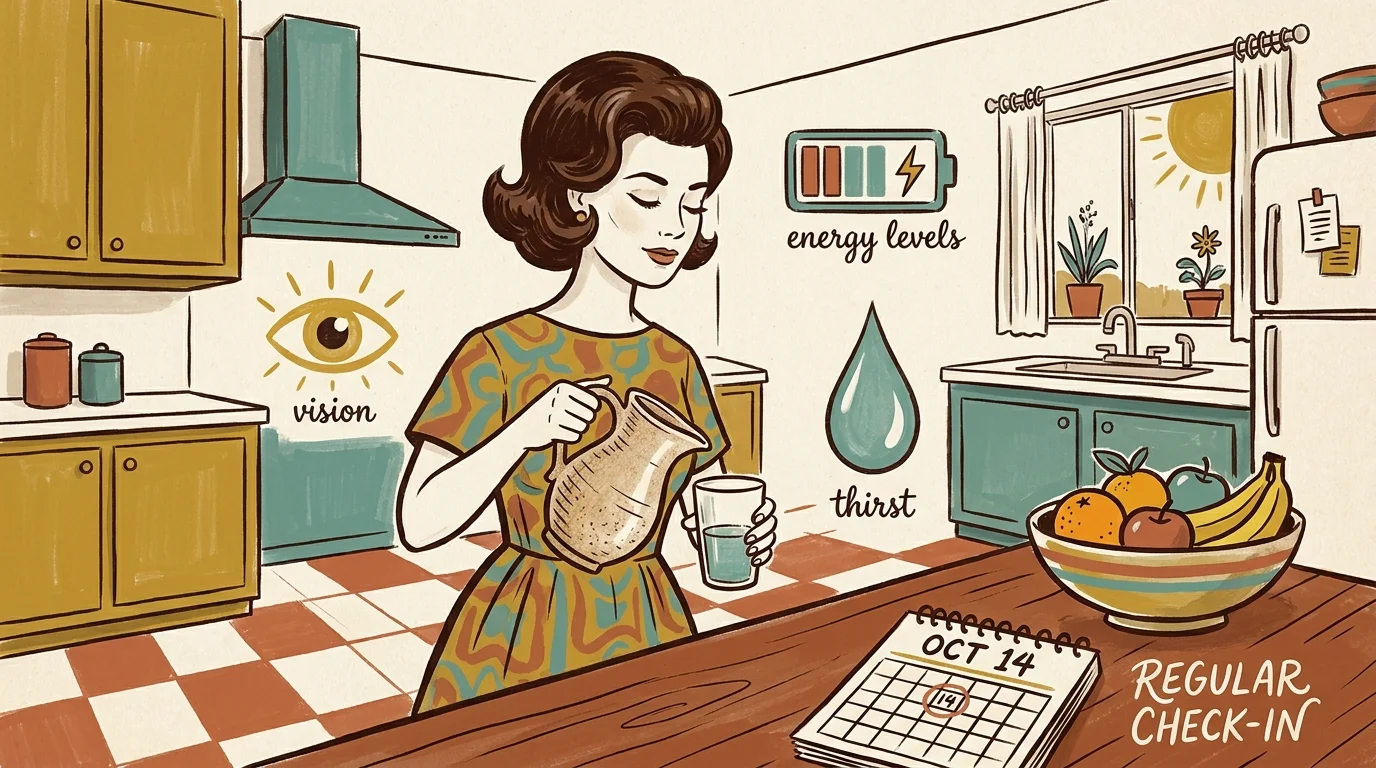
While establishing a safe exercise routine is wonderful, you must also cultivate a deep awareness of your body’s signals. It is perfectly normal to feel a gentle, satisfying fatigue in your muscles after a water aerobics class. However, there is a distinct difference between normal exertion and the systemic warning signs that your body is struggling to manage its blood sugar. Knowing the early signs of diabetes can help you seek timely medical intervention.
1. Frequent Urination and Unquenchable Thirst
One of the most common early indicators of elevated blood sugar is a sudden increase in your need to use the restroom, particularly waking up multiple times throughout the night. When your blood sugar is too high, your kidneys are forced to work overtime to filter and absorb the excess glucose. If your kidneys cannot keep up, the excess sugar is excreted into your urine, dragging fluids from your tissues along with it. This constant loss of fluid leaves you feeling dehydrated and experiencing an unquenchable thirst, no matter how much water you drink.
2. Unexplained, Heavy Fatigue
As you age, you might occasionally feel tired after a busy day, but chronic, heavy fatigue is different. When you have insulin resistance, your body produces plenty of insulin, but your cells refuse to open up and accept the glucose. Because the sugar remains trapped in your bloodstream, your cells are literally starved for energy. You might sleep for eight solid hours and still wake up feeling utterly exhausted. If your daily walks suddenly feel impossible due to a profound lack of energy, it is time to consult your doctor.
3. Blurred or Fluctuating Vision
Your eyes are highly sensitive to changes in blood sugar. High levels of glucose can cause fluids to shift into the lenses of your eyes, causing them to swell and change shape. This swelling directly impacts your ability to focus, resulting in blurry vision. You might notice that your vision seems fine one day but cloudy the next. While many people attribute vision changes strictly to getting older, fluctuating eyesight is a classic hallmark of unmanaged blood sugar and warrants an immediate check-up.
4. Recurrent Yeast or Urinary Tract Infections
This is a specific area of women health that deserves careful attention. Bacteria and yeast thrive in environments that are rich in sugar. When your blood sugar is consistently high, your body’s natural secretions—including urine—contain elevated glucose levels. This creates a highly hospitable environment for infections. If you find yourself battling recurrent urinary tract infections or yeast infections despite practicing good hygiene, it may be your body’s way of telling you that your blood sugar is out of balance.
5. Tingling or Numbness in Your Hands and Feet
Prolonged exposure to high blood sugar can damage the delicate nerve fibers in your body, a condition known as diabetic neuropathy. This typically begins in the extremities. You might feel a persistent “pins and needles” sensation, burning pain, or a complete loss of feeling in your toes and feet. Neuropathy is a severe concern for seniors because it drastically impairs your balance. If you cannot feel the floor beneath your feet, your risk of tripping and falling skyrockets. Recognizing this sign early is essential for both diabetes management and fall prevention.

Tips for Staying Motivated
Starting a new health routine is an exciting endeavor, but staying consistent requires genuine motivation and practical strategies. It is entirely normal to have days where your joints ache or your energy dips. The key is to build a supportive framework around your lifestyle so that healthy choices become an automatic part of your day.
First, try anchoring your new habits to existing ones, a technique known as habit stacking. If you want to incorporate more walking into your life, tie it to a daily event. For instance, make a commitment to walk for ten minutes immediately after you finish your morning cup of coffee or right after you check your daily mail. By attaching the new activity to a well-established routine, you eliminate the need to rely on willpower alone.
Second, seek out a supportive community. Health journeys are significantly easier when they are shared. Look for local walking groups for seniors, join a community center pool, or simply ask a friend to be your accountability partner. Knowing that someone is waiting for you at a fitness class provides a powerful incentive to show up, even on days when you feel sluggish. The social interaction also boosts your mood and fights feelings of isolation.
Finally, celebrate your non-scale victories. When working on diabetes prevention, it is easy to get hyper-focused on numbers—like your weight or your exact blood sugar readings. While those metrics are important, do not ignore the qualitative improvements in your life. Celebrate the fact that you can climb the stairs without losing your breath, that your arthritis pain has dulled, or that you are sleeping more soundly. Recognizing these daily improvements will fuel your desire to keep moving forward.
Frequently Asked Questions
Is it safe to exercise if I have arthritis and suspect I might have diabetes?
Yes, it is generally very safe and highly recommended. Physical activity reduces joint stiffness by increasing the flow of lubricating fluid in your joints. Simultaneously, exercise improves insulin sensitivity, helping to lower your blood sugar. However, the type of exercise matters immensely. Stick to low-impact activities like swimming, stationary cycling, or gentle yoga. If you experience sharp, acute pain rather than standard muscle fatigue, stop the activity and consult your physician to adjust your routine.
Can weight loss reverse the warning signs of diabetes?
Losing even a modest amount of weight—such as five to seven percent of your total body weight—can dramatically improve your body’s ability to manage blood sugar. Shedding excess visceral fat reduces inflammation and allows your body’s natural insulin to work more effectively. While medical professionals hesitate to use the word “cure,” many older adults find that through healthy weight loss and regular physical activity, their warning signs diminish and their blood sugar returns to a healthy, normal range.
What should I do if I experience numbness in my feet during a walk?
If you experience sudden numbness, tingling, or a loss of sensation in your feet, prioritize your safety by stopping your walk and sitting down to prevent a fall. Inspect your feet for any blisters or cuts, as diminished sensation means you might not feel an injury occurring. Make an appointment with your healthcare provider to be evaluated for neuropathy. In the meantime, switch to non-weight-bearing exercises, such as swimming or seated arm cycling, to maintain your fitness without putting your balance at risk.
Are the signs of diabetes different for older women than for men?
While many signs overlap—such as excessive thirst and fatigue—women face unique warning signals. Recurrent vaginal yeast infections and frequent urinary tract infections are much more common in women dealing with unmanaged blood sugar. Additionally, older women who have gone through menopause may mistakenly attribute the profound fatigue or mood changes of high blood sugar to standard hormonal shifts, which can delay a proper diagnosis.
Disclaimer: This article is for informational purposes only and does not constitute medical advice. Always seek the advice of your physician or other qualified health provider with any questions you may have regarding a medical condition.